Table of Contents >> Show >> Hide
- What Is a Factor VIII Assay?
- Why Is the Test Ordered?
- How to Prepare for a Factor VIII Assay
- How the Test Is Done
- Understanding Factor VIII Assay Results
- One-Stage vs Chromogenic: Why the Method Matters
- What Can Mess With Accuracy?
- What Happens If an Inhibitor Is Suspected?
- Related Tests You Might See Alongside Factor VIII
- Practical Examples: How Results Get Used
- When to Seek Urgent Care
- Questions to Ask Your Clinician
- Conclusion
- Experiences People Commonly Have With Factor VIII Testing (and What They Learn From It)
Blood clotting is basically your body’s emergency repair crew: someone yells “LEAK!” and a bunch of proteins sprint in with
tools, tape, and a strong desire to keep everything inside your veins. One of the most important crew members is factor VIII
(pronounced “factor eight”), and the factor VIII assay is the lab test that checks whether this worker is showing up,
working well, and not secretly getting blocked by workplace drama (a.k.a. inhibitors).
In this guide, we’ll walk through what a factor VIII activity test is, why your clinician might order it, how to prepare, how results
are interpreted, what can skew accuracy, and what usually happens next. We’ll keep it medically solid, but we won’t pretend blood
tests are fun (unless you’re really into tiny tubes and paperwork).
What Is a Factor VIII Assay?
A factor VIII assay is a blood test that measures how well factor VIII is functioning in your clotting system.
Most of the time, when people say “factor VIII assay,” they mean a factor VIII activity test (how well it works),
not just how much is present.
Factor VIII is closely connected to von Willebrand factor (VWF), a protein that helps factor VIII survive in the bloodstream.
If VWF is low, factor VIII can drop tookind of like a VIP who won’t show up unless their ride arrives first.
Factor VIII testing usually falls into a few categories
- Factor VIII activity: measures clotting function (the most common clinical test).
- Factor VIII antigen: measures how much factor VIII protein is present (used in specific situations).
- Inhibitor testing (Bethesda/Nijmegen-Bethesda): checks whether antibodies are neutralizing factor VIII.
Why Is the Test Ordered?
A clinician typically orders a factor VIII assay when there’s a clue that clotting isn’t behaving normallyespecially when
bleeding seems “too easy,” lasts too long, or happens in places it shouldn’t.
Common reasons include
- Diagnosing hemophilia A (inherited factor VIII deficiency), especially with a personal or family history of bleeding.
-
Evaluating unusual bleeding, such as frequent nosebleeds, heavy menstrual bleeding, prolonged bleeding after dental work,
surgery, or injury. - Investigating a prolonged aPTT (activated partial thromboplastin time), a screening test often affected by factor VIII.
- Assessing von Willebrand disease, since factor VIII can be low when VWF is low or dysfunctional.
- Checking response to treatment, such as factor VIII replacement therapy or desmopressin (DDAVP) in selected patients.
- Suspecting acquired hemophilia A, where autoantibodies suddenly block factor VIII (often in adults with new, unexplained bleeding).
- Pre-procedure planning in people with known bleeding disorders, to reduce surgical/dental bleeding risk.
Important nuance: factor VIII can also be high, and that can matter tooespecially if it’s persistently elevated and you’re being evaluated
for clotting risk. But most routine “factor VIII assay” orders are focused on bleeding, not clotting.
How to Prepare for a Factor VIII Assay
The good news: most people don’t need special preparation. The more realistic news: a few medications and timing issues can make results
confusing, so “no prep” doesn’t mean “no planning” in every situation.
What to tell your clinician (and the lab) before testing
- Factor products or recent infusions: If you use factor VIII concentrates, your clinician may time the draw as a “peak” or “trough.”
- Emicizumab (Hemlibra): This medication can interfere with certain factor VIII activity assays. The lab may need a specific method.
- Anticoagulants: Heparin and direct oral anticoagulants (DOACs) can interfere with clot-based testing and related interpretations.
- Recent illness, surgery, pregnancy, estrogen therapy: Factor VIII can rise as part of the body’s “stress/inflammation response.”
- Bleeding symptoms and family history: These details help results land in the right clinical context.
Do you need to fast?
Usually, no fasting is required. If your clinician orders additional tests at the same time (like metabolic labs), those might have fasting rules.
If you’re unsure, follow the instructions you were given for your specific lab order.
Timing tips that can save a lot of confusion
- If you’re monitoring treatment: Ask whether the draw should be taken right before your next dose (trough) or after dosing (peak).
- If inhibitor testing is being considered: Some protocols prefer sampling before factor replacement and under conditions that reduce assay interference.
- If you’re acutely ill: A “temporarily high” factor VIII can mask a borderline deficiencysometimes repeat testing is needed when you’re well.
How the Test Is Done
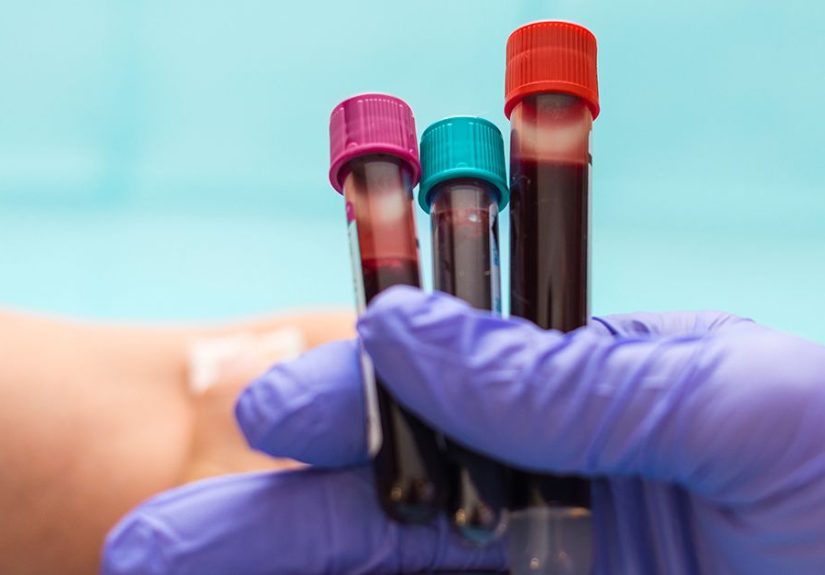
A factor VIII assay is performed on a blood sample (typically drawn from a vein in your arm). The blood is collected in a citrate tube
(the light-blue top tube), processed into platelet-poor plasma, and analyzed in the laboratory.
What it feels like
Expect the standard blood draw experience: brief needle stick, a few seconds of pressure, and possibly minor bruising. If you have a history of fainting
with blood draws, tell the staffthere are simple ways to make the experience easier (like lying down and hydrating beforehand).
Understanding Factor VIII Assay Results
Factor VIII activity results are commonly reported as a percentage of normal activity, or in IU/dL.
Many labs consider something like 50%–150% a typical adult reference range, though ranges can vary by lab, age, and method.
(Translation: don’t compare your result to your friend’s screenshot unless you also compare the lab’s reference intervals.)
If factor VIII activity is low
A low result can point to a bleeding disorder, but the “why” matters. Common possibilities include:
- Hemophilia A (inherited factor VIII deficiency).
- Von Willebrand disease (because VWF stabilizes factor VIII).
- Acquired hemophilia A (autoantibodies/inhibitors against factor VIII).
- Disseminated intravascular coagulation (DIC) or severe systemic illness (consumption of clotting factors).
- Rare factor VIII production/clearance issues depending on clinical context.
Hemophilia A severity (a practical framework)
Clinicians often classify hemophilia A severity based on factor VIII activity:
- Severe: <1% activity (often spontaneous bleeding, including joints/muscles)
- Moderate: 1%–5% activity (bleeding with minor injury; may have occasional spontaneous bleeds)
- Mild: >5% to <40% activity (bleeding mainly with surgery, dental work, or significant injury)
Real-life note: symptoms don’t always read the textbook. Two people with “mild” levels can have very different bleeding historiesso clinicians combine
the lab number with your bleeding pattern and family history.
If factor VIII activity is normal
A normal factor VIII activity level can be reassuring, but it doesn’t automatically close the case. If bleeding symptoms persist, clinicians may consider:
- Other factor deficiencies (IX, XI, XIII, etc.)
- Platelet function disorders
- Von Willebrand disease subtypes (which may need multiple VWF-related tests)
- Assay limitations (especially in certain mild hemophilia mutations or medication contexts)
If factor VIII activity is high
Elevated factor VIII can occur for many reasons. Factor VIII is an acute phase reactant, meaning it can rise with inflammation, stress,
infection, surgery, pregnancy, and estrogen exposure. Persistent elevation has also been associated with increased risk of venous thromboembolism (VTE)
in some studies, especially when levels are substantially above the upper reference range.
Key point: a single high result doesn’t automatically mean you’re “high-risk.” Clinicians interpret it alongside your personal history of clots, family history,
pregnancy/postpartum status, medications, and other thrombophilia workup results.
One-Stage vs Chromogenic: Why the Method Matters
Not all factor VIII assays measure activity in the same way. The two most common approaches are:
1) One-stage (clot-based) factor VIII activity assay
This is the classic, widely used method. It measures how factor VIII affects the aPTT-based clotting time in a controlled system.
It’s practical and common, but it can be influenced by certain interferences (like lupus anticoagulant or specific therapies).
2) Chromogenic factor VIII activity assay
This method measures factor VIII activity using a two-step enzymatic reaction that produces a color change. In some clinical scenariosespecially mild hemophilia A,
lupus anticoagulant interference, and certain modified factor productschromogenic testing can be more reliable or clinically informative.
Why do you care? Because sometimes the one-stage and chromogenic results don’t match. When that happens, the “right” interpretation depends on your clinical picture,
mutation type (if known), and what therapy you’re receiving.
What Can Mess With Accuracy?
The factor VIII assay is a powerful testbut like any lab test, it has enemies. Some are obvious (wrong tube), and some are sneaky (medications or antibodies that impersonate normal clotting).
Common issues that can affect results
- Recent factor VIII infusion: can raise results (expected) and must be interpreted based on timing.
- Emicizumab therapy: can make some one-stage factor VIII assays look misleading; specialized approaches may be required.
- Lupus anticoagulant: can interfere with clot-based assays and complicate interpretation in some patients.
- Anticoagulants (heparin/DOACs): can distort clot-based testing and related interpretations.
- Sample handling: delays in processing or suboptimal storage can reduce measured activity; labs follow strict processing rules for a reason.
- Being acutely ill: factor VIII can rise temporarily, potentially masking a mild deficiency.
If your results don’t fit your symptoms (or your symptoms don’t fit your results), clinicians often repeat testing or add a second method (like chromogenic) before making big conclusions.
That’s not “the lab messed up”it’s medicine being careful.
What Happens If an Inhibitor Is Suspected?
Sometimes factor VIII is low not because your body can’t make it, but because something is blocking it. That “something” is typically an inhibitor,
an antibody that neutralizes factor VIII activity.
How clinicians investigate inhibitors
- Mixing study: patient plasma is mixed with normal plasma; if clotting corrects, deficiency is more likely; if it doesn’t, an inhibitor may be present.
- Factor VIII inhibitor assay (Bethesda or Nijmegen-Bethesda): quantifies inhibitor strength in Bethesda units (BU).
- Clinical pattern: sudden large bruises or muscle bleeding in an adult with no bleeding history can raise suspicion for acquired hemophilia A.
This matters because inhibitors can change treatment strategy. Instead of simply giving factor VIII, clinicians may need specialized therapies, bypassing agents,
or immune-directed treatment (depending on the scenario).
Related Tests You Might See Alongside Factor VIII
Factor VIII rarely travels alone. Clinicians often order it as part of a bigger clotting picture, such as:
- aPTT and PT/INR (screening clotting times)
- Von Willebrand factor antigen and activity (especially if VWD is suspected)
- Factor IX (hemophilia B) and factor XI (hemophilia C/FXI deficiency)
- Fibrinogen and D-dimer in complex bleeding/clotting situations
- Genetic testing for hemophilia A in selected cases
Practical Examples: How Results Get Used
Example 1: A teen with frequent nosebleeds and heavy periods
A clinician orders aPTT, VWF testing, and factor VIII activity. Factor VIII comes back mildly low, VWF is low-normal, and the bleeding history is convincing.
Next step: repeat testing when well, expand VWF panel, and consider a hematology referral for a personalized planbecause “mild” labs can still mean meaningful symptoms.
Example 2: Adult with sudden large bruises and muscle bleeding
Factor VIII activity is very low, and a mixing study doesn’t correct. That pattern raises suspicion for an inhibitor and prompts Bethesda testing.
This scenario often leads to urgent hematology management, because acquired hemophilia can cause serious bleeding even in someone who never had a bleeding issue before.
Example 3: Person with hemophilia A monitoring prophylaxis
The factor VIII activity test is drawn as a trough right before the next scheduled dose to see how low levels fall between infusions.
The result helps the care team tailor dosing schedules to reduce bleeding risk and support daily life (sports, travel, school, workaka the whole point of treatment).
When to Seek Urgent Care
If you have signs of serious bleedingsuch as severe headache after minor trauma, vomiting with headache, blood in vomit or stool, heavy bleeding that won’t stop,
significant swelling/pain in a limb, chest pain, or shortness of breathseek urgent medical care. Lab tests are helpful, but stopping dangerous bleeding is the priority.
Questions to Ask Your Clinician
- Is this a factor VIII activity test, antigen test, or both?
- Should the blood draw be timed around my medication or infusion?
- Does my therapy (like emicizumab) affect which assay the lab should use?
- Do I need von Willebrand testing too?
- If results are abnormal, what is the next steprepeat testing, mixing study, inhibitor testing, or referral?
Conclusion
The factor VIII assay is one of the most important tools for diagnosing and managing bleeding disordersespecially hemophilia A, von Willebrand disease workups,
and inhibitor-related conditions. Most people don’t need special prep, but timing and medications can heavily influence interpretation.
If your results raise questions (or don’t match your symptoms), don’t panicoften the answer is simply “use the right method, repeat under the right conditions,
and interpret the number in the context of the person.”
Experiences People Commonly Have With Factor VIII Testing (and What They Learn From It)
Let’s talk about the part no lab report captures: the human experience around factor VIII testing. Not “once upon a time I personally had my factor VIII checked”
(I didn’tI’m software, not a mammal), but the patterns clinicians and patients often describe when this test enters the storyline.
1) The “I thought I was just a bruiser” moment. A lot of people don’t start with “I suspect a clotting factor deficiency.”
They start with a life full of little mysteries: bruises that show up like uninvited party guests, nosebleeds that overstay their welcome,
or a post-dental-work bleed that turns a routine appointment into a long afternoon of gauze and regret. When a clinician orders factor VIII activity,
it often feels like the first time someone is translating symptoms into a concrete hypothesis. Even when results are normal, patients often say the test brings relief:
“Okay, at least we checked the big stuff.”
2) The “why is my number different this time?” confusion. Factor VIII isn’t a statueit moves. People commonly learn that being sick,
stressed, pregnant, or recently post-surgery can raise factor VIII. That means the same person can see a “pretty normal” result during an inflammatory flare,
and a “borderline low” result when they’re well. This is where repeat testing becomes less annoying and more like good detective work. Many patients describe
the second test as the one that finally makes the whole picture click.
3) The “methods matter” surprise. Most of us assume a lab test is a single, universal thinglike measuring height.
But factor VIII activity can be measured by different methods (one-stage vs chromogenic), and results can disagree in specific situations.
People on certain therapies (especially emicizumab) sometimes learn this the hard way: a test result looks “too good to be true,” and the care team explains that
the assay itself can be fooled. The experience can be frustrating, but it’s also empoweringpatients start asking smarter questions like,
“Which assay did you use?” and “Is this result valid with my medication?”
4) The “waiting for inhibitor results” anxiety. For people with hemophilia A receiving factor productsor for adults being evaluated for acquired hemophilia
inhibitor testing can feel emotionally heavier than the initial factor level. The reason is simple: inhibitors can change everything about treatment.
People often describe the waiting period as a mental tug-of-war between “It’s probably fine” and “What if it’s not?” In hemophilia care,
education and a clear plan help: knowing what a Bethesda unit is, what “low titer” versus “high titer” might imply, and what treatment options exist.
Even when inhibitors are present, many patients describe relief once they have a name for the problem and a strategy moving forward.
5) The “this is about my life, not just my lab” shift. When factor VIII testing is used to monitor prophylaxis,
people often experience a more practical kind of empowerment: fewer missed school days, fewer joint bleeds, more confidence traveling,
and less fear around sports and everyday bumps. In that setting, the number on the report is not a gradeit’s a tool for customizing life.
Many patients describe the best visits as the ones where the clinician connects the result to a real-world goal:
“Let’s target coverage for your work schedule,” or “Let’s make sure your trough is safer before that hiking trip.”
Bottom line: factor VIII testing is a lab procedure, but it’s also a turning point. For some, it’s the start of answers. For others, it’s the start of better control.
And for almost everyone, it’s a reminder that the body’s clotting system is both brilliant and, occasionally, a little too dramatic.