Table of Contents >> Show >> Hide
- The short answer: yes, matcha has caffeine
- How much caffeine is in matcha?
- Why matcha feels different from coffee
- Does matcha give you more energy?
- Potential health benefits of matcha beyond caffeine
- Possible downsides of matcha
- How much matcha is reasonable in a day?
- Best ways to enjoy matcha without overdoing it
- Everyday experiences with matcha: what people often notice
- Final verdict
If you have ever sipped a bright green matcha latte and thought, “This tastes like a tiny grass wizard brewed it,” you are not alone. Matcha has a reputation for being earthy, elegant, and slightly intimidating. It also has a reputation for giving people energy. So the big question is simple: Does matcha have caffeine?
Yes, it absolutely does. In fact, matcha usually has more caffeine than regular green tea because you consume the whole tea leaf in powdered form instead of steeping leaves in water and tossing them out. But before coffee fans start smirking into their mugs, matcha still tends to have less caffeine than a standard cup of coffee.
That middle-ground position is exactly why matcha has become so popular. For many people, it offers a smoother energy lift, a calmer mental buzz, and a ritual that feels a little more spa day and a little less survival mode. Still, the exact experience depends on how much you drink, how it is prepared, and how sensitive you are to caffeine in the first place.
This guide breaks down matcha caffeine content, how it compares with coffee and green tea, why it may feel different in your body, what benefits are actually worth talking about, and when it might be smart to slow your roll with the green powder.
The short answer: yes, matcha has caffeine
If your main question is whether matcha contains caffeine, the answer is a clean and cheerful yes. Matcha comes from the same Camellia sinensis plant as green tea, black tea, and oolong tea. Since tea leaves naturally contain caffeine, matcha does too.
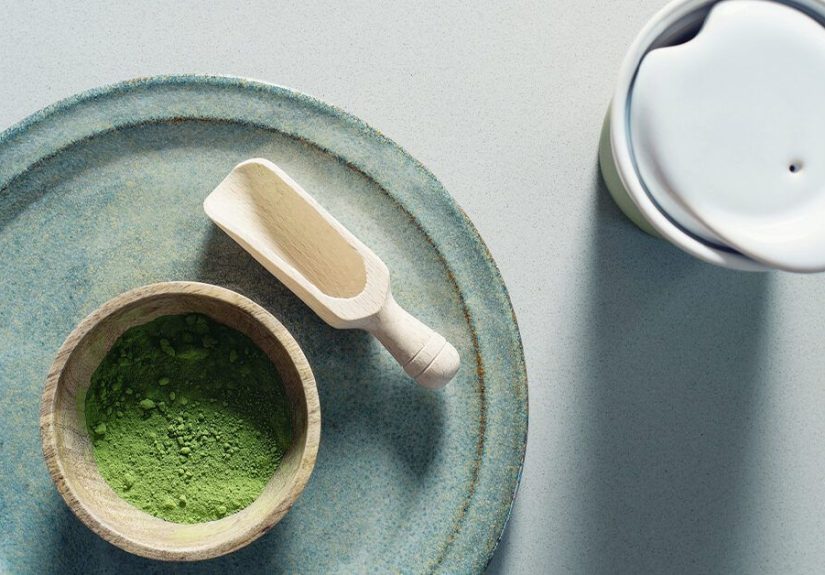
What makes matcha stand out is the way it is made. Traditional matcha is produced from shade-grown green tea leaves that are processed and then ground into a fine powder. Instead of steeping the leaves and discarding them, you whisk that powder directly into water or milk and drink the whole thing. Translation: you are not just dating the leaf, you are fully committing to it.
Because of that whole-leaf approach, matcha tends to deliver a more concentrated dose of both caffeine and other plant compounds than regular brewed green tea.
How much caffeine is in matcha?
There is no one magic number because matcha caffeine content varies. Brand quality, serving size, preparation style, and whether you are making a thin tea or a giant café latte all change the final amount.
Still, a practical rule of thumb is this: one serving of matcha often lands somewhere around 60 to 70 milligrams of caffeine per cup, especially when made with about 1 teaspoon of powder. Other expert sources put an 8-ounce cup of matcha in a wider range of about 38 to 89 milligrams.
How matcha compares with other drinks
- Regular green tea: usually less caffeine than matcha
- Black tea: often similar to or a little less than many matcha preparations
- Coffee: usually more caffeine than matcha
- Energy drinks: can vary wildly and may contain much more caffeine, plus added sugars or stimulants
If you are trying to picture it in real life, think of matcha as the beverage that stands between “gentle tea break” and “I just reorganized my garage at 6 a.m.” It is caffeinated enough to be noticeable, but often not as intense as coffee.
Why the numbers vary so much
Matcha is not one-size-fits-all. A ceremonial-grade matcha prepared traditionally with hot water may differ from a sweetened matcha mix bought for smoothies. A homemade cup with half a teaspoon of powder is not the same as a large coffeehouse latte made with multiple scoops. Some “matcha” drinks also include sugar, syrups, or additional tea concentrate, which can change both the caffeine content and the way the drink feels.
That is why reading labels matters, especially if you are caffeine-sensitive or stacking your matcha on top of coffee, soda, pre-workout powder, chocolate, and a heroic lack of sleep.
Why matcha feels different from coffee
One of the most interesting things about matcha is that people often describe the energy as more stable or focused than coffee. That does not mean the caffeine magically behaves like a yoga instructor, but it does mean matcha contains more than just caffeine.
Matcha also provides compounds such as L-theanine, an amino acid naturally found in tea. L-theanine has been linked to calmness, attention, and mental clarity. When paired with caffeine, it may help explain why some people say matcha gives them alertness without the same edgy, jittery feeling they get from coffee.
Now, let’s keep our halos properly adjusted here: matcha is not guaranteed to feel smooth for everyone. If you are very sensitive to caffeine, drink it on an empty stomach, or order a giant sugary matcha latte the size of a flower vase, you may still end up with the classic caffeine side effects.
But for many people, the combination of caffeine plus L-theanine is a big part of matcha’s appeal. It can feel like a more measured energy experience rather than a full-speed sprint into productivity panic.
Does matcha give you more energy?
Yes, matcha can increase alertness and help you feel more awake, because caffeine is a stimulant. That part is not especially mysterious. If you drink matcha in the morning or early afternoon, there is a good chance you will feel a lift in focus and energy.
Where people get confused is the idea that matcha provides “clean energy” or “endless natural energy.” Those are marketing phrases, not scientific measurements. Matcha can support alertness, but it is still a caffeinated drink, not a replacement for sleep, hydration, regular meals, or a life that includes occasional sunlight.
If you are choosing between coffee and matcha, your personal experience may depend on your tolerance. Someone who gets shaky after one small coffee may feel more comfortable with matcha. Someone who wants the strongest possible jolt before an early meeting may still prefer coffee.
Potential health benefits of matcha beyond caffeine
Matcha is often sold with a halo the size of a dinner plate, so it helps to separate what is promising from what is proven.
1. It contains antioxidants
Matcha contains catechins and other polyphenols, which are antioxidant compounds found in tea. Because matcha is made from powdered whole leaves, it may deliver these compounds in higher concentrations than standard brewed green tea.
That sounds impressive because it is impressive. But “contains antioxidants” should not be translated into “cures everything from bad Mondays to aging itself.” Antioxidants are part of an overall healthy eating pattern. They are not a magic wand.
2. It may support focus and concentration
The combination of caffeine and L-theanine may help with attention, alertness, and mental clarity. This is one of the more reasonable benefits to talk about because it matches what many people notice in daily life: they feel awake, but not always overly wired.
3. It may fit well into a balanced routine
Unsweetened matcha can be a low-calorie beverage choice, and it may be a satisfying alternative to sugary coffee drinks or energy drinks. If replacing a mega-sweet bottled drink with homemade matcha helps you cut sugar, that can be a practical win.
4. Some broader health claims are still being studied
You will often see matcha linked to heart health, metabolism, stress support, blood sugar balance, and brain health. There is research interest in those areas, but the evidence is not strong enough to treat matcha like a miracle product. Health organizations and academic sources repeatedly note that more human research is needed before big claims can be made confidently.
So yes, matcha may be a smart addition to a healthy diet. No, it is not a magical green portal to perfect wellness. Life remains unfairly more complicated than that.
Possible downsides of matcha
Even healthy-sounding drinks can have drawbacks, and matcha is no exception.
Caffeine side effects are still caffeine side effects
If you drink too much matcha, you may notice:
- jitters
- anxiety
- trouble sleeping
- fast heartbeat or palpitations
- headache
- nausea or stomach upset
These are not “matcha problems.” They are classic caffeine effects. Matcha just happens to be the messenger wearing a prettier outfit.
Sweetened matcha drinks can be sugar bombs
Many coffee shop matcha lattes are not just matcha plus milk. They may include sweetened premixes, vanilla syrup, flavored foam, or enough sugar to turn your calm tea ritual into dessert with a side of caffeine. If your goal is health, homemade or lightly sweetened matcha is usually the better move.
Some people should be more cautious
People who are pregnant are commonly advised to keep total caffeine intake under 200 milligrams per day. Since matcha counts toward that total, it is worth measuring portions rather than free-pouring powder like a culinary dare.
People who are especially sensitive to caffeine may also want to start small. So should anyone dealing with insomnia, anxiety, palpitations, high blood pressure concerns, or medication interactions. Green tea products can interact with certain medicines, and concentrated green tea extracts are not the same thing as casually drinking a cup of matcha.
Supplements are not the same as tea
It is important not to lump matcha tea together with green tea extract pills. Beverage forms of green tea are generally considered safe for most adults, while concentrated extracts have been linked to more safety concerns, including liver problems in rare cases. If someone is taking a supplement instead of just drinking tea, that is a different conversation.
How much matcha is reasonable in a day?
For most healthy adults, staying within overall caffeine guidance matters more than fixating on a single drink. Since general advice for adults often tops out around 400 milligrams of caffeine per day, one to two cups of matcha fits comfortably for many people.
In practical terms, 1 to 2 cups a day is a sensible range for many matcha drinkers. That amount gives you room for enjoyment without accidentally turning your beverage routine into a stimulant scavenger hunt.
If you also drink coffee, soda, black tea, energy drinks, or pre-workout products, your total can climb quickly. That is why “I only had one matcha” is sometimes a misleading sentence. It may have been one matcha on top of three other caffeinated things and a piece of dark chocolate. Suddenly your nervous system is hosting a music festival.
Best ways to enjoy matcha without overdoing it
Start with a smaller serving
If you are new to matcha, begin with about half a teaspoon to one teaspoon of powder. That helps you gauge both the taste and the caffeine effect.
Drink it earlier in the day
Because matcha contains caffeine, having it late in the afternoon or evening may interfere with sleep, especially if you are sensitive. Morning or early afternoon is usually the safer bet.
Watch the extras
Milk is fine if you enjoy it, but the bigger nutritional issue is usually added sugar. A homemade matcha latte with modest sweetness is very different from a large café order with syrup and whipped toppings.
Do not ignore how your body responds
Your friend may drink matcha after dinner and sleep like a baby wrapped in a weighted blanket. You may drink half a cup at 3 p.m. and spend the night reorganizing your thoughts in alphabetical order. Caffeine tolerance is personal. Your body gets a vote.
Everyday experiences with matcha: what people often notice
One reason the question “Does matcha have caffeine?” keeps coming up is that people do not just want a number. They want to know what the experience actually feels like.
A common first experience is the coffee swap. Someone who is tired of coffee jitters tries matcha expecting a miracle and finds something more realistic but still useful: a steadier lift. They may feel alert and focused, but not quite as buzzy. Instead of a fast caffeine spike followed by a crash, the energy can feel more gradual. That does not mean matcha is weak. It means the experience can feel less dramatic, which for many people is exactly the point.
Another familiar experience is the empty-stomach mistake. A person hears that matcha is “healthy,” drinks a strong cup first thing in the morning without food, and then wonders why they feel queasy, shaky, or weirdly over-caffeinated. Matcha may feel gentler than coffee for some people, but it is still caffeine. If you are sensitive, pairing it with breakfast or a snack can make a real difference.
Then there is the coffee shop illusion. Someone orders a matcha latte because it sounds like the lighter, healthier choice. Sometimes it is. Sometimes it is basically a sweet treat in a green disguise. If the drink is made with a sugary premix, flavored syrup, and multiple scoops of powder, the experience can be more “dessert with ambition” than “balanced wellness beverage.” People are often surprised to learn that the label “matcha” does not automatically mean low sugar or low caffeine.
There is also the ritual effect, which matters more than people give it credit for. Preparing matcha takes a minute. You scoop, sift, whisk, and actually pay attention. For some people, that small ritual becomes part of why matcha feels different. It is not just the caffeine content. It is the pace. Coffee can be a grab-and-go fuel source. Matcha often asks you to slow down for 60 seconds, and sometimes that alone changes the whole mood of the morning.
People who enjoy matcha regularly also tend to report one practical truth: quality changes the experience. Better matcha usually tastes smoother, less bitter, and easier to drink without a truckload of sweetener. Lower-quality powder can taste harsh, which leads people to pile in sugar, syrups, or creamers. At that point, they are not really evaluating matcha anymore; they are evaluating a sugar delivery system with green coloring and an attitude.
Finally, many people discover that matcha works best when it stays in its lane. It can be a great morning drink, a smart early-afternoon option, or a pleasant alternative when coffee feels too intense. But it is not a substitute for sleep, meals, stress management, or common sense. The best matcha experience usually comes from using it as a helpful part of a routine, not as a magical fix for being overworked, underslept, and running on vibes.
Final verdict
So, does matcha have caffeine? Yes. And not just a tiny ceremonial whisper of it. Matcha is a genuinely caffeinated drink that typically contains more caffeine than regular green tea and less than coffee.
That makes it a useful middle option for people who want a lift in energy and focus without always reaching for coffee. Its combination of caffeine, L-theanine, and antioxidant compounds gives it a unique appeal, and many people enjoy the more measured feel that comes with it.
Still, matcha is not automatically harmless just because it is green and photogenic. Portion size, preparation, caffeine sensitivity, added sugar, and your total daily intake all matter. If you like matcha, enjoy it. Just treat it like what it is: a caffeinated beverage with some genuine nutritional upside, not a magical leaf-based life upgrade.
In other words, matcha can absolutely be part of a healthy routine. Just maybe do not drink three giant iced matcha lattes at 8 p.m. and then blame the moon for your insomnia.