Table of Contents >> Show >> Hide
- What Is Cantaloupe?
- Cantaloupe Nutrition Facts
- Top Health Benefits of Cantaloupe
- Cantaloupe and Blood Sugar: Is It Too Sweet?
- Who Should Be Careful With Cantaloupe?
- Cantaloupe Food Safety: Wash the Rind Before Cutting
- How to Choose a Good Cantaloupe
- How to Store Cantaloupe
- Easy Ways to Eat More Cantaloupe
- Cantaloupe vs. Honeydew vs. Watermelon
- How Much Cantaloupe Should You Eat?
- Practical Experience: What Eating Cantaloupe Regularly Feels Like
- Conclusion
Cantaloupe is the fruit equivalent of a sunny day wearing a soft orange sweater. It is sweet, juicy, refreshing, and somehow manages to feel like dessert while quietly showing up with vitamins, minerals, antioxidants, water, and fiber. Not bad for a melon that usually gets sliced into cubes and asked to “just sit there” on a breakfast plate.
But cantaloupe deserves more attention than being the polite filler fruit at brunch. Also known as muskmelon, cantaloupe belongs to the same plant family as honeydew, watermelon, cucumber, pumpkin, and squash. Its orange flesh is a visual clue that it contains carotenoids, including beta-carotene, which the body can convert into vitamin A. Add a serious dose of vitamin C, a useful amount of potassium, natural hydration, and a low-calorie profile, and you have a fruit that works harder than its mellow personality suggests.
In this guide, we will explore cantaloupe nutrition facts, health benefits, food safety tips, smart serving ideas, and practical real-life ways to make this melon more than a summer sidekick.
What Is Cantaloupe?
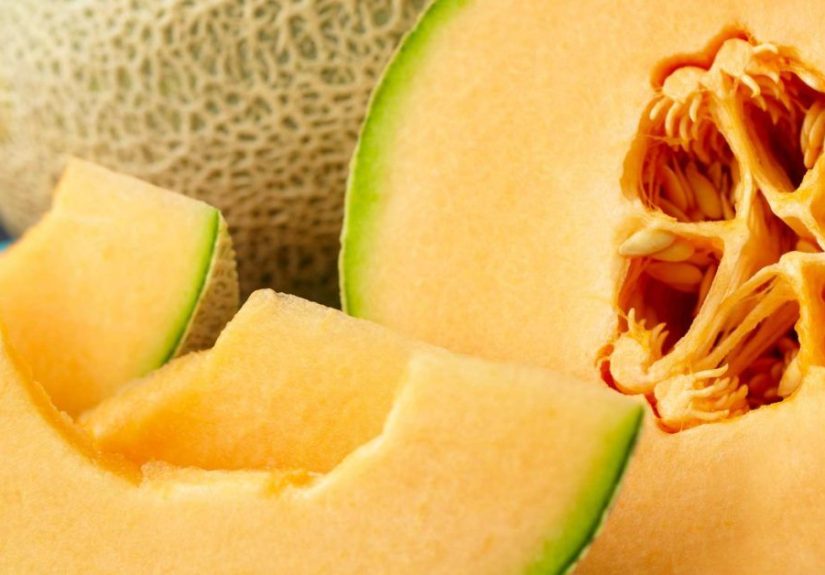
Cantaloupe is a type of muskmelon with a rough, netted rind and fragrant orange flesh. In the United States, the melon commonly sold as cantaloupe is often a North American muskmelon variety. True European cantaloupe has a smoother, greener rind, but unless you are entering a melon identity contest, the everyday supermarket version is what most Americans mean when they say “cantaloupe.”
Its flavor is mild, sweet, floral, and slightly earthy. A ripe cantaloupe should smell pleasantly sweet at the stem end, feel heavy for its size, and have a firm rind without soft, bruised, or moldy areas. If it smells like perfume mixed with regret, it may be overripe. If it smells like nothing, it may need more time.
Cantaloupe Nutrition Facts
A typical 1-cup serving of raw cantaloupe balls, about 177 grams, contains roughly 60 calories, 14.4 grams of carbohydrates, 1.6 grams of fiber, 1.5 grams of protein, almost no fat, about 65 milligrams of vitamin C, around 299 micrograms of vitamin A RAE, and approximately 473 milligrams of potassium. It is also more than 90% water, which helps explain why it tastes like nature installed a hydration system inside a fruit.
Key nutrients in cantaloupe
Vitamin C: Cantaloupe is an excellent source of vitamin C, a nutrient involved in immune function, collagen formation, antioxidant protection, and the absorption of non-heme iron from plant foods.
Vitamin A and beta-carotene: The orange color comes largely from carotenoids. Beta-carotene can be converted by the body into vitamin A, which supports vision, skin, immune health, and normal cell growth.
Potassium: Cantaloupe provides a meaningful amount of potassium, an electrolyte that supports fluid balance, muscle contraction, nerve signaling, and blood pressure regulation as part of an overall healthy eating pattern.
Water: With its high water content, cantaloupe is naturally refreshing and can help contribute to daily fluid intake, especially during warm weather or after exercise.
Fiber: Cantaloupe is not the highest-fiber fruit on the block, but it still contributes some dietary fiber, which supports digestion and helps make snacks more satisfying.
Top Health Benefits of Cantaloupe
1. Supports hydration
Cantaloupe is mostly water, making it a smart choice when you want something refreshing that is more exciting than another plain glass of water. This does not mean cantaloupe replaces drinking water, but it can help your daily hydration total, especially when paired with other water-rich foods such as cucumbers, berries, oranges, soups, and leafy greens.
Because cantaloupe also contains potassium and small amounts of other minerals, it can be especially enjoyable after a sweaty walk, a summer sports practice, or a day spent wondering why the steering wheel feels like a frying pan.
2. Helps support immune function
Vitamin C is one of cantaloupe’s biggest nutritional strengths. The body uses vitamin C for immune defense, tissue repair, and antioxidant activity. While eating cantaloupe will not turn your immune system into a superhero in a cape, it can be part of a nutrient-rich eating pattern that helps your body function well.
A simple example: a bowl of cantaloupe with Greek yogurt provides vitamin C, protein, probiotics, calcium, and hydration in one snack. That is much more useful than a vending machine cookie that mostly offers nostalgia and crumbs.
3. Promotes healthy skin
Skin health depends on many factors, including genetics, sleep, sun protection, hydration, and nutrition. Cantaloupe supports this picture through vitamin C and vitamin A precursors. Vitamin C is needed for collagen production, while vitamin A plays a role in maintaining normal skin tissues.
Of course, cantaloupe is not sunscreen, moisturizer, or magic. Eating it while skipping sunscreen is like bringing a paper umbrella to a thunderstorm. But as part of a balanced diet, it offers nutrients your skin can actually use.
4. Supports eye health
Cantaloupe contains beta-carotene, lutein, and zeaxanthin, carotenoids that are often discussed in relation to eye health. Vitamin A helps maintain normal vision, and carotenoids help protect tissues from oxidative stress. Orange fruits and vegetables such as cantaloupe, carrots, sweet potatoes, pumpkin, and mango are useful ways to add these colorful plant compounds to your diet.
For a practical meal idea, pair cantaloupe with spinach, avocado, and grilled chicken in a summer salad. The healthy fat from avocado can help the body absorb fat-soluble carotenoids more effectively.
5. Fits into a heart-healthy eating pattern
Cantaloupe contains potassium, vitamin C, fiber, and water while being naturally low in sodium and nearly fat-free. Potassium helps balance the effects of sodium and supports normal blood pressure when included in an overall diet rich in fruits, vegetables, beans, whole grains, low-fat dairy, nuts, seeds, and lean proteins.
This does not mean cantaloupe alone lowers blood pressure. No single fruit is a tiny orange cardiologist. But swapping a salty snack for a bowl of cantaloupe can move your day in a more heart-friendly direction.
6. Helps satisfy a sweet tooth with fewer calories
Cantaloupe tastes sweet because it contains natural sugars, but it comes packaged with water, vitamins, minerals, and fiber. That makes it different from candy, pastries, or sugary drinks, where sweetness often arrives with fewer nutrients and more calories.
If you crave something sweet after dinner, chilled cantaloupe with a squeeze of lime can feel like dessert without needing a complicated recipe. Add mint if you want it to look like you planned your life better than the rest of us.
7. Supports digestion
Cantaloupe provides water and a small amount of fiber, both of which support regular digestion. It is gentle for many people and easy to include in breakfast, snacks, smoothies, salads, and picnic meals. If you are not used to eating much fruit, start with a moderate portion and see how your body responds.
People with sensitive digestion may find that very large servings of fruit can cause bloating or discomfort. The solution is not to declare war on fruit. It is to enjoy a reasonable serving and pair it with protein or healthy fat when needed.
Cantaloupe and Blood Sugar: Is It Too Sweet?
Cantaloupe contains natural sugar, but a typical serving is moderate in calories and carbohydrates. One cup has about 14 grams of carbohydrates, along with water, fiber, vitamin C, potassium, and carotenoids. For most healthy people, cantaloupe can fit comfortably into a balanced diet.
For people managing diabetes or blood sugar concerns, portion size and pairing matter. Eating cantaloupe by itself may be fine for some people, but pairing it with protein or fat can make the snack more balanced. Try cantaloupe with cottage cheese, plain Greek yogurt, a boiled egg, turkey slices, or a handful of nuts. The goal is not to make fruit scary; the goal is to build a snack that keeps you satisfied longer.
Who Should Be Careful With Cantaloupe?
Cantaloupe is safe and healthy for most people, but a few groups should pay attention.
People with kidney disease or potassium restrictions
Cantaloupe contains potassium. For most people, potassium from fruits and vegetables is beneficial. However, people with kidney disease or those on a medically prescribed low-potassium diet should ask a healthcare professional how much cantaloupe is appropriate.
People taking certain medications
Some medications can affect potassium levels. If your doctor has told you to monitor potassium, do not dramatically increase cantaloupe or other high-potassium foods without guidance.
People with melon allergies
Some people may react to cantaloupe, especially those with pollen-food allergy syndrome. Symptoms can include itching or tingling in the mouth, throat irritation, or other allergic signs. Anyone with a known allergy should avoid cantaloupe and speak with a healthcare professional.
Pregnant people, older adults, and immunocompromised individuals
Because melons can be linked to foodborne illness when mishandled, people at higher risk should be especially careful with washing, cutting, storing, and refrigerating cantaloupe.
Cantaloupe Food Safety: Wash the Rind Before Cutting
Here is the part many people skip: wash the outside of the cantaloupe before cutting it. Yes, even though you do not eat the rind. The rough, netted skin can hold dirt and bacteria, and a knife can drag those germs from the surface into the flesh.
For safer preparation, wash your hands first. Rinse the whole melon under running water. Scrub the rind with a clean produce brush. Dry it with a clean towel. Use a clean cutting board and knife. After cutting, refrigerate the pieces promptly in a covered container.
Do not wash cantaloupe with soap, detergent, bleach, or random kitchen potions invented by the internet. Plain running water and scrubbing are the recommended approach. Your fruit does not need a bubble bath.
How to Choose a Good Cantaloupe
A good cantaloupe should feel heavy for its size, have a sweet but not sour aroma, and show a dry stem end. The rind should be firm and netted, without large bruises, cracks, mold, or mushy spots. A slightly golden background color can be a good sign of ripeness.
Avoid melons that feel overly soft, smell fermented, or have wet spots. If the melon looks like it has been through a wrestling match, choose another one.
How to Store Cantaloupe
Whole, uncut cantaloupe can usually sit at room temperature for a short period until ripe, but once it is cut, it should be refrigerated. Store cut pieces in an airtight container and eat them within a few days for best quality and safety.
If you buy pre-cut cantaloupe, choose packages that are refrigerated or displayed on ice. Avoid containers with excess liquid, strange odor, or pieces that look slimy or dull.
Easy Ways to Eat More Cantaloupe
Cantaloupe breakfast bowl
Combine cantaloupe cubes with plain Greek yogurt, berries, chopped walnuts, and a sprinkle of cinnamon. It is creamy, sweet, crunchy, and far more interesting than staring at dry toast.
Cantaloupe smoothie
Blend cantaloupe with frozen strawberries, plain yogurt, lime juice, and a few ice cubes. For extra staying power, add chia seeds or protein-rich yogurt.
Cantaloupe salad
Mix cantaloupe with cucumber, mint, lime juice, black pepper, and a little feta cheese. The sweet-salty combination makes it feel restaurant-worthy with almost no effort.
Cantaloupe salsa
Dice cantaloupe with red onion, jalapeño, cilantro, lime juice, and a pinch of salt. Serve it with grilled chicken, fish tacos, or black bean bowls.
Frozen cantaloupe cubes
Freeze cantaloupe chunks and use them in smoothies or sparkling water. They act like fruity ice cubes and make ordinary drinks look suspiciously fancy.
Cantaloupe vs. Honeydew vs. Watermelon
All three melons can be part of a healthy diet, but they differ nutritionally. Cantaloupe is especially strong in vitamin C, beta-carotene, and vitamin A activity. Honeydew is sweet and hydrating but usually lower in vitamin A. Watermelon is famous for hydration and lycopene, a red pigment with antioxidant properties.
The best choice depends on what you like and what you need. If you want more vitamin A and vitamin C, cantaloupe is a strong pick. If you want maximum watermelon-at-a-picnic happiness, watermelon wins because traditions have power. If you want variety, eat all three and let the fruit bowl become a tiny melon democracy.
How Much Cantaloupe Should You Eat?
For most people, one cup of cantaloupe is a reasonable serving. It works as a snack, side dish, smoothie ingredient, or breakfast addition. Adults are generally encouraged to eat fruit daily as part of a balanced diet, and cantaloupe can help meet that goal.
Eating a lot of cantaloupe at once may cause digestive discomfort for some people, especially if they are not used to fruit or fiber. Moderation keeps the melon enjoyable instead of turning your afternoon into a stomach negotiation meeting.
Practical Experience: What Eating Cantaloupe Regularly Feels Like
From a practical, everyday eating perspective, cantaloupe is one of those foods that becomes much easier to enjoy when it is prepared ahead of time. A whole melon sitting on the counter can feel like a project. A container of washed, cut cantaloupe in the refrigerator feels like a ready-made snack. That difference matters, especially during busy weeks when the easiest food usually wins.
One useful habit is to wash and cut cantaloupe soon after buying it. After scrubbing the rind and slicing the melon, divide it into clear containers. Suddenly, it is easy to add to breakfast, pack in a lunchbox, or grab after school, work, sports, errands, or whatever daily chaos is currently asking for snacks. Cantaloupe is also gentle on the budget when bought whole in season, often giving several servings from one melon.
Another real-world advantage is that cantaloupe pairs well with both sweet and savory foods. For breakfast, it works with yogurt, oats, cottage cheese, granola, berries, and nuts. For lunch, it can sit beside a turkey sandwich or become part of a salad with cucumber, greens, and feta. For dinner, it can brighten grilled chicken, shrimp, fish, or rice bowls. It is not dramatic, but it brings freshness to meals that might otherwise taste a little too beige.
Cantaloupe can also help people who want a sweet snack without reaching for candy every time. Its natural sweetness is satisfying, especially when the melon is cold and ripe. A bowl of chilled cantaloupe after dinner can hit the “I want something sweet” button without turning the evening into a cookie excavation mission. Add lime juice, mint, or a spoonful of yogurt, and it feels more like a planned dessert than a compromise.
Texture matters, too. A perfect cantaloupe is juicy but not mushy, firm but not crunchy, fragrant but not fermented. When it is underripe, it tastes like disappointment wearing orange. When it is overripe, it can become too soft and overly perfumed. The sweet spot is a melon that smells pleasant, feels heavy, and gives slightly at the stem end without collapsing like a tired sofa.
For families, cantaloupe is easy to serve in kid-friendly shapes: cubes, wedges, melon balls, skewers, or smoothie blends. For athletes or active people, it makes a refreshing post-workout snack when paired with protein. For anyone trying to eat more fruit, it is approachable because it is sweet, familiar, and easy to combine with other foods.
The main lesson from regular cantaloupe eating is simple: preparation decides whether it becomes part of your routine. Buy it ripe, wash it carefully, cut it safely, chill it properly, and pair it creatively. Do that, and cantaloupe stops being the forgotten melon on the fruit tray and becomes a genuinely useful, delicious, nutrient-rich food.
Conclusion
Cantaloupe is more than a juicy summer fruit. It is a low-calorie, water-rich, nutrient-packed food that provides vitamin C, vitamin A activity, potassium, antioxidants, and gentle fiber. It can support hydration, immune function, skin health, eye health, heart-friendly eating, and better snack choices when included as part of a balanced diet.
The biggest caution is food safety. Because cantaloupe has a rough rind and is often eaten raw, it should be washed, scrubbed, cut on clean surfaces, and refrigerated after slicing. With a little care, cantaloupe can be one of the easiest ways to add color, sweetness, and real nutrition to your day.