Table of Contents >> Show >> Hide
- Why the Epstein Documents Became Such a Big Deal
- What Was Actually Released?
- The Meaning of “Eye-Opening”
- Why the Public Expected a “List”
- High-Profile Names and the Caution They Require
- The Role of Survivors in Keeping the Case Alive
- How the 2024 Document Release Changed the Conversation
- What Later Epstein File Releases Added
- Why This Story Still Matters
- Lessons From the Epstein Documents
- Experiences and Reflections Related to the Epstein Document Release
- Conclusion
When headlines promised that “hundreds of people associated with Jeffrey Epstein” would be exposed, the internet reacted exactly as expected: with curiosity, outrage, speculation, and enough keyboard detective work to power a small city. But the truth behind the court documents is more complicated than a viral headline suggests.
The phrase “associated with Jeffrey Epstein” can mean many different things. It may refer to a witness, an employee, a victim, a person mentioned in testimony, a business contact, a political figure, a celebrity, or someone whose name appeared in a document for reasons that do not suggest wrongdoing. That distinction matters. In the Epstein case, where public anger is justified and misinformation spreads at Olympic speed, careful language is not just politeit is necessary.
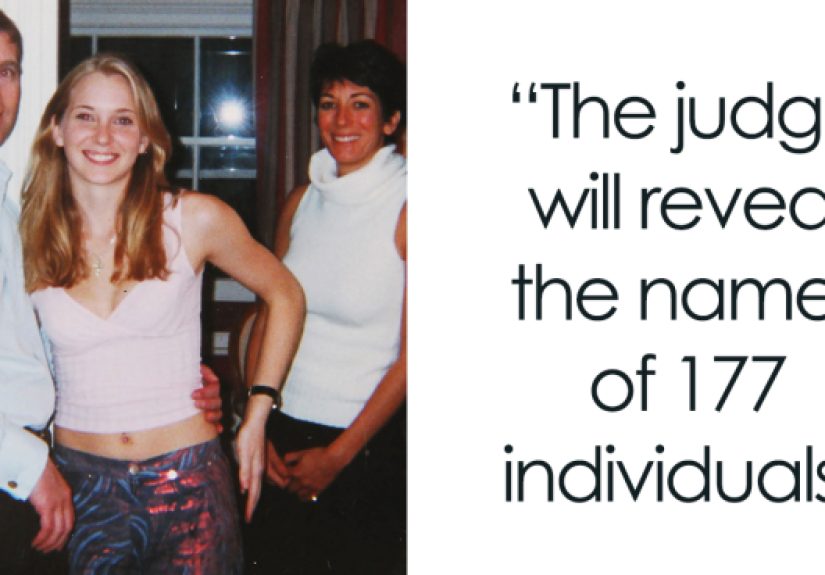
The release of previously sealed court documents in early 2024 reopened one of the most disturbing and scrutinized scandals in modern American history. The files came from a civil lawsuit involving Virginia Giuffre and Ghislaine Maxwell, a case that had long been settled but continued to generate legal fights over what the public had a right to see. U.S. District Judge Loretta Preska ordered the disclosure of more than 150 names, many of which had already appeared in previous reporting or court proceedings.
Still, the public reaction was enormous. People wanted accountability. They wanted answers. They wanted to know how Epstein, a convicted sex offender with access to powerful circles, managed to maintain influence for years despite allegations that should have ended his freedom much earlier. The newly unsealed documents did not provide a neat “client list,” but they did add more texture to a story already filled with institutional failure, elite access, victim testimony, and legal secrecy.
Why the Epstein Documents Became Such a Big Deal
Jeffrey Epstein’s name became shorthand for a broader fear: that wealth and influence can build a private escape hatch from ordinary accountability. Epstein was first investigated in Florida years before his 2019 federal arrest. In 2008, he received a controversial plea deal that allowed him to plead guilty to state prostitution-related charges, serve time in a county jail, and avoid more serious federal prosecution at the time. That deal later became one of the most criticized decisions in the history of modern sex-crime enforcement.
Years later, renewed investigative reporting and survivor testimony pushed the case back into public view. In 2019, federal prosecutors in New York charged Epstein with sex trafficking and sex trafficking conspiracy involving minors. He died by suicide in federal custody in August 2019 before he could stand trial. His death only intensified the public’s demand for transparency because it left many questions unanswered and many victims without the courtroom reckoning they deserved.
Ghislaine Maxwell, Epstein’s longtime associate, was later convicted in federal court on sex trafficking-related charges and sentenced to 20 years in prison. Her conviction was a major legal outcome, but many observers still asked whether the larger network of people around Epstein had been fully examined. That is why every new document release became a national event. It was not just about names. It was about whether the justice system had finally decided to turn on the lights.
What Was Actually Released?
The unsealed material included deposition excerpts, legal motions, emails, witness statements, and other filings from the Giuffre-Maxwell civil litigation. Some names belonged to prominent public figures. Others belonged to Epstein employees, alleged victims, witnesses, pilots, assistants, lawyers, journalists, and people with only a passing connection to the case.
This is where the story gets tricky. A name appearing in the Epstein documents does not automatically mean that person committed a crime, participated in abuse, or even knew about Epstein’s criminal conduct. Some people were mentioned because they attended social events. Some were referenced in testimony. Some were named by witnesses. Some were discussed because lawyers were trying to establish timelines, relationships, or credibility. The public may crave a simple villain board with red string and dramatic music, but court records rarely work like a true-crime streaming trailer.
That does not make the documents unimportant. Quite the opposite. They help show how Epstein moved through elite social and financial environments. They also show how victims, lawyers, reporters, and courts spent years trying to extract information from a case protected by privacy claims, sealed filings, settlement agreements, and institutional caution.
The Meaning of “Eye-Opening”
The phrase “It should be eye-opening” captures the public mood around the release. Many people expected a shocking roster of names that would instantly explain who enabled Epstein and who escaped responsibility. But the most eye-opening part of the documents may not be one celebrity name or one political connection. It may be the larger pattern: Epstein’s ability to build credibility through proximity to power.
Epstein cultivated relationships with politicians, scientists, business leaders, royals, academics, financiers, and celebrities. Some may have known him only socially. Some benefited from his donations or introductions. Others have faced allegations, lawsuits, or public scrutiny. But the broader lesson is that access itself can become a shield. When a person is surrounded by important people, institutions sometimes hesitate. Doors stay open. Questions get softened. Warning signs are treated like awkward background noise instead of fire alarms.
That is what makes the Epstein scandal so enduring. It is not only a criminal case. It is a case study in how prestige can blur judgment, how victims can be ignored, and how systems built to protect the vulnerable can be slowed by money, status, and legal muscle.
Why the Public Expected a “List”
Few words have fueled more confusion in this case than “list.” Many people believed the unsealed documents would reveal a formal Epstein “client list” naming powerful people who allegedly abused minors. Public officials and investigators have repeatedly said no verified, official client list has been found. That does not mean Epstein had no powerful connections. He clearly did. It means the public should distinguish between documented associations, witness allegations, flight logs, contact books, social photographs, and proven criminal conduct.
That distinction is not a technicality. It is the difference between transparency and a digital mob. Survivors deserve serious investigation, not rumor-driven chaos. The public deserves records, not recycled speculation dressed up as breaking news. And people mentioned in documents deserve accuracy, even when the larger story makes everyone want to grab a pitchfork and a strong cup of coffee.
High-Profile Names and the Caution They Require
Some famous names appeared in Epstein-related records because they had social contact with him, traveled in overlapping circles, or were mentioned in testimony. Former presidents, members of royalty, entertainers, lawyers, academics, business executives, and other public figures have all been discussed in connection with Epstein’s world. Some have denied wrongdoing. Some were never accused of misconduct in the documents. Others have faced serious allegations in civil filings or public statements.
For readers, the safest and most responsible approach is simple: ask what the document actually says. Is the person accused of abuse? Is the person merely mentioned? Is the information sworn testimony, a legal argument, a media report, a flight log, or a secondhand claim? Was the allegation tested in court? Was it denied? Was it settled without admission of liability? These questions may not be as satisfying as a viral post, but they are how responsible journalism avoids turning a search for justice into a rumor buffet.
The Role of Survivors in Keeping the Case Alive
The Epstein story did not remain in the public eye because institutions were naturally eager to revisit their failures. It stayed alive because survivors, investigative journalists, attorneys, and advocates kept pushing. Survivors gave testimony, challenged powerful people, and repeatedly forced the legal system to confront facts that had been buried, minimized, or delayed.
The public often focuses on famous names, but the moral center of the case is not celebrity proximity. It is the harm done to girls and young women. The most important records are not gossip artifacts; they are pieces of a larger story about exploitation, coercion, grooming, silence, and survival. Every headline about “names exposed” should remember that behind the documents are people whose lives were changed long before the internet discovered the court docket.
How the 2024 Document Release Changed the Conversation
The 2024 release did not deliver the clean, explosive revelation some online communities predicted. Instead, it offered something less cinematic but more useful: a clearer view of the legal record. It confirmed that many names had been kept sealed for privacy reasons, that not every redaction involved a suspected wrongdoer, and that public assumptions about the documents were often far ahead of the evidence.
It also reminded readers that transparency is rarely a single dramatic moment. It is usually a slow process: a filing unsealed here, a deposition released there, a government archive opened years later, a judge balancing privacy against public interest, a reporter connecting details that once seemed unrelated. The Epstein case has unfolded like a locked filing cabinet being opened one drawer at a time. No wonder people are impatient. But impatience is not a substitute for accuracy.
What Later Epstein File Releases Added
After the 2024 court-document release, public pressure continued. Lawmakers, journalists, survivor advocates, and watchdog groups demanded broader disclosure of government-held Epstein records. In 2025, the Epstein Files Transparency Act required the Justice Department to release unclassified records related to Epstein, with protections for victims and sensitive information. By 2026, the Justice Department had created a public Epstein library and released millions of pages of responsive material.
These later releases expanded the universe of available documents but did not erase the central challenge: more paper does not automatically equal more clarity. Large document dumps can overwhelm readers, bury important details, and create fresh opportunities for misinterpretation. Redactions may protect victims, but they can also fuel suspicion. A record may mention a public figure without proving wrongdoing. A flight log may show travel without explaining conduct. A contact entry may indicate access, not guilt.
In other words, the Epstein files are not a magic decoder ring. They are evidence, leads, context, and history. They require careful reading.
Why This Story Still Matters
The Epstein scandal remains relevant because it touches several issues Americans still argue about: sex trafficking, elite impunity, prosecutorial discretion, sealed court records, victim privacy, political trust, and the public’s right to know. It also exposes a tension at the heart of modern media. People want transparency, but they also want speed. They want justice, but they sometimes confuse accusation with proof. They want documents, but many do not read past the headline.
That is why the story should be covered with both urgency and restraint. Urgency, because the crimes were serious and the institutional failures were real. Restraint, because sloppy reporting can harm victims, mislead readers, and give bad actors a way to dismiss legitimate scrutiny as conspiracy noise.
Lessons From the Epstein Documents
1. Association Is Not the Same as Guilt
One of the most important lessons is also the least glamorous: being named in court documents is not proof of criminal conduct. Some people were listed because they were witnesses, victims, employees, or peripheral contacts. Responsible coverage must separate documented facts from assumptions.
2. Secrecy Can Protect Privacy, but It Can Also Protect Power
Courts often seal names to protect victims, minors, and sensitive personal information. That protection is essential. But secrecy can also delay accountability when powerful people are involved. The difficult task is to release what the public has a right to know without exposing survivors to further harm.
3. Institutions Failed Before the Internet Got Involved
Long before hashtags and viral threads, police reports, federal investigations, and survivor accounts existed. The failure was not that people suddenly became curious. The failure was that credible warnings did not produce adequate consequences early enough.
4. Survivors Should Not Become Background Characters
The public fascination with famous names can push survivors out of the frame. That is backwards. The core story is not who attended a dinner, appeared in a contact book, or posed for a photograph. The core story is how girls and young women were exploited and why the systems around them did not stop it sooner.
Experiences and Reflections Related to the Epstein Document Release
For many readers, following the Epstein document release felt like standing in front of a foggy window while someone slowly wiped away small circles of glass. You could see pieces of the room, but never the whole thing at once. That experience created frustration, suspicion, and a strange kind of collective obsession. People refreshed news sites, downloaded PDFs, searched names, compared timelines, and tried to understand how one man’s network could stretch across so many powerful spaces.
One common experience was the shock of realizing how ordinary some of the enabling structures appeared. Epstein’s world was not only private islands and famous dinner guests. It was scheduling, travel, assistants, banking relationships, legal settlements, social introductions, donations, and professional favors. The machinery of access can look boring on paper, which is exactly why it can be so effective. Not every system of power announces itself with dramatic music. Sometimes it arrives as a calendar invite.
Another experience was emotional whiplash. Readers wanted explosive revelations, but many documents required slow, careful interpretation. A person might be named in one filing, denied wrongdoing in another, and appear only tangentially in a third. Online, those distinctions often collapsed into one loud sentence: “They were in the files.” That phrase became both powerful and dangerous. It could signal legitimate public interest, or it could flatten the truth into clickbait.
The document release also forced people to confront how difficult justice can be when crimes involve wealth, trauma, and time. Many survivors had spent years trying to be believed. Some allegations were investigated. Some were disputed. Some were never tested in a criminal trial because Epstein died before trial. For the public, that leaves an uncomfortable space between knowing serious abuse occurred and not having every answer about who knew what, when they knew it, and what they did or failed to do.
There is also a media-literacy lesson here. Reading Epstein-related documents is not like reading a finished history book. Court files are messy. They include claims, denials, procedural arguments, exhibits, redactions, and fragments of testimony. A responsible reader has to slow down. Who is speaking? Under what legal context? Is the statement firsthand or secondhand? Has the claim been corroborated? Is the person named as an alleged participant, a witness, a victim, or simply someone who crossed paths with Epstein?
That slower approach may feel less exciting than viral certainty, but it is more respectful to the truth. It is also more respectful to survivors. The goal should not be to turn their trauma into an online scavenger hunt. The goal should be accountability, transparency, and a better understanding of how exploitation was allowed to continue.
Perhaps the most eye-opening experience is realizing that the Epstein case is not only about Epstein. It is about how society treats allegations against powerful people, how institutions respond to victims, how money shapes credibility, and how the public processes scandal in the age of instant outrage. The documents matter, but the bigger question remains: what changes after we read them?
Conclusion
The release of Epstein-related names and documents was eye-opening, but not always in the way viral headlines promised. It did not produce a simple, verified “client list” that solved every mystery. Instead, it revealed a complex legal record filled with victims, witnesses, employees, public figures, allegations, denials, and unanswered questions.
The responsible takeaway is not to look away, and not to leap blindly. The public should demand transparency while protecting survivors. Journalists should investigate aggressively while avoiding careless accusations. Readers should question power while also questioning viral shortcuts. In a case this serious, accuracy is not a luxury. It is part of justice.
Note: This article is based on publicly available court records, official Justice Department information, and reputable U.S. reporting. It uses careful wording because a person being named in Epstein-related documents does not automatically mean that person was accused of or committed wrongdoing.