Table of Contents >> Show >> Hide
- What Is Reclast?
- What Is Reclast Used For?
- How Reclast Works for Osteoporosis
- Who Might Be a Good Candidate for Reclast?
- Who Should Not Take Reclast?
- What Happens Before a Reclast Infusion?
- What to Expect During the Infusion
- Common Side Effects of Reclast
- Serious Risks and Warnings
- Reclast vs. Oral Bisphosphonates
- How Long Do People Stay on Reclast?
- Can Reclast Be Combined With Other Osteoporosis Strategies?
- Questions to Ask Your Doctor Before Reclast
- Real-World Experience: What Reclast May Feel Like
- Conclusion
- SEO Tags
Reclast for osteoporosis is one of those medications that sounds more dramatic than it looks. The appointment may involve an IV line, a chair, and a healthcare professional who has probably answered the same “Will this make me feel weird?” question 600 times. But behind that simple once-a-year infusion is a powerful osteoporosis treatment called zoledronic acid, a bisphosphonate designed to slow bone loss, improve bone mineral density, and reduce fracture risk in certain people.
Osteoporosis is often called a “silent disease” because bones can become thin and fragile without making much noiseuntil a fracture arrives like an uninvited guest with muddy shoes. Reclast is used to help lower that risk, especially in postmenopausal women with osteoporosis, men with osteoporosis, and people whose bones are weakened by long-term glucocorticoid medicine such as prednisone.
This guide explains what Reclast is, how it works, who may be a candidate, common side effects, serious warnings, preparation tips, and what the experience may feel like from a patient’s point of view.
What Is Reclast?
Reclast is the brand name for zoledronic acid injection. It belongs to a class of medications called bisphosphonates. These drugs help reduce bone breakdown by acting on osteoclasts, the cells responsible for resorbing old bone tissue.
Bone is not a dusty museum exhibit sitting still inside your body. It is living tissue that constantly breaks down and rebuilds. In osteoporosis, breakdown can outpace rebuilding, leaving bones weaker and more likely to fracture. Reclast helps slow that breakdown, allowing bone density to improve or remain more stable over time.
What Is Reclast Used For?
Reclast is used for several bone-related conditions, but this article focuses mainly on osteoporosis. Approved uses include:
- Treatment of osteoporosis in postmenopausal women
- Prevention of osteoporosis in postmenopausal women
- Treatment to increase bone mass in men with osteoporosis
- Treatment and prevention of glucocorticoid-induced osteoporosis
- Treatment of Paget’s disease of bone
For osteoporosis treatment, Reclast is usually given as a 5 mg intravenous infusion once yearly. For prevention of postmenopausal osteoporosis, it may be given once every two years. The infusion must be administered over no less than 15 minutes.
How Reclast Works for Osteoporosis
Reclast works by slowing bone resorption. Think of bone remodeling like a construction crew: some workers tear down old material, while others build new structure. In osteoporosis, the demolition team can become a little too enthusiastic. Reclast helps calm that crew down.
By reducing excessive bone breakdown, Reclast can help increase bone mineral density at important fracture-prone sites such as the spine and hip. Clinical studies of zoledronic acid have shown reductions in vertebral, hip, and other osteoporosis-related fractures in appropriate patients.
Who Might Be a Good Candidate for Reclast?
A healthcare provider may consider Reclast for someone who has osteoporosis and a high risk of fracture. It may be especially useful for people who cannot tolerate oral bisphosphonate pills such as alendronate or risedronate, or for those who have trouble following the strict dosing rules for oral osteoporosis medications.
Oral bisphosphonates often require taking the pill first thing in the morning with plain water, remaining upright, and avoiding food or other medicines for a period of time. Reclast skips that weekly or monthly routine and replaces it with a once-yearly infusion. For some people, that is wonderfully convenient. For others, the idea of an IV is less charming. Bone medicine, like shoes, needs the right fit.
Who Should Not Take Reclast?
Reclast is not right for everyone. People should not receive Reclast if they have:
- Low blood calcium, also called hypocalcemia
- Severe kidney impairment, including creatinine clearance below 35 mL/min
- Evidence of acute kidney injury
- A known serious allergy to zoledronic acid or ingredients in Reclast
Reclast is also not used in children. People who are pregnant, planning pregnancy, or breastfeeding should discuss risks carefully with a healthcare professional. The medication can remain in bone for a long time, so reproductive planning matters.
What Happens Before a Reclast Infusion?
Before each dose, clinicians typically check kidney function with blood tests, including serum creatinine and calculated creatinine clearance. This is not a “nice extra”; it is a key safety step because zoledronic acid is cleared through the kidneys.
A prescriber may also perform or recommend an oral examination before starting treatment. This is because rare jawbone problems, known as medication-related osteonecrosis of the jaw, have been reported with bisphosphonates. The risk is low in osteoporosis dosing, but good dental health is still part of smart planning.
Hydration Matters
Patients are usually advised to be well hydrated before the infusion. This does not mean arriving after drinking enough water to float a kayak, but dehydration is not ideal. Your healthcare team may provide specific instructions based on your health history.
Calcium and Vitamin D
Reclast works best as part of a broader bone-health plan. Many patients are advised to get adequate calcium and vitamin D through diet or supplements. For osteoporosis patients, an average intake of at least 1,200 mg calcium and 800 to 1,000 IU vitamin D daily is commonly recommended when dietary intake is inadequate. The exact amount should be individualized, especially for people with kidney stones, kidney disease, high calcium levels, or other medical concerns.
What to Expect During the Infusion
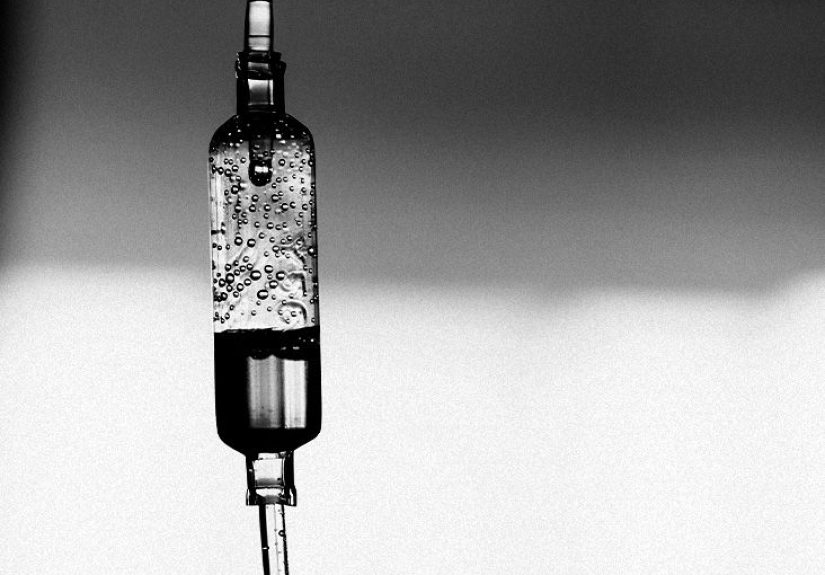
The Reclast infusion itself is usually straightforward. A healthcare professional places an IV line, connects the medication, and administers it over at least 15 minutes. The appointment may take longer because of check-in, preparation, monitoring, and paperworkthe true Olympic sport of modern healthcare.
Some people bring a book, headphones, or a snack if allowed. Others simply sit back and enjoy the rare chance to be unavailable for chores. After the infusion, patients may be monitored briefly, then sent home with instructions about hydration, possible side effects, and when to call the doctor.
Common Side Effects of Reclast
The most common Reclast side effects often happen within the first few days after the infusion. These are sometimes called acute-phase reactions. They can feel like a flu-ish response and may include:
- Fever
- Chills
- Headache
- Muscle aches
- Joint pain
- Bone pain
- Tiredness
- Nausea
For many people, these symptoms are temporary and improve within several days. Some clinicians recommend acetaminophen after the infusion to reduce fever or body aches, but patients should follow their own provider’s advice, especially if they have liver disease or take other medications.
Serious Risks and Warnings
Most people who receive Reclast do not experience severe complications, but the serious risks deserve clear attention. No one wants medical surprises, except maybe finding out your insurance covered more than expected.
Kidney Problems
Reclast can affect kidney function, especially in people who already have kidney disease, are dehydrated, are older, use diuretics, or take medications that can stress the kidneys. This is why kidney testing before each infusion is so important.
Low Calcium
Zoledronic acid may worsen low calcium levels. Symptoms of low calcium can include muscle cramps, tingling around the mouth, numbness, or spasms. Patients with low calcium should have it corrected before receiving Reclast.
Jawbone Problems
Medication-related osteonecrosis of the jaw is rare in people taking osteoporosis-dose bisphosphonates, but it has been reported. Risk may be higher in people undergoing invasive dental procedures, those with poor oral health, denture problems, cancer treatment, steroid use, or longer exposure to antiresorptive drugs. Maintaining regular dental care and telling both your dentist and prescriber about Reclast is wise.
Unusual Thigh Bone Fractures
Rare atypical femur fractures have been reported with long-term bisphosphonate use. Patients should tell their healthcare provider about new or unusual thigh, hip, or groin pain.
Eye Inflammation
Rare eye problems such as uveitis, iritis, or conjunctivitis have been reported with bisphosphonates. Eye pain, redness, light sensitivity, or vision changes after an infusion should be evaluated promptly.
Reclast vs. Oral Bisphosphonates
Reclast and oral bisphosphonates share the same general goal: reducing bone breakdown and fracture risk. The biggest difference is delivery. Reclast is an IV infusion, while alendronate and risedronate are pills.
Reclast may be appealing for people who have digestive side effects from oral bisphosphonates, difficulty swallowing pills, or trouble following the oral dosing schedule. However, the IV route does not make it “stronger for everyone” or automatically better. It simply offers a different risk-benefit profile.
How Long Do People Stay on Reclast?
The best duration of Reclast therapy depends on fracture risk, bone density results, age, fracture history, and other medical factors. Many guidelines recommend reassessing bisphosphonate therapy after several years. For annual IV zoledronic acid, reassessment is often considered after about three years.
Some lower-risk patients may be candidates for a temporary break, often called a bisphosphonate holiday. Higher-risk patients may need continued treatment or a different osteoporosis medication. This decision should be made with a clinician, not with a calendar and a hopeful shrug.
Can Reclast Be Combined With Other Osteoporosis Strategies?
Yes, Reclast is usually only one piece of a bone-health plan. Stronger bones are built with medication, nutrition, movement, fall prevention, and monitoring.
Bone-Friendly Habits
- Eat calcium-rich foods such as dairy, fortified plant milks, tofu, leafy greens, and canned fish with bones.
- Get enough vitamin D through food, supplements, or safe sun exposure as advised by a clinician.
- Practice weight-bearing exercise, such as walking or stair climbing.
- Add strength training when appropriate.
- Reduce fall risks at home by improving lighting, removing loose rugs, and using supportive footwear.
- Avoid smoking and limit heavy alcohol use.
Medication helps, but it cannot move the laundry basket out of the hallway. Fall prevention is practical osteoporosis care.
Questions to Ask Your Doctor Before Reclast
Before starting Reclast, consider asking:
- What is my fracture risk?
- What did my bone density scan show?
- Is my kidney function safe for Reclast?
- Do I need dental work before treatment?
- How much calcium and vitamin D should I take?
- What side effects should I expect after the first infusion?
- How will we know if Reclast is working?
- When should we reassess treatment?
Real-World Experience: What Reclast May Feel Like
Experiences with Reclast vary widely. Some people describe the infusion day as surprisingly uneventful: they arrive, answer screening questions, get the IV, sit for a short infusion, and go home wondering why they worried so much. Others feel wiped out afterward, especially after the first dose. The most common “story arc” sounds something like this: nervous before the appointment, relieved during the infusion, achy for a day or two, then back to normal.
A typical patient experience might begin with hesitation. Osteoporosis often feels abstract until a scan result or fracture makes it real. Someone may think, “But I feel finehow can my bones be a problem?” That is exactly what makes osteoporosis tricky. Bones do not usually send daily progress reports. Reclast can feel like a proactive step: not glamorous, not exciting, but potentially protective.
The first infusion may bring the most uncertainty. Patients often ask whether they can drive home, whether they should take the day off, and whether side effects will happen immediately. Many people schedule the infusion when they can rest afterward, such as before a quiet weekend. That way, if fever, chills, or body aches show up, the calendar is not packed with errands, grandkids, grocery runs, and that one mysterious appointment no one remembers making.
Some patients report flu-like symptoms the evening of the infusion or the next day. They may feel achy, tired, or mildly feverish. For others, there is almost no reaction at all. Drinking fluids as instructed, eating normally if allowed, and following the clinician’s guidance about acetaminophen may make the experience easier. The second yearly infusion is often reported as less dramatic, although that is not guaranteed.
The emotional side matters too. People may feel reassured knowing the medication is “done” for the year. There is no weekly pill to remember, no upright waiting period, and no accidental coffee mistake five minutes after swallowing a tablet. For busy adults, caregivers, and people who dislike complicated medication schedules, that convenience can be a major advantage.
On the other hand, some people dislike having a medication that lasts so long in the body. They want to understand the risks, the treatment timeline, and the exit strategy. That is reasonable. A good Reclast conversation should include benefits, side effects, kidney testing, dental health, calcium and vitamin D, and future reassessment. The best experience is not just a smooth infusion; it is feeling informed before the IV ever appears.
Conclusion
Reclast for osteoporosis is a once-yearly IV bisphosphonate that can help reduce fracture risk and improve bone density in selected patients. It may be a practical choice for people who cannot tolerate oral bisphosphonates or prefer an annual treatment schedule. Still, Reclast is not casual medicine. Kidney function, calcium levels, dental health, and overall fracture risk all need careful review.
For many patients, the infusion is brief and manageable, with temporary flu-like symptoms being the most common complaint. The bigger picture is long-term bone protection: fewer fractures, better mobility, and more confidence in daily life. Osteoporosis may be quiet, but treatment decisions should not be. Ask questions, review your risks, and build a plan that includes medication, nutrition, movement, and fall prevention.
SEO Tags
Note: This article is for general educational purposes and is based on reputable U.S. medical and drug-information resources, including prescribing information and patient education materials. It is not a substitute for professional medical advice, diagnosis, or treatment.