Table of Contents >> Show >> Hide
- Why “I Don’t Get Paid Enough” Became the Working Person’s National Anthem
- 43 Infuriating Moments People Experience While Working
- 1. Being Asked to “Act Like an Owner” Without Owner Money
- 2. Getting Called on a Day Off for a “Quick Question”
- 3. Covering Three Jobs Because the Company Is “Lean”
- 4. Being Punished for Being Good at Your Job
- 5. Training a New Hire Who Makes More Money
- 6. Customers Blaming Employees for Policies They Did Not Create
- 7. Managers Who Disappear During Rushes
- 8. Mandatory Fun After an Exhausting Shift
- 9. Being Told to Smile While Handling Chaos
- 10. The Schedule Changing Without Warning
- 11. “We’re Like a Family” Being Used as a Warning Label
- 12. Meetings About Productivity That Destroy Productivity
- 13. Working Through Breaks Because “It’s Busy”
- 14. Getting Blamed for Broken Equipment
- 15. Being Asked to Stay Late “Just This Once” Every Week
- 16. Job Descriptions That Grow Like Houseplants
- 17. Getting a Pizza Party Instead of a Raise
- 18. Being Micromanaged by Someone Who Does Not Understand the Work
- 19. Customers Arriving One Minute Before Closing
- 20. “Urgent” Emails That Are Not Urgent
- 21. Being Expected to Handle Angry Customers Alone
- 22. Paycheck Mistakes That Take Forever to Fix
- 23. Being Told Not to Discuss Pay
- 24. The “Open Door Policy” That Leads to a Trapdoor
- 25. Unsafe Conditions Being Treated Like Personal Complaints
- 26. Being Understaffed and Then Scolded for Slow Service
- 27. “Can You Find Coverage?” When You Are Sick
- 28. Remote Workers Being Treated Like They Are Not Working
- 29. Being Given Responsibility Without Authority
- 30. The Customer Who Says, “I Know the Owner”
- 31. Surprise Performance Reviews
- 32. Being Denied Time Off After Months of Notice
- 33. Policies That Apply Only to Certain People
- 34. Having Your Idea Ignored Until Someone Else Repeats It
- 35. Being Expected to Be Grateful for Basic Decency
- 36. The “Quick Favor” That Becomes a Permanent Duty
- 37. Training That Consists of “Just Watch Me Once”
- 38. Being Contacted on Vacation
- 39. The Raise That Is Actually More Work
- 40. Broken Promises About Promotion
- 41. Being Asked to Clock Out and Keep Working
- 42. HR Protecting the Company but Calling It Support
- 43. The Final Straw: Being Disrespected in Public
- What These Workplace Moments Reveal
- Why Managers Should Take These Complaints Seriously
- How Employees Can Respond Without Losing Their Minds
- 500 More Words of Workplace Experiences: The Stuff That Makes People Stare Into Space
- Conclusion
Every workplace has its little annoyances: the printer that jams only when you are already late, the meeting that could have been an email, and the coworker who microwaves fish like they are auditioning for a seafood documentary. But some work moments go far beyond “minor inconvenience.” They make people stare at the ceiling, reconsider their career path, and whisper the sacred workplace phrase: “I don’t get paid enough for this.”
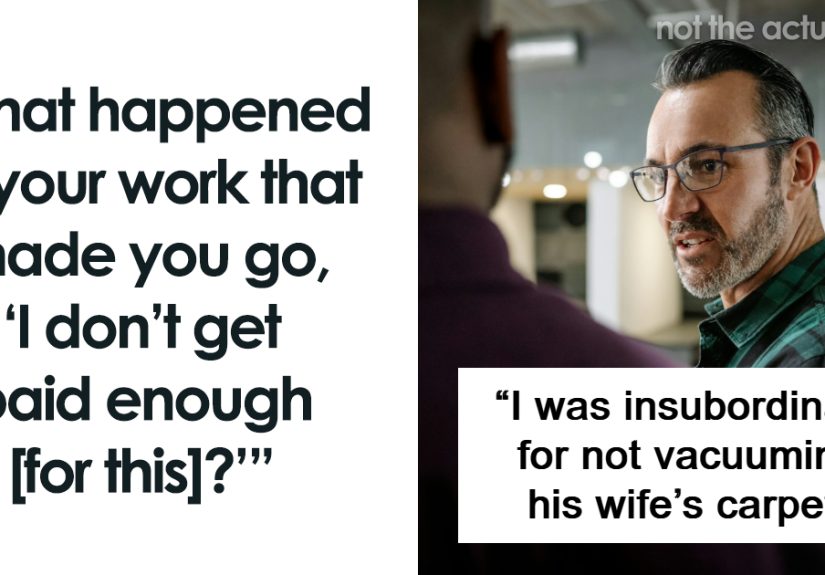
This article looks at 43 infuriating workplace moments people commonly experience across retail, offices, restaurants, warehouses, healthcare, customer service, delivery, and remote work. These examples are not copied from one viral thread; they are inspired by real patterns in American work life: low pay, disrespect, unsafe conditions, bad management, burnout, wage confusion, and customers who seem to believe “the customer is always right” means “I may now behave like a raccoon in a polo shirt.”
Behind the humor, there is a serious point. When employees feel underpaid, ignored, overworked, or treated like replaceable batteries, morale collapses. Workers do not usually quit because one bad Tuesday happened. They quit because that bad Tuesday keeps putting on a fake mustache and returning every week.
Why “I Don’t Get Paid Enough” Became the Working Person’s National Anthem
The phrase is funny because it is painfully efficient. In five words, it captures the gap between what workers are asked to tolerate and what they are actually paid, supported, or respected enough to handle. Low pay, limited advancement, and feeling disrespected have been major reasons employees leave jobs in the United States. Burnout, poor communication, unstable schedules, and weak management only add gasoline to the office coffee maker.
In many workplaces, the problem is not that employees hate working. Most people want to do a good job. They want clear expectations, fair pay, safe conditions, respectful leadership, and customers who do not treat the counter like a courtroom. When those basics disappear, even the most patient employee starts mentally updating their résumé between tasks.
43 Infuriating Moments People Experience While Working
1. Being Asked to “Act Like an Owner” Without Owner Money
Employees are told to care deeply about sales, reputation, customer reviews, and “the brand,” while receiving wages that barely cover rent, transportation, and lunch that is not just crackers from a drawer. Ownership energy is expensive. It does not run on inspirational posters.
2. Getting Called on a Day Off for a “Quick Question”
The question is never quick. It begins with “Do you remember where we put…” and ends with the employee mentally clocking in from their couch while still wearing laundry-day sweatpants.
3. Covering Three Jobs Because the Company Is “Lean”
“Lean team” can be a business strategy. It can also be corporate poetry for “Everyone is exhausted, and the printer has more support than the staff.”
4. Being Punished for Being Good at Your Job
Fast workers often get more work, not more pay. The reward for efficiency becomes a second mountain of tasks and a manager saying, “You are just so reliable.” That sentence should come with hazard pay.
5. Training a New Hire Who Makes More Money
Few things test emotional maturity like teaching someone the job while discovering their starting pay is higher than your current wage. Suddenly, “team spirit” needs a chair and a glass of water.
6. Customers Blaming Employees for Policies They Did Not Create
The cashier did not invent the return policy. The call center worker did not personally design the billing system. Yet customers often aim their frustration at the nearest human wearing a name tag.
7. Managers Who Disappear During Rushes
Some managers have the survival instincts of forest creatures. The moment the lobby fills, the phone rings, and the line reaches the door, they vanish into the back office to “check something.” Nature is amazing.
8. Mandatory Fun After an Exhausting Shift
Nothing says morale like forcing tired employees to attend a team-building event when all they want is food, silence, and not hearing the word “synergy” again.
9. Being Told to Smile While Handling Chaos
Service workers are often expected to remain cheerful while being rushed, interrupted, criticized, and occasionally treated like part of the furniture. A smile is nice. A staffed shift is nicer.
10. The Schedule Changing Without Warning
Unpredictable schedules can wreck childcare, school, transportation, sleep, and any attempt at having a life. “Can you come in tomorrow?” sounds simple until tomorrow was your one chance to be a person.
11. “We’re Like a Family” Being Used as a Warning Label
Healthy workplaces may feel supportive. But when “family” means unpaid favors, guilt trips, no boundaries, and being expected to answer texts at midnight, employees are allowed to ask whether they were adopted without consent.
12. Meetings About Productivity That Destroy Productivity
The team loses an hour discussing why deadlines are slipping. Then everyone returns to their desk with one fewer hour to meet the deadlines. This is not management; it is a productivity escape room.
13. Working Through Breaks Because “It’s Busy”
Breaks are not decorative. They help workers reset, eat, hydrate, and avoid becoming a customer service ghost. When short staffing makes breaks impossible, the company has a staffing problem, not an employee dedication problem.
14. Getting Blamed for Broken Equipment
The scanner has been dying since the previous presidential administration, but somehow the employee using it today becomes the suspect. “Did you try turning it off and on?” Yes. We also tried hope.
15. Being Asked to Stay Late “Just This Once” Every Week
Once is an event. Weekly is a system. If overtime, late closings, and emergency coverage are constant, the emergency has become the business model.
16. Job Descriptions That Grow Like Houseplants
Employees accept a role, then slowly collect extra duties: social media, ordering supplies, training, customer support, cleaning, data entry, and emotional support for the copier.
17. Getting a Pizza Party Instead of a Raise
Pizza is lovely. Pizza does not pay insurance premiums. Pizza cannot negotiate rent. Pizza, while noble, is not a compensation strategy.
18. Being Micromanaged by Someone Who Does Not Understand the Work
There is a special frustration in receiving detailed instructions from someone who could not complete the task if the instruction manual were tattooed on a wall.
19. Customers Arriving One Minute Before Closing
Retail and restaurant workers know the pain. The lights are dimming, the mop is out, the register is nearly closed, and someone strolls in like they are beginning a three-hour spiritual journey through the menu.
20. “Urgent” Emails That Are Not Urgent
When everything is marked urgent, nothing is. Some workplaces treat the red exclamation point like seasoning. Sprinkle it everywhere and suddenly everyone is stressed but nothing is clearer.
21. Being Expected to Handle Angry Customers Alone
Frontline employees often absorb customer anger with little backup. A good workplace trains staff, supports them, and steps in when behavior crosses the line. A bad one says, “Just be professional,” then hides behind a fern.
22. Paycheck Mistakes That Take Forever to Fix
When an employee misses a deadline, it is urgent. When payroll misses money, suddenly everyone needs “three to five business days.” Funny how time becomes flexible when the company is holding the wallet.
23. Being Told Not to Discuss Pay
Many workers do not realize that discussing wages and working conditions with coworkers can be protected activity under federal labor law. Pay secrecy often benefits employers more than employees.
24. The “Open Door Policy” That Leads to a Trapdoor
Some companies invite feedback, then punish people for giving it. Employees quickly learn that the door is open, but the floor may be missing.
25. Unsafe Conditions Being Treated Like Personal Complaints
Slippery floors, aggressive customers, broken ladders, missing protective gear, and impossible workloads are not “bad attitudes.” They are risks. Safety should not depend on who is brave enough to complain.
26. Being Understaffed and Then Scolded for Slow Service
One employee cannot be cashier, stocker, cleaner, receptionist, security guard, therapist, and magician. If the line is long because only one person is scheduled, the math is not mysterious.
27. “Can You Find Coverage?” When You Are Sick
Workers who are ill should not have to become dispatch managers from bed. Scheduling is management’s job. The employee’s job is to recover and not sneeze on the public.
28. Remote Workers Being Treated Like They Are Not Working
Some remote employees face suspicion unless their status light is green enough to power a small village. Productivity is not measured by how dramatically someone wiggles a mouse.
29. Being Given Responsibility Without Authority
Employees are told to “own the project” but cannot approve decisions, change timelines, request resources, or tell Chad from accounting to stop derailing everything. Responsibility without authority is just stress in a blazer.
30. The Customer Who Says, “I Know the Owner”
This phrase usually appears when a rule is being broken. If knowing the owner granted magical powers, every employee would be riding a dragon to work by now.
31. Surprise Performance Reviews
Feedback should not arrive like a jump scare. Good managers coach throughout the year. Bad managers store complaints like canned goods and open them during review season.
32. Being Denied Time Off After Months of Notice
An employee requests time off early, plans carefully, and still hears, “We need you.” The real message is, “Our staffing plan depends on your life not happening.”
33. Policies That Apply Only to Certain People
Nothing destroys trust faster than watching rules become flexible for favorites and concrete for everyone else. Employees notice. Employees always notice.
34. Having Your Idea Ignored Until Someone Else Repeats It
You suggest a fix and get silence. Two weeks later, someone louder says the same thing and receives applause. Congratulations, your idea has been promoted without you.
35. Being Expected to Be Grateful for Basic Decency
Fair pay, respectful communication, safe equipment, and lawful practices are not luxury perks. They are the floor. A company should not expect a standing ovation for having a floor.
36. The “Quick Favor” That Becomes a Permanent Duty
One day you help with inventory. Three months later, inventory is mysteriously your job. Workplace favors are like glitter: they spread, and nobody knows how to get rid of them.
37. Training That Consists of “Just Watch Me Once”
Poor training sets employees up to fail, then blames them for not magically absorbing a system through workplace osmosis.
38. Being Contacted on Vacation
Vacation is not a soft launch of work. If an employee is off, the company should have coverage, documentation, or at least the courage to leave them alone with their sandwich.
39. The Raise That Is Actually More Work
A tiny raise arrives with a giant new workload. After taxes, the employee is earning an extra coffee per week in exchange for managing a small kingdom of stress.
40. Broken Promises About Promotion
“We see leadership potential in you” can be motivating. It can also become a workplace carrot tied to a very long stick. Eventually, workers stop chasing.
41. Being Asked to Clock Out and Keep Working
Off-the-clock work is a serious issue. Time spent working should be paid. A workplace that treats labor like a free sample is not being scrappy; it is crossing a line.
42. HR Protecting the Company but Calling It Support
Human resources can be helpful, but employees quickly learn the difference between genuine problem-solving and a polite meeting where the main goal is limiting company risk.
43. The Final Straw: Being Disrespected in Public
Many workers can survive stress, long days, and occasional mistakes. Public humiliation from a boss or customer, however, can flip a switch. Once dignity leaves the building, loyalty often follows.
What These Workplace Moments Reveal
These infuriating work experiences are funny because people recognize them instantly. But they also reveal deeper workplace problems. Low staffing creates customer anger. Poor training creates mistakes. Weak communication creates confusion. Unfair pay creates resentment. Disrespect creates turnover. When leaders treat symptoms instead of causes, the same drama returns wearing different shoes.
For employees, these moments can become emotional evidence. One late paycheck might be a mistake. Repeated late paychecks are a pattern. One rude customer might be a bad day. Constant customer abuse with no support is a workplace culture problem. One extra task might be teamwork. A full second job without compensation is exploitation wearing a nametag.
Why Managers Should Take These Complaints Seriously
Good employees often complain before they quit. That complaint is not always negativity; sometimes it is a warning light on the dashboard. Ignore it long enough and the engine starts making a noise that sounds suspiciously like a resignation letter.
Managers who want better retention should listen for repeated themes: “We need more coverage,” “The schedule keeps changing,” “Customers are getting aggressive,” “Nobody knows the policy,” “The workload is impossible,” and “Pay is not matching expectations.” These are not just feelings. They are operational data, wearing tired shoes.
How Employees Can Respond Without Losing Their Minds
Not every workplace problem can be fixed by one person, but workers can protect themselves with practical habits. Keep written records of schedules, pay issues, policy changes, incidents, and important conversations. Ask for instructions in writing when tasks are unclear. Learn basic rights around pay, overtime, safety, discrimination, and protected discussions about working conditions. When possible, talk with coworkers respectfully and document shared concerns.
Employees should also pay attention to patterns. If a job repeatedly damages sleep, health, school, family responsibilities, or basic peace of mind, it may be time to plan an exit. Leaving is not always immediate or easy, but quietly preparing options can restore a sense of control.
500 More Words of Workplace Experiences: The Stuff That Makes People Stare Into Space
One of the most common experiences workers describe is the slow build of “tiny disrespect.” It is not always one dramatic scene. It is being interrupted every time you speak. It is being scheduled outside your availability after you already explained your school, childcare, or transportation limits. It is being told, “We appreciate you,” while the company ignores your request for enough staff to finish the shift without sprinting.
Another familiar experience is emotional whiplash. Employees are told to follow the rules, then scolded when a customer dislikes the rule. A worker refuses an expired coupon, denies an unsafe request, or explains a policy exactly as trained. Then management overrides them in front of the customer. The customer gets rewarded for making noise, the employee looks foolish, and the rule becomes decorative. That kind of moment teaches staff that doing the right thing may not matter as much as avoiding complaints.
Many workers also experience the strange theater of corporate appreciation. A company may celebrate “Employee Appreciation Week” with a cupcake, a lanyard, or a motivational email written in the tone of a greeting card trapped in a spreadsheet. Meanwhile, employees are asking for predictable schedules, functioning equipment, fair raises, and enough people on shift. Appreciation is nice, but appreciation without action can feel like being handed a balloon while your boat is sinking.
Remote and office workers face their own special circus. Some are invited to back-to-back video meetings where everyone discusses work so intensely that nobody has time to do the work. Others are asked to return to the office for “collaboration,” only to spend the day on video calls with people in other cities. The commute becomes a paid-in-gas ritual to prove commitment to a desk.
In restaurants and retail, workers often deal with public behavior that sounds fictional until you have lived it. Customers return half-eaten food and insist they “didn’t like it.” Shoppers unfold every shirt in a display, then ask why the store looks messy. Someone demands a discount because the line was long, even though the line was long because two employees were trying to do the work of six. Frontline workers become the shock absorbers of bad planning, bad manners, and unrealistic expectations.
Healthcare, delivery, warehouse, and service workers often describe a harsher version of the same problem: responsibility without enough protection. They are expected to move fast, stay polite, avoid mistakes, and keep everyone safe, even when staffing and conditions make that nearly impossible. When something goes wrong, the person closest to the problem often gets blamed, even if the real cause was a policy made far above their pay grade.
The most infuriating workplace experiences usually share one theme: workers feel treated as tools instead of people. A healthy workplace does not have to be perfect. Mistakes happen. Busy seasons happen. Customers get cranky. Systems break. But when leaders communicate clearly, pay fairly, staff realistically, protect employees, and admit problems honestly, people can handle a lot. When they do not, “I don’t get paid enough” stops being a joke and starts becoming a plan.
Conclusion
Infuriating workplace moments are more than internet entertainment. They are signs of what happens when pay, respect, safety, staffing, and communication fall out of balance. The phrase “I don’t get paid enough” may sound like a punchline, but it often points to a real workplace equation: too much pressure, too little support, and not enough recognition for the humans holding everything together.
For employees, these stories are a reminder that frustration is not always personal failure. Sometimes the system is badly designed. For employers, they are a warning: people remember how they are treated when work gets hard. A company that wants loyalty must offer more than slogans, emergency pizza, and a break room coffee machine that sounds like a lawn mower.