Table of Contents >> Show >> Hide
- What Is Sparkling Water?
- Is Sparkling Water Good for You?
- Health Benefits of Sparkling Water
- Possible Side Effects of Sparkling Water
- Does Sparkling Water Hurt Your Bones?
- Is Sparkling Water Better Than Soda?
- Who Should Be Careful With Sparkling Water?
- How Much Sparkling Water Is Too Much?
- Tips for Drinking Sparkling Water the Healthy Way
- Experience-Based Section: What Drinking Sparkling Water Feels Like in Real Life
- Conclusion: So, Is Sparkling Water Good for You?
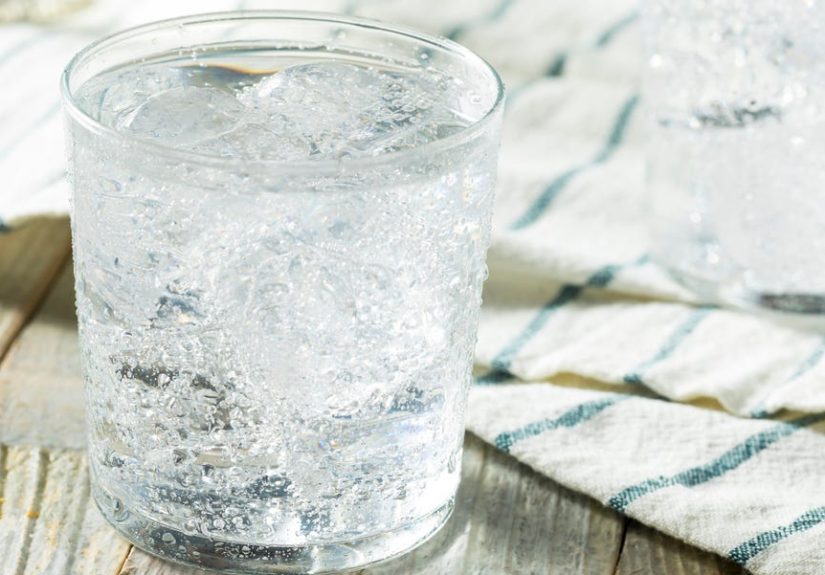
Let’s clear up the tiny typo in the room first: most people mean sparkling water, not “sparking water.” Unless your beverage is throwing actual sparks, in which case please step away from the cup and call an electrician. Sparkling water is simply water with carbon dioxide gas dissolved into it, creating those crisp, fizzy bubbles that make hydration feel slightly more dramatic than ordinary tap water.
But is sparkling water good for you? For most healthy people, yes. Plain, unsweetened sparkling water can be a smart, refreshing, zero-calorie drink that helps you stay hydrated and may make it easier to cut back on soda, sweet tea, energy drinks, and other sugar-heavy beverages. It is not magic water. It will not organize your closet, fix your sleep schedule, or text back for you. But as a daily drink, it can absolutely fit into a healthy lifestyle.
The key is knowing what kind you are drinking. Plain seltzer, sparkling mineral water, club soda, tonic water, and flavored sparkling waters are not all the same. Some are calorie-free and simple. Others contain sodium, sugar, artificial sweeteners, caffeine, or acidic flavorings that may matter depending on your health goals. Let’s pop the tab and look at the real benefits, side effects, myths, and practical ways to enjoy sparkling water without turning your stomach into a bubble machine.
What Is Sparkling Water?
Sparkling water is water that contains dissolved carbon dioxide gas. That gas creates carbonation, which produces bubbles and a slightly tangy taste. When carbon dioxide mixes with water, it forms a weak acid called carbonic acid. That is why sparkling water tastes sharper than still water, even when it has no added flavor.
Common Types of Sparkling Water
Not every fizzy water on the shelf is identical. Here are the most common types:
- Seltzer: Plain water with added carbonation. Usually no minerals, calories, or sweeteners.
- Sparkling mineral water: Naturally sourced water that contains minerals such as calcium, magnesium, sodium, or potassium. It may be naturally carbonated or have added carbonation.
- Club soda: Carbonated water with added minerals, often including sodium compounds. It may taste slightly salty.
- Tonic water: A carbonated drink that usually contains quinine and often added sugar. It is not the same as plain sparkling water.
- Flavored sparkling water: Carbonated water with natural or artificial flavors. Some are unsweetened, while others contain sugar or non-nutritive sweeteners.
If your goal is hydration with the fewest extras, choose plain sparkling water or unsweetened flavored sparkling water. If your bottle looks more like a dessert menu than a beverage label, read carefully.
Is Sparkling Water Good for You?
Yes, plain sparkling water is generally good for you when consumed in moderation. It hydrates, contains no calories when unsweetened, and can help replace sugary beverages. For many people, the fizz makes water more enjoyable, which can lead to better hydration habits. In other words, if bubbles help you drink more water, the bubbles have earned their tiny applause.
However, sparkling water is not perfect for everyone. The carbonation can cause gas, bloating, burping, or reflux symptoms in some people. Flavored varieties may be more acidic, and club soda may contain sodium. The healthiness of sparkling water depends on the ingredient list, your dental health, your digestive system, and how much you drink.
Health Benefits of Sparkling Water
1. It Helps You Stay Hydrated
The biggest benefit of sparkling water is simple: it is still water. Carbonation does not cancel out hydration. Your body can use sparkling water as a fluid source just as it uses still water. If you find plain water boring, sparkling water can make hydration feel more exciting without adding sugar or calories.
This matters because adequate hydration supports temperature regulation, digestion, circulation, kidney function, energy, and mental clarity. When you are dehydrated, you may feel tired, foggy, cranky, or headachy. Sparkling water can help you avoid that “I am basically a raisin with responsibilities” feeling.
2. It Can Replace Sugary Drinks
One of the strongest arguments for sparkling water is what it can replace. Regular soda, sweetened teas, fruit drinks, and energy drinks can contain large amounts of added sugar. Swapping even one sugary beverage per day for unsweetened sparkling water can reduce added sugar and calorie intake.
For example, if someone drinks a 140-calorie soda every afternoon and switches to zero-calorie sparkling water, that is nearly 1,000 calories saved in a week. Of course, health is not just math, but the math here is friendly.
3. It May Support Weight Management
Sparkling water is not a weight-loss product, and it should never be treated like one. However, it can support weight management in a practical way because it provides flavor, texture, and refreshment without added calories when unsweetened. Some people also find that carbonation increases short-term fullness, especially when consumed with meals.
The bigger benefit is behavioral. If sparkling water helps you stop reaching for soda, sweet coffee drinks, or juice cocktails throughout the day, it can be a helpful part of a balanced eating pattern. Think of it as a beverage upgrade, not a miracle in a can.
4. It May Help With Digestion for Some People
Some studies suggest carbonated water may help certain digestive symptoms, including mild indigestion or constipation, in specific groups. The fizzy sensation may stimulate swallowing and digestive activity for some people. For others, though, carbonation does the exact opposite and causes bloating or discomfort. Digestion is personal, and your stomach may have opinions.
If sparkling water seems to help you feel comfortable after meals, it may be fine to keep it in your routine. If it makes you feel inflated like a parade balloon, choose still water instead.
5. It Can Make Healthy Habits Easier
The best healthy habit is the one you can actually maintain. Sparkling water can make hydration more enjoyable because it has texture, sound, and variety. The snap of a cold can, the bubbles in a glass, the squeeze of lime, and the “fancy restaurant water” feeling can all make drinking water more appealing.
This is especially useful for people trying to cut back on soda. Sparkling water gives your mouth something lively without the sugar overload. Add cucumber slices, mint, berries, orange peel, or a splash of 100% fruit juice, and you have a drink that feels special without becoming a liquid candy bar.
Possible Side Effects of Sparkling Water
1. Bloating, Gas, and Burping
The bubbles in sparkling water come from carbon dioxide. When you drink it, some of that gas can end up in your digestive tract. For many people, this only causes a harmless burp. For others, it can lead to bloating, pressure, or gas.
If you already deal with irritable bowel syndrome, frequent bloating, or a sensitive stomach, sparkling water may bother you. Try drinking smaller amounts, sipping slowly, avoiding straws, and choosing still water when your stomach feels unsettled.
2. Acid Reflux or Heartburn
Carbonation may worsen reflux symptoms for some people. The gas can increase stomach pressure, which may encourage acid to move upward into the esophagus. If you notice heartburn after drinking sparkling water, especially with meals or before bed, it may be a trigger for you.
That does not mean everyone with reflux must avoid sparkling water forever. But if your chest feels like a tiny dragon moved in after every can, your body is giving you feedback. Listen politely.
3. Tooth Enamel Concerns
Plain sparkling water is mildly acidic because of carbonic acid. Compared with soda, it is much less concerning, especially when it has no sugar. Still, flavored sparkling waters, particularly citrus flavors, can be more acidic and may contribute to enamel wear if consumed constantly throughout the day.
To protect your teeth, drink sparkling water with meals instead of sipping it nonstop for hours. Avoid brushing immediately after acidic drinks; waiting about 30 minutes gives your enamel time to re-harden. You can also rinse with plain water afterward. And remember, fluoridated tap water remains a dental-health superstar.
4. Sodium in Some Varieties
Plain seltzer usually contains little or no sodium. Club soda and some sparkling mineral waters may contain more. For most people, this is not a big issue. But if you are watching sodium because of blood pressure, kidney concerns, or a healthcare provider’s advice, check the nutrition label.
A good rule: if you drink sparkling water every day, know what is in your usual brand. Labels are not bedtime reading, but they are shorter than most streaming-service terms and conditions.
5. Added Sugar or Sweeteners
Some fizzy drinks look like sparkling water but behave more like soda. Tonic water often contains added sugar. Some flavored waters contain sweeteners, caffeine, or other additives. These are not automatically “bad,” but they are different from plain sparkling water.
Look for labels that say zero grams added sugar if you want the simplest option. Ingredients such as carbonated water and natural flavor are common in unsweetened varieties. If you see sugar, cane sugar, syrup, or a long list of extras, decide whether it still fits your goals.
Does Sparkling Water Hurt Your Bones?
No good evidence shows that plain sparkling water weakens bones. This myth likely comes from research and concern around cola drinks, which may contain phosphoric acid and often replace calcium-rich beverages in the diet. Sparkling water is different. Carbonation itself is not the villain.
In fact, some sparkling mineral waters contain minerals such as calcium and magnesium, which can support overall nutrition. The amount varies widely by brand, so do not rely on sparkling mineral water as your main mineral source. Still, it is nice when your bubbles bring tiny mineral friends.
Is Sparkling Water Better Than Soda?
Plain sparkling water is usually much better than regular soda from a nutrition standpoint. Regular soda commonly contains added sugar, calories, and acids. Sparkling water can provide the fizzy experience without sugar or calories. That makes it a smart swap for people trying to reduce added sugar, manage weight, or improve everyday beverage choices.
Diet soda is more complicated. It is usually low or zero calorie, but it contains sweeteners and other additives. Some people use diet soda as a stepping stone away from regular soda. Others prefer sparkling water because it is simpler and less sweet. The best option depends on your habits, preferences, and health needs.
Who Should Be Careful With Sparkling Water?
Most people can drink sparkling water without problems. However, you may want to limit it or choose still water more often if you:
- Have frequent bloating, gas, or abdominal discomfort
- Have acid reflux or GERD symptoms that worsen with carbonation
- Have sensitive teeth or enamel erosion
- Drink citrus-flavored sparkling water all day long
- Need to limit sodium and often drink club soda or high-sodium mineral water
- Notice that sparkling water makes you feel uncomfortably full and reduces your appetite for balanced meals
If you have a medical condition and are unsure whether sparkling water is a good fit, ask a healthcare professional. Your personal health situation matters more than any trendy beverage take.
How Much Sparkling Water Is Too Much?
There is no universal daily limit for plain sparkling water. Many people can enjoy one or several servings a day without issue. The better question is: how does your body respond?
If you feel hydrated, your stomach feels fine, your teeth are healthy, and you are choosing unsweetened varieties, sparkling water can be part of your daily fluid intake. If you are bloated, burping through meetings, or dealing with reflux, scale back. Your body does not send push notifications, but symptoms are pretty close.
Tips for Drinking Sparkling Water the Healthy Way
Choose Unsweetened Options
Pick sparkling water with no added sugar. The healthiest versions usually have a short ingredient list: carbonated water and maybe natural flavor.
Drink It With Meals
Having sparkling water with meals can reduce constant acid exposure to your teeth and may make the drink feel more satisfying.
Do Not Sip It All Day
Frequent sipping keeps your teeth exposed to acidity for longer. Finish a serving, then switch to still water between meals.
Check Sodium Levels
Club soda and mineral water may contain sodium. If sodium matters for your health, compare brands.
Add Real Flavor
Try mint, cucumber, berries, ginger, lime, lemon, or a splash of 100% juice. You get flavor without turning your drink into soda wearing a wellness costume.
Experience-Based Section: What Drinking Sparkling Water Feels Like in Real Life
For many people, sparkling water becomes popular for one very simple reason: plain water can feel boring. You know you should drink more water, but another room-temperature glass from the sink may not exactly inspire poetry. Sparkling water adds a little ceremony. The can cracks open, the bubbles rise, and suddenly hydration has a soundtrack.
One common experience is using sparkling water as a soda replacement. At first, it may taste less exciting because your taste buds are used to sweetness. Regular soda delivers sugar, strong flavor, and fizz all at once. Plain sparkling water gives you fizz but not the sugar rush. The first few cans might feel like your soda got lost on the way to the party. But after a week or two, many people start appreciating the cleaner taste. A cold lime seltzer or berry sparkling water can become genuinely refreshing, especially with lunch or after a workout.
Another real-life benefit is portion control with snacks. Some people find that a glass of sparkling water helps them pause before automatically reaching for chips, cookies, or another coffee. It does not replace food, and it should not be used to ignore hunger. But it can help separate real hunger from “I am bored and the pantry is nearby” hunger. The bubbles create a sense of fullness that may help you slow down and make a more intentional choice.
On the other hand, sparkling water can be annoying if your stomach is sensitive. Some people feel bloated after just one can. Others burp more than they would like, which is not ideal during class, work, dates, or any situation where you are trying to seem like a polished human being. If that happens, smaller servings can help. Pour half a can over ice, drink slowly, and skip the straw. A straw can make you swallow extra air, which is basically inviting more gas to the meeting.
People with reflux often have mixed experiences. Some tolerate sparkling water well, especially earlier in the day. Others notice heartburn after drinking it with a large meal or close to bedtime. A practical approach is to test your own pattern. Try sparkling water at lunch instead of dinner. Try plain instead of citrus-flavored. Try a smaller amount. If symptoms repeat, still water may be the kinder choice.
Dental habits also matter in real life. Someone who drinks one sparkling water with dinner is in a very different situation from someone who sips citrus sparkling water from 9 a.m. to 5 p.m. The second pattern gives teeth more acid exposure. A simple fix is to enjoy sparkling water in a defined window, rinse with plain water afterward, and avoid brushing immediately after acidic drinks.
For families, sparkling water can be a fun way to make healthier drinks at home. A pitcher with sparkling water, sliced strawberries, mint, and orange slices feels festive without loading everyone up on sugar. It can also make parties, study sessions, and weekday dinners feel a little less ordinary. The trick is keeping it simple. Once you add syrups, sweetened mixers, and whipped toppings, you have left the hydration station and entered dessert country.
The best experience with sparkling water comes from treating it as an option, not a personality. Drink it because you enjoy it and it helps you hydrate. Rotate it with still water. Choose unsweetened versions most often. Pay attention to your stomach and teeth. When used this way, sparkling water can be a genuinely helpful daily habit: bubbly enough to be fun, simple enough to be healthy, and far less dramatic than the online debates make it seem.
Conclusion: So, Is Sparkling Water Good for You?
Plain sparkling water is generally good for you. It hydrates, contains no calories when unsweetened, and can help replace sugary drinks. It does not appear to harm bones, and it is usually much better for teeth than soda. For many people, it is an easy, enjoyable way to drink more water.
The side effects are mostly personal and manageable. Carbonation can cause bloating, gas, burping, or reflux in sensitive people. Flavored varieties may be more acidic, and some types contain sodium or sweeteners. The healthiest choice is plain or unsweetened sparkling water consumed in moderation, ideally alongside regular still water.
Bottom line: if sparkling water helps you stay hydrated and does not upset your stomach or teeth, enjoy the fizz. Your water does not need bubbles to be healthy, but if bubbles make you drink more of it, that is a win worth raising a glass to.