Table of Contents >> Show >> Hide
- The Art of Making Glass Spider Figurines
- Creating Beauty While the Electricity Misbehaves
- The Handmade Process: From Glass Rod to Tiny Arachnid
- Why These Glass Spiders Capture So Much Attention
- The Emotional Value of Handmade Glass Art
- Lessons from a Studio Powered by Determination
- How to Appreciate the Six Pictures
- Extra Experience: What This Topic Teaches About Making Art When Life Refuses to Cooperate
- Conclusion
Some people see a spider and reach for a shoe. Others reach for a camera. A very small, very brave group of artists reaches for molten glass, a torch, tweezers, and enough patience to qualify as a spiritual practice. That is the world behind handmade glass spider figurines: delicate, colorful, slightly spooky, and far more charming than the real eight-legged roommate sprinting across your bathroom wall at midnight.
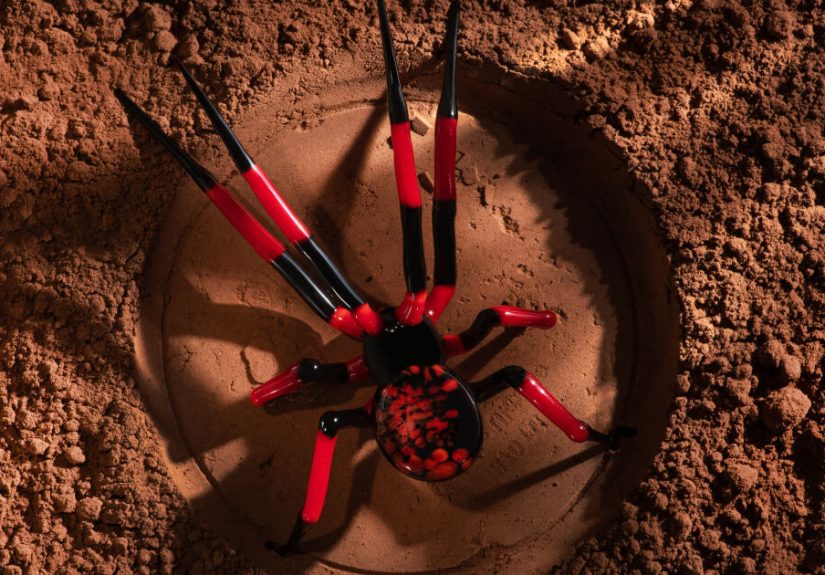
This story centers on the inspiring work of Ukrainian glass artist Nikita Drachuk of Glass Symphony, whose miniature glass animals and insects have won admirers around the world. His glass spiders are especially captivating because they combine two opposites: the fragile sparkle of glass and the surprisingly strong personality of arachnids. Even more impressive, these figurines were created during a time when electricity was anything but dependable. A diesel generator helped keep the home and workshop running, turning each finished spider into more than a decorative object. It became a tiny monument to persistence.
In an age when many creative projects begin with a fully charged laptop and end with a perfectly filtered photo, this kind of craft feels refreshingly real. The flame is real. The heat is real. The risk of cracking is real. And when the power cuts out at the worst possible moment, the language coming from the studio is probably also very real.
The Art of Making Glass Spider Figurines
Glass spider figurines are usually made through a technique called lampworking or flameworking. In simple terms, the artist heats glass rods or tubes in a flame until the material becomes soft enough to shape. Modern flameworkers typically use gas-fueled torches, often with oxygen and propane, to achieve the heat needed to melt and control the glass. The artist then forms the body, legs, colors, patterns, and tiny details by using tools, gravity, careful hand movement, and a calm nervous system.
That last part is not a joke. Glass does not care about your schedule, your confidence, or your dramatic artistic vision. If it cools too quickly, it can crack. If it is overheated, it can slump or distort. If one leg is attached at the wrong angle, the spider suddenly looks less like a graceful arachnid and more like it just heard bad news. The magic of handmade lampwork glass spiders lies in controlling a material that always seems one second away from doing something rude.
Why Spiders Are So Difficult to Make in Glass
A spider is a deceptively complicated subject. At first glance, it seems like a small body with legs. Easy, right? Not quite. Real spiders have two main body sections, eight legs, pedipalps, eyes, and body proportions that vary widely among species. A jumping spider looks cute and compact; an orb-weaver looks elegant and dramatic; a black widow looks like nature designed a warning label with legs.
To translate those forms into glass, the artist must decide what to emphasize. Should the figurine look realistic, whimsical, glossy, colorful, or slightly fantastical? Should it mimic a real species or become an imaginary jewel-like creature? A successful glass spider does not need to fool an entomologist, but it does need to feel alive. The curve of the legs, the tilt of the body, the balance of color, and the tiny points of contact with the table all matter.
With glass, every leg is a commitment. Attach one too cold and it may not fuse properly. Attach one too hot and the body can deform. Make the legs too thin and they become vulnerable; make them too thick and the spider looks like it has been spending suspicious time at the gym. The charm comes from finding that middle ground where the piece looks delicate but still holds together.
Creating Beauty While the Electricity Misbehaves
Power problems are not just an inconvenience in a glass studio. They can disrupt the entire working rhythm. Electricity may be needed for lighting, ventilation, kilns, oxygen concentrators, small tools, photography equipment, packaging stations, and basic comfort. Even if the torch itself runs on fuel, the surrounding studio ecosystem depends on steady power.
For glass artists, annealing is especially important. After a piece is formed, it often needs to be held in a kiln and cooled slowly to reduce internal stress. This step helps prevent cracking later. When electricity is unstable, the artist has to plan more carefully: work during generator availability, avoid starting complex pieces when power is uncertain, and protect finished work from sudden temperature changes. Creativity becomes part art, part engineering, and part weather forecast for the electrical grid.
That is what makes these glass spiders so memorable. They are not just cute collectibles. They are handmade objects born under pressure. Each one says, in its shiny little spider language, “The lights flickered, the generator growled, the world was difficult, and yet here I am.” Honestly, that is more motivational than most posters in office break rooms.
The Handmade Process: From Glass Rod to Tiny Arachnid
The process usually begins with design. The artist may study real spiders, customer requests, color combinations, or previous successful pieces. Some collectors love realistic black widows, tarantulas, and jumping spiders. Others prefer fantasy spiders in blue, amber, green, purple, or neon-like shades that look as if they crawled out of a gemstone cave.
Step 1: Choosing the Glass
Glass rods and tubes come in many colors, thicknesses, and working properties. Some artists use borosilicate glass because it is valued for durability and resistance to thermal shock compared with softer glasses. Others use different types depending on color needs and the desired finish. For spider figurines, color is more than decoration. It creates mood. A red-and-black spider feels dramatic. A blue spider feels dreamlike. A transparent spider with colored accents looks almost like frozen movement.
Step 2: Forming the Body
The artist heats the glass in the flame until it becomes workable, then shapes the abdomen and cephalothorax. These parts must be proportionate. Too much glass in the abdomen, and the spider becomes a shiny jellybean with legs. Too little, and it loses the visual weight that makes the figurine feel complete. The artist may add dots, stripes, or markings while the glass is hot, layering color carefully so the details fuse without muddying.
Step 3: Pulling and Attaching the Legs
The legs are the true test. Thin lines of glass can be pulled into stringers and shaped into angled forms. Every leg must look intentional, and all eight must work together visually. The spider has to stand, or at least appear balanced. The artist may use tweezers, graphite tools, and repeated reheating to refine the stance. This is where patience becomes visible. A handmade glass spider is basically a tiny sculpture doing yoga while on fire.
Step 4: Annealing and Finishing
Once the form is complete, the piece needs controlled cooling. Annealing helps relieve stress inside the glass. Afterward, the figurine can be inspected, cleaned, photographed, packaged, and sent to a collector. For small handmade art businesses, the work does not end at the torch. The artist is also a photographer, customer service department, quality-control inspector, shipping manager, and occasional emotional support human for fragile parcels.
Why These Glass Spiders Capture So Much Attention
Part of the appeal is surprise. Spiders are usually associated with fear, basements, Halloween decorations, or the heroic decision to ask someone else to remove one from the shower. But when transformed into glass, they become elegant. Their legs catch the light. Their bodies glow with color. Their posture turns from creepy to curious. The viewer is invited to look closer instead of running away with a broom.
That emotional switch is powerful. Good art often changes how we see familiar things. A glass spider can make an arachnophobe pause and think, “Okay, maybe this one can stay.” It softens the subject without erasing its identity. The spider remains a spider, but now it is also a miniature sculpture, a conversation starter, and a reminder that beauty sometimes has eight legs.
Spiders Are Better Than Their Reputation
Real spiders are also more useful than many people realize. Most spiders are predators that feed on insects and other small arthropods. In gardens and homes, they can help reduce pests such as flies, mosquitoes, moths, caterpillars, aphids, and beetles. Many are shy and avoid humans when possible. In other words, spiders have been doing unpaid pest control for ages while receiving terrible public relations.
This makes them wonderful subjects for art. They carry symbolism: patience, precision, survival, craft, and hidden strength. A spider builds structure out of silk. A glass artist builds structure out of heat. Both require timing, balance, and an understanding that one careless move can ruin the whole web.
The Emotional Value of Handmade Glass Art
Mass-produced decor can be attractive, but handmade glass art carries evidence of a person’s attention. No two handmade glass spider figurines are perfectly identical. One leg may have a slightly different curve. One color pattern may bloom in a unique way. One body may catch the light at an angle that makes it feel strangely alive. These variations are not flaws; they are fingerprints of the process.
Collectors often respond to that individuality. A handmade spider can become a memorial gift, a Halloween collectible, a desk companion, a garden-room accent, or a present for someone who loves unusual animals. It can also appeal to people who appreciate scientific illustration, natural history, fantasy art, or gothic decor. The audience is surprisingly broad: spider lovers, glass collectors, handmade craft fans, and people who simply enjoy owning something nobody else has in exactly the same form.
There is also a deeper reason these pieces resonate. When an artist continues working through unstable conditions, the finished object absorbs part of that story. The figurine becomes proof that creativity can survive interruption. It says that beauty does not require perfect circumstances. Sometimes it only requires a generator, a torch, a practiced hand, and a refusal to quit.
Lessons from a Studio Powered by Determination
The story of creating glass spider figurines despite constant electricity problems offers a surprisingly useful lesson for anyone making anything. Writers complain about bad Wi-Fi. Photographers complain about clouds. Bakers complain about humidity. Glass artists complain about power outages because their art may literally crack if the process is interrupted. Every craft has its enemy. The trick is learning how to work anyway.
For artists, obstacles often become part of the style. Limited materials encourage better design decisions. Time pressure forces focus. Technical problems sharpen planning. In this case, unreliable electricity turns each successful spider into a small victory. The viewer may see a shiny figurine, but the artist remembers the generator noise, the careful timing, the risk of cooling glass, and the relief when the final piece survives.
This is why handmade art matters. It records human stubbornness in beautiful form. A glass spider is delicate, but the effort behind it is not. It is tough, practiced, and persistent.
How to Appreciate the Six Pictures
When viewing a set of six glass spider pictures, look beyond the obvious sparkle. Notice the stance first. Does the spider appear alert, crawling, resting, or posing like it owns the entire shelf? Then study the legs. Are they thin and elegant? Do they curve naturally? Do they create balance? After that, look at the color work. Glass colors can appear different depending on light, thickness, and layering, so a small figurine may shift visually from one angle to another.
Also pay attention to the scale. Miniature glass art often looks simple in photos because the viewer cannot feel how small the object is. In reality, tiny details require extreme control. A dot that looks casual in a picture may have taken careful heat placement. A clean joint between a leg and body may represent years of practice. The smaller the sculpture, the less room there is for error. Glass does not offer an undo button. It offers consequences.
Extra Experience: What This Topic Teaches About Making Art When Life Refuses to Cooperate
There is something deeply relatable about the idea of creating delicate glass spiders while the electricity keeps failing. Most people are not standing at a torch shaping molten glass, but nearly everyone knows what it feels like to try to finish meaningful work under imperfect conditions. The laptop battery drops to three percent. The internet disappears right before a deadline. The room gets too hot, too loud, too dark, or too crowded. Life rarely waits politely outside the studio door.
For a glass artist, the stakes are physical. The material responds instantly to heat, air, timing, and movement. If the light is poor, details become harder to see. If ventilation stops, safety becomes a concern. If the kiln cannot run, finished pieces may be at risk. If the generator has limited capacity, every session must be planned like a miniature expedition. There is no casual “I’ll just finish this later” when hot glass is involved. Later may mean cracked, collapsed, or unusable.
That kind of pressure changes the creative mindset. The artist learns to prepare everything before lighting the torch: rods arranged, tools within reach, workspace clean, reference ideas clear, and backup plans ready. The process becomes disciplined. You do not waste flame time. You do not wander around looking for tweezers while a spider leg cools into rebellion. You become efficient because the conditions demand it.
At the same time, working through hardship can deepen the emotional value of the art. A spider made on an easy day may be beautiful. A spider made while managing outages, generator noise, stress, and uncertainty carries another layer of meaning. It becomes a reminder that creativity is not only about inspiration. It is also about logistics, resilience, and the decision to keep your hands steady when the world is not.
There is also a wonderful metaphor in the subject itself. Spiders are builders. They make webs strand by strand, repairing damage, adapting to corners, wind, rain, and hungry interruptions. A glass artist working through power problems does something similar. Each sculpture is built piece by piece, with attention and repair, under conditions that may change at any moment. The spider becomes both the subject and the symbol.
For anyone trying to create during difficult times, this story offers a practical kind of encouragement. Do not wait for perfect conditions before making something meaningful. Perfect conditions are suspicious creatures; they are often late, unavailable, or fictional. Start with what you have. Improve what you can. Protect your safety. Respect your tools. Then make the next small thing with care.
That does not mean romanticizing hardship. Constant electricity problems are exhausting, disruptive, and unfair. Artists deserve stable studios, reliable power, and peaceful working conditions. But when those conditions are not available, continuing to create becomes an act of quiet defiance. A handmade glass spider may be small enough to fit in your palm, but the determination behind it is much larger.
Maybe that is why these figurines feel so memorable. They are not just decorative spiders. They are little glass survivors. They shine because someone kept working when it would have been easier to stop. They stand on eight fragile legs and somehow say, “Still here.” That is a message worth keeping on a shelf.
Conclusion
The glass spider figurines created by Nikita Drachuk and the Glass Symphony workshop show how much emotion can live inside a small handmade object. They combine lampworking skill, arachnid-inspired design, color, patience, and resilience. The electricity problems add another dimension to the story, reminding us that art is often made not because conditions are ideal, but because the maker refuses to let difficult conditions have the final word.
Whether you love spiders, fear them, collect handmade glass art, or simply admire people who keep creating through chaos, these figurines offer a bright little lesson. Fragile things can be strong. Small things can carry big stories. And sometimes the most inspiring creature in the room is a tiny glass spider made while the generator hums in the background.
Note: This article is written as original editorial content based on publicly available information about the artist, handmade lampwork glass, studio safety practices, and real arachnid characteristics. It is designed for web publication without copied source text or unnecessary citation placeholders.