Table of Contents >> Show >> Hide
- Why This 10-Minute Turkey Breast Recipe Actually Works
- Main Keywords and Flavor Profile
- Ingredients (Simple, Real-Life Pantry Friendly)
- Tools You’ll Need
- Prep Notes: How to Get Turkey Ready in 2 Minutes
- 10-Minute Pan-Seared Lemon-Herb Turkey Breast: Step-by-Step
- How to Know When Turkey Breast Is Done (Without Guessing)
- Flavor Variations (Same 10-Minute Method, Different Vibes)
- Serving Ideas: What Goes With Lemon-Herb Turkey Breast?
- Meal Prep and Storage Tips
- Common Mistakes (And How to Avoid Them)
- FAQs: Quick Answers for Busy Cooks
- Conclusion: Weeknight Turkey That Doesn’t Feel Like a Compromise
- of Real-World “Kitchen Experience” Tips (What Cooks Notice After Making This a Few Times)
Turkey breast has a reputation problem. It’s the “responsible” protein. The one that shows up to the party early, wipes down the counters, and then somehow still ends up dry. But we’re not here for sad turkey.
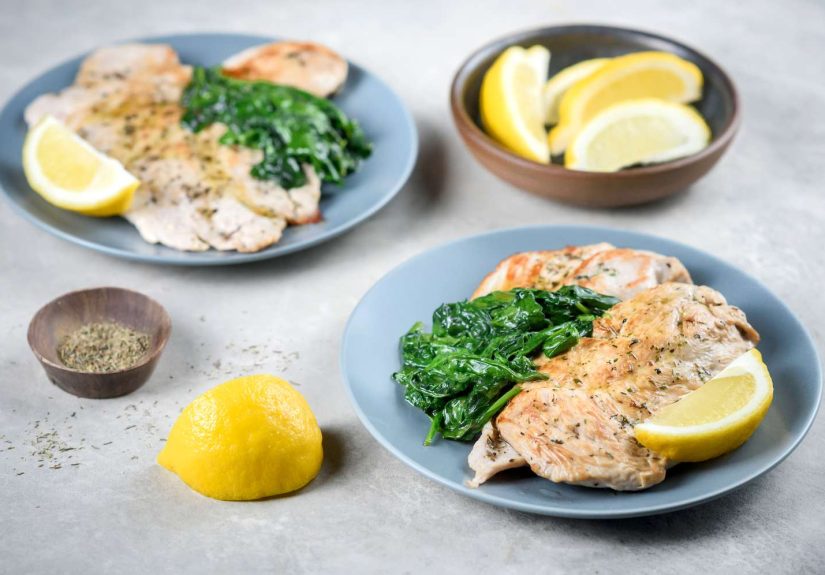
We’re here for a 10-minute pan-seared lemon-herb turkey breast that’s juicy, golden, and so bright and zesty it tastes like you have your life togethereven if your sink is full of “soaking” dishes.
This recipe borrows the best ideas from classic skillet cutlets and lemon-butter pan sauce techniques: thin turkey cutlets cook fast, a hot pan builds flavor, and a quick lemon-herb finish makes it taste like you spent way longer than you did.
It’s weeknight-friendly, meal-prep-worthy, and fancy enough to serve when someone says, “Oh, I’ll just have something light.” (Translation: they’re judging your carbs.)
Why This 10-Minute Turkey Breast Recipe Actually Works
The secret isn’t wizardry. It’s surface area. Thin turkey cutlets (or butterflied slices) cook quickly and evenly, so you don’t get that tragic combo of “raw in the middle, desert on the edges.”
Add a hot skillet, a little fat, and an herby lemon finish, and you’ve got a lean protein that tastes… not lean.
The three rules of juicy pan-seared turkey
- Go thin: About 1/4-inch thick is the sweet spot for quick cooking and tenderness.
- Go dry: Pat the turkey dry so it browns instead of steaming.
- Go by temperature: Turkey is safest at 165°F. A thermometer = confidence.
Main Keywords and Flavor Profile
If you’re here for the SEO-y stuff, here you go (but we’ll keep it natural): this is a pan-seared turkey breast recipe with lemon herb butter vibes, made fast in one skillet.
Think: bright citrus, fragrant herbs, a lightly browned crust, and a quick pan sauce that makes you want to lick the spoonpolitely, when no one’s watching.
Ingredients (Simple, Real-Life Pantry Friendly)
Makes 4 servings (or 2 servings plus “oops I ate some while plating”).
- 1 to 1 1/4 pounds turkey breast cutlets (or turkey breast sliced thin / butterflied)
- 1 teaspoon kosher salt (adjust to taste)
- 1/2 teaspoon black pepper
- 1 teaspoon garlic powder (or 2 cloves fresh garlic, minced)
- 1 to 2 teaspoons Italian seasoning (or your own herb blend)
- Zest of 1 lemon (save the juice!)
- 2 tablespoons olive oil
- 2 tablespoons butter (optional but highly persuasive)
- 1/3 cup chicken broth (or turkey broth / water in a pinch)
- 2 to 3 tablespoons fresh lemon juice
- 2 tablespoons chopped fresh parsley
Optional upgrades (choose your own adventure)
- Fresh herbs: thyme, rosemary, sage, oregano, or marjoram
- Red pepper flakes: for a gentle kick
- Capers: for a piccata-style tang
- Flour: a light dusting for extra browning and a slightly thicker sauce
- Baby spinach or arugula: to wilt into the pan at the end
Tools You’ll Need
- Large skillet (stainless steel or cast iron is great)
- Tongs
- Instant-read thermometer (recommended for perfect doneness)
- Cutting board + knife
- Optional: meat mallet (or rolling pin, or a sturdy mugno judgment)
Prep Notes: How to Get Turkey Ready in 2 Minutes
1) Make the cutlets thin and even
If your turkey is already labeled “cutlets,” you’re golden. If it’s thicker, place it between plastic wrap and gently pound to an even thickness
(aim for around 1/4 inch). Even thickness = even cooking = no dry edges.
2) Pat it dry (this matters)
Moisture on the surface prevents browning. Paper towels are your best friend here.
Think of it like giving your turkey a quick spa towel-off before it hits the hot skillet.
3) Season with lemon zest and herbs
Lemon zest brings big citrus flavor without adding extra liquid (which would slow browning).
Herbs + garlic give you that “restaurant aroma” that makes neighbors wonder if they should casually “stop by.”
10-Minute Pan-Seared Lemon-Herb Turkey Breast: Step-by-Step
Cook time: about 10 minutes. Total time: about 15 minutes (including quick prep).
-
Season the turkey (1 minute):
Sprinkle turkey cutlets on both sides with salt, pepper, garlic powder, Italian seasoning, and lemon zest.
If you’re using fresh herbs, press them onto the surface so they stick. -
Heat the skillet (1 minute):
Place a large skillet over medium-high heat. Add olive oil and let it shimmer.
(If it looks sleepy, it’s not hot enough. You want “ready to sear,” not “warming up emotionally.”) -
Sear the first side (3 minutes):
Add turkey cutlets in a single layer. Don’t crowd the pangive each piece space to brown.
Cook undisturbed until golden. -
Flip and finish cooking (2 to 4 minutes):
Flip the cutlets and cook until the thickest part reaches 165°F.
Thin cutlets often land around 2–3 minutes on the second side, depending on thickness and heat. -
Rest the turkey (1 minute):
Transfer turkey to a plate and loosely tent with foil. Resting helps keep it juicy. -
Make the quick lemon-herb pan sauce (1 to 2 minutes):
Reduce heat to medium. Add butter (if using) and swirl. Add broth and scrape up the browned bits.
Stir in lemon juice and parsley. Simmer briefly to bring it together. -
Serve (immediate):
Spoon sauce over turkey. Add extra lemon wedges if you like it brighter.
Congratulations: you just made turkey exciting.
Minute-by-minute timing (because life is chaos)
- Minute 0–1: Season turkey
- Minute 1–2: Heat oil in skillet
- Minute 2–5: Sear side one
- Minute 5–8: Sear side two + temp check
- Minute 8–10: Quick sauce + plate
How to Know When Turkey Breast Is Done (Without Guessing)
Turkey is safest when it hits 165°F in the thickest part. With thin cutlets, the thermometer reading climbs fast,
so check early and often. Pulling it right at 165°F keeps it tender and prevents overcooking.
No thermometer? You can slice one piece to check: the juices should run clear and the center should look opaque.
But honestly, a thermometer is the easiest way to turn “I hope this is cooked” into “I know this is perfect.”
Flavor Variations (Same 10-Minute Method, Different Vibes)
Lemon-Caper “Piccata-ish” Turkey
Add 1–2 tablespoons capers to the sauce with the broth. Finish with extra lemon juice and parsley.
It’s tangy, briny, and makes plain rice taste like it’s wearing a tuxedo.
Garlic-Rosemary Turkey Cutlets
Swap Italian seasoning for chopped rosemary and thyme. Add minced garlic to the butter for 30 seconds before broth goes in.
Smells like you own a countryside cottage (even if you’re in an apartment with a very determined smoke detector).
Crispy, Lightly Dredged Turkey
Dust cutlets lightly with flour before searing. You’ll get more browning and a slightly thicker sauce.
This is a great move if your cutlets are extra lean and you want more “golden crust energy.”
Dairy-Free Lemon-Herb Turkey
Skip butter and finish the sauce with a drizzle of olive oil plus extra lemon zest.
Still bright, still delicious, still weeknight-friendly.
Serving Ideas: What Goes With Lemon-Herb Turkey Breast?
This dish plays well with basically everything. It’s like the friendly kid in school who got invited to every lunch table.
- Quick greens: sautéed spinach, green beans, or broccoli
- Starches: rice, couscous, mashed potatoes, quinoa, or buttered noodles
- Salads: arugula with shaved Parmesan, simple mixed greens, or a Greek-style salad
- Weeknight combos: turkey + bagged salad + microwaved sweet potato (no shame, only efficiency)
Meal Prep and Storage Tips
How to store
Store cooked turkey and sauce in an airtight container in the fridge for up to 3–4 days.
Keep sauce separate if you can (it reheats more gently that way), but it’s not mandatory.
How to reheat without drying it out
- Skillet: low heat + a splash of broth or water + cover for a minute
- Microwave: short bursts at 50–70% power with a spoonful of sauce on top
- Pro tip: slice first, then reheatthin slices warm faster and stay juicier
Freezing?
You can freeze cooked turkey cutlets, but the texture is best fresh. If you do freeze, wrap well and freeze up to 2 months.
Thaw in the fridge overnight and reheat gently with a splash of liquid.
Common Mistakes (And How to Avoid Them)
Mistake #1: Cooking thick turkey like it’s a steak
Turkey breast is lean. Thick pieces take longer, and longer cooking increases dryness risk.
Thin cutlets are your shortcut to juicy results.
Mistake #2: Moving the turkey too soon
If you flip too early, you lose browning and flavor. Let it sear undisturbed until it releases easily from the pan.
Mistake #3: Turning lemon juice into a burnt situation
Lemon juice is best added after searing, once the heat is reduced, so it stays bright and doesn’t taste harsh.
Mistake #4: Skipping the thermometer
Lean proteins have a narrow window between “perfect” and “why is it so dry?” Checking temperature keeps you in that sweet spot.
FAQs: Quick Answers for Busy Cooks
Can I use turkey tenderloin instead of cutlets?
Yesslice it into medallions and pound thin, or butterfly it for faster cooking. The key is even thickness.
Can I make this with chicken breast?
Absolutely. Use the same method with thin chicken cutlets. Timing will be similar, depending on thickness.
What herbs work best with lemon?
Parsley, thyme, rosemary, oregano, and sage are all great. For the brightest, most classic combo, use parsley + thyme.
How do I keep turkey cutlets from sticking?
Make sure the pan and oil are hot, and don’t try to flip early. Once a crust forms, the turkey releases more easily.
Conclusion: Weeknight Turkey That Doesn’t Feel Like a Compromise
This 10-minute pan-seared lemon-herb turkey breast is the kind of recipe you keep in your back pocket for nights when you want real food fast.
It’s bright, savory, and flexible enough to match whatever you’ve got in the fridge. Make it once, and turkey breast might finally earn a better reputation in your kitchen.
of Real-World “Kitchen Experience” Tips (What Cooks Notice After Making This a Few Times)
Here’s the funny thing about quick recipes: they’re only “quick” after you’ve made them once and learned the little moves that make everything smoother.
The first time you cook pan-seared turkey cutlets, you might spend a minute staring at the skillet like it owes you money, wondering if it’s hot enough.
The second time, you’ll know exactly what “shimmering oil” looks like. The third time, you’ll be seasoning turkey while the pan heats because you’ve become a person who multitasks.
Who are you? A kitchen superhero. With a lemon.
One of the biggest “aha” moments people have with turkey breast is realizing how much thickness controls everything. If the cutlets are uneven, the thin edges finish early and get dry while the thick center still needs time.
That’s why a quick pound (gently!) is less about aggression and more about fairness. Every bite deserves the same juicy fate.
And if pounding meat feels like a weird stress-relief session, well… it’s cheaper than therapy and you get dinner at the end.
Another real-life win is learning the difference between herb flavor and herb perfume. Fresh herbs smell amazing, but they can burn if the pan is screaming hot.
The trick many home cooks land on is this: put sturdier herbs (like thyme and rosemary) on the turkey for searing, and save delicate herbs (like parsley) for the sauce at the end.
That way, your kitchen smells like a fancy bistro, but your herbs don’t taste like they got lost in a campfire.
Then there’s lemon. Lemon can be bright and uplifting… or it can be loud and sharp if you dump too much in at the wrong time.
Zest is the quiet genius here: it adds lemony aroma without extra acidity. Lemon juice is the finishing movebest stirred in once the heat drops, so it stays fresh.
Many cooks end up squeezing a little lemon at the end right on the plate too, because that final pop of citrus makes the whole dish taste more alive.
The sauce is also where people get creative. Some nights, it’s broth + lemon + parsley, simple and clean. Other nights, a spoonful of capers turns it into a piccata-style situation.
A tiny bit of Dijon can give it a gentle tang. A sprinkle of red pepper flakes can wake up the whole skillet.
Once you realize the sauce is basically a “choose your own flavor” zone, this recipe becomes less of a single meal and more of a repeatable system for fast, flavorful dinners.
Finally, the most relatable lesson: the pan is doing more work than you are. Those browned bits (the fond) are flavor.
Scrape them up with broth, swirl in butter, squeeze in lemon, and suddenly you’ve got something that tastes like efforteven when the clock says you’ve only been cooking for ten minutes.
Which is perfect, because you can use those extra minutes for important things. Like deciding what you’re watching while you eat.