Table of Contents >> Show >> Hide
- What “Eiffel – Side Shell” Means (Without the Design-School Tuition)
- Why This Chair Became an Icon (And Why It’s Still Everywhere)
- Anatomy of the Eiffel Side Shell
- Comfort: Honest Notes From the Real World
- How to Choose the Right Eiffel – Side Shell for Your Space
- Style: Color, Texture, and the “Collector Brain” Effect
- Care and Cleaning: Keep It Nice Without Babying It
- Buying Smart: Authenticity, Quality, and Avoiding Regret
- Sustainability: The “Long Life” Argument (Plus Material Reality)
- Common Issues (and Fixes That Don’t Require a Toolbox PhD)
- Wrap-Up: Why Eiffel – Side Shell Still Works
- Experiences: Living With an Eiffel Side Shell
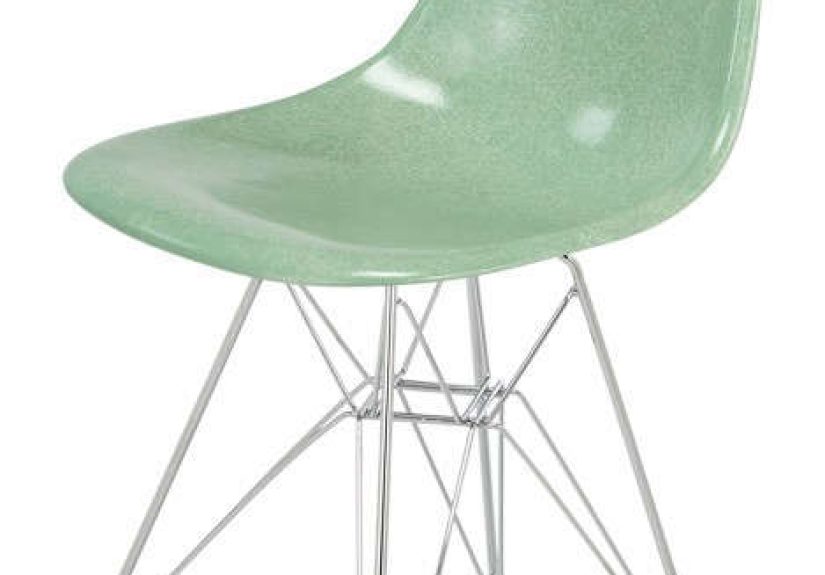
“Eiffel – Side Shell” sounds like a spy code name (or a fancy pastry). In furniture-world, it’s much simplerand way more useful: a side shell (an armless molded seat) sitting on the iconic Eiffel-style wire base (that crisscrossed “rod” base that looks like it could hold up a small bridge… or at least your posture through dinner).
This chair is a design chameleon. It can play “mid-century modern classic” in a dining room, “creative-professional who owns at least one plant” in a home office, and “cool café that charges extra for oat milk” in commercial spaces. If chairs had résumés, the Eiffel side shell would be the one with three pages of experience and perfect references.
What “Eiffel – Side Shell” Means (Without the Design-School Tuition)
Side shell = armless, molded seat
“Side chair” is furniture shorthand for an armless chairusually meant for dining tables, desks, or anywhere you want seating that tucks in neatly. “Shell” refers to the seat being a single molded form (rather than a separate back, seat, and frame). The magic is in that one-piece curve: it supports your back, gives your shoulders room, and looks clean from every angle.
Eiffel base = the wire “rod” base that made geometry popular
The Eiffel base is the webbed steel-wire base associated with the Eames-era molded shell chair familynicknamed “Eiffel” because its angled, lattice-like structure brings Eiffel Tower energy to your floor plan. It’s airy, strong, and visually lighter than a chunky four-leg frame. Translation: it looks like it belongs in a stylish room even when the rest of the room is still “laundry-chair chic.”
Why This Chair Became an Icon (And Why It’s Still Everywhere)
It was born from a real problem: affordable modern seating
The molded shell chair story is tied to a postwar push for smart, efficient designfurniture that could be produced at scale without feeling cheap. Early development involved experimenting with new materials and manufacturing methodsespecially molded forms that could “receive the body” comfortably. That focus on function first is exactly why the shape still feels right today.
It’s a system, not a single chair
One reason the design aged so well: it was conceived as a flexible family. Different shells (with or without arms) could pair with different bases (wood dowels, wire rods, rockers, stacking bases, office bases). That modular thinking is basically the IKEA mindsetexcept with more museum exhibitions.
Anatomy of the Eiffel Side Shell
1) The shell: fiberglass, plastic, or upholstered variants
In modern production, you’ll see side shells in different materials. Fiberglass versions are prized for their depth, texture, and that slightly organic “fiber” look that catches light in a way flat plastic can’t. Recycled molded plastic options lean practical: lighter, consistent color, easier maintenance, and often positioned as a more sustainability-forward choice.
Upholstered pads (seat-only or full upholstery) add comfort for long sits and soften the lookgreat if your dining table doubles as your laptop battlefield.
2) The Eiffel base: elegant structure with real strength
The wire base isn’t just prettyit distributes weight through multiple welded rods, giving stability without visual bulk. It’s especially good in smaller rooms because it doesn’t “visually crowd” the floor the way heavier bases can. (Bonus: it photographs well. Your chair will look good even if your snack choices are questionable.)
3) The small stuff that matters: mounts, glides, and finishes
A great Eiffel side shell chair feels solid because the connection points (mounts/fasteners) are well-aligned and the floor glides are doing their job. On hard floors, the right glides prevent scratching and reduce wobble. On rugs, they help the chair sit evenly instead of developing a dramatic “lean” like it’s listening to jazz.
Comfort: Honest Notes From the Real World
It’s supportive… with a “dining chair” personality
The molded curve is surprisingly ergonomic for such a simple form. You get back support without an overstuffed silhouette, and the waterfall-ish front edge helps reduce pressure behind the thighs. But it’s still a side chairdesigned for meals, meetings, and focused work, not all-day lounging.
How to make it comfier (without ruining the vibe)
- Add a thin seat pad if you sit for long stretchesespecially at a desk.
- Check seat height vs. your table so you’re not shrugging your shoulders up to your ears while eating.
- Use felt or appropriate glides to stop micro-wobbles that slowly steal your sanity.
How to Choose the Right Eiffel – Side Shell for Your Space
Dining rooms: the classic use case
Eiffel side shells shine at dining tables because they tuck in neatly and don’t block sightlines. For a clean, timeless look, use the same shell color all around. For a more lived-in, design-forward feel, mix colors within the same palette (earthy neutrals, muted pastels, or bold primaries).
Home office: a stylish chair that doesn’t scream “office chair”
If your desk lives in a bedroom or living room, the Eiffel base is your friend: visually light, modern, and easy to integrate. Consider a seat pad or upholstery if you do long sessions. If you’re tall, pay attention to how your knees align under the desk comfort is mostly geometry pretending to be “taste.”
Small spaces: let the base do the heavy lifting (visually)
In tight apartments, bulky furniture can make a room feel crowded. The wire base keeps the floor visible, which tricks the eye into feeling like there’s more space. It’s the closest thing to “decluttering” without actually decluttering.
Commercial spaces: durability + easy reset
Restaurants and studios like these chairs because they’re tough, quick to wipe down, and easy to move. Choose finishes that can handle frequent cleaning, and make sure glides match your flooring to reduce wear.
Style: Color, Texture, and the “Collector Brain” Effect
Fiberglass texture: the not-so-secret sauce
Fiberglass side shells often have subtle variation and depth. In bright rooms, they look richer; in moody rooms, they look warmer and more sculptural. If you want a chair that feels like a design object (not just a seat), fiberglass is the move.
Base finishes: chrome, black, zinc/copper vibes
Base finish changes the whole personality. Chrome reads classic and crisp, black reads modern and graphic, and warmer finishes can feel more “boutique hotel” than “dining room set.” Pick based on the metals already in your room (lights, cabinet pulls, table legs) so it feels intentional.
Care and Cleaning: Keep It Nice Without Babying It
Fiberglass shells: gentle cleaning, no aggression
Treat fiberglass like a nice car interior, not a kitchen pan. For routine cleaning, use a soft cloth with mild detergent and warm water, then rinse and dry. For scuffs or stubborn dirt, a soft bristle brush can help. If the finish looks dull after cleaning, an automotive paste wax can restore sheen. Avoid abrasive cleaners that can damage the surface.
Wire bases: keep it simple
Wipe with mild detergent and warm water, then rinse and dry. Skip harsh solvents and abrasive kitchen cleaners. If you live in a humid area, keep an eye on the finish and address any spots early.
Buying Smart: Authenticity, Quality, and Avoiding Regret
Know what you’re shopping for
“Eiffel side shell” gets used loosely online. Some listings mean a true molded shell with a well-made welded rod base. Others mean “Eames-style.” Decide upfront whether you want:
- Licensed originals (often from established manufacturers/brands tied to the design legacy)
- High-quality reinterpretations (craft-focused makers producing shells with premium processes)
- Budget replicas (may look fine in photos but vary widely in comfort, stability, and longevity)
What quality looks like in person
- Solid welds and alignment on the Eiffel base (no crooked stance, no sketchy joints).
- Clean mounting points where the base meets the shell (tight fit, no sloppy gaps).
- Even glides so it sits stable without rocking.
- Shell consistency (for plastic) or deliberate, attractive texture (for fiberglass).
Sustainability: The “Long Life” Argument (Plus Material Reality)
The most sustainable chair is often the one you don’t replace. Eiffel side shells can last for yearssometimes decadesbecause the design is structurally efficient and easy to maintain. That said, materials matter: recycled molded plastic options are often marketed as a sustainability improvement. Fiberglass has a different profilehighly durable and beautiful, but not the easiest material to recycle.
If you want to make a sustainability-forward choice, consider recycled plastic shells, buy fewer chairs of higher quality, and prioritize care so they stay in service. Also: buying secondhand keeps furniture in circulation and reduces demand for new production. Vintage is basically the original circular economy.
Common Issues (and Fixes That Don’t Require a Toolbox PhD)
The wobble
If your chair wobbles, check the floor glides firstuneven glides are the #1 culprit. If glides are fine, tighten hardware gradually (don’t over-torque). A well-built Eiffel base should sit confidently, not audition for a balancing act.
Scuffs and dullness
Clean gently first. If the shell looks dull, consider a paste wax approach appropriate for fiberglass. Avoid aggressive abrasivesscratches are forever, and the chair will remember what you did.
Squeaks
Squeaks often come from hardware that needs tightening or from glides interacting with the floor. Address the simple stuff first. If the chair is a replica with loose tolerances, squeaks may be part of the “price point soundtrack.”
Wrap-Up: Why Eiffel – Side Shell Still Works
The Eiffel – Side Shell chair endures because it solves multiple problems at once: it looks light, sits comfortably, fits into countless interiors, and scales from “one chair at a desk” to “eight around a dining table” without feeling like a matching set from a big-box store. It’s functional design with personalityconfident, not loud.
If you’re building a home piece by piece, this is one of those rare buys that doesn’t feel like a trend. It’s a reliable classic that still feels modern, which is basically the furniture equivalent of looking good in every decade of your high school reunion photos.
Experiences: Living With an Eiffel Side Shell
The first thing you notice when you live with an Eiffel side shell isn’t the history or the design pedigreeit’s how often you end up using it. It becomes the default chair. The “pull it over here for a second” chair. The chair you grab when you’re opening a package because apparently the floor is lava. The wire base makes it easy to slide without feeling flimsy, and the shell has that satisfying “one-piece” sturdiness that doesn’t rattle when you shift your weight.
In a dining setup, the experience is quietly perfect. The chair tucks under the table cleanly, which sounds minor until you realize how much visual mess bulky chair legs create. With the Eiffel base, the floor stays visible and the room feels calmer. Sitting down, the shell gives you a gentle cradle enough back support to feel intentional, but not so much that it tells you how to sit. It’s the kind of chair where dinner turns into dessert turns into “okay, one more story,” and you don’t feel punished for it.
At a desk, the chair feels like a design upgrade immediately. It doesn’t shout “task chair,” but it also doesn’t behave like a decorative chair that gives up after twenty minutes. The trick is to treat comfort like a system: the chair plus the right desk height plus the right glides. When those line up, the experience is smoothyour feet land naturally, the shell supports your lower back better than it has any right to, and the chair feels stable even when you’re leaning forward. If you’re doing long work sessions, adding a thin pad turns it from “stylish and fine” into “surprisingly cozy.”
The daily-life quirks are real, too. On hard floors, you learn quickly that glides matter. The wrong ones can make the chair feel scratchy or slightly unstable, which is the furniture version of a pebble in your shoe. The right glides make it glide (shocking), reduce noise, and keep everything feeling premium. Also, the Eiffel base has a visual lightness that can fool guests into thinking it’s delicate. It’s not. People sit, shift, lean, and the chair handles it. The base looks like a drawing but acts like a little piece of engineering.
The biggest “owner experience” surprise is how the chair changes with light. Fiberglass shells, especially, have depthsubtle fibers, tiny variations, and a finish that looks different morning vs. night. It’s a small joy: you don’t get bored of it. And when you’re styling a room, the chair gives you an easy win. Pair it with a simple table and suddenly the whole space feels considered, like you meant to do that. Which is great, because sometimes you didn’t. Sometimes you just wanted a chair. And you accidentally got a classic.