Table of Contents >> Show >> Hide
- The Strange Moment That Made Her Hit The Brakes
- Who Was The Puppy In The Moving Garbage Bag?
- Why This Rescue Story Hit So Many People So Hard
- Animal Abandonment Is Not Just SadIt Is Dangerous
- What To Do If You Find An Animal On The Road
- The Bigger Picture: Shelters Are Still Under Pressure
- Why Hefty’s Story Still Matters Years Later
- Small Choices Can Save Lives
- Experiences And Reflections Related To This Rescue Story
- Conclusion
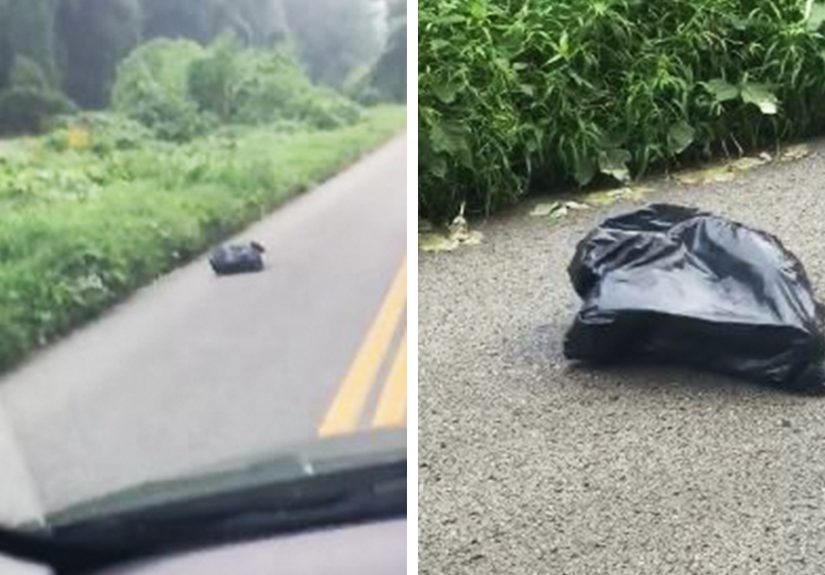
Most drivers have seen strange things on the road: a runaway hubcap, a suspiciously dramatic tumbleweed, maybe one lonely shoe that raises more questions than it answers. But when Kentucky resident Malissa Sergent Lewis noticed a black garbage bag moving on the road, her morning commute instantly turned into something far more serious than a traffic oddity.
She was running late to work and had taken a shortcut, the kind of small decision most people forget five minutes later. Then she saw it: a trash bag that did not behave like trash. It shifted, wobbled, and seemed to move with purpose. That was enough for her to slow down, pull over, and investigate. What she found inside was heartbreaking, shocking, and ultimately life-changing: a small puppy trapped inside the tied bag.
The story of the woman who stopped her car to save a moving garbage bag became widely shared because it contains everything that makes an animal rescue unforgettable: cruelty, courage, timing, compassion, and one very lucky little dog. It is also a reminder that ordinary people can become heroes without a cape, a badge, or even a clean schedule. Sometimes all it takes is noticing that something is wrong and refusing to keep driving.
The Strange Moment That Made Her Hit The Brakes
At first, the bag could have been mistaken for ordinary roadside litter. A gust of wind can make plastic twitch or roll, and drivers are used to seeing trash move in weird ways. But Lewis noticed something different. The bag did not simply blow across the road; it appeared to struggle from within.
That detail mattered. Instead of dismissing it, she trusted her instincts. She slowed her car and got close enough to see that something alive was trapped inside. The situation was frightening because she could not know what animal was in the bag, whether it was injured, or whether it might panic when released. Still, leaving it there was not an option.
When she carefully opened the tied bag, she discovered a puppy. He was wearing a collar but had no identification tag. Despite the terrifying situation, he was alive, alert, and visibly relieved to be freed. For a creature that had just been left in a plastic bag on the side of a road, his reaction was almost painfully innocent: he was happy to see a human.
Who Was The Puppy In The Moving Garbage Bag?
The rescued puppy later became known as Hefty, a name that adds a small spark of humor to an otherwise awful beginning. It is the kind of name that says, “Yes, this story started with a trash bag, but we are absolutely not letting the trash bag win.”
Hefty appeared to be young, friendly, and in surprisingly good condition considering what had happened. Lewis took him with her, made sure he was safe, and later had him checked by a veterinarian. The pup received care, shots, and the chance to recover from a frightening experience that could have ended very differently.
Because he had a collar but no tag, there was an immediate question: had he been abandoned by an owner, stolen and dumped, or placed there by someone else? The exact answer was not clear from early reporting, but the act itself was impossible to defend. A puppy in a tied garbage bag cannot call for help, cannot escape easily, and cannot explain what happened. He depends entirely on the next person who notices.
Why This Rescue Story Hit So Many People So Hard
Animal rescue stories go viral for many reasons, but this one struck a nerve because of the contrast. A garbage bag represents something unwanted and disposable. A puppy represents trust, vulnerability, and the kind of innocent enthusiasm that can make even a gloomy Monday feel like it has a tail wagging at the end of it.
Putting those two images together feels morally upside down. That is why readers reacted so strongly. The story was not just about a puppy being rescued; it was about a living being treated like garbage and then immediately being treated like family.
There is also a powerful “what if” buried inside the story. What if Lewis had not been running late? What if she had taken her usual route? What if she had assumed the movement was wind? What if traffic had been heavier? Many animal rescues come down to timing, and Hefty’s timing was razor-thin. A few minutes, a different driver, or a less curious person could have changed everything.
Animal Abandonment Is Not Just SadIt Is Dangerous
Abandoning an animal is often framed as a sad choice, but it is more than that. It can be deadly. Dogs and cats left on roads face traffic, dehydration, heat, cold, predators, fear, and injury. Puppies are especially vulnerable because they lack the strength, experience, and survival instincts of adult animals.
A tied plastic bag adds another layer of danger. It can restrict movement, limit airflow, trap heat, and prevent an animal from escaping. Even if the animal is not physically injured at first, panic alone can create serious risk. For a puppy, minutes can matter.
This is why animal welfare organizations encourage people to contact local animal control, shelters, humane societies, or law enforcement when they see abuse, neglect, or abandonment. It is also why responsible surrender options exist. A person who can no longer care for a pet should reach out to a shelter, rescue group, veterinarian, or community pet support organization instead of leaving an animal to fend for itself.
What To Do If You Find An Animal On The Road
Not every person will encounter a moving garbage bag with a puppy inside, and frankly, let us hope that remains a rare category of nightmare. But many people do see stray, injured, or frightened animals near traffic. Knowing what to do can help protect both the animal and the rescuer.
Pull Over Only If It Is Safe
The first rule is simple: do not create a second emergency. If you see an animal on or near a road, slow down carefully, signal, and pull over only where it is safe. Avoid sudden stops that could cause an accident. If the road is busy, it may be better to call local animal control or police rather than stepping into traffic.
Approach Calmly And Carefully
A scared animal may bite, scratch, run, or hide even if it is normally friendly. Use a calm voice, move slowly, and avoid chasing. If you have a blanket, carrier, leash, or box in your car, those items can help contain the animal safely. Food can sometimes help lure a frightened pet, but patience matters more than speed.
Contact The Right Local Help
If you can safely contain the animal, contact a shelter, animal control office, or veterinarian for next steps. If the animal is injured or in immediate danger, call emergency services or the appropriate local agency. When reporting the situation, share the exact location, nearby landmarks, road names, and any visible injuries or identifying details.
Check For Identification
A collar, tag, tattoo, or microchip can help reunite a lost pet with its family. Even when abandonment seems likely, it is important not to assume ownership immediately. Local laws often require a holding period or official report before a finder can legally adopt a found animal. The kindest path is also the most responsible one: document, report, scan for a microchip, and follow local rules.
The Bigger Picture: Shelters Are Still Under Pressure
Hefty’s rescue had a happy ending, but many animals are not so lucky. Across the United States, shelters and rescues continue to manage heavy intake, limited space, veterinary costs, staffing challenges, and animals with medical or behavioral needs. Millions of dogs and cats enter shelters each year, and while adoption numbers remain strong, many facilities still operate under serious strain.
This is why individual acts of compassion matter, but they are only one piece of the puzzle. A person who adopts, fosters, volunteers, donates supplies, shares adoptable pets online, or helps a neighbor keep a pet safely at home contributes to a larger rescue network. The goal is not only to save animals after crisis strikes. The goal is to reduce the number of animals who reach crisis in the first place.
Responsible pet ownership also plays a major role. That means choosing pets thoughtfully, budgeting for food and veterinary care, spaying or neutering when appropriate, keeping identification updated, and seeking help before a problem becomes an emergency. A pet is not a cute subscription box with paws. It is a living commitment, and the “unsubscribe” button should never be a roadside ditch.
Why Hefty’s Story Still Matters Years Later
Some viral stories fade after a few days, buried under newer headlines and fresher outrage. But Hefty’s story continues to circulate because it feels timeless. It asks a simple question: What kind of person do you want to be when nobody is forcing you to stop?
Lewis did not know a camera-friendly rescue moment was waiting for her. She did not know the puppy would become known online. She did not know the story would make thousands of people angry, emotional, and grateful. She only knew that something alive was trapped and needed help.
That is the part worth remembering. Compassion often arrives without a spotlight. It looks like being late to work because a puppy matters more than a clock. It looks like opening a bag when the easier option is to keep driving. It looks like turning disgust at cruelty into action.
Small Choices Can Save Lives
One of the most powerful lessons from this story is that rescue does not always begin with expertise. Lewis was not responding as part of a formal rescue operation. She was a driver on her way to work. Her most important qualifications were awareness, caution, and kindness.
That should encourage us. Many people feel helpless when they read animal cruelty stories. They wonder what they could possibly do in the face of such ugliness. The answer is not always dramatic. Keep local shelter numbers in your phone. Carry a spare towel or leash in your car. Report suspected cruelty. Support local rescues. Adopt when you are ready. Foster if you can. Teach kids that animals are not objects. Speak up when someone treats a pet as disposable.
No single person can fix every case of abandonment, but one person can change the entire world for one animal. For Hefty, that one person was Malissa Sergent Lewis.
Experiences And Reflections Related To This Rescue Story
Stories like “Woman Sees A Moving Garbage Bag On The Road, Stops Her Car To Save It” stay with people because they feel uncomfortably possible. Most of us drive past roadside objects every week. We see cardboard boxes, plastic bags, old towels, and mysterious lumps that make us briefly wonder, “What is that?” Then life pulls us forward. We have errands, work, school, groceries melting in the trunk, or a coffee cooling in the cup holder. The world asks us to keep moving.
But animal rescue often begins in the tiny pause between seeing and ignoring. Many rescuers describe the same feeling: something looked wrong, sounded wrong, or moved wrong, and they could not shake it. Maybe it was a kitten crying near a storm drain. Maybe it was a dog circling a parking lot. Maybe it was a cardboard box that seemed too deliberately placed beside a rural road. The experience is rarely convenient. In fact, inconvenience is almost part of the rescue uniform.
One practical lesson from Hefty’s story is to prepare before the emotional emergency happens. Keeping a simple rescue kit in the car can make a major difference. A towel, collapsible bowl, slip leash, pair of gloves, flashlight, and the phone numbers of local animal control and emergency veterinary clinics can turn panic into a plan. You do not need to become a full-time rescuer with a van full of kennels and enough dog treats to bribe a wolf. A few basic supplies can help you respond safely.
Another experience many animal lovers share is the emotional conflict after finding an animal. Your heart may immediately say, “Congratulations, you have a new dog.” Your brain, meanwhile, should gently clear its throat and remind you to check for an owner, scan for a microchip, and contact local authorities or shelters. A found animal may be abandoned, but it may also be lost. Responsible rescue protects the animal and gives any legitimate family a chance to be reunited.
There is also the experience of anger. When people hear about a puppy left in a garbage bag, anger is natural. It means your moral wiring is working. But anger becomes useful only when it turns into action. Reporting cruelty, supporting shelters, helping with transport, fostering short-term, donating food, or sharing verified adoption posts can do more good than simply stewing online. Outrage may light the match, but compassion has to carry the lantern.
Hefty’s story also reminds us that animals often respond to kindness faster than we expect. A frightened puppy may still wag his tail when he realizes help has arrived. A stray dog may lean into the first gentle hand. A rescued cat may hide for days, then suddenly decide your laundry basket is the safest kingdom on earth. These moments do not erase what happened, but they show why rescue work is worth doing.
The best experience to take from this story is not fear of every roadside bag. It is awareness. Look twice. Listen closely. Trust the uneasy feeling when something seems alive, trapped, or in danger. Stay safe, call for help when needed, and remember that compassion does not require perfection. It only requires a decision not to look away.
Conclusion
The story of the woman who saw a moving garbage bag on the road and stopped her car to save it is more than a viral animal rescue. It is a sharp reminder that cruelty can happen quietly, but kindness can interrupt it just as quickly. Malissa Sergent Lewis saw something strange, chose not to ignore it, and gave a helpless puppy named Hefty a future.
For readers, the message is clear: pay attention, act safely, and support the people and organizations working every day to protect abandoned animals. A single stop on the side of the road may seem small, but for one scared animal, it can be the beginning of everything.