Table of Contents >> Show >> Hide
- Why Fall Planting Creates a Spring “Wow”
- The Headliners: Spring-Flowering Bulbs to Plant in Fall
- Beyond Bulbs: Perennials to Plant in Fall for Spring Impact
- Trees and Shrubs: Plant Now for Spring Flowers Later
- Instant Gratification That Still Pays Off in Spring: Pansies and Violas
- Don’t Forget the Lawn: Fall Is How You Get a “Spring Green Carpet”
- A Smart Fall Planting Checklist (So Spring Doesn’t Roast You)
- Common Mistakes That Steal Your Spring Show
- Conclusion: Plant in Fall, Brag in Spring
- Real-World Fall Planting Experiences (The Stuff You Only Learn by Doing)
Fall has big “main character energy” in the garden world. While everyone else is packing away patio cushions and pretending
they’ll remember where they put the citronella candles, gardeners are quietly pulling off the ultimate plot twist:
planting now… so spring shows up looking like it hired a professional stylist.
If you want a spring yard that blooms in waves (not a sad, one-week “hey-I-tried” moment), fall is your launchpad.
Cooler air, workable soil, fewer pests, and more consistent moisture create the perfect conditions for roots to settle in.
Think of fall planting as moving in early and claiming the good parking spot before the rush.
Why Fall Planting Creates a Spring “Wow”
A lot of the plants that star in springespecially bulbsneed a cold period before they’ll flower. When you plant them in fall,
they spend winter doing the quiet work: building roots, storing energy, and basically rehearsing for opening night.
By the time spring warmth arrives, they’re ready to pop up fast and strong.
Fall planting also helps many perennials, trees, and shrubs focus on root growth instead of struggling through summer heat.
That means better drought tolerance later and a stronger start when spring growth kicks in.
The Headliners: Spring-Flowering Bulbs to Plant in Fall
If “beautiful blooming spring yard” were a movie, bulbs would be the A-list cast. They’re easy, dramatic, and come with built-in
special effects (surprise flowers!). Plant them in fall, and they’ll reward you with color when you’re most tired of winter’s
gray mood.
When to Plant Bulbs
The simplest rule: plant when the weather cools and the soil isn’t warm anymore, but before the ground freezes solid.
In many areas, that’s mid-fall through late fall. If you live somewhere with mild winters, some bulbs may need
pre-chilling in the fridge (not the freezer) to mimic winter conditions.
How to Plant Bulbs Like You Know What You’re Doing
- Pick the right spot: Most spring bulbs prefer sun in spring and soil that drains well.
- Plant at the right depth: A common guideline is 2–3 times the bulb’s height (deeper in sandy soil, a bit shallower in clay).
- Pointy side up: The pointed end is the shoot; the flatter end is where roots form.
- Water at planting: Give a deep watering once, then let nature handle most of the rest unless it’s unusually dry.
- Mulch after the ground freezes: Mulch helps reduce freeze-thaw cycles that can heave bulbs upward.
Best Bulbs to Plant for a Blooming Spring Yard (By “Bloom Season”)
To get a yard that stays colorful for weeks, mix early-, mid-, and late-spring bloomers. This creates a relay race of flowers,
where one group hands the baton to the next.
Early Spring (the “winter is over, finally” crew)
- Snowdrops (tiny, early, and brave)
- Winter aconite (bright yellow “sun coins”)
- Crocus (classic early colorgreat for naturalizing)
- Siberian squill and striped squill (blue carpets when planted in drifts)
- Grape hyacinth (small but mighty, and often perennializes well)
Mid Spring (the “now we’re talking” stage)
- Daffodils (reliable, often deer-resistant, and long-lived in many regions)
- Hyacinths (fragrance that makes your porch feel expensive)
- Early to mid-season tulips (bold coloroften best treated as “replant yearly” in many climates)
- Dwarf iris (great for rock gardens and edges)
Late Spring (the “grand finale”)
- Late tulips (parrot, double late, and other show-stopper types)
- Allium (giant purple globes that look like garden fireworks)
- Camassia (spikes of starry flowersexcellent for a naturalized look)
- Anemone (some types bloom late spring into early summer, depending on variety)
- English bluebells (woodland charm in the right setting)
Design Tricks That Make Bulbs Look Intentional (Not Accidental)
- Plant in clusters: A single tulip looks like it got lost. Groups look like a plan.
- Go for drifts: Curved, flowing shapes look natural and “designer.” Straight lines look like a spreadsheet.
- Layer bloom times: Put early bulbs in front, mid-season in the middle, and late-season behind.
- Try “bulb lasagna” in containers: Layer larger bulbs deeper and smaller bulbs closer to the top for stacked blooms.
Beyond Bulbs: Perennials to Plant in Fall for Spring Impact
Fall is a great time to plant many perennials because they can focus on roots instead of fighting summer heat. The result?
They wake up in spring already settled in, like they own the place (because they do).
Perennials That Often Do Well When Planted (or Divided) in Fall
- Peonies: If you want big, romantic blooms, fall planting is a classic move.
- Daylilies: Tough, adaptable, and great for mass planting.
- Hostas: Perfect for shade, and they bulk up nicely after a fall start.
- Iris (bearded types): Often divided and replanted late summer into fall for better bloom performance.
- Sedum (stonecrop): Great structure and late-season interest; strong plants by spring.
- Catmint and salvia: Pollinator-friendly and often rebloom with a little trimming.
If your established perennials are crowded, fall can also be a smart time to divide many of them (with exceptionsavoid
dividing plants that are actively blooming or that dislike disturbance). The goal is to give each plant enough space and roots
to power spring growth.
Trees and Shrubs: Plant Now for Spring Flowers Later
Want big spring drama? Flowering trees and shrubs are the set design. Fall planting gives them time to establish roots while
the soil is still workable. In spring, that head start translates into better growth, better resilience, and (often) better flowering
over time.
Spring-Flowering Favorites to Consider
- Flowering dogwood (classic spring beauty in many regions)
- Redbud (early blooms that look like tiny orchids on branches)
- Magnolia (big flowers, big feelings)
- Lilac (fragrant spring nostalgia)
- Azalea (especially strong in the Southeast, depending on variety)
- Hydrangea (choose types carefully for your climate and pruning needs)
A pro move: water newly planted trees and shrubs consistently until the ground freezes, then mulch the root zone.
And always plant at the natural soil lineburying trunks too deeply can cause long-term problems.
Instant Gratification That Still Pays Off in Spring: Pansies and Violas
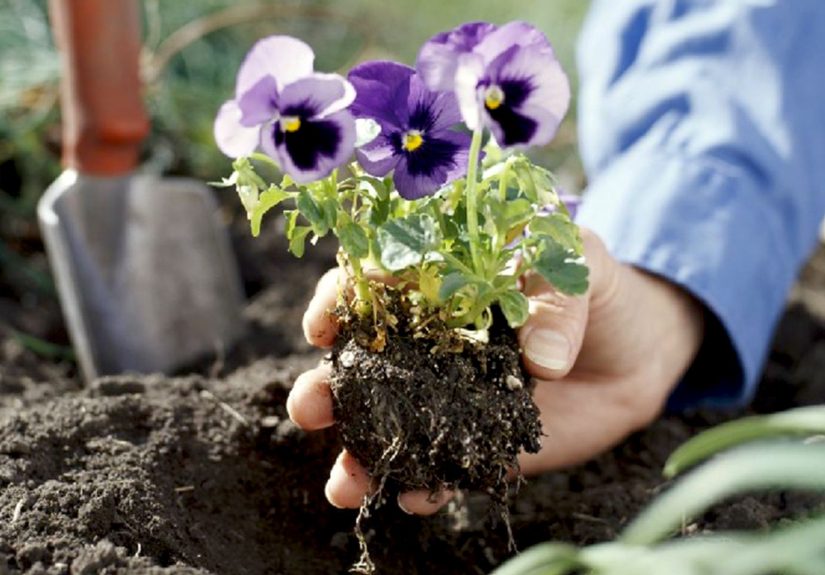
If you’d like some color now and a bonus encore in spring, fall-planted pansies and violas are hard to beat.
In many regions, they establish roots in fall, coast through winter, and start blooming again when temperatures rise.
They’re perfect for beds, borders, and containers by the front doorwhere you actually see them.
Quick Tips for Pansies/Violas
- Plant in fall while soil is still workable: Warm-ish soil helps roots establish.
- Give them sun: They bloom best with good light, especially in cooler seasons.
- Don’t drown them: Moist soil is good; soggy soil is drama.
Don’t Forget the Lawn: Fall Is How You Get a “Spring Green Carpet”
A blooming spring yard looks even better when it isn’t surrounded by patchy turf that resembles a badly cut rug.
For many cool-season grasses, fall is the best time to overseed, repair thin spots, and improve soil.
Roots grow well in cool weather, weeds are less aggressive, and spring growth comes in thicker.
Simple Fall Lawn Upgrades
- Overseed thin areas: Choose a grass type suited to your region and sun/shade conditions.
- Topdress with compost: A thin layer can improve soil structure and microbial life.
- Fix drainage issues: Soggy spots in fall become muddy problems in spring.
A Smart Fall Planting Checklist (So Spring Doesn’t Roast You)
- Choose the right plants for your climate: Check your USDA hardiness zone and pick varieties that match.
- Prioritize drainage: Bulbs and many perennials hate wet feet.
- Plant at correct depth: Follow package guidance; the 2–3x height rule works well for many bulbs.
- Water once deeply at planting: Then water only if fall is unusually dry.
- Mulch at the right time: After the ground freezes, not before (early mulch can invite critters and retain too much warmth).
- Label what you planted: Spring you will not remember what “mystery bulbs” are. Spring you will be grateful.
Common Mistakes That Steal Your Spring Show
1) Planting bulbs too early in warm soil
Warm soil can encourage premature growth or increase rot risk. It’s better to wait until things cool down, even if the garden
center display is flirting with you in September.
2) Planting in soggy soil
Poor drainage is one of the fastest ways to lose bulbs. If your soil holds water, amend it with organic matter, consider raised
beds, or use containers.
3) Cutting bulb foliage too soon in spring
After blooms fade, the foliage is still workingphotosynthesizing and rebuilding the bulb for next year. Let it yellow naturally
before removing it (yes, even if it looks messy for a bit).
4) Storing bulbs incorrectly before planting
If you buy bulbs early, store them cool, dry, and ventilated. Avoid storing bulbs near fruit, since some fruit releases gases
that can damage developing flower parts.
Conclusion: Plant in Fall, Brag in Spring
A beautiful blooming spring yard isn’t luckit’s planning. Fall is when you plant the bulbs that bring early color, the perennials
that wake up strong, and the trees and shrubs that add structure and flowers for years. Add pansies for immediate cheer, fix up
your lawn while it’s cooperative, and you’ll step outside in spring to a yard that looks like it had a secret winter glow-up.
Your future spring yard is hiding in fall soil. Go tuck it in.
Real-World Fall Planting Experiences (The Stuff You Only Learn by Doing)
Ask any gardener what they planted in fall, and you’ll usually get two answers: what they planned to plant…and what they
actually planted after walking through the bulb aisle “just to look.” One of the most common experiences is realizing that
bulbs are sold like candy. You start with “a few tulips,” then you blink, and you’re carrying a basket that could qualify as a
small landscaping project. The funny part is: spring rewards that enthusiasm. A handful of bulbs can look fine, but a bigger
drift looks intentionallike the yard had a plan all along.
Another classic lesson is timing. Many gardeners learn (sometimes the hard way) that calendar dates are less helpful than soil
conditions. A warm fall can stretch longer than expected, and planting too early can lead to bulbs sitting in overly warm soil.
A simple soil thermometer becomes the unsung hero of the season. The experience here is oddly satisfying: checking the soil,
waiting for that cooler window, planting, and then feeling like you timed a heist perfectly. When spring comes and your blooms
pop up evenly, you’ll swear the thermometer deserves a small trophy.
Then there’s the “squirrel situation.” Lots of gardeners discover that squirrels don’t see bulbs as plantsthey see them as buried
snacks or, at minimum, as suspicious objects that must be investigated immediately. People get creative: planting bulbs deeper,
covering beds with hardware cloth for a couple of weeks, or choosing more critter-resistant bulbs (daffodils are a popular pick).
The experience isn’t just frustrationit’s learning that gardening is a relationship with nature, and nature has opinions.
The good news: once bulbs root in and the soil settles, the critter curiosity often fades.
A favorite success story involves layering bloom times. Gardeners who try it once rarely go back. They’ll plant small early bulbs
near the front, mid-season bulbs behind them, and taller late bloomers toward the backor use layered container planting.
The experience feels like watching a well-planned show: early spring starts with tiny bright pops, mid spring gets lush and
colorful, and late spring finishes with big, dramatic blooms. It’s the difference between “I have flowers” and “my yard has a
schedule.”
Finally, there’s the emotional payoff that hits every year: the first spring bloom after a long winter. It’s not just a flowerit’s
proof that your fall effort mattered. Many gardeners describe it as a tiny, personal victory over winter. You’ll walk outside,
spot the first crocus or daffodil, and suddenly you remember every chilly afternoon you spent digging holes in fall. It’s a weird
kind of joy: you did something months ago, and now it’s blooming like a thank-you note from the ground. That feeling is why
fall planting becomes a tradition, not just a chore.