Table of Contents >> Show >> Hide
- What Is Dry Eye Disease?
- Why Treating Dry Eye Matters
- What Causes Dry Eye?
- What Happens If Dry Eye Is Not Treated?
- How Dry Eye Is Diagnosed
- Dry Eye Treatment Options
- When Should You See an Eye Doctor?
- Daily Habits That Support Dry Eye Treatment
- Experience-Based Section: What Treating Dry Eye Feels Like in Real Life
- Conclusion
Dry eye sounds like one of those “small” health problems people expect to fix with a heroic blink and a glass of water. But if you have ever stared at a laptop while your eyes felt like tiny campfires, you already know dry eye can be much more than a mild nuisance. It can make reading harder, driving less comfortable, contact lenses unbearable, and everyday screen time feel like a staring contest you are definitely losing.
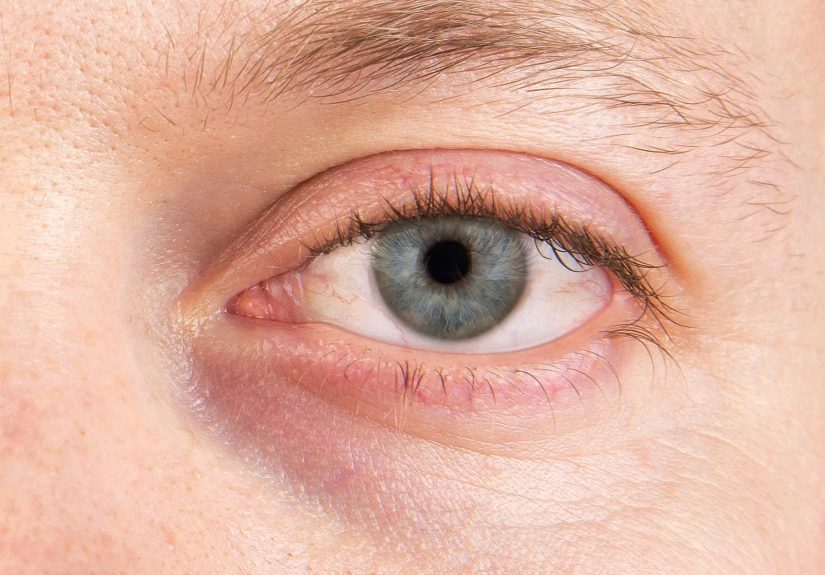
Dry eye disease happens when your eyes do not produce enough tears, your tears evaporate too quickly, or the tear film is not healthy enough to protect and lubricate the surface of the eye. Tears are not just emotional confetti. They are a carefully balanced mixture of water, oil, mucus, antibodies, and nutrients that help keep the eye smooth, clear, and comfortable.
So, why is it important to treat dry eye? Because untreated dry eye can become a cycle of irritation, inflammation, unstable vision, and damage to the ocular surface. Treating it early can protect your comfort, your vision quality, your cornea, and your ability to get through daily life without feeling like someone replaced your eyelids with sandpaper.
What Is Dry Eye Disease?
Dry eye disease, also called dry eye syndrome or keratoconjunctivitis sicca, is a common eye condition that affects the tear film. The tear film has three main layers: an oily layer that slows evaporation, a watery layer that hydrates and nourishes, and a mucus layer that helps tears spread evenly across the eye. When one or more of these layers is out of balance, symptoms can appear.
There are two major types of dry eye. Aqueous-deficient dry eye occurs when the eyes do not produce enough watery tears. Evaporative dry eye happens when tears dry up too quickly, often because the meibomian glands in the eyelids are not producing enough healthy oil. Many people have a mix of both types, because apparently the eyes enjoy making things complicated.
Common Symptoms of Dry Eye
Dry eye symptoms can vary from person to person, but they often include:
- Burning, stinging, or scratchy eyes
- A gritty feeling, as if something is stuck in the eye
- Redness or irritation
- Watery eyes, especially when the eye overreacts to dryness
- Blurry or fluctuating vision
- Light sensitivity
- Eye fatigue after reading or screen use
- Discomfort while wearing contact lenses
- Mucus around the eyes
One of the sneakiest symptoms is watery eyes. Many people think, “My eyes are watering, so they cannot be dry.” But watery eyes can happen when the eye surface becomes irritated and triggers reflex tearing. These emergency tears may be watery but not well-balanced, so they do not solve the underlying problem.
Why Treating Dry Eye Matters
Treating dry eye is important because the condition can affect far more than comfort. Healthy tears help maintain clear vision, wash away debris, protect against infection, and support the smooth surface of the cornea. When the tear film breaks down, the eye surface becomes more vulnerable.
1. Treatment Protects the Cornea
The cornea is the clear front window of the eye. It needs moisture to stay smooth and transparent. When dry eye becomes chronic, the cornea can become irritated and inflamed. In more serious cases, untreated dry eye may contribute to corneal abrasions, ulcers, scarring, or infection.
That does not mean every dry eye case is an emergency. Many cases are mild and manageable. But ignoring persistent symptoms is not wise. The longer the eye surface remains inflamed, the more likely symptoms are to become stubborn, recurring, and harder to control.
2. Treatment Improves Vision Quality
Your tear film is the first surface light passes through before entering the eye. If that surface is uneven, vision can blur, shimmer, or change throughout the day. This is why some people with dry eye notice that their vision clears briefly after blinking or using artificial tears, then becomes blurry again.
Dry eye can make reading, driving, studying, gaming, working, or scrolling through social media feel more difficult. It may not always reduce vision on an eye chart, but it can make real-world vision feel unstable. Treating dry eye helps restore a smoother tear film, which can improve clarity and reduce visual fatigue.
3. Treatment Reduces Inflammation
Dry eye is not just about a lack of moisture. In many cases, inflammation plays a major role. A dry, irritated eye surface can trigger inflammation, and inflammation can further damage tear-producing glands and the ocular surface. This creates a frustrating loop: dryness causes inflammation, inflammation worsens dryness, and your eyes file a formal complaint.
Proper treatment can help break this cycle. Mild dry eye may improve with artificial tears, warm compresses, eyelid hygiene, and environmental changes. Moderate or severe dry eye may require prescription anti-inflammatory drops, tear-stimulating medications, punctal plugs, or other treatments recommended by an eye care professional.
4. Treatment Makes Screen Time More Comfortable
Screens are not the only cause of dry eye, but they are excellent at making symptoms worse. When people use computers, phones, tablets, or gaming devices, they often blink less often and less completely. Fewer full blinks mean tears are not spread properly across the eye surface.
If you spend hours on screens, untreated dry eye can lead to burning, headaches, eye fatigue, and blurry vision by the end of the day. Treating dry eye can make digital life less punishing. Helpful habits include blinking intentionally, taking screen breaks, lowering air flow from fans or vents, using a humidifier, and following the 20-20-20 rule: every 20 minutes, look at something about 20 feet away for 20 seconds.
5. Treatment Helps Contact Lens Wearers
Dry eye and contact lenses are not always best friends. Contact lenses sit on the tear film, so when tears are unstable, lenses can feel dry, sticky, or painful. Some people start removing their contacts earlier in the day. Others switch to glasses because their lenses feel like tiny plastic pancakes of regret.
Treating dry eye may improve contact lens comfort. An eye doctor may recommend preservative-free lubricating drops, different lens materials, daily disposable lenses, treatment for eyelid inflammation, or specialty lenses such as scleral lenses for more advanced cases.
What Causes Dry Eye?
Dry eye can have many causes, and more than one may be involved at the same time. That is one reason treatment should be personalized instead of copied from a random internet comment written by someone named “BlinkMaster97.”
Common Risk Factors
- Age: Tear production often decreases as people get older.
- Hormonal changes: Dry eye is more common during pregnancy, menopause, or with certain hormonal changes.
- Medications: Antihistamines, some antidepressants, decongestants, blood pressure medicines, and other drugs may worsen dryness.
- Medical conditions: Autoimmune conditions such as Sjögren’s disease, rheumatoid arthritis, lupus, diabetes, thyroid disease, and allergies can contribute.
- Meibomian gland dysfunction: Blocked or unhealthy oil glands in the eyelids can cause tears to evaporate too quickly.
- Environment: Wind, smoke, dry indoor air, air conditioning, and heating systems can increase evaporation.
- Screen use: Long periods of reduced blinking can make symptoms worse.
- Eye surgery: Some people experience dry eye after LASIK, cataract surgery, or other procedures.
- Contact lenses: Lens wear can worsen dryness in some people.
Because dry eye has so many possible triggers, successful treatment often starts with identifying what is causing the problem. Treating meibomian gland dysfunction is different from treating autoimmune-related tear deficiency. The bottle of artificial tears on your desk may help, but it may not be the whole plan.
What Happens If Dry Eye Is Not Treated?
Untreated dry eye can remain mild for some people, but for others it gradually becomes more disruptive. Symptoms may flare during certain seasons, after long screen sessions, in dry climates, or when using specific medications. Over time, chronic dryness can affect the eye surface and quality of life.
Possible Complications
Potential complications of untreated or poorly controlled dry eye include:
- Persistent eye irritation
- Recurring redness and inflammation
- Increased sensitivity to light
- Difficulty reading or using screens
- Reduced contact lens tolerance
- Higher risk of eye surface damage
- Corneal scratches or ulcers in severe cases
- Eye infections
- Scarring that may affect vision in advanced cases
The good news is that dry eye is treatable. The not-so-good news is that it may require consistency. Dry eye care is often more like brushing your teeth than taking a one-time magic potion. You manage it regularly to prevent bigger problems later.
How Dry Eye Is Diagnosed
An eye doctor can diagnose dry eye through a combination of symptom history, eye exam, tear testing, and evaluation of the eyelids and glands. They may ask when symptoms occur, what makes them worse, which medications you take, whether you wear contacts, and whether you have other health conditions.
Tests may measure tear production, tear quality, tear breakup time, inflammation, or damage to the eye surface. The doctor may also examine the meibomian glands to see whether the oil layer of the tear film is healthy. This matters because evaporative dry eye is very common and often linked to gland blockage.
Dry Eye Treatment Options
Dry eye treatment depends on severity and cause. The goal is to restore moisture, improve tear quality, reduce inflammation, protect the eye surface, and address underlying triggers.
Artificial Tears
Artificial tears are often the first step for mild dry eye. They lubricate the eye surface and can reduce burning or scratchiness. For frequent use, preservative-free artificial tears are often preferred because preservatives may irritate the eye surface when used many times a day.
Warm Compresses and Eyelid Hygiene
If meibomian gland dysfunction or blepharitis is involved, warm compresses and gentle eyelid cleaning may help improve oil flow and reduce eyelid inflammation. This is not glamorous, but neither is walking around blinking like a malfunctioning traffic light.
Environmental Changes
Small changes can make a big difference. Use a humidifier in dry rooms, avoid direct air from fans or vents, wear sunglasses outdoors, take screen breaks, and stay away from smoke when possible. These changes reduce tear evaporation and help treatments work better.
Prescription Eye Drops
For chronic or inflammatory dry eye, an eye doctor may prescribe medications such as cyclosporine or lifitegrast to reduce inflammation and improve tear function. Short-term steroid drops may be used in certain cases, but only under medical supervision because they can have side effects if misused.
Tear Conservation Treatments
Punctal plugs may be used to slow tear drainage, helping natural tears stay on the eye surface longer. These tiny plugs are placed in the tear drainage openings. They are not right for everyone, but they can help some people with aqueous-deficient dry eye.
Advanced Treatments
More advanced dry eye may require in-office gland treatments, prescription nasal spray, specialty contact lenses, autologous serum tears, or other therapies. The right choice depends on the type of dry eye, the condition of the cornea, the health of the eyelids, and how symptoms affect daily life.
When Should You See an Eye Doctor?
Occasional mild dryness after a long day may improve with rest, blinking breaks, and lubricating drops. But you should schedule an eye exam if symptoms are persistent, worsening, or interfering with daily activities.
Seek prompt care if you have eye pain, sudden vision changes, significant redness, light sensitivity, discharge, injury, or symptoms that do not improve with basic care. These signs may point to something more serious than simple dryness.
Daily Habits That Support Dry Eye Treatment
Dry eye care works best when it becomes part of your routine. You do not need to turn your home into a miniature eye clinic, but a few habits can help.
- Use artificial tears as recommended instead of waiting until symptoms are severe.
- Take regular breaks during screen-heavy work.
- Blink fully and intentionally when reading or using digital devices.
- Keep air vents, fans, and hair dryers from blowing directly into your eyes.
- Use a humidifier if indoor air is dry.
- Remove eye makeup gently and keep eyelids clean.
- Ask your doctor whether medications may be contributing to symptoms.
- Wear wraparound sunglasses in wind or bright sunlight.
- Follow your eye doctor’s treatment plan consistently.
Experience-Based Section: What Treating Dry Eye Feels Like in Real Life
Dry eye treatment is not always dramatic at first. It is rarely a movie scene where someone uses one drop, looks toward the sky, and suddenly sees individual eyelashes on a bird flying three blocks away. In real life, improvement is usually gradual. One day you notice you finished a work session without rubbing your eyes. Another day you drive at night and realize the glare is less annoying. Small wins stack up.
Many people describe dry eye as a condition they ignored until it started stealing comfort from ordinary routines. Reading at night becomes harder because the words blur. Watching TV becomes a blink marathon. Wearing contacts feels fine in the morning but miserable by lunch. Makeup irritates the eyelids. Air conditioning feels like a personal attack. Even grocery shopping can become annoying when bright lights make already-irritated eyes feel worse.
The first experience many people have with treatment is trying artificial tears. At first, they may buy whatever bottle is closest to the checkout counter. Sometimes that helps. Sometimes it does almost nothing. The real turning point often comes when they learn that not all eye drops are the same. Lubricating drops are different from redness-relief drops. Preservative-free drops may be better for frequent use. Gel drops can help at night but may blur vision temporarily. Suddenly, the eye care aisle stops looking like a wall of tiny mystery bottles.
Another common experience is discovering the eyelids are part of the problem. People often think dry eye is only about the eyeball, but meibomian glands in the eyelids help produce the oil layer of tears. When those glands are blocked, tears evaporate too fast. Warm compresses can feel oddly old-fashioned, like advice from a very wise grandmother, but they can be surprisingly useful when done correctly and consistently.
Screen habits are another eye-opener. Many people do not realize how little they blink while concentrating. During intense screen work, the eyes may stay open longer, and blinks may be incomplete. After treatment begins, people often become more aware of their blinking, monitor height, room humidity, and how much air is blowing across their face. The villain is not always the laptop. Sometimes it is the ceiling fan quietly turning your tear film into dust.
For people with moderate or severe dry eye, the experience can be more emotional. Chronic discomfort is tiring. It can affect productivity, mood, sleep, and confidence. A person may worry that blurry vision means their eyesight is getting worse, when the issue may partly be an unstable tear film. Getting a clear diagnosis can be reassuring because it gives the problem a name and a plan.
Prescription treatments may take weeks or months to show full benefit, which can test anyone’s patience. This is where realistic expectations matter. Dry eye treatment is often a long game. The goal is not only quick relief but also better control of inflammation, tear quality, and eye surface health over time. Consistency matters more than occasional heroic effort.
The best experience is when treatment gives people their normal day back. They read longer. They tolerate contacts better. They stop carrying three different bottles of drops like emergency snacks. They finish a workday without feeling as if their eyes ran a marathon. That is why treating dry eye matters: not because dryness sounds scary, but because healthy, comfortable eyes make everyday life easier.
Conclusion
Dry eye is important to treat because it can affect comfort, vision quality, eye surface health, contact lens tolerance, and daily activities. It may begin as mild irritation, but when symptoms persist, dry eye can become a chronic cycle of tear instability and inflammation. Left untreated, more serious cases may increase the risk of corneal damage, infection, and long-term discomfort.
The right treatment depends on the cause. Artificial tears, warm compresses, eyelid hygiene, screen breaks, humidifiers, prescription drops, punctal plugs, and advanced therapies all have a place. The key is not to ignore symptoms that keep coming back. Your eyes are not being dramatic. They are giving you useful information, possibly with a little extra flair.
If dry eye is interfering with your life, an eye doctor can help identify the cause and create a treatment plan. With consistent care, many people can reduce symptoms, protect their eyes, and get back to using their vision comfortablywithout treating every blink like a negotiation.