Table of Contents >> Show >> Hide
- What Causes Warts in Kids?
- Why Do Warts Spread So Easily in Childhood?
- What Do Childhood Warts Look Like?
- Do Warts Go Away on Their Own?
- Childhood Warts Treatment: What Actually Helps?
- What Parents Should Not Do
- When Should You Call the Pediatrician?
- How to Prevent Warts in Kids
- Frequently Asked Questions About Childhood Warts Treatment
- Parent and Kid Experiences With Warts: What It Often Feels Like in Real Life
- Conclusion
- SEO Tags
Note: Clean HTML body only, English content only, ready for web publishing.
Warts are one of those classic childhood plot twists: your kid comes home from school, camp, gymnastics, or the neighborhood pool, and suddenly there is a tiny rough bump on a finger, knee, or foot acting like it owns the place. The good news is that most childhood warts are harmless. The slightly annoying news is that they can be stubborn, contagious, and weirdly confident for something so small.
If you have ever wondered why kids seem to collect warts more easily than adults, the short answer is this: children are still building immunity to the viruses that cause them, and kids are also world-class touchers of everything. Floors, toys, lockers, handrails, pencils, soccer balls, mystery surfaces no one should touch but definitely did. That combination gives wart-causing viruses a decent chance to move in.
This guide explains why kids get warts, what different kinds look like, which childhood warts treatment options actually make sense, what parents should never do at home, and when it is time to call the pediatrician instead of trying to out-stare the wart into leaving.
What Causes Warts in Kids?
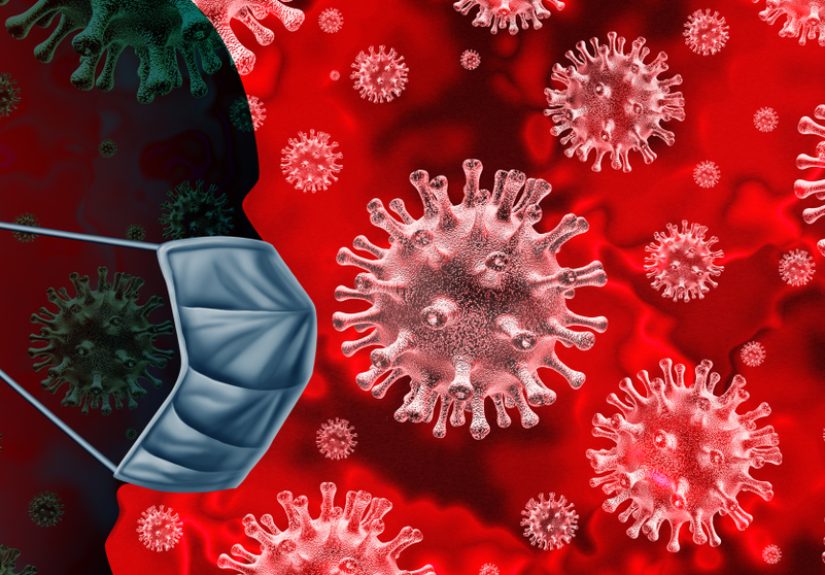
Warts are caused by certain strains of the human papillomavirus, usually called HPV. Before panic enters the chat, this is not the same conversation parents have about the sexual health types of HPV that can cause genital warts or cancers later in life. Common childhood skin warts are usually caused by different HPV types that infect the top layer of the skin on the hands, feet, face, or legs.
The virus enters through tiny breaks in the skin. These breaks may be so small that you cannot see them. A hangnail, a rough patch, dry skin, a scraped knee, or skin that has been softened by moisture can all make it easier for the virus to slip in. Once inside, the virus tells skin cells to grow faster than usual, and that creates the bump we call a wart.
Kids get warts more often than adults because their immune systems have not yet learned how to recognize and shut down every wart-causing strain. In other words, the virus is trying a new trick, and the immune system sometimes needs a minute to catch up.
Why Do Warts Spread So Easily in Childhood?
Warts spread through skin-to-skin contact and through objects or surfaces that carry the virus. That does not mean your child needs to live in a bubble or wear oven mitts to school, but it does explain why warts can show up in the same family, on multiple fingers, or on the bottoms of feet after lots of barefoot time in warm, damp places.
Common reasons kids pick up warts
- They walk barefoot in locker rooms, pool areas, or communal showers.
- They bite nails or pick at skin around the fingers.
- They share towels, washcloths, socks, shoes, or nail clippers.
- They scratch, rub, or pick at an existing wart and spread the virus to nearby skin.
- They have dry, cracked, or irritated skin that gives the virus an easy entry point.
There is also a delay that confuses many parents: a wart does not usually appear right after exposure. It can take months for a wart to show up, which makes it nearly impossible to identify the exact moment the virus arrived. So no, you probably cannot solve this like a detective show and trace it back to one specific trampoline park visit.
What Do Childhood Warts Look Like?
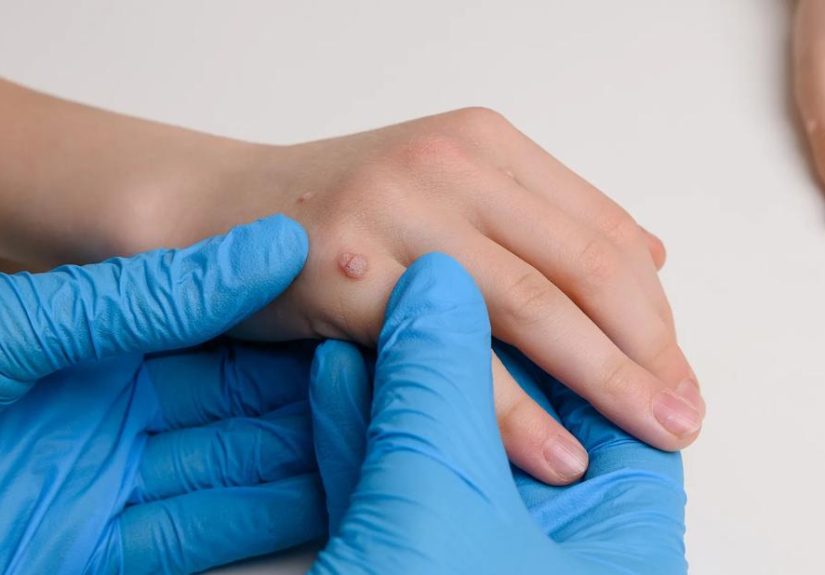
Not all warts look the same. Some are rough and raised. Some are flat and smooth. Some hurt because of where they are, not because they are dangerous. A few even have tiny black dots inside them, which are actually clotted blood vessels, not dirt.
Common warts
These are the classic rough, grainy bumps that usually show up on fingers, hands, around nails, elbows, or knees. They are often skin-colored, grayish, or slightly brown. Kids who chew their nails or pick their cuticles tend to get these more often.
Plantar warts
These grow on the soles of the feet. Because body weight presses them inward, they may look flatter than hand warts. Plantar warts can feel tender, especially when walking, running, or standing barefoot on hard surfaces. If your child suddenly starts walking like the floor insulted them, a plantar wart may be the reason.
Flat warts
Flat warts are smaller, smoother, and often appear in clusters. Kids may get them on the face, forehead, arms, or legs. Because they are flatter and less dramatic, they are sometimes mistaken for mild acne, tiny bug bites, or random bumps with suspicious timing.
Filiform warts
These are thin, finger-like warts that can show up near the mouth, nose, or eyes. Because of their location, they should be evaluated by a clinician instead of treated with random over-the-counter products at home.
Do Warts Go Away on Their Own?
Often, yes. Many childhood warts eventually disappear without treatment once the immune system recognizes the virus and clears it. That can take months, and sometimes a year or two. This is why some doctors recommend watchful waiting if the wart is small, painless, and not bothering the child.
But “it may go away on its own” is one of those technically true statements that feels emotionally unhelpful when the wart is growing on a violin finger, hurting on the heel, or multiplying like it has a subscription plan. In those cases, treatment is reasonable.
Childhood Warts Treatment: What Actually Helps?
The best childhood warts treatment depends on the wart’s size, location, how long it has been there, whether it hurts, and how much it bothers your child. There is no magic one-day cure. Most treatments work gradually by removing infected skin, irritating the immune system into responding, or freezing the wart so it dies off over time.
1. Salicylic acid
For common hand and foot warts, salicylic acid is often the first treatment doctors recommend. It comes as a liquid, gel, pad, or patch. It works by slowly peeling away the wart layer by layer.
Parents usually get the best results by soaking the wart in warm water first, gently filing dead skin with an emery board or pumice used only for that wart, then applying the medicine exactly as directed. Consistency matters more than drama. A tiny daily habit usually beats one heroic treatment attempt followed by three weeks of forgetting.
Do not use wart acid on the face, genitals, or irritated skin unless your child’s clinician tells you to. And do not share the nail file, pumice stone, or towel afterward.
2. Cryotherapy
Cryotherapy means freezing the wart with liquid nitrogen in a doctor’s office. This is commonly used when home treatment has failed, when the wart is painful, or when parents want a faster in-office option. It can sting, blister, and sometimes require repeat visits, so it is not always a child’s favorite afternoon activity. Still, it can be very effective for stubborn warts.
3. Prescription treatments
If standard treatment does not work, a pediatrician or dermatologist may prescribe stronger topical medications or use other procedures. Depending on the child and the type of wart, options may include prescription peeling medicines, immunotherapy approaches, or other office-based treatments. These are usually reserved for persistent, spreading, or especially bothersome warts.
4. Watchful waiting
If the wart is small, painless, and not spreading, doing nothing for a while can be a perfectly reasonable choice. Parents sometimes feel guilty if they are not “fixing” it immediately, but watchful waiting is still a plan. It is not laziness. It is medicine with patience, which is less exciting but occasionally useful.
What Parents Should Not Do
When a wart refuses to leave, the internet may offer enough questionable advice to fill a haunted scrapbook. Some home care is useful. Some is not. A few ideas are flat-out bad.
Avoid these mistakes
- Do not cut, shave, burn, or dig out the wart at home.
- Do not use adult-strength products carelessly on a child’s face or sensitive areas.
- Do not pick at the wart, because that can spread the virus.
- Do not share socks, shoes, nail clippers, pumice stones, or towels.
- Do not assume every bump is a wart. Some skin conditions look similar.
Duct tape is often mentioned as a home remedy. Some families try it, and some doctors mention it as a low-risk option, especially when combined with other care. Results are mixed, so it is not a guaranteed fix. Think of it as “possibly helpful, usually harmless, not magical.”
When Should You Call the Pediatrician?
Most warts are not urgent, but some situations deserve a medical opinion sooner rather than later.
Call your child’s doctor if:
- The wart is on the face, near the eyes, or in the genital area.
- The wart is painful, bleeding, changing quickly, or causing limping.
- The wart keeps spreading or many new warts appear.
- Home treatment has not helped after several weeks.
- You are not sure the bump is actually a wart.
- Your child has diabetes, poor circulation, eczema in the area, or a weakened immune system.
Also call if your child is embarrassed, avoiding activities, or constantly picking at the wart. Emotional discomfort counts too. A wart may be medically harmless and still feel like a big deal to a child.
How to Prevent Warts in Kids
You cannot make wart-causing viruses disappear from the world, but you can lower the odds that your child invites them over for a long stay.
Smart prevention habits
- Have kids wear flip-flops or water shoes in public showers, locker rooms, and pool areas.
- Keep cuts, scrapes, and hangnails clean and covered.
- Moisturize dry, cracked skin.
- Teach kids not to bite nails or pick at warts.
- Cover an existing wart with a bandage if it gets rubbed or picked.
- Do not share towels, socks, shoes, razors, or nail tools.
- Wash hands after touching or treating a wart.
Parents also ask about the HPV vaccine. The routine HPV vaccine is recommended beginning around ages 11 to 12, and it can start at age 9. Its main role is preventing genital warts and several cancers caused by certain HPV types. It does not treat an existing skin wart. It is still an important vaccine, but it is not a quick fix for the bump currently living on your child’s thumb.
Frequently Asked Questions About Childhood Warts Treatment
Are warts a sign of poor hygiene?
No. Clean kids get warts too. Warts are caused by a virus, not by being “dirty.” Good hygiene helps reduce spread, but warts are extremely common and can happen in any family.
Can my child still go to school or sports?
Usually yes. Most children with warts do not need to stay home. If the wart is on the foot or in a place that rubs against surfaces, covering it can help reduce irritation and limit spread.
Why do warts come back?
Sometimes treatment removes the visible wart before the immune system completely clears the virus in the surrounding skin. That means a wart can recur in the same spot or new ones can appear nearby.
Are plantar warts dangerous?
Usually not. They are mainly a comfort issue, not a danger issue. The problem is that they can hurt when a child walks, runs, or plays.
Parent and Kid Experiences With Warts: What It Often Feels Like in Real Life
In real families, warts are rarely a medical emergency, but they are often a patience emergency. A parent notices one rough bump on a finger and thinks, “No big deal.” Two weeks later, the child has named it, picked at it, and announced that it is ruining handwriting forever. Another child gets a plantar wart and suddenly every trip across the kitchen floor becomes a dramatic toe-tip performance worthy of an award.
Many parents say the most frustrating part is how ordinary warts look at first. The bump seems tiny, harmless, and not worth a doctor visit. Then it sticks around. Then it spreads. Then your child becomes deeply interested in showing it to every adult who enters the room. Warts may be small, but they have surprising public relations skills.
Families also discover quickly that consistency matters. The parents who do best with home treatment are usually not the ones who launch an all-out anti-wart campaign on day one. They are the ones who quietly build a routine: soak, file, apply medicine, cover if needed, repeat tomorrow. It is not glamorous, but it works better than treating the wart once, forgetting for nine days, and then blaming modern science.
Children experience warts differently depending on age. Younger kids may ignore them unless the wart hurts. School-age kids may become self-conscious, especially if the wart is on the hand or face. Athletes may care most about foot pain. Nail biters often get stuck in a cycle where the skin around the wart stays irritated, which makes home treatment harder and spread more likely.
Another common experience is confusion. Parents often wonder whether the bump is really a wart, whether the black dots mean infection, or whether the wart appeared because their child went swimming, shared a towel, or touched something in gym class. The truth is that most families never know exactly where the virus came from. Warts are common, exposure is common, and the timing is usually fuzzy. That uncertainty is normal.
One reassuring pattern shows up again and again: most childhood warts do get better. Some disappear with no treatment at all. Some respond to salicylic acid after weeks of steady use. Some need freezing or a dermatology visit. But the huge majority are manageable, temporary, and far less scary than they first seem. Parents may remember the wart saga as long and annoying, while kids often move on the second the bump stops interfering with soccer, dance, drawing, or snack-related hand gestures.
So if you are dealing with childhood warts right now, you are not failing, your child is not unusually “wart-prone,” and this is not a sign that anything is terribly wrong. It is one of those classic pediatric skin issues that asks for calm, basic care, and a little persistence. Or, in parenting terms, another chapter in the ongoing saga of tiny problems that somehow create giant conversations.
Conclusion
Kids get warts because certain HPV strains infect the top layer of skin through tiny breaks, and children are more likely than adults to pick them up and spread them before their immune systems fully recognize the virus. Most warts are harmless and many go away on their own, but treatment makes sense when they hurt, spread, last a long time, or bother your child.
For many families, the best first-line childhood warts treatment is careful, consistent use of salicylic acid on appropriate hand or foot warts. For stubborn or painful warts, a pediatrician or dermatologist may recommend cryotherapy or other office-based options. The biggest takeaways are simple: do not pick, do not share personal items, do not use strong home treatments on the face or genitals, and do not hesitate to call the doctor if something looks unusual or keeps getting worse.
In other words, warts are common, usually manageable, and almost never the end of the world. They are just very committed to overstaying their welcome.