Table of Contents >> Show >> Hide
- Why Tree Swings Still Matter
- Start With the Tree, Not the Swing
- Choose the Right Type of Tree Swing
- Rope, Hardware, and the “Please Don’t Wing It” Section
- Safety Basics Every Tree Swing Should Follow
- How to Protect the Tree
- Maintenance Is Not Optional
- Design Ideas That Actually Work
- Who Should Buy a Tree Swing?
- Final Thoughts on Tree Swings
- Experiences People Commonly Have With Tree Swings
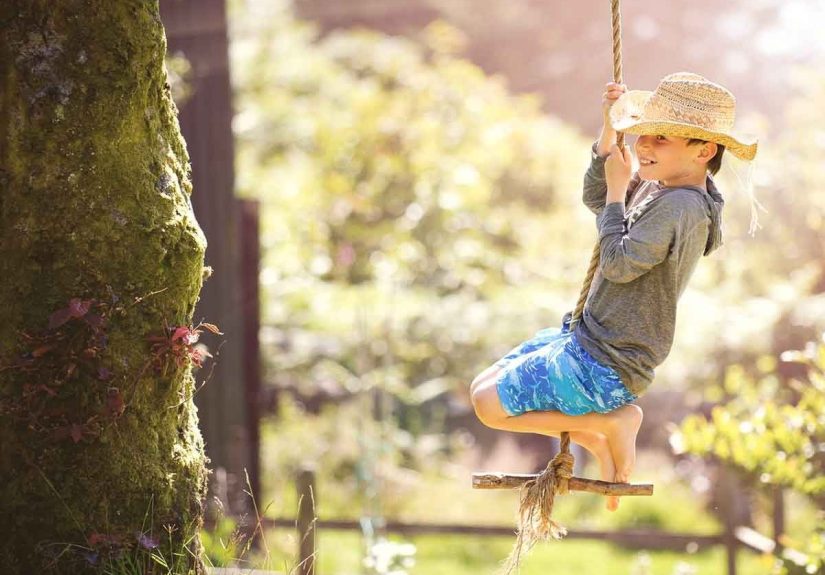
Tree swings have a special talent: they make a backyard feel like a memory before anyone even sits down. One rope, one seat, one decent tree, and suddenly the yard gets promoted from “patch of grass” to “main character energy.” But a tree swing is not just a cute backyard accessory. It is part playground equipment, part outdoor furniture, and part relationship test between you and the tree holding it up.
If you are thinking about adding one, the good news is that tree swings can be wonderful, affordable, and surprisingly timeless. The less-good news is that they are only charming when they are safe. A swing attached to the wrong branch, the wrong hardware, or the wrong type of rope can turn a peaceful afternoon into a very loud lesson in gravity. Before you hang a seat and call it a day, it helps to understand how to choose the right tree, the right swing style, and the right setup.
This guide covers what matters most about tree swings, including tree selection, safety, installation basics, maintenance, design ideas, and the real-life experience of owning one. Whether you want a classic wooden rope swing for kids, a comfy tree swing for adults, or a tire swing that makes the whole yard feel more playful, here is what to know before anyone takes the first ride.
Why Tree Swings Still Matter
Part of the appeal is obvious: tree swings are simple fun. They invite kids outside, give adults a reason to slow down, and add motion to a backyard in a way that benches and patio chairs simply cannot. But they also work because they are flexible. A tree swing can feel rustic, elegant, nostalgic, modern, or delightfully homemade, depending on the seat, rope, hardware, and the setting around it.
They can also be one of the easiest ways to make a yard feel more lived-in. A well-placed swing under a shady canopy turns an empty corner into a destination. It becomes a reading spot, a photo spot, a “let me drink my coffee in peace” spot, or a “the kids have been out there for 40 minutes and no one is asking for a screen” spot. That is premium real estate.
Start With the Tree, Not the Swing
The biggest mistake people make with tree swings is shopping for the seat first and treating the tree like an afterthought. The tree is the structure. Everything else is just décor with opinions.
The best trees for tree swings
In general, mature hardwood trees are the strongest candidates for a tree swing. Species like oak, maple, and beech are often recommended because they tend to be dense, sturdy, and better able to handle the repeated load and motion of a swing. Softer or more brittle trees are a riskier bet, especially if the branch is already under stress from age, previous storm damage, or poor structure.
A good swing tree should look healthy, well established, and structurally sound. That means no obvious signs of rot, no major trunk wounds, no mushrooms or fungal growth around the base, no deep cracks, and no large dead limbs overhead. If the tree looks like it has been through several dramatic seasons and is still “processing,” skip it.
What kind of branch works best
Look for a large, horizontal branch on a mature tree. Many DIY guides suggest a branch at least 8 inches in diameter, but that number is only a starting point, not a guarantee. A thick branch can still be unsafe if it has decay, weak unions, included bark, or hidden damage. A healthy branch with solid attachment matters more than a random diameter measurement taken with optimism.
The ideal branch is high enough to allow comfortable clearance, low enough for practical installation, and far enough from the trunk that the rider will not swing into it. You also want enough open space in front of and behind the swing. If the setup feels cramped before the swing is installed, it will feel even worse once somebody starts pumping their legs like they are trying to launch into the next county.
When to call an arborist
If the tree is mature, valuable, old, unusually shaped, or showing any sign of structural weakness, bring in an ISA-certified arborist before installation. That is especially smart if you notice cavities, codominant stems, included bark, root flare problems, or previous limb failures. Tree swings place repeated dynamic stress on one part of the canopy, so getting a professional opinion can protect both people and the tree.
Choose the Right Type of Tree Swing
Not all tree swings behave the same way. Some are mellow and classic. Some spin, twist, and drift like they are auditioning for chaos. The right option depends on who will use it and how much clearance the yard allows.
Classic wooden seat swing
This is the traditional favorite: a wooden seat with rope on either side. It is simple, timeless, and usually the best choice if you want a clean backyard look. It works well for both kids and adults, depending on the weight rating and hardware.
Tire swing
A tire swing adds more motion and a little more unpredictability. That is part of the fun, but it also means it needs more clearance and more careful setup. Tire swings can spin and move in several directions, so they are not ideal for a tight space or for homeowners who want the yard to stay one hundred percent peaceful and poetic at all times.
Disc, saucer, or platform swing
These are popular for kids and can be great for lounging. Some allow sitting, kneeling, or even lying back, which makes them feel more like a backyard hangout than a traditional swing. The tradeoff is that they often need more room and can create more side-to-side motion than a basic seat swing.
Adult tree swings and swing chairs
Yes, adults are allowed to have fun. Adult tree swings can be beautiful and useful, but they require careful attention to weight limits, hardware, and branch health. A cozy hanging chair under a tree sounds dreamy, and it can be, but only if the installation is done with serious respect for load capacity.
Rope, Hardware, and the “Please Don’t Wing It” Section
The attachment method matters as much as the tree. This is not the moment for mystery rope from the garage or a random knot you vaguely remember from a camping trip in seventh grade.
Best rope for a tree swing
Choose strong, weather-resistant rope designed for outdoor use. Braided rope is often preferred because it tends to feel smoother and more comfortable in the hands. The rope should be thick enough to grip comfortably and rated appropriately for the expected load. Sun, moisture, friction, and movement all wear rope down over time, so durability matters.
Straps vs. rope vs. bolts
This is where people debate like backyard philosophers. Tree-friendly straps can be a smart option because they spread pressure and reduce bark abrasion when installed correctly. Wrapping bare rope directly around a limb for long-term use is less ideal because friction and pressure can damage the bark and cambium. Some installations use hardware such as eyebolts for a more stable, long-term setup, but drilling into a tree should be approached carefully and only when appropriate for the species, branch, and design.
If you want the safest route for both the rider and the tree, choose quality, load-rated hardware and follow the manufacturer’s instructions rather than inventing a “close enough” solution. Backyard confidence is lovely. Structural confidence needs receipts.
Seat materials
Wood is the classic choice and looks the most timeless. Plastic and rubber seats are lower maintenance and often easier for families with young kids. A wider seat can be more comfortable, but it should still be smooth, stable, and easy to grip. Avoid sharp edges, splinters, rough cutouts, or dangling parts that can catch clothing or fingers.
Safety Basics Every Tree Swing Should Follow
A tree swing should be fun, but it also deserves the same level of thought you would give any backyard play feature.
Keep a clear swing zone
The area around the swing needs open space. That means no fences, trunks, rocks, planters, fire pits, patio furniture, exposed roots, low walls, or decorative items waiting to ambush someone mid-arc. Front and rear clearance matter most because swings travel farther than people estimate while standing still and making ambitious guesses.
Pay attention to the ground below
Hard-packed dirt, concrete, and stone are not ideal below a swing. Softer landing surfaces, such as mulch or maintained turf, are better than a hard impact zone. The area should also be reasonably level and free of tripping hazards.
Watch for power lines and overhead hazards
This one should be obvious, yet here we are. Never install a swing near overhead utility lines. Also check for dead branches, hanging limbs, and nearby structures that could become a problem once the swing is in motion.
Skip the over-water fantasy
Riverbank rope swings may look cinematic, but over-water swings come with serious injury risk. Water depth changes, submerged obstacles exist, ropes can fray, and improvised designs often involve thin cords or unsafe attachments. A backyard tree swing over grass is charming. A rope swing over unknown water is not a personality trait worth testing.
How to Protect the Tree
A tree swing is not just supported by the tree; it also affects the tree. Repeated movement creates wear, and poor attachment can injure bark, restrict growth, or stress a branch over time.
Do not let rope grind directly into bark for years. Do not leave hardware unchecked. Do not assume a branch that survived one summer is automatically thrilled about five more. Inspect the attachment points regularly, and adjust or upgrade the system if you notice bark damage, rubbing, compression, or signs that the branch is struggling.
It also helps to remember that trees are living structures, not pressure-treated posts. They grow, shift, respond to weather, and age. A swing setup that looked great in spring may need adjustment after summer growth or after a stormy season.
Maintenance Is Not Optional
A tree swing should be inspected routinely, especially before a new season of heavy use. Check the branch, the rope, the seat, the knots, the straps, the carabiners, the bolts, and the landing zone. Look for fraying, cracking, rust, splintering, movement in the hardware, or bark damage around the attachment area.
If anything looks worn, questionable, or slightly haunted, replace it. Tree swing maintenance is cheaper than emergency repairs and far cheaper than pretending a frayed rope is “probably still okay.”
Weather matters too. Intense sun weakens some materials. Rain can swell wood and encourage rot. Freezing temperatures can affect hardware and rope performance. If you live in a region with tough winters or long wet seasons, seasonal inspection is a must.
Design Ideas That Actually Work
The best tree swings are both safe and visually intentional. A classic wood seat with neutral rope works well in almost any yard. A stained hardwood seat can make the swing feel more polished. A black rope and simple plank can look modern. A round platform swing can create a more casual family-friendly corner.
Placement matters just as much as style. A swing under a broad canopy can become the focal point of the yard. Add mulch, edging, or simple ground cover beneath it, and suddenly the whole area looks designed rather than accidental. Place a swing where there is afternoon shade, a pleasant view, and enough room for motion, and people will actually use it.
For adults, consider a cushioned hanging chair or wider swing seat near a garden bed, patio edge, or reading nook. For families, keep the design simple and durable. In both cases, prioritize function before aesthetics. The prettiest swing in the neighborhood is still a bad idea if it is hanging from a branch with a bad attitude.
Who Should Buy a Tree Swing?
A tree swing makes sense for homeowners with a healthy mature tree, enough open yard space, and a willingness to inspect it regularly. It is especially worthwhile if you want an outdoor feature that encourages actual use of the yard rather than just filling it with furniture that gets politely ignored.
If you do not have the right tree, do not force the issue. A freestanding swing frame or dedicated backyard swing set may be a better choice. The goal is not to have a tree swing at all costs. The goal is to have something safe, enjoyable, and worth keeping for years.
Final Thoughts on Tree Swings
Tree swings are one of those rare backyard additions that feel both practical and sentimental. They can give kids more outdoor time, give adults a quiet place to sit, and give a landscape more personality without requiring a huge renovation budget. But the charm only works when the basics are handled correctly.
Choose the right tree. Respect the branch. Use proper rope or hardware. Leave enough clearance. Inspect everything regularly. And when in doubt, get help from an arborist or a qualified installer. A good tree swing feels effortless once it is finished, but the setup should never be casual.
Done well, a tree swing becomes the kind of backyard feature people remember for years. Done badly, it becomes the story everyone tells with the phrase, “It seemed like a good idea at the time.” Aim for the first version.
Experiences People Commonly Have With Tree Swings
One of the most interesting things about tree swings is how differently people use them once they are installed. Many homeowners imagine the swing will be mostly for children, only to find that adults quietly claim it first. It often starts with someone “just testing it,” then suddenly that person is out there at sunset every evening with iced tea, a podcast, and absolutely no intention of giving the seat back.
Families also tend to discover that a tree swing changes how the yard feels, not just how it functions. A plain backyard can start to feel more inviting because the swing creates a natural focal point. Kids run toward it. Guests notice it immediately. Grandparents smile at it like they have unlocked a level of nostalgia they did not know was still installed. Even people who are not especially outdoorsy often spend more time outside when there is a swing under a shady tree.
There is also a learning curve that comes with ownership. Many people are surprised by how much branch placement affects the riding experience. A swing with beautiful views but awkward clearance quickly becomes the swing no one wants to use. On the other hand, a swing in the right spot, with enough room to move and a soft breeze coming through the yard, can become the most popular seat on the property. Owners often realize that comfort matters too. A narrow board may look classic, but a slightly wider seat can make a huge difference for everyday use.
Another common experience is realizing that maintenance is real. Not dramatic, not exhausting, just real. Ropes weather. Seats loosen. Trees grow. After a storm, smart homeowners usually check the branch and hardware before anyone hops on again. This regular attention is not a downside so much as part of owning any outdoor feature connected to a living thing. The people who stay happiest with their tree swings are usually the people who treat them less like a one-time project and more like a small ongoing relationship between yard, tree, and family routine.
Adults often describe tree swings as unexpectedly calming. There is something about the gentle back-and-forth motion that feels different from sitting in a chair. It slows people down. It creates a reason to pause. Some use it as a morning coffee seat. Others use it as a post-work reset. Parents talk about watching their kids swing while dinner is on the stove. Kids talk about using it as a pirate ship, a rocket, a castle lookout, or whatever their imagination is serving that week. The swing becomes more than an object; it becomes part of the rhythm of the home.
Of course, not every experience is magical on day one. Some people install a swing and then realize the branch is too low, the rope is too rough, the landing spot turns muddy after rain, or the afternoon sun hits like it has a personal grudge. The good news is that many of these issues are fixable. Adjusting height, changing the seat, improving the ground surface, or moving to a better branch can completely transform the experience.
In the end, the best stories about tree swings are usually simple. Someone learned to pump their legs for the first time. Someone read a whole book outside without checking their phone every six minutes. Someone visited the house years later and made a beeline for the swing before even going indoors. That is the real appeal. A tree swing is not just a backyard accessory. It is an invitation to use the yard, enjoy the tree, and make a little more room for fun.