Table of Contents >> Show >> Hide
- What Is John Derian Picture Book?
- Why the Book Has Such a Strong Following
- The Visual Language of John Derian
- Who Should Buy John Derian Picture Book?
- How It Compares to Other Coffee Table Books
- Decorating Lessons Hidden in the Pages
- Why John Derian Picture Book Still Matters
- Experiences Inspired by John Derian Picture Book
- Conclusion
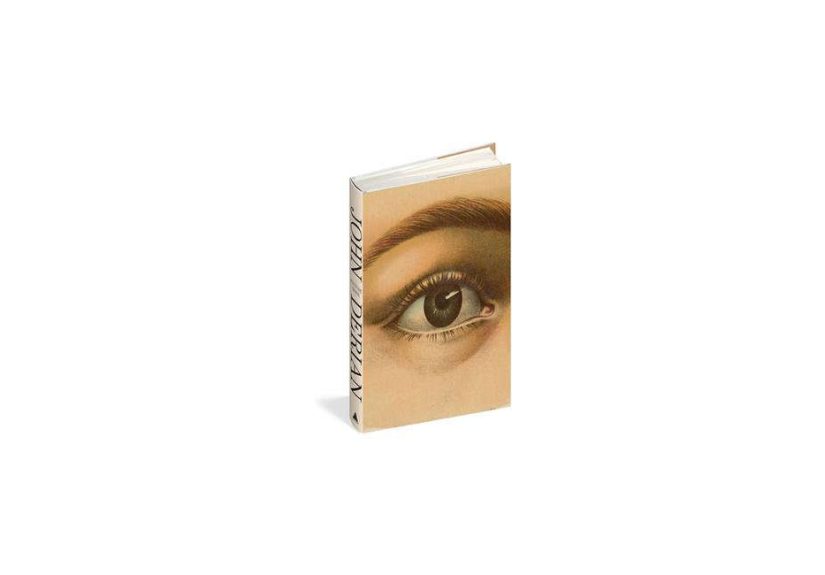
Some books are meant to be read. Some are meant to be displayed. And then there is John Derian Picture Book, which seems to wink at you and say, “Why not both?” This oversized volume has become a design-world favorite not because it follows the usual coffee-table-book formula, but because it cheerfully ignores it. Instead of marching readers through long essays or formal captions, it offers page after page of lush antique imagery: botanicals, birds, shells, portraits, letters, fruit, odd little curiosities, and the sort of old-world illustrations that make modern interiors feel instantly more soulful.
If that sounds a little dramatic, good. This book deserves drama. John Derian’s world has always lived in that delicious space between collected and curated, refined and slightly eccentric. His objects are beloved because they feel personal, as if they were discovered in a dusty drawer at a fabulous old house rather than mass-produced under fluorescent lighting. John Derian Picture Book captures that same magic in book form. It is part visual archive, part decorating inspiration, part escape hatch for anyone tired of bland interiors and algorithm-approved sameness.
For design lovers, stylists, collectors, and people who claim they are “just looking” while secretly rearranging their shelves for the fourth time this week, this book is more than a pretty object. It is a creative tool. It gives readers permission to fall in love with image-making again, to appreciate the beauty of old prints, and to remember that decoration does not have to be sterile to be elegant.
What Is John Derian Picture Book?
John Derian Picture Book is an oversized art and design volume built around the imagery that has shaped Derian’s now-iconic aesthetic. Best known for his decoupage work, Derian has spent decades collecting antique prints, illustrations, ephemera, and natural-history images. Rather than burying those treasures in storage or limiting them to product design, he gathered many of them into a single glorious book that functions almost like a portable cabinet of curiosities.
The appeal starts with the concept itself. This is not a conventional narrative book. It is visual, immersive, and unapologetically image-forward. There is very little standing between the reader and the artwork. The pages are generous, the presentation is full-bleed, and the result feels less like flipping through a publication and more like opening drawer after drawer in a collector’s archive. That format is exactly why the book has become a favorite among interior designers, stylists, and anyone who likes their inspiration with a side of whimsy.
It also helps that John Derian is not some passing trend machine. He has spent years building a recognizable design language rooted in antique paper, handcraft, and careful composition. His pieces often feature the same mood you find in the book: floral but not fussy, historical but not dusty, romantic without becoming sugary. In other words, he has mastered the difficult art of making nostalgia look chic instead of costume-y.
Why the Book Has Such a Strong Following
It turns antique imagery into everyday inspiration
One of the smartest things about John Derian Picture Book is that it reminds readers how emotionally powerful old images can be. A 19th-century rose study, a faded bird illustration, or a strange hand-drawn envelope can feel surprisingly alive on the page. These visuals carry texture, age, and mystery. They do not scream for attention the way trendy graphics often do. Instead, they charm you into a slower, deeper kind of looking.
That old-paper quality is part of the book’s magic. The imagery feels collected rather than manufactured. It suggests time, memory, travel, and taste. For readers burned out on polished perfection, that atmosphere is irresistible. The book shows that beauty can be a little odd, a little weathered, and a lot more interesting because of it.
It works as a design reference book
This is where the book quietly becomes dangerousin the best way. You may buy it thinking it will sit elegantly on a coffee table, then suddenly find yourself using it as a springboard for an entire room. A floral plate here, a bird motif there, a palette inspired by vintage fruit lithographs, and before you know it your beige corner has become a moody little sanctuary with opinions.
That practical inspiration is one reason the book stands out in the crowded world of art books and coffee table books. It is beautiful, yes, but it is also usable. You can study the balance of scale, notice how muted tones sit beside vivid pops of color, or observe how Victorian-era illustrations can feel fresh when paired with modern furniture. The book teaches by seduction rather than lecture.
It encourages playful creativity
Perhaps the most lovable thing about John Derian Picture Book is that it does not behave like a sacred museum object, even though it absolutely could. Many fans treat it as inspiration for framing, mood boards, craft projects, and even wallpaper-style installations. That spirit fits Derian’s work perfectly. His universe is rooted in reverence for old materials, but it also invites a kind of joyful reuse. Beauty is not locked away behind velvet ropes. It can live in your hallway, on your desk, or above your fireplace.
That attitude makes the book feel generous. It says art belongs in real life, not only in rarefied spaces. And frankly, that is refreshing.
The Visual Language of John Derian
To understand why this book resonates so strongly, it helps to understand John Derian’s larger aesthetic. His style is often associated with decoupage, but that label does not fully explain the emotional pull. What he really creates is atmosphere. His imagery draws from the natural world, antique illustration, historical print culture, and a slightly offbeat sense of beauty. Flowers are never just flowers; they are dramatic, oversized, almost theatrical. Animals feel dignified, funny, or faintly mysterious. Fruit looks like it deserves a portrait sitting.
There is also an unmistakable tension between order and wonder. The images are carefully selected and elegantly presented, but they still retain the thrill of discovery. You get the sense that each page could lead to a story, even if no story is written down. That is why the book feels so narrative despite being largely wordless. It invites projection. Readers bring their own memories, associations, and fantasies to the images.
For interior design lovers, that matters. Great decorating is not just about buying attractive things. It is about building a world. John Derian Picture Book helps people imagine worlds: botanical, maritime, Victorian, rural, eclectic, scholarly, playful. You can lean into one mood or borrow from several. Either way, the book becomes a visual language guide for rooms that want character.
Who Should Buy John Derian Picture Book?
The obvious audience is anyone already enchanted by John Derian’s home goods, decoupage plates, trays, and paperweights. If you love that dreamy antique style, the book is basically the source code. But its appeal is much wider than that.
Interior designers can use it as a reference point for color, motif, and mood. Stylists can mine it for texture and visual storytelling. Artists can study how archival imagery creates emotional depth. Crafters and collage fans can find endless inspiration in the pages. Gift shoppers can confidently hand it to the design-obsessed friend who already owns seventeen candles and somehow still needs one more decorative object. And readers who simply enjoy beautiful books will appreciate how immersive and tactile the experience feels.
In other words, this is not only for professionals or collectors. It is for anyone who enjoys the romance of image-driven living. You do not need to know the history of decoupage to enjoy it. You only need curiosity and a weakness for beautiful paper.
How It Compares to Other Coffee Table Books
Many coffee table books are handsome but passive. They sit there being tasteful. You flip through them once, compliment the photography, and then return to them only when guests come over and you want to seem worldly. John Derian Picture Book has a different energy. It keeps calling you back. You notice a different detail each time, a different image you want to frame, a different combination of tones you suddenly want to borrow for a room.
That reusability is a huge part of its staying power. It is not dependent on trend forecasting, celebrity homes, or a single season’s version of “must-have style.” Because it is rooted in antique imagery and enduring design instincts, it has a timeless quality that many glossy decor books lack. It does not expire when tastes shift. It remains relevant because it is less about trend and more about visual appetite.
It also manages to feel luxurious without being cold. Some art books can be intimidating; they seem to demand expertise. This one feels inviting. It lets readers browse casually, obsessively, or imaginatively. You can open it for five minutes or disappear into it for an hour. Both are valid, and both are enjoyable.
Decorating Lessons Hidden in the Pages
Lesson 1: Mix refinement with eccentricity
One recurring theme in the book is that elegance gets better when it is slightly strange. A formal floral next to a curious animal study? Wonderful. A romantic color palette interrupted by something weird and witty? Even better. The book teaches that rooms become memorable when they include at least one element that makes people pause and smile.
Lesson 2: Nature never really goes out of style
Flowers, birds, fruit, shells, leaves, butterflies, and landscapes run throughout Derian’s imagery. That is no accident. Nature gives interiors depth and softness without requiring predictable “green decor” clichés. A room inspired by botanical prints can feel sophisticated, collected, and timeless rather than aggressively themed.
Lesson 3: Patina beats perfection
The charm of antique prints lies partly in their imperfections: the faded edge, the slightly uneven line, the feeling that something has lived a life before arriving in front of you. John Derian Picture Book quietly argues that homes should feel this way too. Not sloppy, but lived-in. Not messy, but layered. Not flawless, but full of soul.
Why John Derian Picture Book Still Matters
In a digital culture built on speed, swiping, and disposable visuals, this book makes a strong case for slowness. It invites people to linger. To notice. To admire paper, print, scale, and image composition. That alone gives it lasting value. It is not trying to compete with the internet’s endless image stream. It offers the opposite experience: focused, tactile, and restorative.
It also reflects a larger cultural desire for interiors that feel human. People increasingly want homes with texture, memory, and individuality. They want objects that spark conversation rather than merely matching a feed. John Derian Picture Book speaks directly to that desire. It is a reminder that decoration can be poetic, personal, and a little eccentric without losing sophistication.
So yes, it is a beautiful book. But it is also a manifesto in disguise. It argues for curiosity over uniformity, collecting over consuming, and visual pleasure over bland practicality. Not a bad message for a coffee table book, honestly.
Experiences Inspired by John Derian Picture Book
Living with John Derian Picture Book is a different experience from simply owning it. The first time you open it, you may admire the oversized pages and think, “Lovely.” The second time, you start noticing favorites. A rose plate that feels almost theatrical. A bird illustration that somehow looks more fashionable than half the people on social media. A handwritten letter that makes you wonder who touched it first, and where it traveled before ending up as part of this visual universe. That is when the book begins to shift from object to companion.
It works especially well in quiet moments. Early morning with coffee, late afternoon when the room is golden, a rainy evening when you want something beautiful but not demandingthis is where the book shines. It does not ask for analysis. It asks for attention. You can open to any page and get a little jolt of inspiration without feeling like you need to “finish” anything. In a world full of content that begs to be completed, optimized, or checked off, that feels almost luxurious.
There is also a deeply tactile pleasure in turning the pages. Because the book is large and image-rich, it slows you down physically. You do not skim it the way you skim a screen. You handle it. You pause over spreads. You compare one image to another. The experience is closer to visiting a tiny private gallery than consuming a typical design book. It makes looking feel intentional again.
For creative people, the book can spark an avalanche of ideas. A single floral study might influence a dinner table, a wallpaper choice, a fabric search, a holiday wrapping theme, or an entire room palette. A peculiar animal image might inspire a gallery wall that feels more playful than polished. Even people who do not consider themselves artistic often find that the book loosens something in them. It encourages intuition. It says taste does not have to be explained like a thesis paper. Sometimes you love an image because it is haunting, funny, or oddly comforting, and that is reason enough.
There is a social side to the experience too. Leave John Derian Picture Book on a table and people will pick it up. Not politely. Enthusiastically. Guests flip through it and start pointing, laughing, remembering, imagining. “I want this framed.” “This one looks like my grandmother’s wallpaper.” “Why do I suddenly need antique fruit art in my kitchen?” The book invites conversation without trying too hard, which is more than can be said for many decorative objects that just sit around looking expensive.
Perhaps the best experience the book offers is permission. Permission to decorate more personally. Permission to mix old and new. Permission to love things that are strange, romantic, scholarly, or delightfully unnecessary. It reminds readers that beauty does not have to be efficient to matter. Sometimes a room needs a practical chair. Sometimes it needs a glorious, slightly eccentric image of a quince.
That is why the book lingers in memory. It is not only about antique prints or design pedigree. It is about mood, imagination, and the pleasure of surrounding yourself with things that feel alive. Long after you close the cover, its pages keep working on you. Suddenly you notice color differently. You shop differently. You arrange shelves differently. You become a little braver, a little more curious, and maybe a little less interested in safe choices. That is a pretty remarkable experience for a book to create.
Conclusion
John Derian Picture Book succeeds because it offers more than decoration and more than nostalgia. It captures a whole visual philosophyone built on antique imagery, curiosity, craftsmanship, and the conviction that homes should feel storied rather than sterile. Whether you treat it as a collectible coffee table book, a design reference, or a launchpad for your next creative obsession, it delivers page after page of atmosphere and inspiration.
For readers who want interiors with personality, books with tactile pleasure, and imagery with genuine soul, this one is easy to recommend. It is handsome, weird, elegant, useful, and delightfully hard to forget. Much like the best rooms, really.