Table of Contents >> Show >> Hide
- Can Food Really Lower Cancer Risk?
- The Best Foods to Lower Your Cancer Risk
- 1. Cruciferous Vegetables: Broccoli, Cauliflower, Cabbage, and Brussels Sprouts
- 2. Colorful Fruits and Vegetables
- 3. Beans, Lentils, Peas, and Other Legumes
- 4. Whole Grains: Oats, Brown Rice, Quinoa, Barley, and Whole Wheat
- 5. Berries and Other High-Antioxidant Fruits
- 6. Tomatoes and Lycopene-Rich Foods
- 7. Nuts and Seeds
- 8. Fish and Lean Proteins
- Foods and Drinks to Limit for Lower Cancer Risk
- How to Build a Cancer-Prevention Plate
- Cooking Habits That Matter
- Common Myths About Cancer-Fighting Foods
- Practical Shopping List for Lower Cancer Risk
- Real-Life Experiences: Making Cancer-Preventive Eating Actually Work
- Conclusion
- SEO Tags
Let’s get one thing straight before the broccoli starts acting like it deserves a cape: no single food can magically prevent cancer. A blueberry smoothie is not a force field, and kale cannot stand at the front door of your cells wearing sunglasses and saying, “Not today, disease.” But your daily food choices can help shape an internal environment that supports healthy cells, steadier weight, better digestion, lower inflammation, and improved long-term wellness.
The best foods to lower your cancer risk are not exotic powders, mysterious berries from a mountain you cannot pronounce, or anything sold by someone shouting into a ring light. They are ordinary, affordable, familiar foods: vegetables, fruits, beans, lentils, whole grains, nuts, seeds, and other minimally processed plant foods. Add lean proteins, healthy fats, and smart cooking habits, and you have a realistic cancer-prevention eating pattern that does not require becoming a full-time salad philosopher.
This guide explains what to eat more often, what to limit, and how to build meals that support cancer risk reduction without turning dinner into homework.
Can Food Really Lower Cancer Risk?
Food is one piece of the cancer-prevention puzzle, not the entire puzzle. Genetics, age, environment, infections, tobacco exposure, alcohol use, physical activity, body weight, sleep, and screening all matter. Still, diet plays a meaningful role because it affects several processes linked with cancer risk, including chronic inflammation, insulin regulation, gut health, oxidative stress, and body fat levels.
A cancer-preventive diet is less about “superfoods” and more about an overall pattern. The strongest advice from cancer and nutrition organizations is simple: eat mostly whole plant foods, choose fiber-rich carbohydrates, limit red and processed meats, avoid or limit alcohol, reduce sugary drinks, and keep ultra-processed foods from becoming the boss of your pantry.
The Best Foods to Lower Your Cancer Risk
The following foods are not miracle cures. Think of them as dependable teammates. They work best together, eaten consistently, in meals you actually enjoy.
1. Cruciferous Vegetables: Broccoli, Cauliflower, Cabbage, and Brussels Sprouts
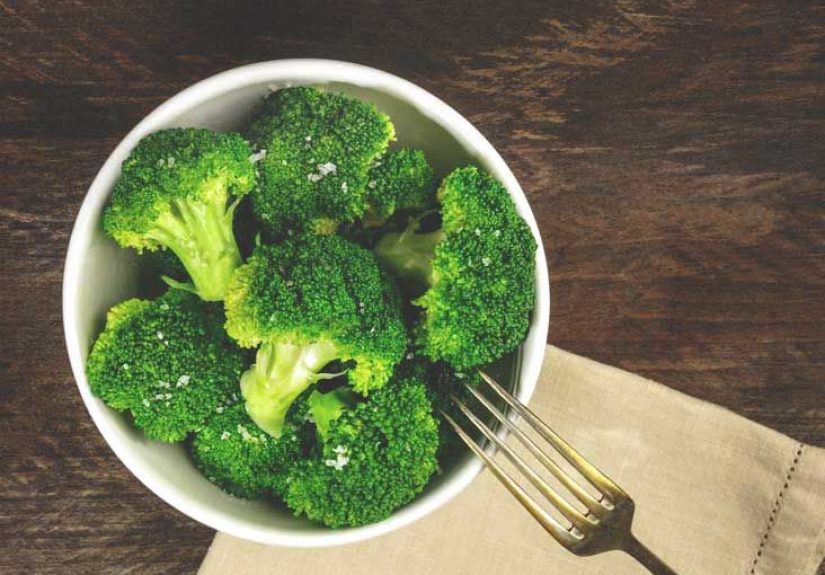
Cruciferous vegetables are often mentioned in cancer-prevention conversations because they contain fiber, vitamins, minerals, and natural plant compounds such as glucosinolates. When chopped or chewed, these compounds can break down into biologically active substances that researchers continue to study for their role in cell protection.
Practical examples include roasted broccoli with olive oil and garlic, cabbage slaw with citrus dressing, cauliflower rice mixed into burrito bowls, or Brussels sprouts crisped in the oven until they become the vegetable version of popcorn. If you grew up fearing boiled Brussels sprouts, please know the vegetable has apologized and now comes roasted.
2. Colorful Fruits and Vegetables
A colorful plate usually means a wider variety of nutrients and phytochemicals. Orange carrots, red peppers, purple cabbage, leafy greens, berries, tomatoes, and citrus fruits all bring different plant compounds to the table. These foods also help you feel full with fewer calories, which can support a healthy weight, another important factor in reducing cancer risk.
Try using the “two-color rule” at meals: add at least two colors from fruits or vegetables. Spinach and tomatoes in eggs, blueberries and bananas in oatmeal, carrots and cucumbers with hummus, or roasted peppers and onions in tacos all count. The goal is not perfection. The goal is to make plants show up more often than your excuses.
3. Beans, Lentils, Peas, and Other Legumes
Beans and lentils deserve more respect. They are rich in fiber, plant protein, minerals, and slow-digesting carbohydrates. Fiber supports digestive health and helps feed beneficial gut bacteria. A high-fiber eating pattern is especially important when discussing colorectal cancer risk, because fiber helps keep the digestive system moving and may support a healthier gut environment.
Simple ways to eat more legumes include black bean tacos, lentil soup, chickpea salad, split pea stew, edamame, bean chili, or hummus spread on whole-grain toast. If your stomach is new to beans, start slowly. Your digestive system may need a polite introduction rather than a surprise bean parade.
4. Whole Grains: Oats, Brown Rice, Quinoa, Barley, and Whole Wheat
Whole grains contain the bran, germ, and endosperm of the grain, which means they provide more fiber and nutrients than refined grains. Oats, brown rice, quinoa, barley, bulgur, farro, whole-wheat pasta, and 100% whole-grain bread are smart choices for a cancer-prevention plate.
Whole grains can replace refined grains in easy ways. Choose oatmeal instead of sugary cereal, brown rice instead of white rice, whole-grain toast instead of white bread, or barley instead of plain pasta in soup. The goal is not to ban every fluffy dinner roll from your life. It is to make whole grains your default more often.
5. Berries and Other High-Antioxidant Fruits
Berries are small, colorful, and suspiciously good at making breakfast look fancy. Blueberries, strawberries, raspberries, and blackberries contain fiber, vitamin C, and polyphenols. These compounds help protect cells from oxidative stress, one of several biological processes involved in long-term disease risk.
Use berries in yogurt, oatmeal, smoothies, salads, or frozen snacks. Frozen berries are just as convenient and often more budget-friendly than fresh ones. A bag of frozen berries in the freezer is basically a tiny insurance policy against boring breakfasts.
6. Tomatoes and Lycopene-Rich Foods
Tomatoes contain lycopene, a carotenoid that gives them their red color. Cooked tomato products such as tomato sauce, tomato paste, and stewed tomatoes may make lycopene easier for the body to absorb, especially when eaten with a little healthy fat such as olive oil.
Try tomato-based vegetable soup, whole-grain pasta with marinara, shakshuka, salsa, or roasted tomatoes with fish or beans. Pizza can technically contain tomato sauce, but if the vegetable topping count is zero and the processed meat count is three, the tomato is doing unpaid overtime.
7. Nuts and Seeds
Nuts and seeds provide healthy fats, plant protein, fiber, magnesium, vitamin E, and other nutrients. Walnuts, almonds, pistachios, chia seeds, flaxseeds, pumpkin seeds, and sunflower seeds can help make meals more satisfying. They are calorie-dense, so a small handful is usually enough.
Add chia seeds to yogurt, sprinkle ground flaxseed into oatmeal, toss walnuts into salad, or use peanut butter on apple slices. Choose unsalted or lightly salted versions when possible, especially if you are watching sodium intake.
8. Fish and Lean Proteins
A cancer-conscious diet does not have to be meatless. However, it is wise to shift the balance toward fish, poultry, eggs, beans, lentils, tofu, tempeh, and other less processed protein sources. Fatty fish such as salmon, sardines, trout, and tuna provide omega-3 fats, which are associated with heart health and may support a less inflammatory eating pattern.
The bigger cancer-prevention move is reducing processed meats such as bacon, sausage, hot dogs, pepperoni, and deli meats. These foods are linked with higher colorectal cancer risk, especially when eaten often. Think of them as occasional foods, not lunchbox regulars.
Foods and Drinks to Limit for Lower Cancer Risk
Improving your diet is not only about adding good things. It is also about limiting foods and drinks that may raise risk when they dominate your routine.
Processed Meat
Processed meat is one of the clearest dietary concerns in cancer prevention. Bacon, ham, sausage, hot dogs, salami, pepperoni, and many deli meats are preserved by smoking, curing, salting, or adding preservatives. Frequent intake is associated with increased colorectal cancer risk.
Better swaps include grilled chicken, tuna, egg salad, hummus, roasted vegetables, bean spreads, turkey made without heavy processing, or leftover home-cooked meats. A sandwich can still be delicious without having a résumé that includes “smoked, cured, salted, and suspiciously shelf-stable.”
Too Much Red Meat
Red meat includes beef, pork, and lamb. It can fit into some diets in moderate amounts, but cancer-prevention guidelines generally recommend limiting it. When you do eat red meat, keep portions reasonable, avoid charring, and pair it with fiber-rich foods like vegetables, beans, and whole grains.
Try using red meat as a flavor accent instead of the main event. For example, add a small amount of beef to a vegetable-heavy stir-fry or bean chili rather than building the entire meal around a giant steak.
Alcohol
For cancer prevention, the safest approach is not drinking alcohol. Alcohol is linked with several cancers, including cancers of the mouth, throat, esophagus, liver, colon, rectum, and breast. If someone does drink, less is better for cancer risk. For teenagers and anyone under the legal drinking age, alcohol should be avoided completely.
Good alternatives include sparkling water with citrus, unsweetened iced tea, infused water, or mocktails made with fruit and herbs. A drink can be festive without turning your liver into the event planner.
Sugary Drinks and Ultra-Processed Foods
Sugary drinks, candy, packaged pastries, chips, fast food, and many ultra-processed snacks can crowd out nutrient-rich foods and contribute to weight gain when eaten frequently. Excess body fat is associated with higher risk for several cancers, so building meals around whole foods is a practical prevention strategy.
This does not mean every cookie is a moral failure. It means your everyday pattern should lean toward foods that nourish you: vegetables, fruits, whole grains, beans, nuts, seeds, lean proteins, and water.
How to Build a Cancer-Prevention Plate
A simple plate method can make healthy eating easier. Fill half your plate with vegetables and fruits, one quarter with whole grains or starchy vegetables, and one quarter with healthy protein. Add a small amount of healthy fat, such as olive oil, avocado, nuts, or seeds.
Breakfast Ideas
Start with oatmeal topped with berries, walnuts, and ground flaxseed. Try whole-grain toast with avocado and tomatoes. Make a smoothie with spinach, frozen berries, plain yogurt, and chia seeds. Or scramble eggs with peppers, onions, and mushrooms. Breakfast does not need to be complicated; it just needs to stop pretending coffee alone is a food group.
Lunch Ideas
Build a grain bowl with quinoa, chickpeas, roasted vegetables, leafy greens, and tahini dressing. Make lentil soup with carrots and tomatoes. Try a whole-grain wrap with hummus, grilled chicken, cucumbers, spinach, and peppers. Leftovers also count. In fact, leftovers are meal prep wearing pajamas.
Dinner Ideas
Choose salmon with brown rice and broccoli, bean chili with avocado and cabbage slaw, tofu stir-fry with mixed vegetables, or whole-wheat pasta with tomato sauce, mushrooms, and a side salad. Aim for flavor, texture, and color. A healthy dinner should not look like punishment on a plate.
Cooking Habits That Matter
How you cook can also affect the healthfulness of your meal. Use baking, steaming, sautéing, roasting, grilling at moderate heat, and simmering more often than deep-frying or heavy charring. When grilling meat, avoid burning it, trim excess fat, marinate before cooking, and flip frequently to reduce char formation.
Season foods with herbs, spices, garlic, onion, citrus, vinegar, ginger, turmeric, pepper, and small amounts of salt. Flavor is your friend. Healthy eating becomes much easier when the food tastes like something you would voluntarily eat.
Common Myths About Cancer-Fighting Foods
Myth: One Superfood Can Prevent Cancer
No single food prevents cancer. A healthy pattern over time is more powerful than any one ingredient. Broccoli is excellent, but it should not have to carry your entire lifestyle on its tiny green shoulders.
Myth: Sugar Directly “Feeds” Cancer, So All Carbs Are Bad
The relationship between sugar, carbohydrates, body weight, insulin, and cancer risk is more complex than a catchy phrase. The smarter approach is to limit sugary drinks and sweets while choosing high-fiber carbohydrates such as fruits, vegetables, beans, and whole grains.
Myth: Supplements Are Better Than Food
For most people, nutrients are best obtained from food, not mega-dose supplements. Whole foods provide fiber and many compounds that work together. Supplements may be useful for specific deficiencies, but they should not replace a healthy diet unless a healthcare professional recommends them.
Practical Shopping List for Lower Cancer Risk
Here is a simple grocery list to make cancer-conscious eating easier:
- Vegetables: broccoli, spinach, kale, carrots, peppers, tomatoes, onions, mushrooms, cabbage, sweet potatoes
- Fruits: berries, apples, oranges, grapefruit, bananas, grapes, pears, peaches
- Legumes: black beans, lentils, chickpeas, kidney beans, split peas, edamame
- Whole grains: oats, brown rice, quinoa, barley, whole-wheat bread, whole-grain pasta
- Proteins: fish, chicken, eggs, tofu, tempeh, plain Greek yogurt, beans
- Healthy fats: olive oil, avocado, walnuts, almonds, chia seeds, flaxseeds
- Flavor boosters: garlic, ginger, herbs, spices, lemon, lime, vinegar, salsa
Real-Life Experiences: Making Cancer-Preventive Eating Actually Work
The biggest challenge with foods to lower your cancer risk is not knowing what to eat. Most people already know that vegetables are better than a drive-thru bag that smells like fries and regret. The real challenge is making healthier choices fit into regular life: school, work, family schedules, late nights, cravings, budgets, and the universal human desire to eat something crunchy while watching a show.
One helpful experience is starting with breakfast. Breakfast is usually the easiest meal to upgrade because small changes repeat quickly. A bowl of oatmeal with berries and walnuts takes about five minutes. Whole-grain toast with peanut butter and banana is faster than waiting in a café line. Greek yogurt with fruit and chia seeds feels like dessert but behaves more like breakfast. After a week, the habit starts feeling normal, and your morning no longer depends on a pastry the size of a paperback novel.
Another useful experience is learning to “add before subtracting.” Instead of saying, “I can never eat processed meat again,” begin by adding a vegetable, a bean dish, or a fruit serving to meals you already eat. Add spinach and tomatoes to eggs. Add black beans to tacos. Add a side salad to pasta. Add berries to yogurt. When your plate becomes fuller of high-fiber foods, there is naturally less room for the foods you want to limit. This approach feels less like restriction and more like upgrading your plate’s software.
Meal prep also becomes easier when it is not treated like a military operation. You do not need 21 identical containers lined up like nutrition soldiers. Cook one big pot of lentil soup, wash fruit, roast a tray of vegetables, or make a batch of brown rice. These small steps reduce the chance that hunger will make all your decisions. Hunger is a terrible project manager.
Budget matters too. Some of the best cancer-prevention foods are inexpensive: oats, beans, lentils, cabbage, carrots, frozen spinach, canned tomatoes, brown rice, bananas, apples, and peanut butter. Frozen vegetables are especially useful because they do not judge you from the crisper drawer while slowly becoming soup. Canned beans and tomatoes can create fast meals with plenty of fiber and flavor.
Social eating is another real-life test. Healthy eating should leave room for birthdays, restaurants, holidays, and comfort foods. The goal is not to become the person who brings steamed broccoli to a pizza party and lectures everyone near the napkins. Enjoy special foods when they matter, then return to your usual pattern. A strong diet is built by what you do most of the time, not what you eat once at a celebration.
The most sustainable experience is choosing foods you genuinely like. If kale tastes like lawn clippings to you, try spinach, romaine, cabbage, bok choy, or roasted broccoli. If plain beans seem boring, season them with cumin, garlic, chili, lemon, or salsa. If brown rice feels too chewy, try quinoa, oats, barley, or whole-grain bread. Cancer-preventive eating works best when it becomes a lifestyle, not a short-term punishment with a grocery receipt.
Conclusion
Foods to lower your cancer risk are not rare, expensive, or magical. They are everyday foods eaten in a consistent pattern: vegetables, fruits, whole grains, beans, lentils, nuts, seeds, and healthy proteins. The best approach is to build meals that are colorful, fiber-rich, minimally processed, and enjoyable enough to repeat.
At the same time, lowering cancer risk means limiting processed meats, reducing red meat, avoiding or limiting alcohol, cutting back on sugary drinks, and keeping ultra-processed foods in the occasional category. No diet can guarantee cancer prevention, but a smart eating pattern can support your body in powerful ways.
Note: This article is for general educational purposes and is based on reputable cancer-prevention nutrition guidance. It does not replace medical advice, diagnosis, screening, or treatment from a qualified healthcare professional.