Table of Contents >> Show >> Hide
- What Is a 2 Tier Indian-Tiffin Box?
- Why Stainless Steel Makes Sense
- How a 2 Tier Indian-Tiffin Box Compares to Bento Boxes
- Best Foods to Pack in a 2 Tier Indian-Tiffin Box
- Is a 2 Tier Tiffin Box Leakproof?
- Food Safety Tips for Tiffin Lunches
- How to Choose the Best 2 Tier Indian-Tiffin Box
- Pros and Cons of a 2 Tier Indian-Tiffin Box
- Who Should Use a 2 Tier Tiffin Box?
- Care and Maintenance Tips
- Real-Life Experience: Living With a 2 Tier Indian-Tiffin Box
- Conclusion
Some lunch containers whisper, “I brought leftovers.” A 2 Tier Indian-Tiffin Box strolls into the room and says, “I have a complete meal plan, a cultural legacy, and yes, the dal is in its own compartment.” Compact, stackable, shiny, and surprisingly practical, the Indian tiffin box has become more than a traditional food carrier. It is now a smart lunch solution for office workers, students, travelers, meal-preppers, picnic lovers, and anyone tired of opening a plastic container only to discover that yesterday’s curry has declared independence.
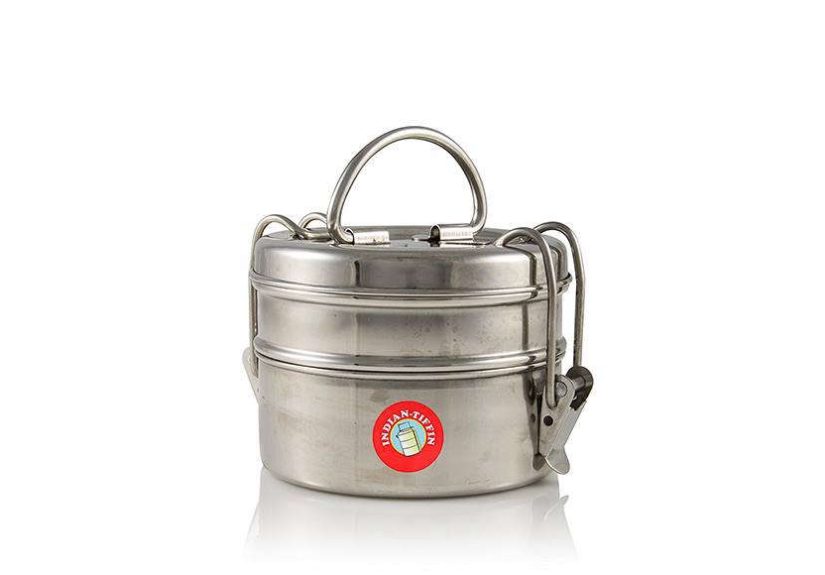
A 2 tier tiffin box usually includes two round stainless steel compartments stacked vertically and secured with side clips or a central locking handle. The design is beautifully simple: one tier for rice, roti, noodles, salad, or grains; another for curry, vegetables, fruit, snacks, or dessert. No complicated app. No charging cable. No tiny “smart lid” that needs Bluetooth. Just honest, durable food storage that has been doing its job long before “meal prep” became a hashtag.
In this guide, we will explore what makes a 2 tier Indian tiffin box useful, how to choose one, what foods work best inside it, how to keep meals safe, and why this humble container is quietly winning over eco-conscious lunch packers across America.
What Is a 2 Tier Indian-Tiffin Box?
A 2 tier Indian-tiffin box is a stackable lunch carrier inspired by traditional Indian dabba-style food containers. “Tiffin” commonly refers to a light meal or packed lunch, while “dabba” means box or container. In India, especially in cities like Mumbai, tiffin culture became famous through dabbawalas, the lunch delivery workers who transport homemade meals to office workers with astonishing coordination.
The two-tier version is one of the most practical formats because it offers separation without becoming bulky. Three- and four-tier tiffins are wonderful for bigger meals, family picnics, or restaurant-style serving, but the 2 tier model hits the sweet spot for daily use. It has enough room for a satisfying lunch, yet it can still fit into a backpack, tote bag, lunch bag, or desk drawer without acting like it owns the place.
Typical Features of a 2 Tier Tiffin Box
Most classic 2 tier Indian tiffins include:
- Two separate stainless steel food compartments
- A top lid that secures the stack
- Side clips or a locking frame
- A foldable handle for easy carrying
- A round, compact design
- Reusable, plastic-free construction
Some models are made from food-grade 304 stainless steel, while others use different stainless steel grades. A common large 2 tier Indian tiffin may hold around 1,050 ml, or roughly 35 fluid ounces, which is enough for a full adult meal when packed thoughtfully. That means you can bring rice and curry, pasta and vegetables, a salad and protein, or even breakfast and lunch in one neat metal tower.
Why Stainless Steel Makes Sense
Stainless steel is one of the biggest reasons people love Indian tiffin boxes. It is strong, smooth, reusable, and naturally resistant to stains and odors. Anyone who has stored tomato sauce in plastic knows the emotional damage of opening a container three washes later and still smelling spaghetti night. Stainless steel does not absorb color and smell the same way, which makes it especially useful for Indian food, spicy meals, pickles, sauces, and oily dishes.
Durability That Survives Real Life
A stainless steel tiffin box is built for normal human chaos. It can handle being packed into a work bag, carried to school, used at a picnic, washed repeatedly, and occasionally dropped with the dramatic sound effect of a cymbal crash. Unlike flimsy disposable containers, it is designed for long-term use. That makes it a smart choice for people who want to reduce single-use packaging without turning lunch into a fragile science experiment.
Easy Cleaning and Better Odor Control
Stainless steel containers are usually easy to wash by hand, and many models are dishwasher-safe, though you should always check the manufacturer’s instructions. The smooth metal surface helps reduce lingering smells from foods like curry, garlic, onion, fish, or kimchi. Your lunchbox should not smell like Tuesday forever. Stainless steel understands this.
Plastic-Free Appeal
Many shoppers choose a 2 tier stainless steel lunch box because they want to reduce contact with plastic, especially when packing warm, oily, or acidic foods. While many modern plastic containers are labeled BPA-free, stainless steel offers a simple alternative for people who prefer fewer synthetic materials touching their meals. It also supports a lower-waste lifestyle because one reusable lunch carrier can replace hundreds of disposable bags, takeout boxes, and single-use wrappers over time.
How a 2 Tier Indian-Tiffin Box Compares to Bento Boxes
The 2 tier Indian tiffin box and the Japanese-style bento box are cousins in the global lunchbox family. Both encourage variety, portion control, and organized meals. The difference is in the layout. A bento box usually spreads food across side-by-side compartments in one flat container. A tiffin box stacks food vertically in separate bowls or tiers.
If your meal is mostly finger foods, sandwiches, crackers, fruit, and cut vegetables, a bento box may feel easier. But if your lunch includes rice, lentils, stew, curry, cooked vegetables, noodles, or warm leftovers, a tiffin box often feels more natural. It is particularly good for meals that deserve their own space. Rice does not want to swim in yogurt. Salad does not want curry sauce as a surprise roommate. The tiffin respects boundaries.
Best Foods to Pack in a 2 Tier Indian-Tiffin Box
The magic of a 2 tier lunch box is that it encourages a complete meal without overcomplicating things. Think of it as a two-act lunch performance: one tier for the base, one tier for the star.
Classic Indian Lunch Ideas
- Rice in one tier, dal or curry in the other
- Roti or paratha in one tier, sabzi in the other
- Lemon rice in one tier, cucumber raita in the other
- Chana masala in one tier, jeera rice in the other
- Vegetable pulao in one tier, paneer curry in the other
American Work Lunch Ideas
- Grilled chicken and quinoa in one tier, roasted vegetables in the other
- Pasta salad in one tier, fruit and nuts in the other
- Turkey meatballs in one tier, rice or mashed potatoes in the other
- Scrambled eggs and potatoes in one tier, berries in the other
- Taco rice in one tier, lettuce and toppings in the other
Vegetarian and Vegan Ideas
- Lentil stew with brown rice
- Chickpea salad with pita pieces
- Tofu stir-fry with noodles
- Black beans with cilantro-lime rice
- Sweet potato curry with couscous
The main rule is simple: keep wet foods and dry foods separate when possible. If your tiffin is not advertised as leakproof, avoid packing thin soups, runny sauces, or watery dressings unless you keep the box upright and use an additional sealed sauce cup.
Is a 2 Tier Tiffin Box Leakproof?
This is where expectations need a small reality check. Many traditional stainless steel tiffin boxes are secure, but not fully leakproof. The clips keep the tiers stacked and closed, but they may not stop liquid from escaping if the box is tipped sideways in a backpack. Thick curries, rice dishes, cooked vegetables, pasta, and dry snacks usually travel well. Broth, soup, thin dal, watery chutney, or salad dressing may stage a jailbreak.
If you need leakproof performance, look for models with silicone seals, locking lids, or vacuum-style closures. If you prefer the classic all-steel design, pack thicker foods and carry the tiffin upright. A lunch bag with a flat bottom can help. So can not tossing it into your backpack like you are trying out for a lunchbox discus team.
Food Safety Tips for Tiffin Lunches
A beautiful lunchbox is great, but food safety still matters. Stainless steel does not magically stop bacteria from growing if perishable food sits too long at unsafe temperatures. If you pack meat, poultry, eggs, dairy, cooked rice, cooked pasta, or cut fruit, use an insulated lunch bag and cold packs when refrigeration is not available.
Keep Cold Foods Cold
For cold lunches, pack the tiffin inside an insulated bag with at least one or two cold sources, such as frozen gel packs or a frozen water bottle. This is especially important for school lunches, outdoor work, commuting, and warm-weather picnics. Perishable food should not sit at room temperature for hours and then be treated like nothing happened. Food has boundaries too.
Keep Hot Foods Hot
A classic stainless steel tiffin is not always insulated. It may carry warm food, but it may not keep food hot for several hours. If you want hot soup, chili, or stew at lunchtime, an insulated food jar is often better. Some modern tiffin-style boxes have double-wall insulation, but traditional single-wall models are better understood as carriers, not thermoses.
Do Not Microwave Regular Stainless Steel
Most stainless steel tiffin boxes should not go into the microwave. Metal can cause sparks and damage the appliance. To reheat food, transfer it to a microwave-safe plate or bowl. Some newer products claim special microwave-safe metal designs, but unless the manufacturer clearly says it is microwave-safe, do not test your luck. The microwave is not the place for lunchbox experiments.
How to Choose the Best 2 Tier Indian-Tiffin Box
Buying a tiffin box seems simple until you discover there are different sizes, steel grades, lids, clips, handles, seals, and capacities. Here is what to look for before clicking “add to cart.”
1. Capacity
For adults, a total capacity around 900 ml to 1,200 ml is practical for a complete lunch. Smaller models work well for kids, snacks, or portion-controlled meals. Larger models are better for long workdays, picnics, or big appetites. If you pack rice plus curry, choose a larger size. If you pack fruit and a sandwich, a medium model may be enough.
2. Material Quality
Look for food-grade stainless steel. Many higher-quality tiffins use 304 stainless steel, which is known for corrosion resistance and durability. Avoid containers that feel flimsy, have rough edges, or arrive with a strong metallic odor. A good tiffin should feel sturdy, smooth, and well-finished.
3. Closure Design
Classic side clips are simple and durable. Central locking handles can be convenient, especially when carrying the tiffin by hand. If you pack saucy foods, consider a model with silicone seals. If you prefer a plastic-free design, accept that the container may not be fully leakproof.
4. Cleaning Ease
Round stainless steel tiers are usually easy to clean because there are fewer corners where food can hide. If the tiffin has silicone gaskets, remove and clean them regularly to prevent trapped moisture or odors. Dry everything fully before storing to reduce water spots and keep the metal looking fresh.
5. Portability
A good 2 tier tiffin should fit into your daily routine. Check the height, diameter, and weight. A foldable handle is helpful, but make sure the clips feel secure. If you commute by bike, train, or bus, choose a size that fits inside an insulated bag and stays upright.
Pros and Cons of a 2 Tier Indian-Tiffin Box
Pros
- Reusable and eco-friendly
- Durable stainless steel construction
- Great for rice, curry, vegetables, snacks, and meal prep
- Compact vertical stacking design
- Easy to clean and resistant to stains
- Plastic-free options are widely available
- Stylish enough to make desk lunch feel less tragic
Cons
- Traditional models may not be leakproof
- Most are not microwave-safe
- Single-wall versions do not keep food hot for hours
- Round shape may not fit sandwiches as easily as rectangular boxes
- Metal can dent if dropped hard
Who Should Use a 2 Tier Tiffin Box?
A 2 tier Indian lunch box is ideal for people who enjoy homemade meals and want a reusable container that looks good, lasts long, and keeps foods separate. It is especially useful for office lunches, school meals, vegetarian cooking, Indian food, leftovers, portion control, and sustainable living.
It is less ideal for people who mainly pack large sandwiches, very liquid soups, or meals that must be reheated directly in the container. In those cases, a microwave-safe glass container or insulated food jar may be more convenient. But for everyday packed meals with grains, proteins, vegetables, and snacks, the 2 tier tiffin is a small kitchen hero.
Care and Maintenance Tips
To keep your stainless steel tiffin box in good condition, wash it after each use with warm water, mild soap, and a soft sponge. Avoid harsh steel wool that can scratch the surface. For stubborn odors, try a baking soda paste or a brief soak with diluted vinegar, then rinse thoroughly. Always dry the tiers before stacking them away.
If your tiffin has clips, check them occasionally to make sure they are not bent. If it has silicone seals, remove them and clean underneath. Do not leave salty or acidic foods sitting in the container for days. Stainless steel is tough, but it appreciates basic manners.
Real-Life Experience: Living With a 2 Tier Indian-Tiffin Box
Using a 2 tier Indian-tiffin box changes the way you think about lunch. With a flat plastic container, the temptation is to throw everything together and hope for the best. With a tiffin, you naturally start composing meals. One tier becomes the “main stage,” while the other becomes the “supporting actor.” Rice and curry. Pasta and salad. Eggs and fruit. Lentils and roasted vegetables. Suddenly lunch feels less like emergency fuel and more like a small, portable meal ceremony.
The first thing most people notice is portion control. A two-tier tiffin gives you limits, but not in a punishing way. It helps you pack enough food without accidentally preparing a lunch heavy enough to qualify as carry-on luggage. One tier can hold the filling part of the meal, such as rice, noodles, quinoa, or bread. The second can hold protein, vegetables, or snacks. It is simple, balanced, and surprisingly satisfying.
The second thing you notice is how much better leftovers behave. Yesterday’s vegetable curry feels intentional when packed in a shiny steel tier with warm rice above it. Stir-fried noodles do not look sad. Chickpea salad does not get smashed under an apple. Even cut fruit feels a little more dignified. A tiffin box has a way of making packed lunch look planned, even when you assembled it half-awake while negotiating with your coffee maker.
There is also a small emotional reward in using something reusable. Instead of peeling plastic wrap, tossing disposable bags, or stacking takeout containers in a cabinet of shame, you wash one sturdy container and use it again. The routine feels cleaner. It also makes grocery planning easier. You start thinking, “What two things can I pack tomorrow?” That question alone can reduce food waste because leftovers finally have a destination besides the mysterious back corner of the refrigerator.
For commuting, the experience depends on how you pack it. Thick foods travel beautifully. Rice, cooked vegetables, beans, roasted potatoes, pasta, paratha, fruit, nuts, and snacks are easy wins. Thin liquids are more dramatic. If you pack soup in a traditional tiffin and then turn it sideways, lunch may attempt to escape. The smart move is to treat a classic tiffin like a stylish upright passenger. Place it flat in an insulated bag, use cold packs when needed, and save watery sauces for a sealed mini container.
At work, a 2 tier tiffin box is a conversation starter. Someone will ask where you got it. Someone else will say their grandmother used one. Another person will stare at your neatly separated lunch while holding a vending-machine granola bar and reconsidering several life choices. The tiffin has charm because it is practical without being boring. It feels old-school and modern at the same time.
The best experience comes when you match the tiffin to your habits. If you need hot food for many hours, buy an insulated version or pair your tiffin with a food jar. If you want easy reheating, transfer food to a microwave-safe bowl. If you love saucy meals, choose a leak-resistant model with seals. If you prefer a fully plastic-free lunch setup, choose a classic stainless steel design and pack accordingly. The tiffin is not trying to be every lunch container in the world. It is trying to be a durable, stackable, reusable carrier for real foodand at that job, it is excellent.
Conclusion
The 2 Tier Indian-Tiffin Box is more than a shiny lunch container. It is a practical bridge between tradition and modern meal prep. With two stackable compartments, durable stainless steel construction, and a compact design, it helps you pack balanced meals without relying on disposable packaging. It works beautifully for Indian lunches, office meals, school snacks, picnic foods, and everyday leftovers.
Its biggest strengths are durability, simplicity, and food separation. Its main limitations are leak resistance, microwave compatibility, and heat retention, depending on the model. Choose the right size, understand how the closure works, pack foods wisely, and use an insulated lunch bag when food safety requires it. Do that, and this humble tiffin box may become the most reliable lunch companion you own.