Table of Contents >> Show >> Hide
- What “Jetsetter” Means Right Now
- Current Jetsetter Obsessions Worth Knowing
- 1. Intentional Travel Over Random Escapes
- 2. Quiet Luxury
- 3. Smart Packing and the Carry-On Lifestyle
- 4. Airport Style That Actually Works
- 5. Set-Jetting and Story-Driven Destinations
- 6. Wellness Without the Weirdness
- 7. Food as the Real Souvenir
- 8. Flexible Work Trips and Blended Travel
- 9. Safer, Smarter Travel Habits
- How to Build a Jetsetter Wardrobe
- Jetsetter Essentials for a Smoother Trip
- Destinations That Fit the Jetsetter Mood
- How to Travel Like a Jetsetter Without Overspending
- Common Jetsetter Mistakes to Avoid
- Experiences Related to “Current Obsessions: Jetsetter”
- Conclusion: The Jetsetter Mood Is Here to Stay
Current Obsessions: Jetsetter is not just about hopping on a plane with oversized sunglasses and a suspiciously tiny suitcase. It is about the modern travel mood: smarter packing, softer luxury, destination-driven style, wellness-minded itineraries, and the delicious thrill of knowing your passport is getting more action than your streaming subscriptions.
The jetsetter of today is not necessarily someone who flies first class every Friday or owns a villa with a lemon tree and a dramatic staircase. A true jetsetter is anyone who treats travel as a lifestyle, not just a vacation. They think about airport outfits, carry-on organization, hotel design, local food, sleep quality, flexible work, safety, and the strange but real joy of buying snacks in a foreign grocery store. The obsession is no longer “Where can I go to impress people?” It is “Where can I go that feels meaningful, beautiful, restorative, and slightly cinematic?”
Travel in 2026 feels more intentional. People are still chasing beaches, cities, mountains, cruises, trains, boutique hotels, and food markets, but they are doing it with sharper priorities. They want comfort without boredom, luxury without loudness, planning without stress, and memories that are more interesting than another blurry sunset photo captioned “Take me back.”
What “Jetsetter” Means Right Now
The word jetsetter used to suggest glamorous people crossing oceans for parties, fashion shows, ski weekends, or private-island escapes. Today, it has widened into something more accessible and more personal. The current jetsetter may be flying to Lisbon for a work-from-anywhere week, taking a luxury train through the Rockies, booking a wellness retreat in Arizona, cruising for the first time, or turning a long weekend into a perfectly edited micro-adventure.
What connects them is not money alone. It is mindset. Jetsetters are curious. They research before they go, but they leave room for surprise. They know that a great hotel lobby can become a temporary living room, that a carry-on can be a personal command center, and that the best meal of the trip might come from a corner bakery, not the restaurant with a three-month reservation list.
Current Jetsetter Obsessions Worth Knowing
1. Intentional Travel Over Random Escapes
Modern travelers are becoming more selective. Instead of booking a destination simply because it is popular, they are asking better questions: Why this place? Why now? What will I remember? This is why milestone trips, heritage journeys, wellness escapes, food-focused weekends, and cultural events are gaining attention. A trip is no longer just a break from life. It is part of life design.
For example, a traveler might choose New Orleans not only for music and food, but because they want a weekend that feels soulful and walkable. Another might choose Santa Fe for art, desert light, spa time, and that magical ability adobe buildings have to make everyone suddenly interested in interior design.
2. Quiet Luxury
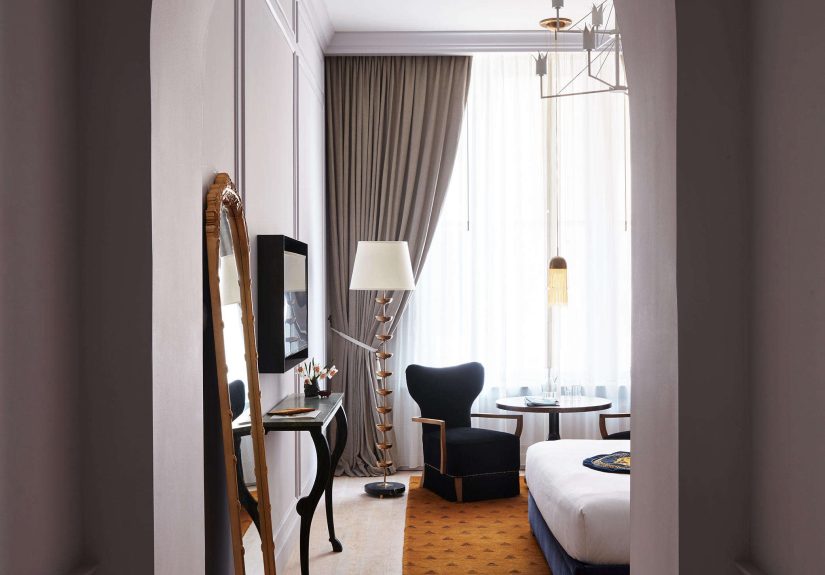
Quiet luxury has entered the travel chat, put down its linen tote, and ordered sparkling water. This trend favors calm design, privacy, thoughtful service, natural materials, and comfort that does not need to announce itself with gold-plated faucets. Jetsetters are increasingly drawn to hotels and experiences that feel intimate, tasteful, and restorative.
Think fewer velvet ropes, more handmade ceramics. Fewer mega-resort buffets, more chef-led breakfasts using local produce. Fewer “look how expensive this is” moments, more “I slept like a well-hydrated heir to a small European estate” moments.
3. Smart Packing and the Carry-On Lifestyle
The current jetsetter loves efficiency. Carry-on packing has become part survival skill, part personality test. Packing cubes, compression bags, refillable toiletry bottles, tech pouches, wrinkle-resistant clothing, and shoes that can survive both cobblestones and airport sprints are now essential.
A strong jetsetter packing list usually includes a capsule wardrobe, a portable charger, noise-canceling headphones, a scarf or wrap, a reusable water bottle, a compact first-aid kit, and documents saved both digitally and physically. Bonus points for bringing a pen for customs forms, because somehow the entire global travel system still occasionally depends on one ballpoint pen at row 34.
4. Airport Style That Actually Works
Airport fashion has matured. The best travel outfits now balance polish and practicality. Stretchy trousers, relaxed blazers, matching knit sets, breathable layers, sleek sneakers, and crossbody bags are popular because they move easily through terminals while still looking intentional.
The goal is not to dress like a celebrity hiding from paparazzi, though sunglasses indoors remain a dramatic option. The goal is to feel comfortable during delays, warm on planes, cool in arrival halls, and presentable enough to go straight from baggage claim to lunch.
5. Set-Jetting and Story-Driven Destinations
Travel inspired by movies, television, books, and pop culture continues to shape itineraries. When a destination appears in a hit show or film, travelers start imagining themselves there almost immediately. This is called set-jetting, and it turns landscapes, hotels, cafés, and historic streets into living mood boards.
But the smarter jetsetter does not simply copy a screen location. They build a fuller trip around it. If a period drama sparks interest in the English countryside, they may add local markets, gardens, historic inns, and train travel. If a food documentary points them toward Mexico City, they might mix restaurants with museums, neighborhood walks, and cooking classes.
6. Wellness Without the Weirdness
Wellness travel is no longer limited to silent retreats where everyone whispers near a bowl of lemons. Today’s wellness-minded jetsetter wants better sleep, movement, nutritious food, spa treatments, outdoor time, emotional reset, and less screen fatigue. Sometimes that means a luxury resort with cold plunges and guided hikes. Sometimes it means booking a cabin, turning off notifications, and remembering what birds sound like.
Hotels are responding with sleep programs, meditation spaces, fitness partnerships, healthier menus, thermal baths, recovery treatments, and nature-based experiences. The jetsetter obsession here is simple: travel should not leave you needing another vacation to recover from your vacation.
7. Food as the Real Souvenir
Forget the fridge magnet. The modern jetsetter wants the flavor memory. Food travel is becoming more personal and more local. Travelers want neighborhood bakeries, farmers markets, cooking classes, wine bars, street food, regional snacks, and grocery-store treasure hunts.
Grocery store tourism deserves its own applause. It is affordable, fun, and weirdly educational. You can learn a lot about a place by studying its chips, yogurts, sparkling waters, and cookie aisle. A jetsetter may return home with olive oil, chili crisp, jam, chocolate, tea, or a snack so good it causes emotional damage when the bag is empty.
8. Flexible Work Trips and Blended Travel
Remote and hybrid work have changed the rhythm of travel. Many people now extend business trips into personal getaways or plan vacations with a few work hours tucked into the morning. This blend of business and leisure has made reliable Wi-Fi, comfortable desks, quiet hotel rooms, and walkable neighborhoods more important than ever.
The modern jetsetter might work from a hotel in Miami before heading to dinner in Wynwood, take calls from a mountain lodge, or spend three extra days in Chicago after a conference. The trick is balance. Nobody wants to fly across the country just to spend the entire trip fighting a spreadsheet in a hotel chair shaped like a decorative spoon.
9. Safer, Smarter Travel Habits
Being stylish is fun. Being prepared is better. Jetsetters now pay closer attention to identification rules, passport validity, travel advisories, airport security requirements, insurance, digital backups, and emergency contacts. This is especially important for international trips, where entry rules, visa requirements, and local conditions can vary widely.
Smart travelers check official guidance before departure, keep copies of important documents, confirm airline requirements, and avoid packing prohibited items in carry-ons. This is not the glamorous part of travel, but neither is unpacking your entire bag at security because your full-size moisturizer decided to become the main character.
How to Build a Jetsetter Wardrobe
A strong jetsetter wardrobe is versatile, comfortable, and photogenic without trying too hard. Start with neutral base pieces: black, navy, cream, gray, olive, denim, or camel. Add one or two statement items, such as a printed scarf, bold sunglasses, a colorful sweater, or a structured jacket. Every piece should work with at least two other pieces in your suitcase.
For a city trip, pack tailored pants, white sneakers, a button-down shirt, a light sweater, a blazer, and one dinner-ready outfit. For a beach trip, pack linen layers, swimsuits, sandals, a sun hat, a cover-up, and something polished enough for a nice meal. For adventure travel, prioritize technical fabrics, weather layers, broken-in shoes, and clothing that can survive unexpected mud, wind, or your own questionable decision to “take the scenic route.”
Jetsetter Essentials for a Smoother Trip
The best jetsetter accessories solve problems before they happen. A luggage tracker helps calm baggage anxiety. A universal adapter saves you from outlet drama. A portable charger keeps maps, boarding passes, and translation apps alive. A compact umbrella can rescue an entire afternoon. A small laundry bag separates clean clothes from the mysterious pile known as “worn once, emotionally complicated.”
Noise-canceling headphones remain a top-tier travel investment. They do not just block sound; they create a tiny personal sanctuary between gate announcements, crying babies, and the man watching action movies without headphones. Hydration tablets, lip balm, moisturizer, and an eye mask also earn their place in the carry-on hall of fame.
Destinations That Fit the Jetsetter Mood
New York City
New York remains a classic jetsetter playground because it offers fashion, food, hotels, museums, theater, shopping, and people-watching so intense it should count as cardio. A smart New York itinerary mixes iconic stops with neighborhood wandering: the West Village, DUMBO, the Lower East Side, Harlem, Williamsburg, or the Upper West Side.
Miami
Miami is ideal for travelers who want beach energy, design hotels, Latin American flavors, art, nightlife, and resort-style relaxation. It is also a great example of a place where wardrobe planning matters. One minute you are in a breezy café; the next you are in a restaurant where everyone looks like they were styled by sunlight.
Santa Fe
Santa Fe is perfect for quiet luxury, art, wellness, desert landscapes, and food with depth. The city feels slower in the best way. It invites travelers to browse galleries, visit museums, eat green chile, watch the light change, and consider buying ceramics they absolutely do not have room for in their carry-on.
Charleston
Charleston offers historic streets, boutique hotels, coastal charm, excellent restaurants, and a romantic pace. It is a strong choice for a long weekend, especially for travelers who want beauty, walkability, and meals that make them discuss biscuits with unusual seriousness.
Honolulu
Honolulu blends city convenience with island beauty. Jetsetters can enjoy beaches, hikes, local food, cultural sites, shopping, and resort comforts in one trip. It works for both first-time Hawaii travelers and repeat visitors who want a soft landing into the islands.
How to Travel Like a Jetsetter Without Overspending
The jetsetter mindset does not require unlimited money. It requires strategy. Travel during shoulder seasons when prices and crowds may be lower. Choose boutique hotels outside the most expensive blocks. Use points wisely. Book flights with flexible timing. Eat one special restaurant meal, then balance it with markets, casual spots, and local bakeries.
Also, design your itinerary around contrast. Pair one splurge with several low-cost pleasures. A spa treatment plus a free coastal walk. A luxury hotel bar plus a picnic in the park. A museum ticket plus an afternoon exploring neighborhoods on foot. The best trips often come from mixing high and low, planned and spontaneous, polished and slightly chaotic.
Common Jetsetter Mistakes to Avoid
First, do not overpack. A heavy suitcase can turn every charming staircase into a personal enemy. Second, do not schedule every minute. Overplanning leaves no room for discovery, naps, weather changes, or the café you find by accident. Third, do not dress only for photos. Shoes that look amazing but destroy your feet by noon are not fashion; they are betrayal.
Fourth, do not ignore logistics. Check passport rules, ID requirements, airline baggage limits, local transportation, weather, and neighborhood safety. Fifth, do not chase trends blindly. A destination may be viral, but that does not mean it suits your travel style. Choose places that match your energy, interests, and budget.
Experiences Related to “Current Obsessions: Jetsetter”
The best way to understand the current jetsetter obsession is to imagine the full rhythm of a trip. It begins before the airport, usually with a half-packed suitcase on the bed and the false confidence that everything will fit. The jetsetter edits. They remove the third pair of jeans, add the adapter, swap the stiff shoes for sneakers, and place passport, wallet, and lip balm in the bag pocket that becomes sacred for the next several days.
At the airport, the experience becomes a small performance of preparation. The boarding pass is ready. The ID is accessible. The laptop is charged. The outfit is comfortable enough for a long flight but polished enough to avoid looking like the trip began with a laundry emergency. There is coffee, of course, because airports operate on caffeine, optimism, and the mysterious belief that a $14 sandwich is normal.
On arrival, the jetsetter does not rush into doing everything immediately. The first hour matters. A good traveler checks into the hotel, freshens up, learns the neighborhood, and takes a walk. This walk is where the trip begins to become real. You notice the smell of bread from a bakery, the sound of traffic in a new rhythm, the color of the buildings, the local style, the menu posted outside a tiny restaurant, and the strange joy of being temporarily anonymous.
A jetsetter experience is built from these details. It is the hotel robe after a red-eye flight. It is finding the perfect café table near a window. It is buying a local snack because the packaging looks charming and then discovering it tastes like happiness with salt. It is learning that the best view is not always from the famous viewpoint, but from a quiet side street at golden hour.
One of the most memorable jetsetter-style experiences is the blended day: part culture, part rest, part indulgence. For example, in New York, the day might begin with a museum, continue with a long lunch downtown, include a boutique visit in SoHo, and end with jazz or theater. In Santa Fe, it might begin with a spa soak, continue through galleries, pause for green chile stew, and end under a dramatic desert sky. In Miami, it might be beach in the morning, design shopping in the afternoon, Cuban food in the evening, and a hotel lobby that feels like a movie set by night.
Another experience at the heart of jetsetter culture is the art of traveling light emotionally. This means leaving space for the trip to surprise you. Maybe the restaurant you planned is closed, but the backup becomes better. Maybe rain changes your beach day into a bookstore-and-café day. Maybe a delayed flight teaches you that your carry-on snack strategy is not optional but heroic. Flexibility is not just practical; it makes travel more enjoyable.
Jetsetter travel also teaches taste. After enough trips, you learn what matters to you. Some people care deeply about hotel beds. Others care about walkable neighborhoods, great breakfast, spa access, architecture, nightlife, beaches, hiking, or direct flights. The current obsession is not about copying someone else’s dream itinerary. It is about becoming fluent in your own preferences.
Finally, the jetsetter experience continues after returning home. You unpack with souvenirs, photos, receipts, and one mysterious item you do not remember buying. You recreate a dish, wear the scarf, frame the print, use the hotel-inspired candle, or start planning the next escape. That is the real current obsession: travel that lingers. Not just in your camera roll, but in your habits, your style, your meals, your conversations, and the way you look at the map when life starts feeling too small.
Conclusion: The Jetsetter Mood Is Here to Stay
Current Obsessions: Jetsetter captures the new travel spirit: intentional, stylish, practical, wellness-aware, culturally curious, and just glamorous enough to make packing cubes feel like a lifestyle choice. Today’s jetsetter is not defined by private jets or perfect itineraries. They are defined by curiosity, preparation, taste, flexibility, and the desire to experience the world with more depth.
Whether you are planning a luxury escape, a long weekend, a work-from-anywhere trip, a cruise, a city break, or a peaceful retreat, the jetsetter approach makes travel feel smoother and more memorable. Pack smart, choose meaningfully, dress comfortably, eat locally, stay aware, and leave room for the unexpected. The best trips are not always the most expensive. They are the ones that make you feel awake, restored, and ready to tell stories that do not begin with “So the flight was delayed,” even if, honestly, it probably was.
Note: This article is written for web publication in standard American English and synthesizes current travel guidance, lifestyle travel trends, and jetsetter-focused consumer behavior without inserting source links or citation placeholders.