Table of Contents >> Show >> Hide
- What Exactly Is Aromatherapy?
- How Aromatherapy Might Work (Your Brain, Your Nose, and the “Limbic Group Chat”)
- What Can Aromatherapy Help With? (The Evidence, Without the Instagram Filter)
- Common Essential Oils People Use (and What They’re Usually Used For)
- How To Use Aromatherapy Safely (This Part Matters More Than “Which Oil Is Best”)
- How To Tell If Aromatherapy Is Helping You
- When To Talk to a Healthcare Professional
- Practical Examples: Aromatherapy Routines That Don’t Require a Spa Membership
- Experiences: What Aromatherapy Can Feel Like in Real Life (500+ Words)
- Conclusion
Aromatherapy sounds fancylike something that happens in a spa where everyone whispers and nobody makes eye contact. In reality, it’s much simpler:
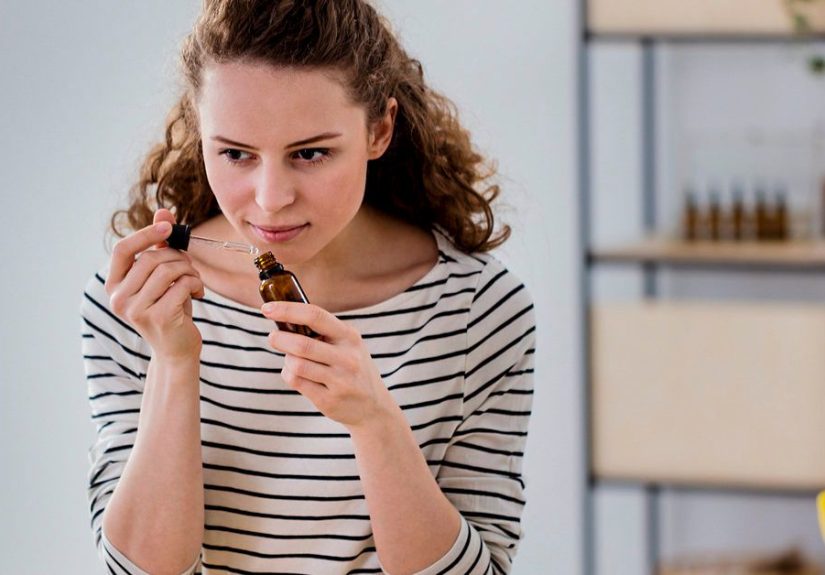
it’s the intentional use of plant-based essential oils for well-being, most commonly by smelling them (inhalation) or using them on
the skin in a properly diluted form. Some people use it to take the edge off a stressful day, make bedtime feel more like bedtime,
or turn a regular shower into a small, minty personality upgrade.
Here’s the honest, hype-free version: aromatherapy can be a helpful comfort tool and a calming ritual for many people, and there’s some research
suggesting benefits for things like stress and sleepbut the evidence is mixed, and it’s not a substitute for medical care. Think of
it like a supportive friend who brings snacks, not a superhero who cures everything.
What Exactly Is Aromatherapy?
Aromatherapy is a complementary health approach that uses essential oilsconcentrated aromatic compounds extracted from plants (flowers,
leaves, bark, peels, roots). These oils are used in a few common ways:
- Inhalation: Diffusers, aroma sticks, a few drops on a tissue, or steam inhalation (with caution).
- Topical use: Applied to skin only after dilution in a carrier oil (like jojoba, sweet almond, or fractionated coconut oil).
- Professional use: Often combined with massage or other integrative therapies in some clinics.
Aromatherapy sits in the “feel better” category: comfort, relaxation, and symptom support. It’s commonly used alongside other routinessleep hygiene,
mindfulness, stretching, therapy, or medical treatmentrather than replacing them.
How Aromatherapy Might Work (Your Brain, Your Nose, and the “Limbic Group Chat”)
Smell is uniquely wired to parts of the brain involved in emotion and memory. When you inhale an aroma, scent molecules stimulate your olfactory system,
and the brain areas that help process emotion, stress responses, and memory can get involved. That’s one reason a smell can instantly take you back to
your grandmother’s kitchen… or your high school locker room (sorry).
This doesn’t mean an oil is “rewiring your brain” in a dramatic way. It often means the scent can become a cue: a signal that it’s time
to slow down, breathe deeper, and switch gears. In other words, aromatherapy can work partly because it’s a sensory “anchor” that supports a calming routine.
And yesplacebo effects can be part of real relief. If something safe helps you relax, that’s still a win.
What Can Aromatherapy Help With? (The Evidence, Without the Instagram Filter)
Stress and Anxiety
Many people use aromatherapy when they feel tense, overwhelmed, or stuck in “fight-or-flight mode.” Some studies suggest certain aromaslavender is a
frequent examplemay help reduce anxiety in specific settings. But results vary by person and by study design. The biggest takeaway: aromatherapy may
support relaxation, especially as part of a broader stress-management plan.
A practical way to use this: pair a calming scent with something that already helps (slow breathing, stretching, a short walk, journaling). Your brain
learns, “Oh, it’s that smelltime to unclench my jaw.”
Sleep Support
If you’ve ever stared at the ceiling at 2:00 a.m. while your brain reviews every awkward thing you said since 2014, you understand why sleep is a popular
aromatherapy goal. Some research suggests aromatherapy may improve sleep quality for some peopleagain, not a guarantee, not a cure, but potentially helpful.
Aromatherapy tends to work best for sleep when it becomes part of a consistent wind-down routine: dim lights, screens off (or at least “night mode”),
relaxing scent, and a predictable bedtime.
Nausea and Discomfort (Including in Clinical Settings)
In healthcare settings, aromatherapy has been studied for symptoms like nausea, discomfort, and distressespecially as supportive care (for example, in
people undergoing medical treatment). Findings are mixed: some people report relief, others notice no difference. If you’re dealing with persistent nausea
or pain, the safest approach is to use aromatherapy as an add-on after talking with a clinicianespecially if you’re on medications or managing a condition.
Pain, Headaches, and “General Crankiness”
Some people use aromatherapy for tension headaches, sore muscles, or that vague feeling of “everything is too much.” A key point: topical essential oils
are usually used as part of massage or a soothing rub. Massage itself can help with relaxation and muscle tension, so it can be hard to separate the effect
of touch from the effect of scent. Either way, many people enjoy the combination because it feels comforting.
Common Essential Oils People Use (and What They’re Usually Used For)
Essential oils are not all the same, and “natural” doesn’t automatically mean “safe for everyone.” Here are some popular oils and the typical
reasons people reach for them:
- Lavender: Often used for relaxation and bedtime routines.
- Peppermint: Commonly used for an “energizing” feel or post-workout massage blends (use carefully; not for little kids’ faces).
- Sweet orange or citrus oils: Often used for mood-lifting room scents (note: some citrus oils can increase sun sensitivity on skin).
- Eucalyptus: Common in “spa shower” blends (strong aroma; may irritate sensitive airways).
- Tea tree: Popular in skin-related products (can irritate skin; use diluted; keep away from children/pets).
- Chamomile: Used in calming blends and gentle nighttime rituals.
- Bergamot: Often used for relaxation (also a citrus oil; be mindful of photosensitivity depending on product type).
Notice the theme: these are mostly about comfort, mood, and routine. If an oil is being marketed as a guaranteed treatment for serious
disease, that’s a big red flag.
How To Use Aromatherapy Safely (This Part Matters More Than “Which Oil Is Best”)
Most aromatherapy problems don’t come from the idea of scentthey come from misuse: applying undiluted oils, ingesting oils, using them
around vulnerable people, or assuming “if one drop is nice, 47 drops must be amazing.” (It is not. Your lungs and skin are not impressed.)
1) Inhalation: The Simplest Option
- Diffuser: Use for short periods in a well-ventilated room. Start with fewer drops than you think you need.
- Tissue/cotton method: One drop on a tissue nearby can be enough.
- Shower steam: Keep oils away from direct skin contact and avoid strong concentrations; skip for kids and anyone with airway sensitivity.
If you have asthma, COPD, respiratory allergies, migraines triggered by fragrance, or you find scents irritating, go slowor skip inhaled oils entirely.
“Relaxing” is not supposed to feel like “my throat is staging a protest.”
2) Topical Use: Always Dilute
Essential oils are concentrated. Putting them directly on skin can cause irritation, allergic reactions, or (with some oils) sun sensitivity. Use a
carrier oil and consider a patch test first.
- Patch test: Try a small amount of diluted blend on your inner forearm and wait to see if irritation occurs.
- Keep away from eyes and mucous membranes: No “it tingles so it must be working” experiments.
- Sun caution: Some oils (often citrus) can increase photosensitivity when used on skin.
3) Do Not Ingest Essential Oils Unless Specifically Directed by a Qualified Clinician
Swallowing essential oils can be dangerous, especially for children, and can cause poisoning or serious side effects depending on the oil and amount.
If ingestion happens accidentally, contact Poison Control promptly.
4) Extra Caution for Kids, Pregnancy, and Pets
Some groups are more sensitive to essential oils:
- Children: Kids can have stronger reactions. Keep oils out of reach. Avoid applying certain oils to young children’s faces, and be cautious with diffusers in enclosed spaces.
- Pregnancy/breastfeeding: Safety data varies by oil, trimester, and health factorsask a healthcare professional before use.
- Pets: Some oils can be harmful to pets; use caution and avoid heavy diffusion in shared spaces.
5) Quality and Marketing Reality Check
Essential oils are sold in many formscosmetics, fragrances, “wellness” productsand quality can vary. Also, “aromatherapy” claims can blur into medical
claims. If a product says it will treat, cure, or prevent disease, that’s not just boldit may be stepping into “drug claim” territory. Your best move:
choose reputable brands, avoid miracle promises, and treat oils like potent products, not harmless air freshener.
How To Tell If Aromatherapy Is Helping You
The most useful question isn’t “Does aromatherapy work?” It’s:
“Does this safe, reasonable use of aromatherapy help me feel or function better?”
Try a simple two-week experiment:
- Pick one goal: “Fall asleep faster” or “feel calmer after work.”
- Pick one method: Diffuser for 15 minutes, or a diluted roller blend on wrists (if your skin tolerates it).
- Pair it with a habit: Breathing exercise, stretching, reading, or a consistent bedtime.
- Track results: A quick 1–10 rating for stress/sleep each day.
If you notice a consistent improvementand you’re not getting side effectsgreat. If nothing changes, you’ve learned something without wasting months or money.
When To Talk to a Healthcare Professional
Aromatherapy is generally considered a complementary approach, but you should check in with a professional if:
- You’re pregnant, breastfeeding, or using aromatherapy for a child.
- You have asthma/COPD or fragrance-triggered migraines.
- You have chronic skin conditions, frequent allergies, or a history of reactions.
- You’re taking medications and planning frequent topical use (possible interactions and sensitivities matter).
- You’re trying to use aromatherapy to manage severe anxiety, insomnia, pain, or nausea that’s impacting daily life.
Practical Examples: Aromatherapy Routines That Don’t Require a Spa Membership
The “Three-Minute Desk Reset” (Workday Stress)
Put one drop of a calming scent on a tissue and keep it nearby (not pressed to your face). Sit back, inhale gently, and do six slow breaths:
in for four, out for six. The scent is the cue; the breathing is the engine.
The “Shower Turns Into a Forest” Routine (Transition Time)
If strong scents don’t bother you, add a small amount of essential oil to a shower-safe aromatherapy accessory (or use a pre-made shower tablet from a
reputable brand). Keep it out of direct skin contact. The goal is not to gas your bathroomit’s to create a gentle sensory signal that the day is shifting.
The “Bedtime Scent Cue” (Sleep Support)
Use a diffuser for 10–15 minutes while you do a wind-down routine: dim lights, stretch, read, or listen to something calm. Then turn the diffuser off
and let your room be… a room. Consistency matters more than intensity.
Experiences: What Aromatherapy Can Feel Like in Real Life (500+ Words)
Below are common, realistic experiences people report when they use aromatherapy safely and consistently. These are illustrative scenariosnot promises
and not medical claimsbecause bodies and brains are wonderfully weird and not everyone reacts the same way.
1) “My Brain Finally Got the Memo That Work Is Over”
Jordan finishes the day with a head full of tabs openboth in the browser and in the mind. Instead of immediately scrolling in the same chair where the
stress happened, Jordan tries a transition ritual: shoes off, phone down, and a diffuser running for 10 minutes with a familiar calming scent.
The first few days, nothing dramatic happens. But after a week, the scent becomes a tiny signal flare: “We’re done for today.” Jordan still has stress,
but the evening feels less like a continuation of the workday and more like a separate chapter. The biggest surprise isn’t that the oil is magicalit’s
that having a consistent cue makes it easier to start relaxing behaviors (stretching, showering, eating slowly) without arguing with the brain first.
2) “I Don’t Sleep Like a Baby, But I Stop Fighting Sleep”
Sam’s bedtime problem isn’t just insomniait’s negotiation. Every night is a debate: “One more video,” “one more message,” “one more snack,” and suddenly
it’s tomorrow. Sam adds a simple routine: a gentle scent for 10 minutes while brushing teeth, dimming lights, and reading a paper book (yes, like a
time traveler). Over time, the scent becomes part of a predictable pattern. Sam still has occasional restless nights, but notices fewer nights of lying in
bed feeling annoyed at the ceiling. The benefit feels subtle: less tension around sleep. Sleep becomes something Sam approaches rather than something Sam
wrestles into submission.
3) “My Self-Care Got Less Complicatedand More Effective”
Priya is great at research and terrible at rest. If there’s a wellness trend, Priya has read the thread, watched the video, and saved the checklist.
But when stress hits, that library of advice becomes overwhelming. Aromatherapy helps in an unexpected way: it’s simple. Priya chooses one scent
that feels pleasant and uses it only during a five-minute breathing break. It becomes a low-friction ritualno equipment, no perfect plan, no guilt.
The scent doesn’t fix the schedule, but it helps Priya take a real pause instead of a “pause” that’s secretly multitasking. Over time, Priya starts to
associate the smell with a moment of safety and stillness, and that association makes it easier to actually do the breathing practice (instead of just
reading about it).
4) “I Learned the Difference Between ‘Strong’ and ‘Helpful’”
Marcus tries essential oils and assumes more is better. The diffuser smells like a perfume store inside a pine tree. Marcus gets a headache and decides
aromatherapy is nonsense. Later, a friend suggests a different approach: fewer drops, shorter time, better ventilation, and choosing a scent that feels
neutral rather than intense. The experience changes. It’s not dramatic bliss, but it’s comfortable. Marcus realizes aromatherapy is like seasoning:
the goal is flavor, not punishment. This becomes a bigger lessonwellness tools work best when they’re gentle enough to use consistently. Marcus starts
using aromatherapy occasionally as a background support for relaxing activities, not as a “fix,” and that’s when it finally feels helpful.
The common thread in these experiences isn’t the brand, the blend, or the “perfect oil.” It’s the combination of safe use, pleasant scent,
and repeatable routine. If aromatherapy helps you feel calmer, sleep a bit better, or make a stressful day feel more manageable, it’s doing its job.
And if it doesn’t? You can walk away with your dignity intact and your nostrils un-traumatized.
Conclusion
Aromatherapy is the intentional use of essential oilsusually through inhalation or diluted skin applicationto support well-being. It may help with
relaxation, stress, and sleep for some people, and it can be a powerful routine cue because smell connects strongly to emotion and memory. But the science
isn’t one-size-fits-all, and safety matters: avoid ingestion, dilute topical use, and be extra cautious with kids, pregnancy, respiratory conditions, and pets.
If you approach aromatherapy like a supportive tool (not a miracle cure), it can be a simple, enjoyable way to feel a little more human on a busy day.