Table of Contents >> Show >> Hide
- Understanding Mounjaro Storage Basics Before You Travel
- Can Mounjaro Be Out of the Fridge While Traveling?
- Best Way to Pack Mounjaro for Air Travel
- How to Keep Mounjaro Cold During Travel
- Traveling with Mounjaro by Car, Bus, or Train
- Hotel Storage: Refrigerator Friend or Freezer Trap?
- International Travel with Mounjaro
- Managing Your Weekly Dose Across Time Zones
- How to Tell If Mounjaro May Not Be Safe to Use
- Safe Disposal While Traveling
- Common Mounjaro Travel Mistakes to Avoid
- Practical Example: A Three-Day Domestic Flight
- Practical Example: A Summer Road Trip
- Extra Travel Experiences and Real-Life Tips for Mounjaro Storage
- Conclusion
Traveling with Mounjaro can feel a little like traveling with a tiny VIP passenger: it needs the right temperature, protection from light, a safe seat in your carry-on, and absolutely no surprise vacation inside a hot car. The good news? With a simple plan, Mounjaro can travel with you safely, whether you are flying across the country, driving to the beach, staying in a hotel, or taking a long weekend trip where the biggest medical emergency should be choosing between pancakes and eggs.
Mounjaro, also known by its active ingredient tirzepatide, is an injectable prescription medicine used to help manage blood sugar in adults with type 2 diabetes. Because it is a temperature-sensitive medication, storage matters. Too much heat, freezing temperatures, direct sunlight, or careless packing can affect the medicine’s quality. That does not mean you need to panic every time your suitcase sees daylight. It simply means you should know the storage rules before you leave home.
This guide explains how to travel with Mounjaro, how to manage Mounjaro temperature control, what to pack, how to handle airport screening, and what to do if your pen or vial gets too warm or too cold. Think of it as your no-drama travel checklist for keeping your medication safe, effective, and ready when you need it.
Understanding Mounjaro Storage Basics Before You Travel
Before you pack your socks, phone charger, and the snack you will absolutely forget at the bottom of your bag, start with the most important rule: Mounjaro should normally be stored in the refrigerator between 36°F and 46°F, or 2°C to 8°C. This is the ideal storage range for unused Mounjaro pens or vials.
If refrigeration is not available, Mounjaro can be kept at room temperature for a limited period. The standard rule for U.S. Mounjaro single-dose pens and vials is that they may be stored unrefrigerated at temperatures up to 86°F, or 30°C, for up to 21 total days. After that, the medication should be discarded if it has not been used.
There are three big “do not” rules worth remembering:
- Do not freeze Mounjaro.
- Do not use Mounjaro if it has been frozen.
- Do not expose Mounjaro to heat or direct light.
Keeping Mounjaro in its original carton helps protect it from light. That box may not look glamorous, but it does an important job. It also helps airport security, hotel staff, or healthcare providers identify the medication if needed.
Can Mounjaro Be Out of the Fridge While Traveling?
Yes, Mounjaro can be out of the fridge while traveling, but only within the approved limits. If your travel time is short and the temperature stays below 86°F, you may not need an elaborate cooling setup. However, “room temperature” does not mean “the inside of a parked car in July,” “a sunny airport window ledge,” or “the top pocket of a black backpack baking on a beach chair.”
The 21-day room-temperature allowance is helpful for travel, but it should not be treated like a challenge. Your goal is still to keep Mounjaro cool and stable whenever possible. If you are traveling for more than a few hours, going somewhere hot, or carrying multiple doses, an insulated medication travel case is a smart choice.
What Counts as Room Temperature?
For Mounjaro travel storage, room temperature means a temperature that does not exceed 86°F. Many everyday travel environments can go above that quickly. A car interior can become dangerously hot in a short time. Checked luggage may be exposed to temperature swings. A hotel mini-fridge can sometimes freeze items placed too close to the cooling element. Temperature control is not about being fussy; it is about avoiding extremes.
Best Way to Pack Mounjaro for Air Travel
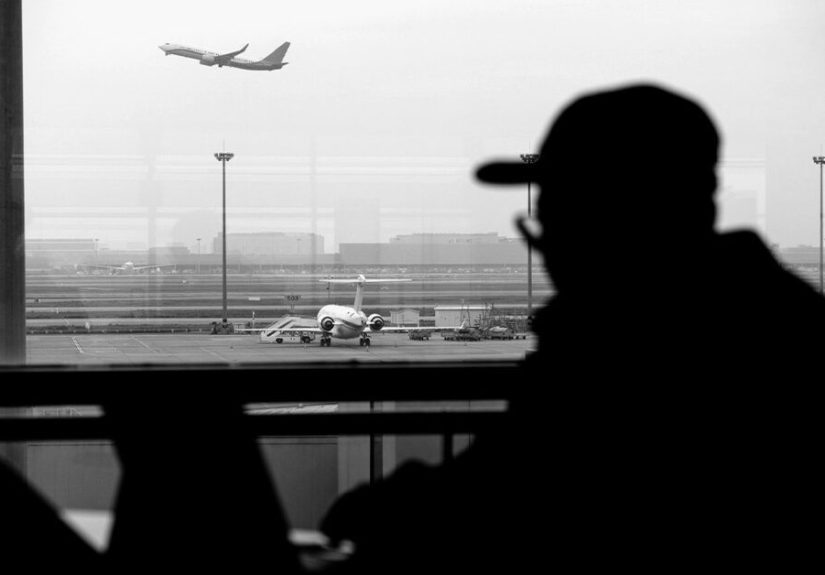
When flying with Mounjaro, always pack it in your carry-on bag, personal item, or medical bag. Do not place Mounjaro in checked luggage. Checked bags can be lost, delayed, overheated, or exposed to freezing temperatures in cargo areas. Your medication should stay with you, just like your passport, wallet, and emergency chocolate.
Keep Mounjaro in its original packaging whenever possible. This helps protect it from light and makes it easier to identify during airport security screening. If you have a prescription label, pharmacy packaging, or a medication list from your healthcare provider, bring that too. It is especially useful for international travel or if you are carrying multiple injectable medications.
Airport Security and Mounjaro
In the United States, medically necessary injectable medications and related supplies are generally allowed through airport security. Cooling accessories, such as gel packs or ice packs used to keep medicine cold, may also be allowed when they are medically necessary. To make screening smoother, separate your Mounjaro and supplies from the rest of your belongings and tell the TSA officer that you are carrying medication.
You can request hand inspection if you prefer, although screening procedures may vary. Keep supplies organized in a clear pouch or dedicated medication case. Nobody wants to perform a full archaeological dig through a suitcase while a line of passengers silently judges them.
How to Keep Mounjaro Cold During Travel
For short trips, the original carton inside a carry-on bag may be enough if the temperature stays controlled. For longer trips, hot climates, road travel, or airport delays, use an insulated medication travel case with a cold pack. The key is to keep Mounjaro cool without freezing it.
Never place the pen or vial directly against ice, dry ice, or a frozen gel pack. Direct contact can freeze the medication. Instead, use a barrier such as a towel, cloth sleeve, or the case’s built-in divider. A small digital thermometer or temperature indicator can also help you monitor the storage environment, especially if you are traveling in summer or visiting a warm destination.
Simple Travel Cooling Setup
A practical Mounjaro travel kit may include:
- Mounjaro pens or vials in the original carton
- An insulated medication case
- One or two gel packs, depending on travel length
- A cloth barrier to prevent freezing
- A small thermometer or temperature monitor
- Alcohol swabs and other injection supplies
- A travel-size sharps container or puncture-resistant container
- A copy of your prescription or medication list
If your trip involves multiple travel days, plan how you will re-chill gel packs safely. Hotels may have freezers, but do not place Mounjaro itself in a freezer. If using a hotel refrigerator, place the medication in the center area rather than against the back wall or freezer compartment.
Traveling with Mounjaro by Car, Bus, or Train
Road trips can be trickier than flights because temperatures change fast. Never leave Mounjaro in a parked car, glove compartment, trunk, or direct sunlight. Even if the outside temperature feels mild, the inside of a vehicle can heat up quickly. In cold weather, cars can also become too cold, especially overnight.
Keep your Mounjaro in the passenger area with you, preferably in an insulated case. If you stop for lunch, sightseeing, or a gas station coffee that tastes like regret, take your medication bag with you. Do not leave it behind in the car.
On trains or buses, keep the medication in your personal bag rather than stowing it under the vehicle or in a luggage compartment. The goal is simple: if you would not leave your phone, passport, or wallet there, do not leave your Mounjaro there either.
Hotel Storage: Refrigerator Friend or Freezer Trap?
A hotel refrigerator can be useful, but it is not always precise. Some mini-fridges run too warm, while others freeze items placed near the back. When you arrive, check the refrigerator before storing your medication. If you have a thermometer, place it inside and confirm that the temperature is within the safe refrigerated range.
Store Mounjaro in the original carton and place it away from the freezer plate or cooling vent. Avoid the refrigerator door if the temperature fluctuates too much. If the mini-fridge looks unreliable, ask the hotel if they can store medication in a medical refrigerator or provide a better solution. Many hotels are familiar with medication storage requests.
What If There Is No Refrigerator?
If no refrigerator is available, use the room-temperature rule carefully. Keep Mounjaro below 86°F and away from sunlight. Choose a cool, shaded place in the room, not a bathroom counter. Bathrooms can become warm and humid, especially after showers. A drawer, closet shelf, or shaded area inside your bag is usually better.
International Travel with Mounjaro
International travel adds another layer of planning. Medication laws vary by country, and some countries have specific rules about prescription drugs, injectable medications, needles, and documentation. Before traveling abroad, check the rules for your destination and any countries where you have layovers.
Bring enough medication for your trip, plus extra if your healthcare provider recommends it. Travel delays happen. Flights get canceled, luggage gets misplaced, and sometimes the universe decides your three-hour layover should become a twelve-hour airport camping experience. Pack extra supplies in your carry-on so you are not stuck without your medication.
Ask your healthcare provider whether you need a travel letter. A good letter may include your name, diagnosis, medication name, dosing schedule, and the need to carry injectable medication and supplies. Keep this with your prescription packaging.
Managing Your Weekly Dose Across Time Zones
Mounjaro is usually taken once weekly. For many travelers, the easiest plan is to keep the same weekly dosing day. A few time zones usually do not create a major problem, but long-distance travel can make schedules feel confusing. Before a major trip, ask your healthcare provider or pharmacist how to handle dosing time changes.
If you miss a dose, follow the instructions provided with your prescription. In general, Mounjaro missed-dose guidance depends on how much time has passed. Do not double up doses unless your healthcare provider specifically tells you to. When in doubt, contact your prescriber or pharmacist.
A calendar reminder can help. Set one reminder for your usual dose day and another reminder to check storage conditions. Your future self, possibly jet-lagged and holding a hotel coffee, will appreciate the help.
How to Tell If Mounjaro May Not Be Safe to Use
Before using Mounjaro, inspect it. The medication should be clear and colorless to slightly yellow. Do not use it if it appears cloudy, discolored, frozen, or contains particles. Also do not use a pen or vial that is damaged, expired, or has been exposed to temperatures outside the recommended range.
If you are unsure whether your Mounjaro is still safe, do not guess. Call your pharmacist, prescriber, or the manufacturer’s support line. It is better to ask one “silly” question than to use medication that may have been compromised. For the record, temperature-sensitive medication questions are not silly. The real silly move is storing it next to a hotel room heater and hoping for the best.
Safe Disposal While Traveling
Used Mounjaro pens, needles, syringes, or other sharps should go into an approved sharps disposal container. For travel, you can use a travel-size sharps container. If one is not available, ask your healthcare provider or pharmacist what puncture-resistant alternative is acceptable for temporary use.
Do not toss loose needles or used sharps directly into hotel trash, airplane seat pockets, public restroom bins, or your suitcase. That creates a safety risk for cleaning staff, family members, pets, and anyone else who may handle the trash. When you return home, follow your local rules for sharps disposal.
Common Mounjaro Travel Mistakes to Avoid
Putting Mounjaro in Checked Luggage
This is one of the most common mistakes. Keep Mounjaro with you in your carry-on. Checked luggage can be exposed to extreme temperatures or may not arrive when you do.
Letting the Pen Touch Ice Directly
Cold is good. Frozen is not. Always place a barrier between Mounjaro and frozen gel packs.
Leaving Medication in a Hot Car
A parked car can quickly become too hot for temperature-sensitive medication. Take your medication bag with you.
Ignoring the 21-Day Limit
If Mounjaro has been kept at room temperature, track the date. Do not rely on memory alone. Write the date on the carton or set a phone reminder.
Using an Unreliable Hotel Fridge
Mini-fridges can freeze medication. Check the temperature and keep Mounjaro away from the coldest spots.
Practical Example: A Three-Day Domestic Flight
Imagine you are flying from Chicago to Miami for a long weekend. Your flight is three hours, but with airport time, transportation, and hotel check-in, your Mounjaro may be away from your home refrigerator for eight to ten hours. If the medication stays below 86°F and protected from light, it may remain within room-temperature limits. Still, because Miami can be warm, an insulated medication case with a gel pack is wise.
You would pack the pen in its original carton, place it in a medication case, keep it in your carry-on, separate it during TSA screening, and store it in the hotel refrigerator after checking that the fridge does not freeze items. If the fridge seems suspiciously icy, use a temperature monitor or ask the hotel for help.
Practical Example: A Summer Road Trip
Now imagine a seven-hour road trip in August. This is where temperature control becomes more important. Put Mounjaro in an insulated case with a cold pack, separated by a cloth barrier. Keep the case inside the air-conditioned passenger area, not in the trunk. When you stop, take it with you. At your destination, move it to a safe refrigerator or keep it below 86°F if refrigeration is not available and you are still within the allowed room-temperature window.
Extra Travel Experiences and Real-Life Tips for Mounjaro Storage
Many people discover that traveling with Mounjaro is less stressful after the first trip. The first time, you may feel like you are transporting a rare museum artifact. By the third trip, you will probably have a routine: medication case, original carton, gel pack, prescription info, sharps container, done. The trick is to build a system that does not depend on perfect memory.
One helpful habit is to create a “departure day medication checklist.” Put it on your phone and review it before leaving. Include simple items such as “Mounjaro packed,” “gel pack frozen,” “prescription label included,” “sharps container packed,” and “dose day reminder set.” This takes less than a minute and prevents the classic travel panic of wondering whether your medication is still sitting politely in the refrigerator at home.
Another useful experience-based tip is to carry Mounjaro in the same personal item every time. For example, always place it in the inner pocket of your backpack or under-seat tote. Do not move it between bags unless necessary. The more you move medication around, the easier it is to misplace. Travel already gives you enough tiny mysteries, such as where your boarding pass went and why airport sandwiches cost more than a small appliance.
If you are staying with family or friends, communicate clearly. Tell them the medication needs refrigeration but must not be frozen. If they have a crowded refrigerator, place the carton inside a small labeled container. This prevents it from being pushed against the freezer vent or mistaken for something that can be moved around casually. A simple label such as “Medication: Do Not Freeze” can save a lot of trouble.
For beach trips, festivals, weddings, theme parks, or outdoor events, think ahead about where your medication will be during the day. If you do not need to carry the dose with you after it is safely stored at your lodging, leave it in a controlled environment. If you must carry it, use an insulated medical case and avoid direct sunlight. Do not leave it in a beach bag on hot sand or in a stroller parked in the sun.
Travelers who use Mounjaro often learn that the biggest challenge is not the injection itself; it is the temperature guessing game. A small thermometer can reduce that anxiety. Instead of wondering whether a cooler is “probably fine,” you can check. This is especially helpful during long airport delays, summer road trips, or hotel stays where the refrigerator seems to have two settings: tropical breeze and Arctic cave.
Finally, plan for human error. Bring backup supplies when possible. Keep your prescriber’s contact information and pharmacy phone number saved. Take a photo of your prescription label. Write down when the medication left the refrigerator if you are using the 21-day room-temperature window. These small steps make travel feel manageable. Mounjaro may need special care, but it should not stop you from visiting family, attending work events, exploring new places, or enjoying a real vacation. With smart storage and temperature control, your medication can come along quietly while you focus on the actual trip.
Conclusion
Traveling with Mounjaro is completely manageable when you understand the storage rules. Keep it refrigerated between 36°F and 46°F when possible, protect it from light, avoid freezing, and remember that it may be kept at room temperature up to 86°F for up to 21 total days when needed. Use carry-on luggage for flights, avoid checked bags, keep the medication away from hot cars and direct sunlight, and use an insulated case for long trips or warm destinations.
The best travel strategy is simple: keep Mounjaro with you, keep it protected, keep it organized, and keep a backup plan. A little preparation can prevent a lot of stress. After all, travel should be about where you are going, not about whether your medication had an accidental sauna session in your suitcase.
Note: This article is for general educational purposes and is based on current medication storage and travel safety guidance from reputable U.S. medical, government, pharmacy, and manufacturer resources. Always follow the instructions that come with your prescription and ask your healthcare provider or pharmacist for advice specific to your treatment plan.