Table of Contents >> Show >> Hide
- What Acupuncture Isand What It Is Not
- Can Acupuncture Actually Help Diabetes?
- Potential Benefits of Acupuncture for People With Diabetes
- Safety: Usually Low-Risk, but Not “Whatever, Just Wing It”
- How to Try Acupuncture Without Making Diabetes Care Weird
- What a Typical Acupuncture Experience May Look Like
- The Bottom Line
- Common Experiences People Report When Using Acupuncture for Diabetes
Note: This article is for informational purposes only and should not replace advice from your physician, diabetes educator, or other licensed health care professional. Acupuncture may be used as complementary care, not as a substitute for prescribed diabetes treatment.
If you have diabetes, you already know the routine: blood sugar, meals, movement, medication, appointments, and the occasional feeling that your calendar has quietly become a part-time pancreas. So when acupuncture enters the conversation, the obvious question is not, “Is this ancient?” It is, “Can this actually help, and is it safe?”
The careful answer is yes, acupuncture may help some people with diabetes, especially those dealing with painful diabetic neuropathy, but it should be viewed as complementary care, not a replacement for proven diabetes treatment. In other words, it may be a helpful supporting actor. It is not here to fire insulin, evict your metformin, or rewrite your A1C by sheer force of good vibes.
What Acupuncture Isand What It Is Not
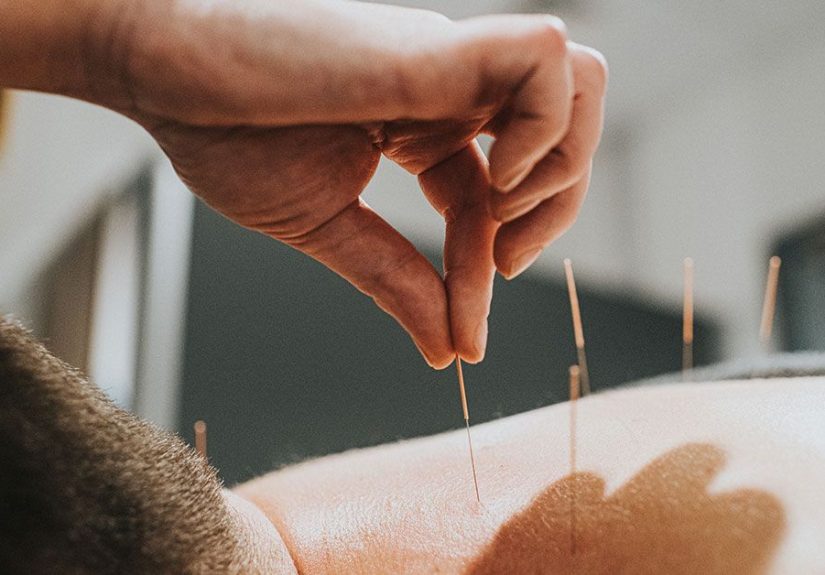
Acupuncture involves placing very thin needles at specific points on the body. In modern American health care, it is often used as part of integrative medicine, meaning it is used alongside standard treatment rather than instead of it. That distinction matters. Complementary care is teamwork. Alternative care is where sensible plans go to get lost in the woods.
For people with diabetes, that means acupuncture should be considered an add-on tool. It may be used to help with symptoms, comfort, function, or quality of life while you continue the big pillars of diabetes care: managing blood glucose, taking prescribed medicine when needed, staying active, eating well, protecting your feet, and keeping up with routine checkups.
Can Acupuncture Actually Help Diabetes?
This is where the conversation gets interesting and a little less tidy.
The strongest reason people with diabetes explore acupuncture is not because it has been crowned king of blood sugar control. It is usually because diabetes has brought along nerve pain, tingling, numbness, burning sensations, sleep disruption, stress, or the kind of discomfort that makes even putting on socks feel like a negotiation.
Diabetic Peripheral Neuropathy: The Most Promising Use
If acupuncture has a “most likely to be useful” category in diabetes care, it is diabetic peripheral neuropathy. This is the nerve damage that often affects the feet and legs and can bring burning pain, stabbing sensations, numbness, weakness, balance problems, and reduced quality of life.
Several recent reviews suggest acupuncture may improve pain, symptom scores, and, in some studies, measures of nerve function in people with diabetic peripheral neuropathy. That is the encouraging part. The less glamorous but very important part is that the evidence is still messy. Studies vary widely in quality, technique, number of sessions, comparison groups, and outcome measures. Some reviews look promising, while American primary care guidance still says more study is needed before acupuncture can be treated like a standard neuropathy recommendation.
So the honest takeaway is this: acupuncture may help some people with diabetic neuropathy, but it is not a guaranteed fix, and the science is not settled enough to oversell it.
Can It Lower Blood Sugar?
Possibly a little, maybe in some people, but this is not where you want to hang your entire pancreas-shaped hat.
A few systematic reviews have reported improvements in measures such as fasting glucose or HbA1c when acupuncture is added to usual care for type 2 diabetes. That sounds exciting, and it is worth studying further. But mainstream diabetes care in the United States still centers blood sugar management around nutrition, physical activity, weight management when appropriate, routine monitoring, and medication or insulin when needed. Acupuncture has not replaced any of those. Not even close.
A smart way to think about it is this: if acupuncture helps you feel better, sleep better, or move more comfortably, it may indirectly support better diabetes management. That is useful. But it is still support, not the foundation.
Potential Benefits of Acupuncture for People With Diabetes
Pain relief is the headliner, but it is not the whole show.
For someone with painful neuropathy, even modest symptom relief can matter. Less burning or stabbing pain can make walking easier, improve sleep, reduce irritability, and lower the constant mental burden of “my feet are mad at me again.” Some patients also say they feel more relaxed after treatment, which can make living with a chronic condition feel less like a 24/7 group project.
Potential benefits may include:
- Reduced neuropathic pain or discomfort
- Better tolerance for walking, stretching, or exercise
- Improved sleep when pain is less disruptive
- A stronger sense of well-being or relaxation
- A non-drug option that may fit into a broader pain-management plan
None of these benefits should be framed as universal or dramatic. The best-case scenario is usually not a movie montage where a person leaps off the treatment table and jogs into the sunset. It is more often a quieter improvement: pain shifts from unbearable to manageable, sleep becomes less fragmented, and daily life gets a little less bossy.
Safety: Usually Low-Risk, but Not “Whatever, Just Wing It”
Acupuncture is generally considered low-risk when it is done by a qualified practitioner using sterile, single-use needles. Common side effects are usually minor: soreness, light bruising, or a tiny bit of bleeding where the needles were inserted. That is the boring, reassuring part.
The non-boring part is that improper technique or nonsterile needles can cause serious problems, including infection and injury. So yes, the person holding the needles matters a lot. This is not the moment for mystery training, vague credentials, or a treatment room that gives “pop-up wellness pirate ship” energy.
People with diabetes should be especially thoughtful because diabetes can involve neuropathy, poor circulation, slow-healing wounds, and foot complications. If you have numb feet, active ulcers, a current infection, or poor healing, get guidance from your medical team before pursuing any treatment that involves needling near affected areas. If you have diabetic neuropathy, you may not feel small injuries normally, which means caution is not optional.
When You Should Talk to Your Clinician First
Before trying acupuncture, it is smart to tell both your clinician and your acupuncturist if any of the following apply:
- You have a pacemaker and the treatment might involve electroacupuncture
- You are pregnant
- You have open sores, ulcers, or skin infections
- You have severe numbness, poor circulation, or balance issues
- You are unsure whether a symptom is “just neuropathy” or something more urgent
The pacemaker detail matters because electroacupuncture uses small electrical pulses, and that can potentially interfere with pacemaker function. That is not a fun surprise to discover halfway through an appointment.
How to Try Acupuncture Without Making Diabetes Care Weird
If you are curious about acupuncture, the best move is to make it part of a grown-up plan, not a rebellion against conventional care.
1. Talk With Your Diabetes Care Team
If you have neuropathy, foot problems, cardiovascular disease, pregnancy, implanted devices, or a long medication list, discuss acupuncture with your clinician first. This is not about asking permission to exist. It is about avoiding preventable mistakes.
2. Choose a Properly Qualified Practitioner
Check state licensure where applicable. Ask about training, experience treating people with chronic illness, hygiene practices, and whether the office uses sterile, disposable needles. A good practitioner should welcome these questions, not act offended that you care about your organs remaining unpunctured.
3. Set a Clear Goal
Are you trying to reduce foot pain? Sleep better? Walk farther? Feel less stressed? If your goal is “fix all of diabetes immediately,” disappointment is going to arrive before the tea does.
4. Track What Happens
Use a pain scale, note sleep quality, track how far you can walk, and keep up with your usual diabetes monitoring. If acupuncture helps, you should be able to describe how. “I feel vaguely more aligned” is not useless, but it is not exactly hard data either.
5. Do Not Stop Standard Treatment
This part deserves bold neon, but HTML will have to do: do not stop your prescribed diabetes treatment because acupuncture seems promising. Some people with type 2 diabetes can manage glucose with lifestyle changes alone, while others need medication or insulin. That decision belongs in standard medical care, not in a dramatic wellness plot twist.
What a Typical Acupuncture Experience May Look Like
A first visit usually includes a health history, questions about symptoms, and a treatment plan. The needles are thin, much thinner than the needles used for blood draws or insulin injections. Many people feel little to no pain when they go in. Some feel a quick pinch, heaviness, tingling, warmth, or a dull achy sensation.
During or after a session, some people feel very relaxed. Others feel sleepy. A few feel energized. And some feel exactly the same at first, which is emotionally rude but medically normal. Complementary therapies often need several sessions before a pattern becomes clear.
If you are using acupuncture for diabetic neuropathy, improvement may show up as less burning, fewer nighttime pain flares, fewer “electric zaps,” or slightly better comfort while walking. But if pain is worsening, your feet are changing color, swelling, blistering, or developing sores, do not stay calm and book another needle appointment. Get conventional medical care promptly.
The Bottom Line
Acupuncture for diabetes lives in the “promising adjunct, not proven replacement” category. That is not a dismissal. It is actually a useful lane.
For people with diabetic peripheral neuropathy, acupuncture may offer real symptom relief and help improve day-to-day function. For blood sugar control itself, the evidence is far less convincing as a primary strategy. The core of diabetes care still rests on standard medical treatment, healthy routines, regular monitoring, and prevention of complications.
The smartest approach is integrative, not oppositional. Use acupuncture, if you choose it, as part of a coordinated plan. Keep your clinician in the loop. Protect your feet like they are carrying priceless cargo, because they are. And if a therapy helps you feel and function better without pulling you away from proven care, that is not hype. That is a win.
Common Experiences People Report When Using Acupuncture for Diabetes
One of the most useful ways to understand acupuncture is not to imagine a miracle, but to picture what people commonly experience when they try it as part of real-life diabetes care.
Many people start acupuncture after they get tired of the same frustrating pattern: blood sugar may be reasonably managed, but the body still throws little protests. Feet burn at night. Toes tingle. Sleep gets broken into tiny pieces. Walking is possible, but not exactly enjoyable. By the time someone looks into acupuncture, they are often not searching for magic. They are searching for margin: less pain, better sleep, easier mornings, more patience, fewer bad nights.
The first experience is usually not dramatic. Most people are surprised by how small the needles are. That matters because many adults with diabetes already have enough needle drama in their lives. The session itself often feels quieter than expected. Some people feel warmth, heaviness, tingling, or a brief ache around a needle site. Others mostly feel the strange novelty of lying still while someone tries to help their nervous system behave like a civilized roommate.
After a session, people commonly describe one of three things. First, they feel deeply relaxed, almost as if their body has finally unclenched after holding tension for months. Second, they feel sleepy and want a nap. Third, they feel basically the same and wonder whether they have been professionally marinated for no reason. All three reactions can happen, and none automatically predict long-term success or failure.
Over several visits, the most meaningful changes tend to be practical. A person may notice that nighttime foot pain drops from “keeps me awake” to “annoying but tolerable.” Someone else may realize they can walk the grocery store without needing to sit down halfway through aisle seven. Another person may still have numbness but less stabbing pain. These are not flashy before-and-after moments, yet they can matter a lot in daily life.
There are also people who try acupuncture and decide it is not for them. Maybe the results are too subtle. Maybe scheduling is difficult. Maybe cost becomes the dealbreaker. Maybe the relief lasts only a short time. That does not mean the treatment is worthless; it means the fit is imperfect. Chronic disease management is full of these realities. Helpful is not always life-changing, and “not life-changing” is not the same as useless.
Emotionally, some people like acupuncture because it feels participatory. Diabetes care can sometimes feel like a parade of instructions: count this, track that, do not forget the other thing. Acupuncture can feel different, less like being scolded by your lab results and more like carving out time to manage symptoms in a hands-on way. That sense of agency has value, even when the treatment itself is only moderately helpful.
The healthiest expectation is balanced: acupuncture may improve comfort and quality of life for some people with diabetes, especially those with neuropathy-related pain, but it probably will not erase nerve damage or replace standard treatment. Think of it as a possible helper, not a cure wearing fancy shoes. That mindset usually leads to better decisions, fewer disappointments, and a much lower chance of expecting your next appointment to perform interpretive medicine.