Table of Contents >> Show >> Hide
- Why the Right Indoor Seed-Starting Spot Matters
- The 5 Best Spots in Your Home for Successful Seedling Starts
- 1. A South-Facing Window with Supplemental Grow Lights
- How to Make This Spot Work Better
- Best For
- 2. A Dedicated Shelf or Rack with Grow Lights
- How to Make This Spot Work Better
- Best For
- 3. The Top of a Refrigerator or Warm Cabinet for Germination
- How to Make This Spot Work Better
- Best For
- 4. A Bright Kitchen Counter Near an Outlet
- How to Make This Spot Work Better
- Best For
- 5. A Spare Room, Laundry Room, or Basement Corner with Controlled Lights
- How to Make This Spot Work Better
- Best For
- Spots to Avoid When Starting Seedlings Indoors
- What Every Good Seed-Starting Spot Needs
- Matching Seedlings to the Right Indoor Location
- Common Seed-Starting Problems and Quick Fixes
- Extra Experience: Lessons from Real-Life Seed Starting at Home
- Conclusion: The Best Seedling Spot Is the One You Can Control
- SEO Tags
Starting seedlings indoors sounds delightfully simple: put seeds in soil, add water, whisper encouraging words, and wait for tiny green miracles. Then reality arrives wearing muddy boots. Some seedlings stretch toward the ceiling like they are auditioning for a beanstalk role. Others flop over, sulk, dry out, mold, or simply vanish into the soil like they had better plans.
The truth is that successful seed starting is less about having a fancy greenhouse and more about choosing the right spot in your home. Seeds need warmth to germinate, seedlings need strong light after they sprout, and young plants need steady moisture, air movement, and protection from chaos. Chaos includes cold drafts, curious cats, enthusiastic children, and that one windowsill where plants go to become crispy decorative twigs.
This guide breaks down the five best places in your home for starting seedlings successfully. Whether you are growing tomatoes, peppers, herbs, flowers, lettuce, or a small jungle of “just one more seed packet,” these indoor seed-starting spots can help you raise sturdy, healthy transplants instead of pale, floppy little noodles.
Why the Right Indoor Seed-Starting Spot Matters
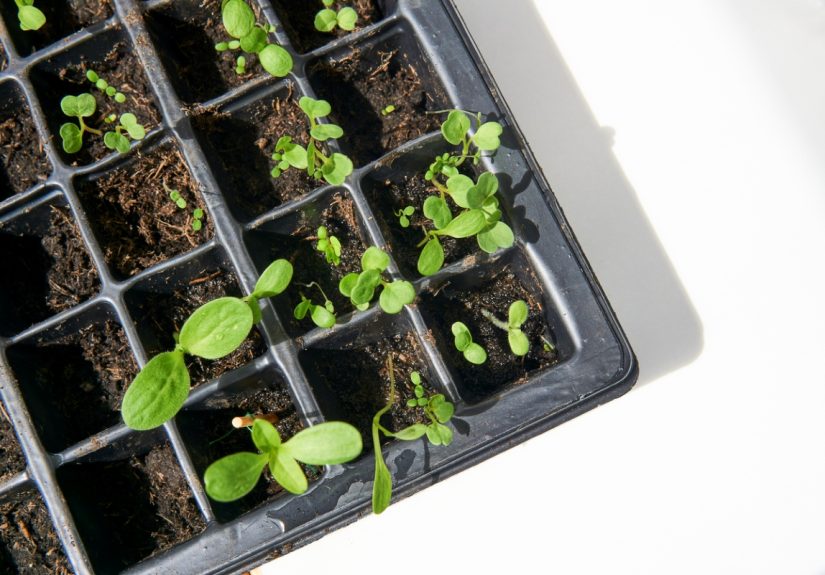
Before choosing a location, it helps to understand what seedlings actually want. They are not demanding divas, but they do have standards. During germination, many seeds prefer warm, evenly moist conditions. After germination, seedlings need bright light quickly so they can grow short, strong stems and healthy leaves. They also need good drainage, gentle airflow, and temperatures that are warm enough for growth but not so hot that they become weak and leggy.
One of the most common seed-starting mistakes is relying on a sunny window alone. A bright window can work for some short-term starts, especially in spring, but many indoor windows do not provide enough consistent light for strong growth. Seedlings that reach for weak light often become long, thin, and fragile. In gardener language, this is called “leggy.” In everyday language, it is called “uh-oh.”
The best indoor seed-starting locations usually combine three things: reliable light, stable temperature, and easy access for watering and checking trays. If you forget your seedlings exist for four days, they will not send a calendar reminder. They will simply wilt dramatically.
The 5 Best Spots in Your Home for Successful Seedling Starts
1. A South-Facing Window with Supplemental Grow Lights
A south-facing window is often the brightest natural-light location in a home, making it a popular choice for starting seedlings. If you have a wide, sunny windowsill, a nearby table, or a plant shelf close to a south-facing window, you already have a promising seed-starting zone.
However, even a sunny window may not be enough by itself, especially in late winter or early spring when days are shorter. Seedlings need long, bright exposure after they emerge. For many vegetable and herb seedlings, 12 to 16 hours of light per day is a good target. That is why the winning setup is usually a bright window plus a simple grow light.
Place seed trays near the window, then hang or position lights above the seedlings. Keep the light close to the tops of the plants, adjusting it upward as they grow. The goal is to give seedlings strong, direct light without making them stretch. A basic LED shop light or full-spectrum grow light can work well for many home gardeners.
This spot is excellent for tomatoes, basil, zinnias, marigolds, and many other warm-season plants once they have sprouted. It is also convenient because you can admire your seedlings while drinking coffee, which is an important part of the scientific process.
How to Make This Spot Work Better
- Use a timer so lights turn on and off automatically.
- Rotate trays every few days if seedlings lean toward the window.
- Keep seedlings away from cold glass at night.
- Check moisture often because sunny windows can dry trays quickly.
Best For
This location is best for gardeners who have good natural light but want stronger, more reliable seedling growth. It is especially helpful for tomatoes, peppers, herbs, flowers, and seedlings that will spend several weeks indoors before transplanting.
2. A Dedicated Shelf or Rack with Grow Lights
If you want the most dependable indoor seed-starting setup, a shelf with grow lights is hard to beat. It does not need to be expensive or glamorous. A simple wire shelving unit, a few trays, adjustable lights, and a timer can turn a corner of your home into a mini plant nursery.
The biggest advantage of a grow-light shelf is control. You are not depending on cloudy weather, short days, or a window that gets blocked by the neighbor’s very ambitious tree. You can give seedlings consistent light every day and keep the lights close enough to prevent stretching.
A dedicated shelf also saves space. Instead of scattering seed trays across counters, windowsills, and random surfaces like a botanical obstacle course, you can stack multiple trays vertically. This is especially useful if you are starting several varieties or succession planting greens and herbs.
Position the shelf in a room with moderate temperature, easy access to water, and enough space to move trays in and out. Avoid putting it right next to a heating vent, exterior door, or drafty window. Seedlings like consistency. They do not enjoy being blasted with hot air at 9 a.m. and chilled like salad greens by 9 p.m.
How to Make This Spot Work Better
- Choose adjustable lights so you can raise them as seedlings grow.
- Use waterproof trays under seed cells to catch drainage.
- Add a small fan nearby for gentle air movement after germination.
- Group seedlings by height so shorter plants do not get shaded.
Best For
This is the best all-around seed-starting spot for serious beginners, vegetable gardeners, flower growers, and anyone who has ever said, “I’m only starting six varieties,” and then somehow planted 42.
3. The Top of a Refrigerator or Warm Cabinet for Germination
Here is a seed-starting secret that feels almost too easy: many seeds appreciate warmth before they sprout. The top of a refrigerator, a warm cabinet, or another gently warm location can be useful during germination. This does not mean seedlings should live there forever. It means the spot can help seeds wake up faster.
Warm-season crops such as tomatoes, peppers, eggplants, and some herbs often germinate better in warm soil. A seed-starting heat mat is the most controlled option, but some home gardeners use naturally warm household spots for the first stage. The key word is “warm,” not “roasting.” Seeds are living things, not leftover pizza.
Place covered seed trays in the warm location and check them daily. The moment seeds sprout, move them to bright light. This step is critical. If seedlings emerge in a dim, warm place and stay there, they can stretch quickly and become weak. Think of the warm spot as a cozy alarm clock, not a permanent apartment.
This location is especially useful if your home runs cool in late winter. Many seeds germinate slowly in chilly rooms, and slow germination can increase the risk of uneven sprouting or overly wet growing mix.
How to Make This Spot Work Better
- Use a clear humidity dome or plastic cover only until seeds sprout.
- Label every tray because mystery seedlings are fun only in theory.
- Check daily for germination and moisture.
- Move sprouted trays immediately under lights.
Best For
This spot is best for germinating warm-season vegetables, herbs, and flowers. It is not ideal for growing seedlings after they emerge unless strong light is available in the same location.
4. A Bright Kitchen Counter Near an Outlet
The kitchen can be a surprisingly practical place to start seedlings, especially for small batches. A bright counter near an electrical outlet gives you room for a tray, easy access to water, and a convenient place to plug in a grow light or heat mat. It is also harder to forget seedlings when they are sitting near the coffee maker like tiny green supervisors.
This location works best when the counter is not too close to the stove, dishwasher, or sink splash zone. Seedlings need moisture, but they do not need steam facials, grease mist, or surprise dishwater. Choose a stable corner where trays will not be bumped every time someone makes toast.
A kitchen counter is ideal for herbs, microgreens, lettuce starts, and a modest number of vegetable seedlings. Basil, parsley, cilantro, chives, and salad greens can be especially satisfying because they connect visually with cooking. There is something charming about growing future pesto two feet from your cutting board.
For best results, use a compact grow light. Even if the kitchen has a window, overhead household lighting is usually not strong enough for seedlings. A slim LED grow light on a timer can make this setup easy and tidy.
How to Make This Spot Work Better
- Place trays on a waterproof mat or boot tray.
- Use bottom watering to reduce mess and fungus issues.
- Keep seed packets, labels, and a spray bottle nearby.
- Avoid placing trays near fruit bowls, where ripening fruit may release ethylene gas.
Best For
This spot is best for small-space gardeners, apartment dwellers, herb lovers, and anyone starting a manageable number of seedlings. It is not ideal for large trays unless your kitchen counter is already suspiciously free of clutter, in which case congratulations.
5. A Spare Room, Laundry Room, or Basement Corner with Controlled Lights
A spare room, laundry room, or basement corner can become an excellent seed-starting area when paired with grow lights. These spaces are often out of the way, which helps protect seedlings from pets, spills, and daily household commotion. They also allow you to create a controlled environment without turning your living room into a plant laboratory, unless that is your dream aesthetic.
The main challenge is light. Basements and laundry rooms often lack natural sunlight, but that is not a deal-breaker. In fact, artificial lighting can be more consistent than a window. The second challenge is temperature. Some basements are cool, which may slow germination. A heat mat can help seeds sprout, and once seedlings are growing, slightly cooler temperatures can encourage sturdier growth as long as the plants are not chilled.
Good airflow matters in enclosed spaces. Seedlings grown in still, damp air are more prone to fungal problems. A small fan set on low, not aimed like a wind tunnel, can strengthen stems and improve air movement. The goal is a gentle breeze, not a seedling hurricane.
This spot works beautifully for gardeners who start many trays at once. You can set up shelves, lights, timers, trays, labels, and supplies in one organized zone. It may not look glamorous, but neither does a compost pile, and compost is basically garden gold.
How to Make This Spot Work Better
- Use lights on a timer for 12 to 16 hours of daily light.
- Keep seed-starting supplies in bins or on shelves.
- Monitor temperature with a simple thermometer.
- Use a fan for gentle airflow after seedlings emerge.
Best For
This location is best for larger seed-starting projects, gardeners with limited sunny windows, and households that need seedlings kept away from pets or high-traffic areas.
Spots to Avoid When Starting Seedlings Indoors
Some locations seem convenient but can cause more problems than they solve. A drafty windowsill may chill seedlings at night. A hot radiator can dry out seed trays quickly or overheat tender roots. A dark corner may look tidy, but seedlings will stretch desperately toward light. A bathroom may be humid, but unless it has strong light and good airflow, it is usually better for towels than tomatoes.
Also avoid placing seedlings where you cannot check them easily. The best seed-starting setup is one you will actually maintain. If trays are hidden in a closet, behind storage boxes, or in the room where you keep things you are “definitely going to organize soon,” they may not get the daily attention they need.
What Every Good Seed-Starting Spot Needs
Strong Light
Seedlings need strong light soon after they sprout. Without it, they grow tall and weak. If natural light is limited, use grow lights. Keep lights close enough to provide intensity but not so close that they heat or damage leaves. A timer makes the routine easier and more consistent.
Stable Warmth
Warmth helps many seeds germinate, but seedlings often grow best slightly cooler after sprouting. If your home is cool, use a heat mat for germination. After seedlings emerge, move trays to bright light and avoid excessive heat, especially at night.
Even Moisture
Seed-starting mix should stay evenly moist, not soggy. Too much water can encourage damping off, a fungal problem that causes young seedlings to collapse. Too little water, of course, turns your hopeful garden into a tray of disappointment. Bottom watering is a useful method because it lets the mix absorb moisture without drenching delicate stems.
Good Airflow
Air movement helps reduce disease and can encourage stronger stems. A small fan on low for part of the day can be helpful after germination. Do not blast seedlings directly. They need a breeze, not a weather event.
Convenience
The best spot is one you can check every day. Seedlings change quickly. One day there is nothing; the next day, tiny sprouts appear; two days later, they are leaning toward the nearest lamp like they have discovered ambition. Keep them somewhere accessible.
Matching Seedlings to the Right Indoor Location
Not all seedlings have the same needs. Tomatoes and peppers often appreciate warm germination conditions, then bright light. Lettuce and many greens may prefer cooler growing temperatures and can become stressed in overly warm rooms. Herbs vary: basil likes warmth, while parsley can be slower and more patient than anyone waiting at the DMV.
Flowers also differ. Some annuals germinate quickly and grow easily under lights, while others need specific sowing depths, light exposure, or pre-treatment. Always read the seed packet. It usually tells you when to start seeds indoors, how deeply to sow them, and whether the seeds need light or darkness to germinate. Seed packets are tiny instruction manuals, not decorative confetti.
Common Seed-Starting Problems and Quick Fixes
Leggy Seedlings
If seedlings are tall, pale, and bending, they probably need more light. Move lights closer, increase light duration, or use a stronger fixture. You can also rotate trays if seedlings are leaning toward a window.
Mold on the Soil Surface
Mold often appears when the growing mix stays too wet and airflow is poor. Remove humidity domes after germination, water less often, and add gentle air movement.
Poor Germination
Old seeds, cold soil, planting too deeply, or uneven moisture can all reduce germination. Check seed packet instructions and consider using a heat mat for warm-season crops.
Seedlings Falling Over
Seedlings that suddenly collapse may be affected by damping off. Use clean containers, sterile seed-starting mix, good drainage, and careful watering. Avoid reusing dirty trays unless they have been cleaned properly.
Extra Experience: Lessons from Real-Life Seed Starting at Home
After a few seasons of starting seedlings indoors, most gardeners learn that seeds are both forgiving and brutally honest. They will tolerate a lot, but they will also tell you when your setup is not working. Unfortunately, they tell you in plant language, which usually means leaning, yellowing, wilting, stretching, or collapsing dramatically like actors in a tiny garden opera.
One of the most useful experiences is learning that windowsills are not automatically magical. A sunny window may feel bright to human eyes, but seedlings often need more direct, consistent light than the window provides. The first time you grow tomatoes under a proper light setup, the difference can be shocking. Instead of long, fragile stems, you get compact plants with thicker growth and deeper green leaves. It feels like upgrading from a flashlight to stadium lighting.
Another practical lesson is that convenience matters more than perfection. The best seed-starting location is not always the brightest, warmest, or most scientifically impressive place in the house. It is the place you will check every morning. Seedlings need small daily decisions: Is the mix dry? Are the lights close enough? Did the peppers finally sprout? Is the cat treating the tray like a salad bar? When seedlings are easy to see and reach, you catch problems early.
Labeling is also not optional, no matter how confident you feel. At planting time, every tray seems obvious. Two weeks later, all baby plants look suspiciously similar. Without labels, you may find yourself playing “Is this basil or a weed?” with the seriousness of a courtroom investigation. Use waterproof labels and a permanent marker. Label the variety and date planted. Future you will be grateful and slightly less confused.
Watering is another area where experience teaches restraint. New gardeners often love their seedlings too much with the watering can. Seed-starting mix should be moist, but not swampy. If trays stay wet all the time, roots struggle and fungal problems can appear. Bottom watering is a great habit: pour water into the tray, let the cells absorb what they need, and dump excess water after a short time. This keeps the surface drier and encourages roots to grow downward.
Airflow can feel like a small detail until you see the difference. A gentle fan can help seedlings grow sturdier and reduce damp, stagnant conditions. It also mimics the outdoor environment in a mild way. Do not aim a fan directly at new sprouts on high speed unless your goal is to recreate a prairie windstorm. Gentle movement is enough.
Finally, hardening off is where many beautiful indoor seedlings meet their biggest challenge. Indoor plants are protected from direct sun, wind, and temperature swings. If you move them straight from a cozy shelf to the garden, they can scorch or wilt. Give seedlings one to two weeks of gradual outdoor exposure before transplanting. Start in shade or filtered light, then slowly increase sun and time outside. Think of it as plant kindergarten: a gentle transition before the big world.
Seed starting becomes easier each year because you build a feel for your home’s microclimates. Maybe the kitchen counter is perfect for herbs. Maybe the basement shelf grows excellent tomatoes. Maybe the south window is great in March but too hot by May. Pay attention, adjust, and keep notes. Gardening rewards observation more than perfection.
Conclusion: The Best Seedling Spot Is the One You Can Control
Starting seedlings indoors is one of the most satisfying ways to begin a garden season. You get more variety, stronger timing, and the joy of watching life emerge from what looks like a speck of garden dust. But success depends heavily on location.
The five best indoor seed-starting spots are a south-facing window with supplemental lights, a dedicated grow-light shelf, a warm germination spot like the top of a refrigerator, a bright kitchen counter near an outlet, and a controlled spare room, laundry room, or basement corner. Each can work beautifully when matched with the right light, warmth, moisture, and airflow.
Start small, observe closely, and adjust as you go. Your first seed tray does not need to be perfect. It just needs a good spot, steady care, and maybe a little patience when the peppers take their sweet time. Give seedlings what they need early, and they will reward you later with stronger transplants, healthier gardens, and the deeply satisfying feeling that yes, you are now the kind of person who raises plants from seed.