Table of Contents >> Show >> Hide
- Introduction: When the Bottle Is Empty but Dinner Is Not Canceled
- What Makes Red Wine Vinegar Special?
- The 8 Best Red Wine Vinegar Substitutes
- Quick Comparison Table
- How to Choose the Right Substitute
- Common Mistakes to Avoid
- Kitchen Experiences: What Actually Works in Real Life
- Conclusion: The Best Substitute Depends on the Dish
Note: This article is written in original American English for web publishing and synthesizes practical cooking guidance from reputable food and nutrition sources, including Healthline, Food Network, Serious Eats, Martha Stewart, Food52, Taste of Home, Allrecipes, Epicurious, EatingWell, Bon Appétit, Southern Living, Better Homes & Gardens, and Food & Wine.
Introduction: When the Bottle Is Empty but Dinner Is Not Canceled
You are halfway through making a zippy vinaigrette, a marinade for steak, or a pan sauce that smells like it deserves applause. Then you reach for the red wine vinegar and discover one tragic tablespoon left in the bottle. Classic kitchen drama. Fortunately, red wine vinegar is not a one-ingredient kingdom with no heirs. Several pantry staples can step in and save the recipe without making dinner taste like Plan B.
Red wine vinegar is loved because it brings sharp acidity, fruity depth, and a wine-like tang that wakes up salads, roasted vegetables, beans, braised meats, pickled onions, and sauces. The best red wine vinegar substitute depends on what you are cooking. A salad dressing needs brightness and balance. A marinade needs acidity. A stew may need depth. A quick pickle needs punch. Choosing the right replacement is less about panic and more about matching flavor, color, sweetness, and intensity.
Below are the eight best red wine vinegar substitutes, with simple ratios, best uses, and practical tips so your recipe lands on its feet. No culinary emergency siren required.
What Makes Red Wine Vinegar Special?
Red wine vinegar is made by fermenting red wine into vinegar. That process gives it a bold, tangy flavor with subtle fruitiness and a savory edge. Compared with white wine vinegar, it is usually more robust. Compared with balsamic vinegar, it is less sweet and less syrupy. Compared with distilled white vinegar, it has much more personality and far fewer “I clean windows on weekends” vibes.
In recipes, red wine vinegar usually does three important jobs. First, it adds acidity, which balances fat, salt, and sweetness. Second, it adds flavor complexity, especially in Mediterranean-style dishes, vinaigrettes, marinades, and tomato-based sauces. Third, it can help tenderize proteins in marinades, although it should be used carefully because too much acid can make meat mushy rather than tender.
When choosing a substitute, ask yourself: does the recipe need sharpness, fruitiness, color, sweetness, or all of the above? Once you know the job, picking a replacement becomes much easier.
The 8 Best Red Wine Vinegar Substitutes
1. White Wine Vinegar
Best ratio: Use 1 tablespoon white wine vinegar for every 1 tablespoon red wine vinegar.
White wine vinegar is one of the easiest and most reliable substitutes for red wine vinegar. It has a similar acidity level and a clean, wine-based tang, but its flavor is lighter and less fruity. If red wine vinegar is the friend who tells a loud story at dinner, white wine vinegar is the one who tells it politely but still gets the punchline right.
This substitute works beautifully in salad dressings, marinades, sauces, roasted vegetables, and recipes where color does not matter. Because it is pale, it will not darken a dressing or sauce the way red wine vinegar might. That makes it especially useful in light vinaigrettes, chicken marinades, seafood dishes, and cucumber salads.
If your recipe depends on the deeper fruitiness of red wine vinegar, add a tiny splash of red wine, grape juice, or even a pinch of sugar to round it out. For most everyday cooking, though, a straight 1:1 swap works perfectly.
2. Apple Cider Vinegar
Best ratio: Use 1 tablespoon apple cider vinegar for every 1 tablespoon red wine vinegar. For a softer flavor, use 3 parts apple cider vinegar plus 1 part red wine or grape juice.
Apple cider vinegar is a pantry hero because it is fruity, tangy, affordable, and easy to find. It does not taste like red wine vinegar, but it brings enough acidity and fruitiness to work in many of the same places. The apple note is mild, but it can peek through, especially in delicate recipes.
Use apple cider vinegar in vinaigrettes, slaws, barbecue sauces, pork marinades, bean salads, chutneys, and braised cabbage. It pairs especially well with mustard, honey, maple syrup, garlic, onions, apples, cabbage, pork, chicken, and roasted root vegetables.
Because apple cider vinegar can be a little sharper and fruitier than red wine vinegar, taste as you go. If your dish starts leaning too tart, balance it with a small amount of olive oil, honey, sugar, or broth. In salad dressing, Dijon mustard is also helpful because it binds the dressing and softens the acidic edges.
3. Sherry Vinegar
Best ratio: Use 1 tablespoon sherry vinegar for every 1 tablespoon red wine vinegar. Add a little more if the dish needs extra brightness.
Sherry vinegar is one of the most elegant red wine vinegar substitutes. Made from sherry wine, it has a nutty, slightly sweet, complex flavor that can make a simple dish taste like it went to culinary school. It is usually milder than red wine vinegar, but it has depth for days.
This is a fantastic choice for vinaigrettes, roasted vegetables, lentils, mushrooms, soups, stews, pan sauces, grilled meats, and Spanish-inspired dishes. It is especially good with olive oil, smoked paprika, garlic, almonds, beans, tomatoes, and roasted peppers.
The main thing to remember is that sherry vinegar may taste slightly sweeter and rounder. If your recipe already includes honey, maple syrup, or sugar, reduce the sweetener slightly. If the dish tastes too mellow, add an extra teaspoon of sherry vinegar at the end. It is a forgiving substitute, and in some recipes, it may even be an upgrade.
4. Balsamic Vinegar
Best ratio: Use 1 tablespoon balsamic vinegar for every 1 tablespoon red wine vinegar, but reduce added sweeteners. For a sharper substitute, mix 1 part balsamic vinegar with 1 part white vinegar.
Balsamic vinegar can replace red wine vinegar when you want acidity plus sweetness and dark color. It is richer, thicker, and sweeter than red wine vinegar, so it changes the flavor more than white wine vinegar or sherry vinegar would. That is not always a problem. Sometimes it is exactly what the dish needs.
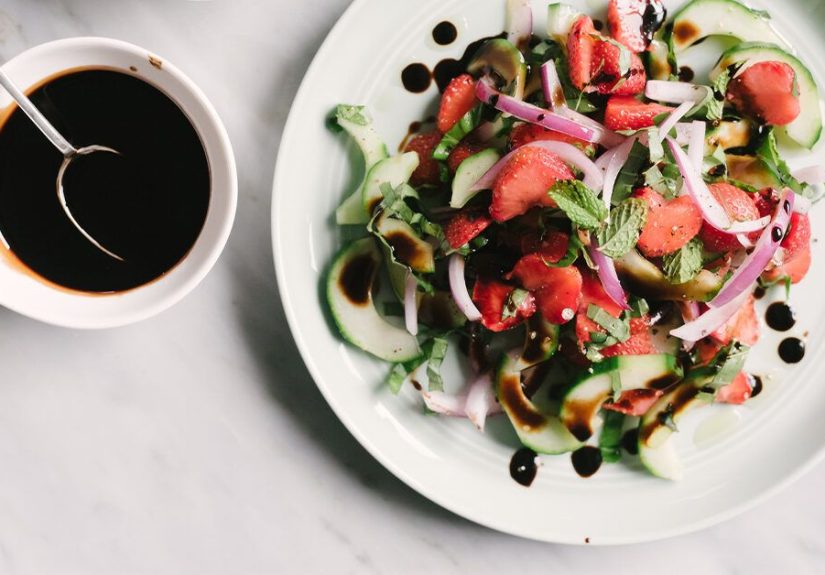
Use balsamic vinegar in tomato salads, caprese-style dishes, roasted vegetables, glazes, marinades, sauces, and recipes with beef, chicken, mushrooms, strawberries, figs, or cheese. It is less ideal for dishes where you want a clean, sharp bite, such as classic Greek salad dressing or quick pickled onions.
If balsamic tastes too sweet or heavy, cut it with a little white wine vinegar or distilled white vinegar. This gives you a better balance of sweetness, color, and acidity. Also, skip or reduce sugar in the recipe. Balsamic already brought dessert energy to the party.
5. Rice Vinegar
Best ratio: Use 1 tablespoon rice vinegar for every 1 tablespoon red wine vinegar. For more punch, add a small squeeze of lemon juice.
Rice vinegar is mild, clean, and slightly sweet. It is less assertive than red wine vinegar, which makes it a great substitute when you want acidity without overpowering the dish. It will not provide the same wine-like depth, but it can keep a recipe balanced.
Choose unseasoned rice vinegar if possible. Seasoned rice vinegar contains added sugar and salt, which can work in some dishes but may throw off others. If using seasoned rice vinegar, reduce salt and sweeteners elsewhere in the recipe.
Rice vinegar works well in slaws, cucumber salads, grain bowls, light dressings, marinades for chicken or fish, noodle salads, and Asian-inspired sauces. It is not the strongest choice for hearty beef marinades or robust tomato sauces, but it is excellent when you want a gentler acidic touch.
6. Champagne Vinegar
Best ratio: Use 1 tablespoon champagne vinegar for every 1 tablespoon red wine vinegar. Add a little extra if needed because it is mild.
Champagne vinegar is delicate, bright, and slightly floral. It is made from sparkling wine or champagne-style wine, so it has the wine vinegar character but in a softer package. Think of it as red wine vinegar’s lighter, fancier cousin who owns linen napkins.
This substitute shines in vinaigrettes, seafood dishes, chicken salad, delicate sauces, herb dressings, asparagus, green beans, and spring vegetables. It is especially useful when red wine vinegar would be too strong or too dark.
Because champagne vinegar is milder, you may need a little more to achieve the same tang. Start with a 1:1 ratio, taste, and add an extra teaspoon if the recipe feels flat. It is not the best choice for bold dishes that need a deep red-wine bite, but for fresh salads and lighter cooking, it is excellent.
7. Lemon or Lime Juice
Best ratio: Use 1 tablespoon lemon or lime juice for every 1 tablespoon red wine vinegar, then adjust to taste.
Fresh citrus juice is not vinegar, but it can replace the acidity in many recipes. Lemon juice brings bright, clean tartness. Lime juice adds a sharper, more aromatic flavor. Neither has the fermented complexity of red wine vinegar, but both can rescue dressings, marinades, sauces, and vegetables when the vinegar bottle is empty.
Use lemon juice in Mediterranean salads, chicken marinades, fish dishes, roasted vegetables, hummus-style sauces, and herb dressings. Use lime juice in tacos, slaws, grilled corn, bean salads, avocado dishes, and marinades with cilantro, chili, or cumin.
Citrus is more fragrant than red wine vinegar, so make sure the flavor fits the recipe. Lemon in a Dijon vinaigrette? Lovely. Lime in a classic Italian tomato sauce? Maybe not unless you enjoy confusing your pasta. For best results, use fresh juice instead of bottled juice, which can taste dull or bitter.
8. Red Wine Plus White Vinegar
Best ratio: Mix 1 tablespoon red wine with 3 tablespoons white vinegar. Use the mixture 1:1 in place of red wine vinegar.
If you want the closest homemade substitute, combine red wine with white vinegar. The white vinegar provides acidity, while the red wine adds color, fruitiness, and wine-like depth. This blend is especially helpful in recipes where the red wine flavor matters, such as vinaigrettes, marinades, sautéed mushrooms, caramelized onions, braised meats, and pan sauces.
The basic ratio is one part red wine to three parts white vinegar. If you have time, let the mixture sit for a few hours so the flavors can mingle. If dinner is already glaring at you from the stove, just mix and use it immediately. Your sauce will not file a complaint.
Use drinking wine if possible rather than salty cooking wine. A dry red wine such as Merlot, Cabernet Sauvignon, Pinot Noir, or red blend can all work. If the substitute tastes too harsh, add a pinch of sugar or a splash more wine. If it tastes too wine-heavy, add more vinegar.
Quick Comparison Table
| Substitute | Best Ratio | Flavor Profile | Best Uses |
|---|---|---|---|
| White wine vinegar | 1:1 | Clean, tangy, mild wine flavor | Dressings, marinades, sauces |
| Apple cider vinegar | 1:1 | Fruity, sharp, slightly sweet | Slaws, pork, barbecue sauce |
| Sherry vinegar | 1:1 | Nutty, mellow, complex | Roasted vegetables, stews, vinaigrettes |
| Balsamic vinegar | 1:1 | Sweet, dark, rich | Glazes, tomato salads, marinades |
| Rice vinegar | 1:1 | Mild, lightly sweet, clean | Slaws, noodle salads, light dressings |
| Champagne vinegar | 1:1 | Delicate, bright, floral | Seafood, greens, herb dressings |
| Lemon or lime juice | 1:1 | Fresh, citrusy, tart | Marinades, salads, fish, tacos |
| Red wine plus white vinegar | 1 part wine + 3 parts vinegar | Sharp, fruity, close to red wine vinegar | Vinaigrettes, sauces, mushrooms, onions |
How to Choose the Right Substitute
For Salad Dressings
White wine vinegar, sherry vinegar, champagne vinegar, and apple cider vinegar are the top choices for salad dressing. Use a 1:1 ratio and taste before serving. If the dressing feels too sharp, add more olive oil or a small amount of honey. If it tastes flat, add salt, mustard, garlic, or another splash of acid.
For Marinades
Apple cider vinegar, white wine vinegar, sherry vinegar, and the red wine plus white vinegar blend work well in marinades. Avoid over-marinating delicate proteins. Fish may need only 15 to 30 minutes, chicken usually needs 30 minutes to a few hours, and beef can handle longer depending on the cut.
For Pickling
For quick pickles, use a vinegar with enough sharpness, such as white wine vinegar, apple cider vinegar, or white vinegar mixed with red wine. Rice vinegar can work for a milder pickle. Balsamic vinegar is usually too sweet and dark unless you specifically want that flavor.
For Soups, Stews, and Sauces
Sherry vinegar is excellent for finishing soups and stews because it adds depth without screaming for attention. Apple cider vinegar is good in bean soups and braised greens. White wine vinegar works when you need clean acidity. Add vinegar near the end of cooking so its brightness does not disappear.
Common Mistakes to Avoid
Using Too Much Distilled White Vinegar
Distilled white vinegar is very sharp and neutral. It can work in the red wine plus white vinegar blend, but on its own it may taste harsh in dressings and sauces. If it is your only option, use slightly less than the recipe calls for and balance it with a little wine, sugar, broth, or olive oil.
Ignoring Sweetness
Balsamic vinegar, seasoned rice vinegar, and some apple cider vinegars can bring more sweetness than red wine vinegar. Reduce honey, maple syrup, sugar, or sweet fruit in the recipe if needed.
Forgetting About Color
Red wine vinegar adds a reddish tint. Balsamic makes dishes darker. White wine vinegar, champagne vinegar, and rice vinegar keep things pale. In most recipes, this is minor. In clear sauces, light dressings, or pale pickles, it matters more.
Skipping the Taste Test
Substitution is not a math exam. Ratios help, but your tongue gets the final vote. Add the substitute gradually when possible, stir, taste, and adjust. A pinch of salt can sharpen flavor. A little fat can mellow acid. A touch of sweetness can smooth rough edges.
Kitchen Experiences: What Actually Works in Real Life
In everyday cooking, the best red wine vinegar substitute is often the one that matches the mood of the dish rather than the one that looks perfect on paper. I have used white wine vinegar in a Greek-style salad dressing when the red wine vinegar bottle was basically decorative, and the result was fresh, clean, and completely dinner-worthy. The dressing missed a little of that deep red-wine tang, but with oregano, garlic, olive oil, and a pinch of salt, nobody at the table held a vinegar investigation.
Apple cider vinegar is the substitute I reach for when the dish already has a rustic or cozy personality. It works especially well in cabbage slaw, pulled pork sandwiches, bean salads, and marinades with mustard. The apple note gives food a friendly brightness. It is not identical to red wine vinegar, but it belongs in the same pantry conversation. For a quick barbecue-style dressing, apple cider vinegar with Dijon, brown sugar, black pepper, and olive oil can do serious work.
Sherry vinegar is the substitute that feels like a secret upgrade. A spoonful in lentil soup, sautéed mushrooms, or roasted carrots can make the dish taste deeper and more polished. If red wine vinegar is bold and punchy, sherry vinegar is smooth and clever. It is especially useful when you want acidity without making the recipe taste aggressively sour. I like it in warm salads with roasted onions, chickpeas, parsley, and olive oil.
Balsamic vinegar requires more caution. It is delicious, but it has main-character energy. Add it to a tomato salad, and it is wonderful. Add it to a delicate herb vinaigrette, and suddenly the whole bowl tastes like balsamic. When using balsamic as a red wine vinegar replacement, I often cut it with a lighter vinegar or use less sweetener in the recipe. It works best when the dish can handle richness: grilled vegetables, beef marinades, strawberries, mozzarella, or roasted Brussels sprouts.
Rice vinegar and champagne vinegar are the gentle options. They are ideal when you want brightness without a big flavor shift. Rice vinegar is great for cucumber salads, noodle bowls, and quick slaws. Champagne vinegar is lovely with tender greens, seafood, and herbs. Both are mild, so they may need a little extra salt, mustard, citrus, or garlic to bring the same energy red wine vinegar would have delivered.
Lemon and lime juice are the emergency substitutes that often taste intentional. Lemon juice in a vinaigrette with olive oil, Dijon, and garlic can be so good that you may forget vinegar was ever part of the plan. Lime juice works beautifully in taco slaw, black bean salad, and grilled chicken marinades. The trick is to respect the citrus flavor. It is bright and fresh, but it is not neutral.
The closest copycat is red wine mixed with white vinegar. This is the best option when you want both acidity and red-wine character. It is especially useful for pan sauces, caramelized onions, sautéed mushrooms, and marinades. Letting the mixture sit helps, but even a quick stir works in a pinch. In practical home cooking, that is the real lesson: substitutions do not have to be perfect. They just have to understand the assignment.
Conclusion: The Best Substitute Depends on the Dish
The best red wine vinegar substitute is not always the same bottle. For the closest everyday match, use white wine vinegar or a mix of red wine and white vinegar. For more complexity, choose sherry vinegar. For fruity brightness, apple cider vinegar is excellent. For sweet richness, balsamic vinegar works beautifully. For lighter recipes, rice vinegar, champagne vinegar, lemon juice, or lime juice can save the day.
Red wine vinegar may be bold, tangy, and useful, but it is not irreplaceable. With the right substitute and a quick taste test, your dressing, marinade, sauce, or salad can still turn out bright, balanced, and delicious. The empty bottle is not a crisis. It is just your pantry asking for a little creativity.