Table of Contents >> Show >> Hide
- Why This Dish Works So Well
- What “Shingled” Actually Means
- The Flavor Blueprint
- How to Build the Dish Without Losing Your Mind
- Common Mistakes That Can Wreck a Gorgeous Pan
- Serving Ideas and Pairings
- Make-Ahead Tips for Real Life
- Why This Version Feels Fresh
- Experiences and Little Moments Around Shingled Sweet Potatoes With Orange-Glazed Pecans
- Final Thoughts
If holiday side dishes had a beauty pageant, shingled sweet potatoes would absolutely arrive wearing a sash. They are glossy, dramatic, a little fancy, and somehow still comforting enough to make everyone at the table say, “Oh wow, who made this?” before they even sit down. Add orange-glazed pecans to the mix, and now you have a dish that tastes like sweet potato casserole grew up, got a better haircut, and learned how to host a dinner party.
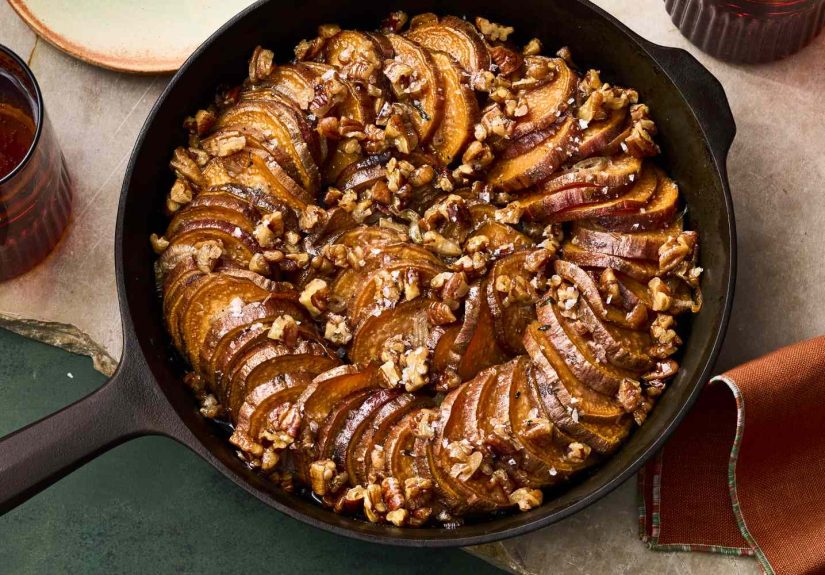
This version keeps everything people love about sweet potatoes: their velvety texture, natural sweetness, and cozy autumn energy. But instead of mashing them into a familiar cloud and covering them with marshmallows like a sugary blanket, this recipe leans into structure. Thin slices are overlapped like roof shingles, baked until tender, lightly bronzed, and just a little crisp at the edges. Then the whole thing gets crowned with pecans glazed with orange, giving you buttery crunch, bright citrus, and enough contrast to keep every bite interesting.
In other words, this is not just another sweet potato side dish. This is the sweet potato side dish that makes people suspiciously generous with compliments.
Why This Dish Works So Well
Sweet potatoes already bring a lot to the table. They are creamy, naturally sweet, and incredibly good at soaking up butter, spices, citrus, and a little salt. The problem is that they can tip too far in one direction. Too sweet, and the dish feels like dessert wearing a fake mustache. Too savory, and you lose the warmth that makes sweet potatoes such a beloved classic.
Shingled sweet potatoes solve that problem beautifully. Because the potatoes are sliced thin and layered upright or slightly slanted, they bake in a way that gives you multiple textures at once. The interior slices turn silky and soft. The exposed edges caramelize. The glaze slips between the layers. And the top gets just enough color to make the dish look restaurant-level, even if you assembled it while wearing fuzzy socks and muttering at your baking dish.
The orange-glazed pecans are not just a garnish, either. They are the balancing act. Sweet potatoes love warm spices and butter, but they also need brightness. Orange adds that clean, fragrant lift that cuts through richness without making the dish taste fruity in a loud, smoothie-adjacent way. Pecans bring the crunch that tender vegetables always appreciate. Together, they turn a good side into a memorable one.
What “Shingled” Actually Means
Let us clear this up before anyone imagines roofing materials near the casserole. “Shingled” simply means the sweet potatoes are sliced into thin rounds and overlapped in neat rows, circles, or angled stacks. Think of fish scales, roof shingles, or a deck of cards fanned out just enough to show off. The goal is visual texture and even cooking.
It looks fancy, but the technique is surprisingly practical. Thin slices cook more evenly than large chunks. They also absorb butter and seasoning more efficiently, which means every forkful has flavor instead of relying on a sugary topping to do all the work. If you want a dish that looks impressive without requiring pastry-school trauma, shingling is your friend.
The Best Sweet Potatoes for the Job
Choose orange-fleshed sweet potatoes that are medium in size and as similar in shape as possible. Uniform potatoes make uniform slices, and uniform slices make a dish that bakes evenly and looks tidy. This is not the time to grab one potato the size of a football and another shaped like a boomerang.
Also, slice them thinly. Very thinly. Around one-eighth inch is ideal if you want the layers to bend, overlap, and turn tender without staying stiff in the center. A mandoline is the easiest tool for this, and yes, this is also the moment where every recipe silently whispers, “Please use the hand guard.” Listen to that whisper. It cares about your fingertips.
The Flavor Blueprint
The heart of this dish is balance. Sweet potatoes are naturally sweet, so the supporting cast should make them taste deeper, brighter, and more complex rather than just sweeter. A little butter gives them richness. A touch of brown sugar or maple supports caramelization. Cinnamon or nutmeg adds familiar warmth. Salt keeps the whole thing from drifting into holiday candy territory.
Then comes the orange. Both zest and juice matter here. The zest brings fragrant citrus oils and a more intense orange aroma. The juice adds acidity and a soft fruity brightness that lifts the glaze and keeps the dish from feeling heavy. Used together, they make the pecans taste festive without turning the sweet potatoes into a fruit salad with ambition.
Pecans are ideal because they are buttery, slightly earthy, and sturdy enough to stand up to a glaze. Walnuts can work in a pinch, but pecans have that classic holiday warmth that makes them feel right at home next to roasted turkey, glazed ham, or a second helping of stuffing you swore you were not going to take.
How to Build the Dish Without Losing Your Mind
Start by making a light coating for the sweet potatoes. Melted butter, a little brown sugar, a pinch of salt, black pepper, a whisper of cinnamon, and a splash of orange juice is a lovely place to begin. Toss the sliced sweet potatoes gently so they are lightly coated but not drowning. You are not trying to create soup. You are trying to help the slices roast, soften, and caramelize.
Next, arrange the slices in your baking dish. You can line them up in tight rows or curl them into concentric circles. Either way, pack them snugly. That close arrangement helps them stay upright and steam each other slightly as they bake, which gives you tender interiors and prettier layers. Once the dish is full, pour any remaining butter-orange mixture over the top.
Bake until the potatoes are soft in the middle and browned at the edges. If glaze gathers at the bottom of the dish, brush or spoon it back over the slices during baking. This is a simple step, but it makes a big difference. It keeps the exposed edges glossy and flavorful, and it helps prevent the top from drying out like it has been left emotionally unattended.
While the potatoes bake, make the orange-glazed pecans. Toast the pecans first, either in a skillet or in the oven, until they smell nutty and warm. Then coat them with butter, a little sugar, orange zest, a tiny splash of orange juice, and a pinch of salt. Stir just until the glaze clings and the nuts look shiny. Let them cool slightly so the coating sets. Sprinkle them over the potatoes near the end of baking or just before serving so they stay crisp.
Common Mistakes That Can Wreck a Gorgeous Pan
Slicing Too Thick
Thick sweet potato slices look sturdy, but they cook slowly and can stay firm in the center while the top overbrowns. Thin slices are what make this dish elegant and spoonable instead of awkward and chewy.
Not Using Enough Fat or Glaze
Sweet potatoes need some help in the moisture department. If the slices are too dry, the edges can shrivel before the centers become tender. A light but thorough coating of butter or glaze helps every layer roast properly.
Adding the Pecans Too Early
Pecans are delightful, but they are not invincible. Add them too soon, and they can scorch before the potatoes are done. If your oven runs hot, hold them back until the last several minutes or scatter them on top right before serving.
Forgetting Salt
This is the silent tragedy of many sweet potato dishes. Without enough salt, all you get is sweetness stacked on sweetness. A little salt sharpens the orange, deepens the butter, and makes the whole dish taste more grown-up.
Serving Ideas and Pairings
Shingled sweet potatoes with orange-glazed pecans are a natural fit for Thanksgiving, Christmas, and any cool-weather dinner where people are wearing sweaters and pretending they are “just having a little taste” of everything. They pair especially well with roast turkey, pork loin, glazed ham, and herb-roasted chicken.
They also work beautifully beside savory mains because they bring sweetness in a controlled, polished way. If your menu already includes rich stuffing, gravy, or creamy casseroles, this dish provides contrast through texture and citrus. It feels special without shouting over the rest of the meal.
For a cleaner plate, serve the potatoes with something green and slightly bitter, such as garlicky green beans, roasted Brussels sprouts, or a chicory salad. That contrast makes the sweet potatoes taste even better, and it gives the table some visual balance too. Holiday dinners deserve color. Beige can only do so much.
Make-Ahead Tips for Real Life
This is an excellent make-ahead dish, which is great news for anyone who has ever tried to juggle three casseroles, a roasting pan, and a pie cooling on top of the microwave. You can slice the sweet potatoes ahead of time and keep them covered in cold water in the refrigerator for several hours. Dry them thoroughly before seasoning.
You can also fully assemble the potato portion in the baking dish, cover it, and refrigerate it a day ahead. Then bake it when needed and add the orange-glazed pecans closer to the end. If you want maximum crunch, make the pecans separately and store them in an airtight container until serving time.
Leftovers reheat well too. The potatoes stay tender, and while the pecans soften a bit in the fridge, a few fresh toasted nuts on top can wake everything right back up. In fact, leftovers next to roast chicken the next day may be one of life’s quieter victories.
Why This Version Feels Fresh
There is a reason classic sweet potato casseroles endure. They are nostalgic, easy to love, and wildly comforting. But there is also room for a little reinvention. Shingling gives the dish elegance. Orange brings brightness. Pecans deliver structure. And the result tastes familiar enough to satisfy traditionalists while looking stylish enough to impress the cousin who suddenly became “really into plating” after watching two cooking shows.
This dish respects the classic without being trapped by it. It is sweet, but not cloying. Rich, but not heavy. Pretty, but not fussy. It earns a place on the table because it tastes as good as it looks, which is frankly more than can be said for some holiday centerpieces.
Experiences and Little Moments Around Shingled Sweet Potatoes With Orange-Glazed Pecans
There is something unexpectedly emotional about pulling a dish like this from the oven. Maybe it is the color first: those deep amber edges, the burnished orange centers, the glossy pecans sparkling on top like they know they are overdressed and enjoying it. Maybe it is the smell, which rolls through the kitchen in layers. Butter arrives first. Then warm spice. Then that unmistakable orange note that feels bright even in the middle of a heavy holiday menu. It is the kind of aroma that makes people wander into the kitchen pretending they came in for water.
One of the best things about this dish is the sound it creates around a table. Not literal sound, although the slight crackle of the pecans is very satisfying. I mean the social sound. The pause after the first bite. The little laugh from someone who was expecting a standard casserole. The immediate follow-up question: “What is in this?” That is the sweet spot for any cook. Not confusion. Not polite approval. Genuine curiosity followed by enthusiasm.
It also has that rare ability to appeal to people with totally different food personalities. The traditional eater likes it because it still tastes like sweet potatoes at the holidays. The adventurous eater likes it because the presentation feels modern and thoughtful. The texture person is happy because the pecans crunch, the edges caramelize, and the centers stay creamy. Even the person who usually says sweet potato casserole is “too much” often ends up going back for more because the orange keeps everything from feeling overly rich.
There is also a visual drama to serving it that never gets old. When the spoon cuts through the layers, the slices shift just slightly, and you can see the delicate overlap that made the whole thing worth arranging in the first place. It does not collapse like mashed sweet potatoes. It yields. Gracefully. Like a side dish with manners.
And then there is the memory factor. Dishes like this tend to attach themselves to occasions. You make it once for Thanksgiving, and suddenly your family asks for “those orange pecan sweet potatoes” at Christmas. Then somebody requests them again for Easter. Then you find yourself making a smaller version on a random Sunday because a bag of sweet potatoes is sitting on the counter and the weather feels like it wants something cozy. Before long, the dish stops being a recipe and starts being part of your household language.
That may be the most charming thing about shingled sweet potatoes with orange-glazed pecans: they feel impressive, but they create comfort. They look like you went all out, yet the experience of eating them is warm and familiar. They are elegant without being cold, festive without being silly, and memorable without resorting to culinary acrobatics. In a season full of loud, rich, attention-seeking dishes, this one manages to stand out by being balanced, beautiful, and deeply satisfying. It tastes like celebration, but it also tastes like home.
Final Thoughts
If you want a sweet potato dish that is beautiful enough for a holiday table, practical enough for a home cook, and delicious enough to earn repeat invitations, shingled sweet potatoes with orange-glazed pecans are an excellent choice. They hit all the right notes: creamy, crisp-edged, buttery, citrusy, nutty, and just sweet enough. They are classic at heart, but with better posture.
Make them once, and do not be surprised if they become your signature move. After all, life is short, holiday meals are crowded, and sweet potatoes deserve a little glamour.