Table of Contents >> Show >> Hide
- Why DIY Headstones Hit Different
- Pick Your Material: Foam, Cardboard, or Wood
- Design Like a Cemetery Art Director
- Tools & Supplies Checklist (So You Don’t Panic Mid-Project)
- How to Build Foam DIY Headstones (Step-by-Step)
- Texture Tricks: Make Foam Look Like Stone (Not Like Foam)
- Paint Like a Special Effects Artist (Without Becoming One)
- Prevent the “Spray Paint Meltdown” (Literally)
- Mounting & Weatherproofing: Make Sure Your Headstones Don’t Fly Away
- Set the Scene: Summon Spine-Chilling Vibes With Layout and Lighting
- Punny (and Spooky) Epitaph Ideas
- Troubleshooting: Common DIY Headstone Problems (and Fixes)
- Conclusion: Build the Graveyard, Own the Night
- Field Notes: Real-World DIY Headstone Experiences (So You Don’t Learn the Hard Way)
Some people decorate for Halloween with a tasteful pumpkin and a single “Boo” sign. And that’s fine. Truly.
But if you’re reading this, you’ve chosen a higher calling: transforming your yard into a place where the vibes
whisper, “Maybe don’t walk on the grass… something might grab your ankle.”
The good news: you don’t need a stone quarry, a haunted mansion budget, or a degree in necromancy to craft
DIY headstones that look shockingly legit. With the right materials, a few painterly tricks, and a willingness
to make a little mess, you can build a creepy cemetery scene that makes trick-or-treaters slow down, stare,
and reconsider their life choices (mostly about walking past your house).
This guide breaks down the best materials, step-by-step building methods, realistic aging techniques, and
display tips to summon spine-chilling vibes on commandwithout summoning the HOA.
Why DIY Headstones Hit Different
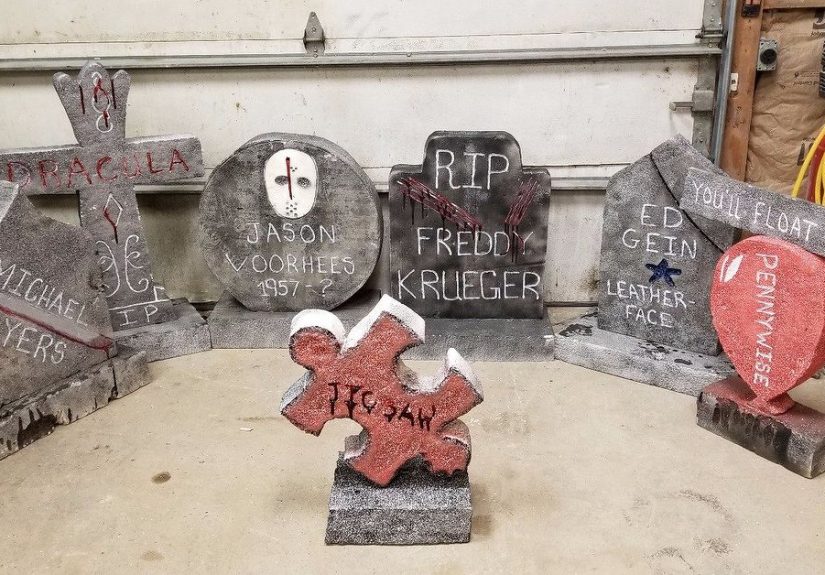
Store-bought tombstones can be fun, but they often have “party aisle energy.” DIY headstones, on the other hand,
can be customized for scale, style, and realismcracks where you want them, moss exactly where it looks creepy,
and epitaphs that range from spooky to “your dad would absolutely say that.”
Pick Your Material: Foam, Cardboard, or Wood
Your headstone material determines everythinghow realistic it can look, how long it lasts outside, and how much
you’ll mutter “why is this sticking to everything?” while you work. Here are the top options.
Option 1: Insulation Foam (Best for Realism)
Rigid insulation foam board (often 2 inches thick) is a Halloween DIY favorite because it’s lightweight, easy to
carve, and can be textured to look like stone. It’s also forgiving: if you mess up, you can patch it, sand it,
or call it “ancient damage” and pretend you meant to do it.
Option 2: Foam Board or Craft Foam (Best for Quick Builds)
Thinner foam board works for faster, simpler headstonesespecially if you’re making a whole graveyard in a weekend.
You can still add texture with spackle, lightweight joint compound, or paint techniques.
Option 3: Cardboard (Best for Indoor/One-Night Use)
Cardboard headstones can look great with the right paint and shading, but moisture is the villain in this story.
If you’re placing them outside, plan to seal aggressively and/or bring them in after the festivities.
Option 4: Plywood (Best for Durability)
Wood headstones are sturdy and weather-tough, but carving stone-like detail is harder. If you want durability with
a classic silhouette, plywood is a solid choiceespecially for windy areas where foam props can try to become
neighborhood kites.
Design Like a Cemetery Art Director
Before you cut anything, decide your “graveyard aesthetic.” A random collection can still be fun, but a themed set
looks next-level. Pick one:
- Old-world gothic: tall, arched stones, ornate borders, dramatic cracks.
- Forgotten pioneer cemetery: simple rounded tops, rough lettering, heavy weathering.
- Haunted asylum: numbered stones, minimal names, unsettling symbols.
- Comedy crypt: pun epitaphs that make adults laugh and kids ask questions at bedtime.
Keep proportions believable. A good “yard cemetery” headstone often lands around 24–36 inches tall, depending on
your space. Add variety: a few taller “family” stones, some shorter markers, maybe one dramatic centerpiece that
screams, “Something happened here, and it wasn’t brunch.”
Lettering Choices That Sell the Illusion
The fastest way to ruin realism is bubbly letters that look like a craft sticker sheet. For a stone-carved vibe:
- Use block serif fonts as a guide (or hand-letter with squared corners).
- Keep spacing imperfectold stones weren’t typeset by a perfectionist.
- Vary depth slightly when carving letters to mimic chiseled wear.
Tools & Supplies Checklist (So You Don’t Panic Mid-Project)
Core Tools
- Measuring tape, pencil/marker
- Craft knife or utility knife (fresh blades matter)
- Jigsaw (optional, but fast for thick foam)
- Sanding block or sanding sponge
- Putty knife (for spreading spackle or texture)
- Paint brushes + cheap chip brushes
- Sponges (natural sea sponge = elite texture)
- Dust mask + safety goggles (your lungs deserve better)
Materials
- Foam insulation board (or foam board/craft foam)
- Construction adhesive/foam-safe glue
- Wooden dowels, garden stakes, or lath for mounting
- Spackling compound or lightweight joint compound (optional texture)
- Paint: black, grays, off-white, brown/green accents
- Optional: moss patches, faux cobwebs, plastic bones, LED lights
How to Build Foam DIY Headstones (Step-by-Step)
This is the classic method: foam board headstones that look like stone, weigh almost nothing, and can fill your yard
with cinematic spooky energy.
Step 1: Draw Your Headstone Shape
Sketch your silhouette directly onto the foam. If you want symmetry, fold paper to make a template, trace it, and
then adjust the design so it feels handmade. Tiny imperfections read as “aged stone,” not “oops.”
Step 2: Cut It Out (Clean Cuts = Less Sadness)
Use a sharp knife for thinner foam, or a jigsaw for thick insulation foam (especially 2-inch board). Cut slowly
and stay perpendicular to avoid angled edgesunless you want that intentionally weather-worn look.
Step 3: Thicken It for a Realistic Profile (Optional but Powerful)
Real headstones have depth. If your foam is thin, you can glue two identical cutouts together. Clamp or weight
them until fully set. Thicker stones also stand up better to wind and accidental bumps from excited candy seekers.
Step 4: Round the Edges and Add Stone Damage
Use a sanding block to soften edges. Then add “age”:
- Carve chips along corners with the knife tip.
- Gouge shallow divots and scrapes.
- Create a few deeper nicks where water “would” have worn it down.
Keep it believable. One dramatic crack is spooky. Thirty-seven cracks is a geology lesson.
Step 5: Carve Letters and Cracks
Lightly draw letters first. Then carve using a craft knife, a hot tool (carefully), or a rotary tool with a carving
bit. Aim for a shallow V-groove for classic “chiseled” lettering. For cracks, carve thin wandering lines, then widen
sections as if the stone fractured unevenly over time.
Texture Tricks: Make Foam Look Like Stone (Not Like Foam)
Method A: Spackle/Joint Compound Skim Coat
Spread a thin coat with a putty knife. While it’s still workable, dab with a damp sponge to create uneven stone
pores. Avoid perfectly smooth coveragestone is a messy overachiever, not a minimalist.
Method B: Paint-Only Texture (Fastest)
If you’re skipping spackle, you can still sell the stone illusion with paint layering:
- Start with a dark base coat (black or charcoal).
- Sponge on mid-gray in mottled patches.
- Dry-brush lighter gray across raised edges.
- Add green/brown washes near the bottom for grime and “moss.”
Method C: Faux Brick or Carved Patterns (For Columns and Fancy Stones)
Want a graveyard that looks like it comes with lore? Add brick patterns on a base or pillar using a sponge and
layered paint. You can also carve borders, religious symbols, or ornamental frames to elevate the design.
Paint Like a Special Effects Artist (Without Becoming One)
The “realistic tombstone” look is mostly paint. The secret isn’t expensive paintit’s layers.
1) Base Coat: Go Dark First
A black/charcoal base instantly adds depth because any unpainted recess becomes natural shadow. Brush, roll, or use
foam-friendly paint methods depending on your material.
2) Mid Tones: Sponge Mottling
Dip a sponge into gray paint, dab most off, then tap lightly across the surface. Rotate your wrist. Change shades
as you go. The goal is irregular stone variationlike nature made it, then time did a number on it.
3) Highlights: Dry Brush the “Stone Dust” Look
Put a tiny amount of light gray/off-white on a dry brush, wipe it down until it feels like you have no paint left,
then flick it gently over raised textures. Suddenly your tombstone looks… weirdly expensive.
4) Age It: Washes, Drips, and Dirt
Mix a watery dark brown/black wash and let it settle into cracks. For drip marks, lightly mist or flick watery paint
downward so gravity does the storytelling. Focus on:
- Letter grooves
- Cracks and chips
- Lower third of the stone (where dirt and water meet)
5) Moss & Grime: The “This Is Definitely Haunted” Finisher
Add green-gray tinting along the bottom edge, in deep cracks, and under carved details. Glue on small patches of
faux moss sparingly. The trick is restrainttoo much moss makes it look like a craft store exploded.
Prevent the “Spray Paint Meltdown” (Literally)
Some aerosol paints contain solvents that can attack certain foams. If you love the speed of spray paint, you have
two smart options:
- Use a foam-safe primer/barrier: a specialty foam primer is designed to protect foam surfaces before top coats.
- Use water-based brush-on paint: acrylic and latex paints are typically safer for many foam builds.
Either way, do a small test on a scrap first. Halloween is about controlled chaos, not surprise chemical reactions.
Mounting & Weatherproofing: Make Sure Your Headstones Don’t Fly Away
Lightweight props are wonderfuluntil the wind decides your headstone should visit the neighbor’s Prius.
Anchor your work like you mean it.
Stake Method (Simple and Effective)
- Attach a wooden dowel or stake to the back (glue + reinforcement).
- Drive it into the ground behind the stone so the headstone sits flush with the lawn.
- For bigger stones, use two stakes to prevent spinning.
Base Method (Best for Hard Ground or Patios)
Create a base by attaching the headstone to a scrap board or a foam “foot” that you can weight down with sandbags
or bricks (hidden behind a mound of faux dirt or leaves). This is especially helpful if your soil is rocky.
Seal for Moisture
If rain is in the forecast, sealing matters. A protective primer + paint + clear coat (foam-safe) helps prevent
peeling, fading, and that tragic moment when your masterpiece looks like it’s crying gray streaks down the lawn.
Set the Scene: Summon Spine-Chilling Vibes With Layout and Lighting
Even the most gorgeous headstone can look silly if it’s plopped in the yard like a forgotten yard sale sign.
Use staging to sell the story.
Composition Tips That Instantly Look “Pro”
- Clusters beat straight lines: real cemeteries aren’t perfectly symmetrical.
- Vary height: mix tall stones, short markers, and one “main” headstone.
- Add ground clutter: faux leaves, dirt mounds, a shovel, a lantern, scattered bones.
- Create a path: guide trick-or-treaters with stakes, fencing, or stone spacing.
Lighting That Makes Everything Scarier
- Uplighting: place small LED spotlights at ground level aimed up the face of the stone.
- Backlighting: tuck lights behind stones to cast long shadows.
- Flicker: use LED candles or flicker bulbs for a “graveyard glow.”
Bonus move: make a few “luminaria-style” tombstones (paper-bag style) and line a walkway with soft, eerie light.
It’s spooky and weirdly elegantlike a cemetery with a sense of interior design.
Punny (and Spooky) Epitaph Ideas
If you want laughs and chills, try epitaphs that are funny at first glance and slightly unsettling on the
second. A few options:
- “Here Lies Ben D. Over”
- “Gone But Not Forgotten (Unlike Your Passwords)”
- “I Told You I Was Sick”
- “Plot Twist: It Wasn’t a Plot”
- “BRB”
- “Wait… Did You Hear That?”
Want it more serious? Use simple, classic engravings: “RIP,” dates, family names, religious symbols, or cryptic
Latin-ish phrases (even fake Latin works, because nobody wants to fact-check a haunted headstone).
Troubleshooting: Common DIY Headstone Problems (and Fixes)
Problem: “My foam is shedding tiny beads everywhere.”
Sand lightly, then seal with primer or a thin paint coat before heavy handling. Static cling is real. Foam bits
will travel. You will find them in places foam bits should not be.
Problem: “My letters look sloppy.”
Embrace it as age… or clean them up by widening the grooves slightly for consistency, then add a dark wash to
sharpen the contrast.
Problem: “It looks flat, like a gray poster.”
Add depth with darker shadows in cracks and stronger highlights on edges. Most “realism” comes from contrast, not
perfect carving.
Problem: “It won’t stay upright.”
Add a second stake, build a base, or reinforce the back with a strip of wood/lath. Lightweight props need structure,
especially in windy yards.
Conclusion: Build the Graveyard, Own the Night
Crafting spooky DIY headstones is one of those Halloween projects that looks complicateduntil you do it and realize
it’s mostly cutting, carving, and letting paint do the heavy lifting. Start with a couple of stones, practice your
texture and aging techniques, and then scale up into a full-on backyard cemetery that radiates spine-chilling vibes.
And remember: the goal isn’t perfection. The goal is atmosphere. If your headstone looks like it’s been out in the
elements for 100 years… congratulations. You nailed it. If it looks like it’s been out in the elements for 1,000
years… also congratulations. That’s just extra haunted.
Field Notes: Real-World DIY Headstone Experiences (So You Don’t Learn the Hard Way)
People who build their first DIY graveyard almost always have the same emotional arc: confidence, chaos, triumph,
and then a mysterious new respect for painters. Here are the most common “experience-based” lessons makers run into
when crafting spooky DIY headstonesplus how to turn those moments into upgrades instead of regrets.
First: foam is both magical and emotionally needy. The moment you cut it, it starts producing static-charged crumbs
that cling to everything like they pay rent. The best workaround is to choose a dedicated workspace (garage, driveway,
tarp-covered area) and do an early sealing passeither a primer barrier or a base coatbefore you obsess over fine
details. Once the surface is sealed, foam stops acting like a tiny snowstorm generator and becomes much easier to
handle without leaving a trail.
Second: carving feels intimidating until you realize realism loves imperfections. New builders worry their cracks
aren’t “natural.” Here’s what tends to happen: the first crack looks too neat, the second crack looks like lightning,
and then the third crack finally looks like stone. That’s the breakthroughbecause stone damage isn’t symmetrical.
It’s random, uneven, and a little rude. Makers who get the best results usually stop trying to carve “a perfect crack”
and instead carve “a believable accident.” If it feels too controlled, rough it up, widen a section, and add a wash.
Paint will sell the story.
Third: paint is where headstones are either born… or politely asked to leave. Many DIYers start too lightgray on
white foamand end up with something that reads as “craft project.” The experienced move is starting dark, then
building lighter layers slowly. When you dry-brush highlights and add grime washes, the stone suddenly gains depth.
The first time you see the lettering pop because a dark wash settled into grooves, it feels like a magic trick you
learned from a suspiciously friendly cemetery caretaker.
Fourth: weather is the ultimate critic. Builders often discover that an unsealed tombstone looks amazing at 3 p.m.
and tragic by 9 p.m. if there’s dew, mist, or surprise sprinklers. Real-world experience teaches you to treat outdoor
props like outdoor furniture: seal early, let coats dry fully, and anchor everything like the wind is personally
offended by your decorations. The “why is my headstone face-down?” moment is commonusually right after you step
inside to answer the door. Stakes, braces, and bases aren’t optional if you want your graveyard to survive the night.
Fifth: layout is half the scare. DIYers who place stones in a straight line often end up adjusting them later because
it looks too staged. The display starts to feel real when you stagger placements, vary angles, and add small scene
elements: a half-buried bone, a lantern, a crooked fence piece, a mound of “fresh dirt.” People report that the
biggest reactions come from tiny detailslike a stone that looks slightly tilted as if the ground shifted, or a hand
print “stained” onto a corner with a reddish-brown wash. The vibe goes from “decorations” to “uh… is this a crime scene?”
(In a fun way.)
Finally: the unexpected joy is how interactive it becomes. Families slow down. Kids invent stories about who’s buried
where. Adults read epitaphs out loud and laugh. The best DIY graveyards don’t just look spookythey create a little
neighborhood moment. And that’s the real secret: you’re not just making headstones. You’re building a Halloween
experience that feels cinematic, memorable, and delightfully chilling.