Table of Contents >> Show >> Hide
- What Is Rémoulade Sauce?
- French vs. Cajun and Creole Rémoulade
- Key Ingredients for the Best Rémoulade Sauce
- Step-by-Step: Easy Rémoulade Sauce Recipe
- Flavor Variations to Try
- What to Serve with Rémoulade Sauce
- Make-Ahead and Food Safety Tips
- Troubleshooting Your Rémoulade
- Real-Kitchen Experiences with Rémoulade Sauce
- Conclusion
If you’ve ever dunked a crispy crab cake or a plate of hot fries into a creamy, tangy, slightly spicy sauce and thought, “Wow, what is this magic?” there’s a good chance you’ve already met rémoulade. This classic condiment has French roots, serious New Orleans flair, and a long history of making seafood, sandwiches, and fried everything taste like they’re ready for a restaurant menu.
In this in-depth guide, we’ll walk through exactly what rémoulade is, the difference between French and Louisiana-style versions, a tested-at-home rémoulade sauce recipe, plus smart ways to tweak it to fit your taste. By the end, you’ll know how to whip up a batch in about 10 minutesand how to use it on way more than just shrimp.
Grab a bowl, your favorite mayonnaise, and a small army of flavor boosters. Let’s make a sauce that deserves its own spot in your fridge door, right next to ketchupbut with much more personality.
What Is Rémoulade Sauce?
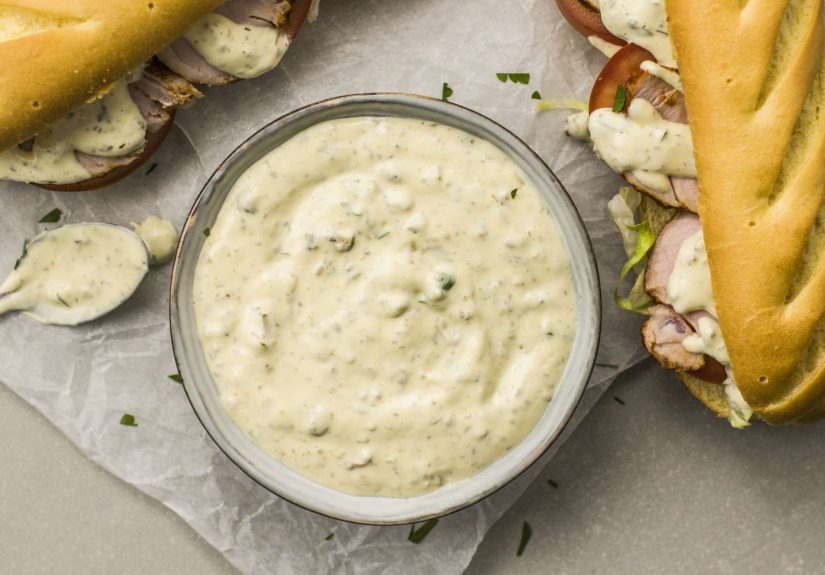
Rémoulade is a cold, mayonnaise-based sauce that originated in northern France. Traditional French versions combine mayo (or an oil-and-egg emulsion) with ingredients like mustard, capers, pickles or cornichons, fresh herbs such as tarragon and parsley, and sometimes anchovy or horseradish for extra punch. It’s typically served with cold meats, fish, and seafood, or as a dipping sauce for vegetables and fried foods.
When the sauce traveled from France to Louisiana, local cooks gave it a bold Southern makeover. In New Orleans-style rémoulade, you’ll often see Creole or spicy brown mustard, prepared horseradish, hot sauce, paprika, Cajun seasoning, celery, and fresh herbs. The result is a zesty, reddish-pink sauce that’s famous alongside crab cakes, fried shrimp, fried green tomatoes, and po’ boy sandwiches.
In short: think of rémoulade as tartar sauce that studied abroad, discovered spices, and came home with stories.
French vs. Cajun and Creole Rémoulade
Classic French Rémoulade
French rémoulade leans herb-forward and briny. Common building blocks include:
- Mayonnaise or a simple oil-and-egg emulsion
- Dijon or whole-grain mustard
- Finely chopped cornichons or dill pickles
- Capers for salty, briny flavor
- Fresh herbs like tarragon, parsley, or chervil
- Optional anchovy, vinegar, or a touch of horseradish
French rémoulade is typically thicker and more subtly spiced, designed to complement delicate fish, shellfish, and cold roasted meats.
Louisiana-Style (Cajun & Creole) Rémoulade
Louisiana rémoulade turns the volume up. Recipes from New Orleans and Cajun cooks commonly add:
- Creole or spicy brown mustard
- Prepared horseradish (not creamy horseradish sauce)
- Louisiana-style hot sauce
- Paprika or smoked paprika (for color and flavor)
- Cajun or Creole seasoning blends
- Worcestershire sauce
- Fresh lemon juice and zest
- Finely minced celery, scallions, garlic, and parsley
This version is more strongly flavored and often a bit looser in texture. It’s a natural partner for fried seafood, crab cakes, fried pickles, and po’ boys because the creamy base cools the palate while the spices keep things exciting.
Key Ingredients for the Best Rémoulade Sauce
Most great rémoulade sauce recipes share a similar backbone. Here’s what each component brings to the party:
- Mayonnaise: The creamy base. Use a good-quality store-bought mayo, or homemade if you’re feeling fancy.
- Mustard: Dijon, Creole, or spicy brown mustard adds sharpness and depth.
- Acid: Fresh lemon juice (and sometimes a splash of vinegar) brightens and balances the richness.
- Heat: Prepared horseradish and hot sauce give rémoulade its signature kick.
- Umami: Worcestershire sauce brings savory depth that keeps the sauce from tasting flat.
- Spices: Paprika, cayenne, and Cajun or Creole seasoning add warmth and color.
- Aromatic veggies: Garlic, scallions, celery, and onion add freshness and crunch.
- Pickled or briny elements: Capers, cornichons, or dill pickles contribute tang and texture.
- Herbs: Parsley is classic; tarragon or chives can add a gourmet twist.
Once you understand these categoriescreamy, acidic, spicy, briny, herbyyou can tweak the recipe to match whatever you’re serving.
Step-by-Step: Easy Rémoulade Sauce Recipe
This recipe leans toward Louisiana-style rémoulade: tangy, slightly spicy, and perfect with seafood, sandwiches, and fried snacks. It makes about 1 1/2 cups.
Ingredients
- 1 cup mayonnaise
- 2 tablespoons Creole or spicy brown mustard
- 1 tablespoon prepared horseradish
- 2 tablespoons fresh lemon juice
- 1 teaspoon lemon zest (optional but bright and lovely)
- 2 teaspoons hot sauce (such as a Louisiana-style hot sauce), more to taste
- 1 teaspoon Worcestershire sauce
- 1 teaspoon Cajun or Creole seasoning
- 1 teaspoon smoked or sweet paprika
- 1 small garlic clove, very finely minced or grated
- 2 tablespoons finely minced celery (preferably inner stalks with leaves)
- 2 tablespoons finely chopped fresh parsley
- 1 tablespoon finely chopped dill pickles or cornichons (optional but recommended)
- Salt and freshly ground black pepper to taste
Directions
- Mix the base: In a medium bowl, whisk together the mayonnaise, mustard, horseradish, lemon juice, and lemon zest until smooth.
- Add flavor boosters: Stir in the hot sauce, Worcestershire, Cajun seasoning, and paprika.
- Fold in the aromatics: Add the garlic, celery, parsley, and chopped pickles or cornichons. Stir until everything is evenly distributed.
- Season and adjust: Taste and add salt and black pepper as needed. If you want more heat, add extra hot sauce or a pinch of cayenne. For more tang, add a splash of lemon juice or pickle brine.
- Chill: Cover and refrigerate for at least 30 minutes (an hour is even better). This resting time allows the flavors to meld and the garlic and spices to soften into the sauce.
- Serve: Stir before serving. Use as a dipping sauce, sandwich spread, or drizzle over your favorite seafood or veggies.
Storage tip: Store rémoulade in an airtight container in the refrigerator for up to 5–7 days, depending on the freshness of your ingredients. Because it’s mayo-based, keep it chilled and don’t leave it out at room temperature for more than 2 hours.
Flavor Variations to Try
More French, Less Cajun
- Swap the Cajun seasoning and hot sauce for a little extra Dijon mustard.
- Add finely chopped capers and cornichons.
- Use fresh tarragon in place of (or in addition to) parsley.
- Reduce or omit horseradish for a gentler flavor.
This style is fantastic with poached salmon, cold shrimp, roast beef, or as a dip for crudités.
Extra-Spicy Rémoulade
- Double the hot sauce and horseradish.
- Add a pinch of cayenne or extra Cajun seasoning.
- Use smoked paprika for a deeper, slightly smoky heat.
This variation is great with fried catfish, blackened shrimp, or heavily seasoned fries.
Lighter Rémoulade
- Replace up to half of the mayonnaise with plain Greek yogurt.
- Bump up the lemon juice slightly to keep the flavor bright.
- Use plenty of fresh herbs to keep it tasting vibrant, not “diet.”
Serve this lighter version with grilled fish, grilled chicken, or roasted vegetables for a fresher feel.
What to Serve with Rémoulade Sauce
Rémoulade is one of those sauces that quietly steals the show. Try it with:
- Crab cakes: A classic pairing. The richness of crab plus the tangy sauce is a match made in seafood heaven.
- Shrimp: Fried shrimp, boiled shrimp, or shrimp po’ boys all love a generous drizzle of rémoulade.
- Fried green tomatoes: Stack fried green tomato slices with crab or shrimp and a spoonful of rémoulade for an over-the-top appetizer or light meal.
- Fried fish or oysters: Use it anywhere you’d serve tartar saucebut want more personality.
- Fries and fried pickles: Swap out plain ketchup and dip fries, sweet potato fries, or fried pickles into rémoulade instead.
- Sandwiches and burgers: Spread on po’ boys, fish sandwiches, chicken sandwiches, or even burgers for a spicy, tangy twist.
- Vegetables: Serve as a dip with raw veggies, roasted potatoes, grilled asparagus, or roasted Brussels sprouts.
If you’re hosting a party, make a big batch and set it out as your “house sauce.” Watch how quickly people start putting it on everything in sight.
Make-Ahead and Food Safety Tips
- Make it in advance: Rémoulade actually tastes better after it sits. Preparing it a few hours aheador the night beforegives the flavors time to meld.
- Keep it cold: Because this is a mayonnaise-based sauce, treat it like you would a creamy salad dressing. Don’t leave it at room temperature for more than 2 hours (or 1 hour if it’s very hot outside).
- Use fresh ingredients: Fresh lemon juice, fresh herbs, and fresh garlic not only improve flavor but also reduce the risk of off tastes as the sauce sits.
- Store properly: Store in a clean, airtight jar or container in the coldest part of your fridge. Use a clean spoon each time you dip into it to avoid introducing bacteria.
Troubleshooting Your Rémoulade
- Too thick? Whisk in a teaspoon or two of water, lemon juice, or pickle brine until you reach your desired consistency.
- Too thin? Add a spoonful of mayonnaise at a time. Chilling the sauce also naturally thickens it.
- Too salty? Add more mayonnaise and lemon juice to dilute the saltiness. Avoid adding more salty ingredients like pickles or capers.
- Too bland? Start with acidity and heat. Add more lemon juice, a bit of mustard, a touch of hot sauce, or more Cajun seasoning.
- Too spicy? Stir in more mayonnaise, a little sugar or honey, or serve it with richer, creamier foods that balance heat.
Real-Kitchen Experiences with Rémoulade Sauce
After you’ve made this rémoulade sauce a few times, you start to notice little quirks and tricks that never show up in quick recipe cards. Here are some “learned the fun way” experiences that can help you dial it in faster.
Mayonnaise Matters More Than You Think
Using a different mayo brand can make your rémoulade taste like a totally different sauce. A very tangy mayo will make the sauce taste brighter and more acidic from the start, while a richer, eggier mayo makes it taste almost like a fancy aioli. If you switch brands and something feels “off,” try cutting the lemon juice slightly or increasing it, depending on how tart your mayo is.
If you ever use homemade mayonnaise, be prepared for the sauce to taste more luxuriousand slightly more delicate. Homemade mayo is usually looser and can thin out your rémoulade. If this happens, just add a little extra mustard or even a spoonful of Greek yogurt to give it body.
Horseradish: The Stealth MVP
Horseradish doesn’t always shout its presence, but you’ll miss it when it’s gone. In test batches, when the horseradish was left out, the sauce tasted flatter, even with hot sauce and mustard still in place. Adding just a teaspoon or two wakes everything up without making the sauce taste “like horseradish.” If you love a sharp, nose-tingling heat, you can definitely push the amount higherbut add gradually so you don’t accidentally turn your rémoulade into pure fire.
The Power of Texture
The difference between “good” and “wow” often comes down to texture. Very finely mince the celery, garlic, and pickles so they feel integrated rather than chunky. You want little bursts of crunch and brine, not giant pieces of celery stealing the spotlight.
If you’re serving rémoulade with something delicate, like poached shrimp or thinly sliced roast beef, going smoother is better. For a po’ boy or fried green tomatoes, a bit more texture makes the sandwich feel more substantial and interesting.
Letting the Flavors Marry
It’s tempting to mix, taste, and serve immediatelyespecially if you’re hungry and there are hot fries waiting. But the sauce truly transforms after 30–60 minutes in the fridge. The garlic softens, the spices bloom, and the lemon gently settles into the mayo. A rémoulade that tastes slightly “sharp” or disjointed when freshly mixed often becomes perfectly balanced after a short chill.
For parties, making it the night before is ideal. Just remember to give it a quick stir and taste test before serving. Sometimes the flavors intensify overnight, so you may want to add a little extra mayo or lemon juice to fine-tune it.
Pairing with the Right Dishes
After trying this sauce on just about everything in the kitchen, a few clear winners always come back:
- Seafood: Fried shrimp, crab cakes, and fish sandwiches are rémoulade’s best friends.
- Fried veggies: Fried green tomatoes and fried pickles go from “nice” to “addictive” with this sauce.
- Roasted potatoes: Toss small roasted potatoes with a little rémoulade as a warm potato salad variation.
- Grilled chicken: Slice grilled chicken breast and serve it with a spoonful of rémoulade instead of BBQ sauce for a lighter, zesty twist.
Making It “Yours”
Rémoulade is incredibly forgiving. Once you’ve made the base recipe, you can customize it to match your cooking style:
- Add chopped fresh dill for a more Scandinavian vibe.
- Stir in a pinch of curry powder for a subtle, warm background note.
- Use chipotle hot sauce instead of regular hot sauce for a smoky edge.
- Swap half the mayo for Greek yogurt when you want something lighter but still satisfying.
Think of this recipe as your house rémouladethen adjust it until it tastes exactly like your kitchen. Once it’s dialed in, you’ll catch yourself putting it on everything from sandwiches to leftover roasted vegetables and wondering how you ever lived without it.
Conclusion
Rémoulade sauce may look like a simple creamy condiment, but it has centuries of history and a remarkable ability to upgrade anything it touches. With a handful of pantry staplesmayonnaise, mustard, horseradish, lemon, spices, and herbsyou can make a sauce that feels both classic and custom. Whether you lean French, go full-on New Orleans, or mix and match, this rémoulade sauce recipe gives you a reliable base and plenty of ways to make it your own.
Keep a jar in your fridge, and you’ll always have a quick way to dress up seafood, sandwiches, and snacks. Just be warned: once your friends taste it, they may start requesting “that sauce” every time they come over.
meta_title: Rémoulade Sauce Recipe for Seafood, Sandwiches, and More
meta_description: Learn how to make this easy rémoulade sauce recipe with mayo, mustard, and spicesperfect for crab cakes, shrimp, fries, and po’ boys.
sapo: Rémoulade sauce is the creamy, tangy, slightly spicy condiment your seafood and sandwiches have been missing. In this detailed guide, you’ll learn what rémoulade is, the difference between French and New Orleans-style versions, and how to make a versatile homemade rémoulade sauce in about 10 minutes. We’ll walk through ingredients, step-by-step instructions, flavor variations, serving ideas, and real-kitchen tips so you can confidently whip up a batch for crab cakes, shrimp, fries, po’ boys, and more.
keywords: remoulade sauce recipe, Cajun remoulade, Creole remoulade sauce, New Orleans remoulade, French remoulade