Table of Contents >> Show >> Hide
- What Dove’s “Choose Beautiful” Campaign Actually Did
- Why the Message Hit So Hard
- The Bigger Story Behind the Campaign
- Why So Many People Praised the Campaign
- But Not Everyone Loved It
- What Marketers Can Learn from “Choose Beautiful”
- Why the Campaign Still Matters Today
- Experiences Related to “Choose Beautiful” That Many Women Instantly Recognize
- Final Thoughts
- SEO Tags
Some ads try to sell a product. Others try to sell a feeling. And then there are the rare campaigns that do something trickier: they make people pause mid-scroll, mid-commute, or mid-identity crisis and ask, “Wait… why do I think that about myself?” Dove’s “Choose Beautiful” campaign landed in that last category. It was simple, emotional, a little provocative, and just uncomfortable enough to get people talking. In marketing terms, that is called a win. In human terms, it is called hitting a nerve.
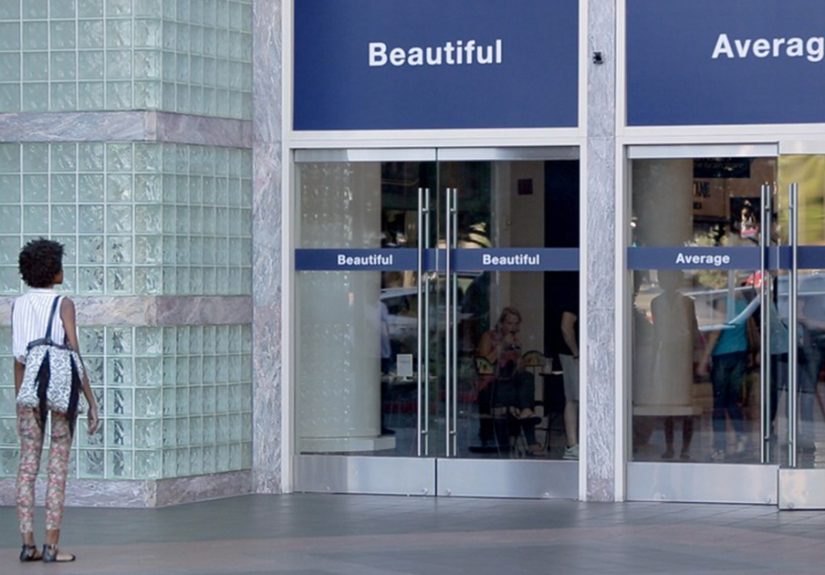
The campaign asked women to make a public choice between two doors: one labeled “Beautiful” and the other labeled “Average.” That was it. No fireworks. No celebrity cameo. No shampoo bottle descending from heaven on a cloud. Just a question hidden inside a doorway: how do women see themselves when no one is handing them permission to feel worthy?
That is why the ad resonated so widely. It did not simply tell women they were beautiful in the glossy, airbrushed language of traditional beauty advertising. It showed how many women hesitate to claim that word for themselves. The result was a campaign that felt both uplifting and slightly heartbreaking, which, frankly, is a very effective combination when you want people to remember your message.
What Dove’s “Choose Beautiful” Campaign Actually Did
A social experiment with a deceptively simple setup
Dove rolled out “Choose Beautiful” as part of its long-running Campaign for Real Beauty, the brand platform that has challenged narrow beauty standards since 2004. For this campaign, the company created a social experiment in cities including San Francisco, Shanghai, Delhi, London, and São Paulo. Women approached entrances marked with two different signs: “Beautiful” and “Average.” Then they had to decide which door to walk through.
That choice carried more emotional weight than it should have. After all, “beautiful” is a positive word. Most people would assume walking through that door would be easy. But the ad revealed the opposite. Many women felt awkward, self-conscious, or even guilty about publicly identifying themselves as beautiful. Some chose the “Average” door almost automatically. Others hesitated as if they were being asked to complete a tax audit instead of entering a building.
And that hesitation was the whole point. Dove was not trying to prove that women lack beauty. It was trying to show how deeply cultural messages shape women’s self-perception. The campaign suggested that beauty is not merely something bestowed by magazines, strangers, trend forecasts, or whoever is currently overusing the phrase “glass skin.” It can also be something women claim for themselves.
Why the Message Hit So Hard
It turned private self-criticism into something visible
One reason “Choose Beautiful” worked is that it translated an internal habit into a public moment. Many women are used to downplaying compliments, minimizing their appearance, or avoiding words like “beautiful” because claiming them can feel vain, arrogant, or unrealistic. The campaign pulled that reflex into plain view.
That is what made the ad emotionally sticky. It did not invent insecurity; it exposed it. And once viewers saw women literally choosing “Average,” the campaign made a larger truth visible: self-doubt is not some rare, dramatic problem experienced by a tiny group of people in sad movie montages. It is ordinary. Routine. Socially reinforced. Sometimes it is so common that people mistake it for humility.
It felt relatable across cultures
Dove also gave the campaign global reach, which mattered. By filming in multiple cities and showing women from different backgrounds, the ad framed appearance anxiety as a cross-cultural issue rather than a niche concern. The details of beauty pressure may vary by country, community, age, or class, but the emotional pattern is familiar: women are often encouraged to chase beauty while also being careful not to seem too aware of it.
That contradiction is exhausting. Women are told to look polished, but not too polished. Confident, but not conceited. Attractive, but effortlessly so, as if contour, hair tools, and strategic lighting are natural weather patterns. “Choose Beautiful” squeezed that contradiction into one unforgettable moment.
The Bigger Story Behind the Campaign
Dove had been building this message for years
“Choose Beautiful” did not appear out of nowhere. It was part of a much larger brand strategy. Since the launch of the Campaign for Real Beauty, Dove has positioned itself as a brand that challenges unrealistic standards in beauty advertising. Earlier campaigns such as “Evolution” and “Real Beauty Sketches” tackled retouching, distorted self-image, and the gap between how women see themselves and how others see them.
That long-term consistency is one reason Dove’s message carried more weight than a random empowerment slogan slapped onto a seasonal product push. The company had already spent years connecting its brand identity to confidence, body image, and self-esteem. In other words, “Choose Beautiful” was not just a clever one-off ad. It was another chapter in an ongoing story.
The campaign was also rooted in research
Dove has repeatedly cited research showing that relatively few women describe themselves as beautiful, even while many agree that every woman has something beautiful about her. That gap matters. It suggests women are often generous in what they see in others and stingy in what they allow themselves to claim personally. “Choose Beautiful” dramatized that exact contradiction.
From a branding perspective, this was smart. Research gave the campaign credibility, and storytelling gave it emotional force. The combination helped Dove move beyond generic “you’re worth it” language into something more observational and memorable.
Why So Many People Praised the Campaign
It rejected the old beauty-ad formula
Traditional beauty advertising has long relied on aspiration: polished models, fantasy lighting, impossible symmetry, and enough retouching to make actual human pores seem like a design flaw. Dove took a different route. Instead of presenting beauty as a finish line, it framed beauty as something women are allowed to recognize in themselves now.
That was refreshing. The campaign suggested that self-acceptance is not a reward for finally becoming perfect. It is a decision. Not an easy decision, of course. More like a decision that has to survive mirrors, social comparison, bad lighting in dressing rooms, and the entire front-facing camera situation. But still, a decision.
It created conversation, not just exposure
Great campaigns are not just watched; they are discussed. “Choose Beautiful” inspired exactly the kind of conversation marketers dream about and group chats are built for. Women debated the message, shared the video, reflected on their own habits, and talked about why choosing “beautiful” can feel surprisingly difficult.
That kind of engagement matters because emotional resonance often outperforms blunt sales messaging. Ads that invite self-reflection tend to travel further, especially when they touch on something people recognize immediately from their own lives.
It aligned purpose with brand identity
Another reason the campaign stood out is that it fit Dove’s established purpose. The brand has spent years arguing that beauty should be a source of confidence rather than anxiety. “Choose Beautiful” packaged that belief in a format people could understand within seconds. It was visual, emotional, and easy to summarize, which is catnip for both social media and modern attention spans.
But Not Everyone Loved It
The campaign also invited legitimate criticism
To be fair, “Choose Beautiful” was not universally adored. Some critics argued that forcing women to choose between “Average” and “Beautiful” created a false binary. Why should anyone have to label herself either way? Why is “average” framed like a lesser identity? And why should women have to perform self-esteem in public to make a point for a beauty brand?
Those critiques were not petty nitpicking. They revealed the built-in tension of purpose-driven advertising. A brand may be trying to challenge harmful standards, but it is still a brand. It still wants attention, affinity, and ultimately sales. That means even a thoughtful campaign can feel manipulative if viewers sense that a deeply personal issue is being packaged too neatly.
Empowerment advertising can still oversimplify
Another criticism is that campaigns like this can make confidence sound purely individual, as if the answer is simply for women to wake up one morning and choose self-love with the enthusiasm of someone ordering an iced latte. Real life is messier. Beauty pressure is shaped by culture, race, age, class, workplace expectations, family messages, and now algorithmic feeds that reward a very specific kind of face.
So yes, women can choose beautiful. But they are making that choice inside systems that often punish them for getting it “wrong.” The strongest reading of Dove’s campaign is not that insecurity is easy to fix. It is that naming the problem is a useful first step.
What Marketers Can Learn from “Choose Beautiful”
Emotion works best when it is rooted in a real human truth
The enduring strength of the campaign lies in its insight, not its production budget. Dove recognized a truth many women live with every day: it is easier to see beauty in others than in yourself. That insight powered the campaign more than any slogan ever could.
Marketers can learn a lot from that. A message becomes memorable when it reflects lived experience. Consumers are exceptionally good at spotting fake empathy, empty virtue signaling, or empowerment language that sounds like it was written by a committee and then blessed by a spreadsheet.
Consistency matters more than one viral moment
Another lesson is that purpose works better when it is sustained. Dove’s broader Real Beauty platform gave “Choose Beautiful” context and credibility. Had the brand only talked this way once, the campaign would have looked opportunistic. Because Dove had a longer record in this space, viewers could place the ad within a bigger mission, even if they still questioned parts of it.
Why the Campaign Still Matters Today
If anything, “Choose Beautiful” feels even more relevant now than it did in 2015. The beauty landscape is more technologically intense, more filtered, and more commercialized than ever. Social media has turned self-presentation into a daily performance, while AI tools and digital retouching can create faces that look flawless in a way actual humans never could.
In that environment, Dove’s larger argument remains powerful: beauty standards are not neutral, and women should not have to earn dignity by matching them. The company has continued extending that message into newer conversations about digital distortion and AI-generated beauty, which shows that the original Real Beauty idea still has room to evolve.
That does not make Dove immune from criticism, and it should not. But the brand deserves credit for keeping the conversation alive in a category that has often profited from insecurity. In an industry where many ads still whisper, “You are almost acceptable, please buy one more thing,” Dove’s message has often sounded more like, “Maybe the problem is the standard, not your face.” That difference matters.
Experiences Related to “Choose Beautiful” That Many Women Instantly Recognize
Part of the reason this campaign worked so well is that it mirrors experiences so many women already know by heart. Think about the dressing room moment: you put on something that actually looks good, catch a flattering angle in the mirror, and for one glorious second you think, “Wow, I look beautiful.” Then, almost immediately, another voice barges in like an uninvited critic with a clipboard. Too much. Be realistic. Don’t get carried away. The compliment is revoked before anyone else even speaks.
Or consider the strange social ritual around compliments. A friend says, “You look beautiful today,” and instead of saying thank you like a calm, evolved adult, many women are trained to swat the compliment away. “No, I look tired.” “This old thing?” “My hair is a disaster.” The script is familiar because modesty has often been treated as more socially acceptable than self-acceptance. “Choose Beautiful” tapped directly into that reflex.
There is also the workplace version of this experience. Many women learn quickly that appearance is never entirely personal. Looking polished can bring praise, but too polished can invite judgment. Looking natural can feel honest, but not polished enough can be read as careless. Women are expected to manage beauty as if it were an invisible job requirement, then pretend the work involved is effortless. That balancing act makes the campaign’s central question feel less like a slogan and more like an emotional stress test.
Social media adds another layer. A woman might post a photo, stare at it for ten minutes, compare it to other people’s pictures, delete it, repost it, crop it again, then wonder why a simple image feels like a referendum on her worth. Filters, editing apps, and beauty trends do not just shape how women look online; they shape how women judge themselves offline. The door marked “Beautiful” can start to feel like a space reserved for people with perfect lighting, expensive skincare, and the supernatural ability to look casual in candid photos.
Family life shapes these experiences too. Mothers, daughters, sisters, and friends often pass down beauty language without meaning to. A woman may grow up hearing constant comments about weight, skin tone, hair texture, or aging, and then carry that commentary into adulthood like background noise she never asked for. She may know intellectually that beauty standards are arbitrary, yet still feel emotionally trapped by them. That is why campaigns like Dove’s can strike such a deep chord. They are not introducing a new issue. They are naming an old one out loud.
And then there is the everyday experience of seeing beauty more easily in others. Many women can point out exactly what is lovely about a friend’s smile, posture, style, or face, but struggle to grant themselves the same generosity. That imbalance is one of the most revealing parts of the “Choose Beautiful” message. The campaign suggests that beauty is not absent; permission is. Women often need less transformation than they have been taught to believe. What they may need more urgently is freedom from the reflex to reduce themselves.
That is why the campaign still lingers in memory. It was not really about two doors. It was about the split second before the decision, when a woman reveals what she believes she is allowed to call herself. And for many viewers, that moment felt painfully familiar.
Final Thoughts
Dove’s “Choose Beautiful” campaign succeeded because it did more than advertise. It dramatized a cultural habit: women are often far kinder in how they define beauty for others than for themselves. By turning that habit into a simple visual choice, Dove created one of its most memorable entries in the Real Beauty era.
Was it perfect? No. The campaign simplified a complicated issue, and critics were right to question whether a beauty brand can ever fully separate empowerment from commerce. But imperfection does not erase impact. “Choose Beautiful” worked because it started a conversation many ads avoid entirely. It asked women to notice the language they use about themselves and challenged the quiet idea that calling yourself beautiful is somehow too much.
That message still lands. In a world full of filters, comparison loops, and impossible standards, reminding women that self-perception is political, emotional, and personal all at once is not a small thing. Sometimes a powerful ad does not change the world overnight. Sometimes it simply gives people a new way to see the thoughts they were already carrying. That is exactly what Dove managed to do.