Table of Contents >> Show >> Hide
- Why Researchers Focused on Salt Added at the Table
- What Too Much Sodium Does Inside the Body
- The Salt Shaker Is Not the Only Villain
- How Much Sodium Is Too Much?
- Why Salt Becomes a Habit
- Does Adding Salt Really Affect Life Expectancy?
- Potassium: Sodium’s Helpful Counterpart
- Simple Ways to Cut Back Without Hating Dinner
- What About Sea Salt, Himalayan Salt, and Fancy Salt?
- Who Should Be Extra Careful With Added Salt?
- Experience Section: What People Often Notice When They Stop Adding Salt to Every Meal
- Conclusion: Keep the Flavor, Retire the Automatic Salt Reflex
- SEO Tags
Note: This article is for educational purposes only. Anyone with kidney disease, heart failure, blood pressure concerns, heavy sweating, athletic training demands, or a prescribed sodium plan should follow guidance from a qualified health care professional.
Salt has excellent public relations. It makes fries sing, popcorn behave like a movie theater snack, and bland soup suddenly remember its purpose in life. But the habit of adding salt to every meal may not be as innocent as that tiny shaker suggests. Research has linked frequent use of added salt at the table with a higher risk of premature death, especially when that habit sits on top of the already salty modern diet.
The key phrase here is “adding salt.” Scientists are not saying that one sprinkle at a family dinner sends someone straight into cardiovascular doom. The bigger concern is a repeated pattern: salting food before tasting it, salting restaurant meals that are already seasoned, salting breakfast, lunch, dinner, and possibly a midnight snack that never asked for seasoning in the first place.
For many Americans, sodium intake is already high before the salt shaker enters the scene. Packaged meals, breads, deli meats, pizza, soups, sauces, condiments, fast food, and restaurant dishes can quietly deliver a day’s worth of sodium without tasting aggressively salty. Add table salt to that, and the body may receive more sodium than it needs on a regular basis. Over time, that can affect blood pressure, blood vessels, heart health, and stroke risk.
Why Researchers Focused on Salt Added at the Table
Measuring sodium intake is surprisingly tricky. People forget what they ate, food labels vary by serving size, and sodium levels can swing widely from one day to the next. That is why researchers have looked at the frequency of adding salt to foods as a practical signal of long-term salt preference.
In a major observational study published in the European Heart Journal, researchers analyzed data from more than 500,000 adults in the UK Biobank. Participants reported whether they added salt to food never or rarely, sometimes, usually, or always. After accounting for many lifestyle and health factors, people who always added salt to their food had a higher risk of premature death than those who never or rarely did.
This does not prove that the salt shaker alone caused earlier death. Observational studies can identify patterns, not absolute cause and effect. People who add salt frequently may also differ in diet quality, processed food intake, body weight, physical activity, and other health behaviors. Still, the association is important because it fits with a much larger body of evidence connecting high sodium intake with elevated blood pressure and cardiovascular risk.
What Too Much Sodium Does Inside the Body
Sodium is not evil. The body needs a small amount to help manage fluid balance, nerve signals, and muscle function. The problem is not sodium itself; the problem is too much sodium too often.
When sodium intake is high, the body may hold on to extra fluid. That extra fluid can increase blood volume, which may raise pressure inside blood vessels. Think of it as trying to push more water through the same garden hose. The hose can handle some pressure, but if the pressure stays high for years, damage becomes more likely.
High blood pressure is often called a silent risk because many people do not feel it. There may be no dramatic warning sign, no movie-style clutching of the chest, no background music. Yet high blood pressure can strain arteries, the heart, kidneys, and brain. It is a major risk factor for heart disease and stroke, two of the leading causes of death in the United States.
The Salt Shaker Is Not the Only Villain
Here is the plot twist: most sodium in the American diet does not come from the salt shaker. It usually comes from processed, packaged, prepared, and restaurant foods. That means a person can proudly announce, “I never add salt,” while eating a lunch that contains more sodium than a beach breeze.
Common high-sodium foods include frozen pizza, canned soup, deli meats, bacon, sausage, hot dogs, instant noodles, chips, crackers, fast food sandwiches, bottled sauces, salad dressings, pickles, cheese, and many restaurant meals. Even foods that do not taste very salty can add up. Bread, tortillas, bagels, breakfast cereals, and grain-based dishes may contribute meaningful sodium because people eat them frequently.
This is why reducing sodium is not just about hiding the salt shaker behind the blender. It is also about reading labels, choosing lower-sodium versions, cooking more meals at home, and being aware of restaurant portions. A single entrée can contain enough sodium to reach or exceed a day’s recommended limit.
How Much Sodium Is Too Much?
The Dietary Guidelines for Americans recommend that teens and adults limit sodium intake to less than 2,300 milligrams per day. That is roughly the amount of sodium in one teaspoon of table salt. The American Heart Association recommends no more than 2,300 milligrams daily and says an ideal limit of 1,500 milligrams per day may be better for many adults, especially those with high blood pressure.
The average American consumes more than 3,300 to 3,400 milligrams of sodium per day, which means many people are already well above the recommended range. Add a few extra shakes of salt at every meal, and the gap grows wider.
There are exceptions. People who lose large amounts of sodium through intense sweating, certain athletes, outdoor workers in extreme heat, or people with specific medical conditions may have different needs. That is why personal medical guidance matters. But for the general population, cutting back on excess sodium is one of the most practical steps toward better blood pressure and long-term heart health.
Why Salt Becomes a Habit
Salt preference is learned. If someone grows up eating heavily salted foods, their taste buds may come to expect that level of intensity. Food with moderate sodium may taste “flat,” even when it is perfectly seasoned. The tongue is not being dramatic; it has simply been trained.
The encouraging part is that taste buds can adapt. Many people who gradually reduce sodium find that foods begin tasting more naturally flavorful after a few weeks. Vegetables taste sweeter. Herbs become more noticeable. Lemon, garlic, vinegar, pepper, chili, ginger, and roasted flavors start doing the work that salt used to do alone.
In other words, reducing salt does not mean signing a lifetime contract with boring food. It means giving other flavors a chance to get a microphone.
Does Adding Salt Really Affect Life Expectancy?
The UK Biobank study suggested that people who always added salt had a higher risk of premature mortality compared with those who rarely or never added salt. The researchers also estimated differences in life expectancy at age 50, with frequent salt adders showing shorter expected survival than rare salt users.
That sounds alarming, but it should be interpreted carefully. Life expectancy estimates are population-level findings, not a personal expiration date stamped on someone’s forehead. A person’s overall risk depends on many factors, including genetics, blood pressure, kidney function, smoking status, alcohol intake, exercise, body weight, sleep, stress, medical care, and total diet quality.
Still, the pattern is worth taking seriously. Adding salt to every meal may be a visible clue that total sodium intake is high and that the diet may rely heavily on salty, processed, or restaurant foods. The habit is easy to notice, easy to change, and potentially meaningful for long-term health.
Potassium: Sodium’s Helpful Counterpart
Sodium gets most of the attention, but potassium deserves a speaking role. Diets rich in potassium may help support healthy blood pressure because potassium helps the body handle sodium and supports blood vessel function. Fruits, vegetables, beans, lentils, potatoes, sweet potatoes, leafy greens, yogurt, and some fish are common potassium-containing foods.
The DASH eating plan, short for Dietary Approaches to Stop Hypertension, emphasizes vegetables, fruits, whole grains, beans, nuts, low-fat dairy, fish, poultry, and lower sodium intake. It is not a crash diet or a punishment menu. It is a practical eating pattern designed to support blood pressure and heart health while still allowing meals that taste like real life.
Simple Ways to Cut Back Without Hating Dinner
1. Taste before salting
This one sounds almost too simple, but it works. Many people salt automatically. Pause, taste, and decide whether the food truly needs more. Half the time, the meal may already be seasoned enough.
2. Move the salt shaker off the table
Out of sight does not magically fix sodium intake, but it interrupts the habit loop. Put herbs, pepper, lemon wedges, vinegar, chili flakes, or salt-free seasoning blends on the table instead.
3. Read the Nutrition Facts label
Look for sodium per serving, then check the number of servings in the package. A soup can may look reasonable until the label politely admits it contains two servings, and you were planning to eat the entire can like a normal hungry human.
4. Choose “low sodium” carefully
In the United States, “low sodium” means 140 milligrams or less per serving. “Reduced sodium” only means the product has less sodium than the regular version; it may still be high. Marketing language can be sneaky, so let the numbers do the talking.
5. Upgrade flavor with acid and aromatics
Lemon juice, lime juice, vinegar, garlic, onions, ginger, herbs, smoked paprika, cumin, black pepper, and chili can make food taste brighter without relying on salt. Roasting vegetables also deepens flavor naturally.
6. Be strategic at restaurants
Restaurant meals are often sodium-heavy because salt improves taste, texture, and consistency. Ask for sauces or dressings on the side, choose grilled or steamed options when possible, and consider sharing large entrées.
7. Reduce gradually
Going from salty to salt-free overnight can make food taste like wet cardboard. A gradual reduction is more realistic. Use slightly less each week, and your taste buds may adjust without staging a rebellion.
What About Sea Salt, Himalayan Salt, and Fancy Salt?
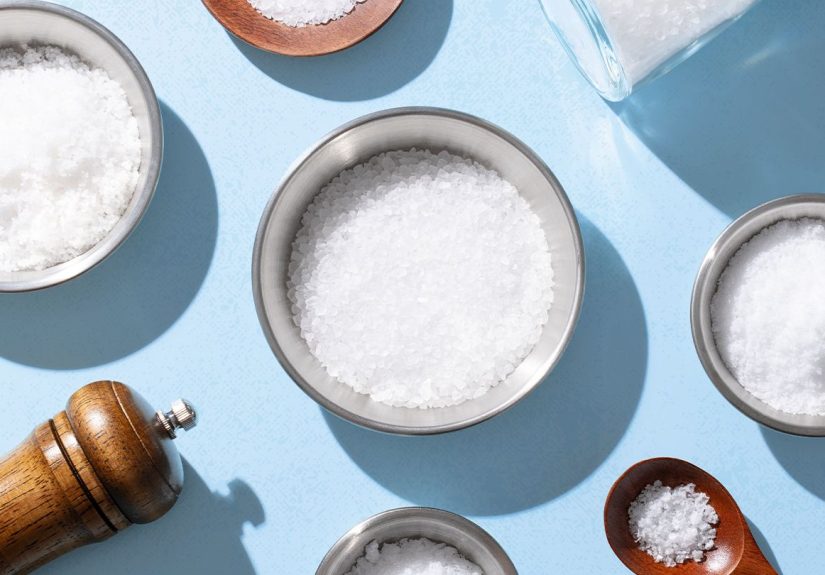
Sea salt, kosher salt, pink Himalayan salt, and gourmet finishing salts may look more natural or artisanal, but they still contain sodium. Some have different crystal sizes or trace minerals, but they are not magic health dust. A larger crystal may taste stronger on the tongue, which can help people use less, but the basic sodium issue remains.
The same caution applies to salty condiments. Soy sauce, fish sauce, barbecue sauce, ketchup, mustard, salad dressing, bouillon cubes, seasoning packets, and many spice blends can contain significant sodium. A meal can become high-sodium before table salt ever appears.
Who Should Be Extra Careful With Added Salt?
People with high blood pressure, heart disease, kidney disease, diabetes, a history of stroke, or a family history of cardiovascular disease may benefit from paying closer attention to sodium intake. Older adults and people who are salt-sensitive may also see stronger blood pressure effects from sodium reduction.
That said, no one should make drastic dietary changes based on fear alone. The smartest approach is to know your numbers: blood pressure, kidney function when relevant, and overall diet pattern. A health care professional or registered dietitian can help personalize the plan.
Experience Section: What People Often Notice When They Stop Adding Salt to Every Meal
Many people who cut back on added salt describe the first week as mildly annoying. Food can taste quieter, almost as if someone lowered the volume. Breakfast eggs may seem less exciting. Soup may feel unfinished. Popcorn may look personally offended. This is normal because the palate is adjusting, not because lower-sodium food is doomed to be sad forever.
One common experience is the discovery that salt was being used as a reflex rather than a decision. A person sits down, reaches for the shaker, sprinkles, and only then takes the first bite. Once they start tasting first, they may realize that many meals do not need extra salt at all. Restaurant food, frozen meals, takeout, and packaged snacks are often already seasoned heavily enough.
Another real-world lesson is that cutting salt works better when people add flavor, not just remove something. A bowl of rice with less salt may taste plain. But rice with lime, cilantro, garlic, chili, roasted vegetables, and a small amount of olive oil can taste lively. A chicken breast without salt may be forgettable. But chicken with lemon, black pepper, smoked paprika, rosemary, and a quick pan sear has personality. The goal is not to eat “diet food.” The goal is to stop letting sodium do every job in the kitchen.
People also notice how salty restaurant and packaged foods taste after a few weeks of lowering sodium. This can be surprising. Foods that once seemed normal may suddenly taste intense. Chips may taste like they are shouting. Canned soup may seem more like a salt solution with vegetables visiting for the weekend. That shift is a good sign: the palate is becoming more sensitive.
Shopping habits often change too. Reading labels becomes faster with practice. Instead of comparing every product in the aisle like a detective in a grocery-store crime drama, people learn which brands are usually lower in sodium. They may choose plain rice instead of seasoned packets, fresh poultry instead of processed meats, low-sodium broth instead of regular broth, and sauces used lightly instead of poured with enthusiasm.
Family meals can be the tricky part. One person may want less salt while another believes dinner should taste like a pretzel. A practical compromise is to cook with less sodium and allow individuals to add small amounts at the table if needed. Over time, the household may adjust together, especially when meals are built around herbs, spices, citrus, and fresh ingredients.
The biggest experience many people report is that reducing added salt feels less like restriction and more like awareness. They stop demonizing salt and start using it with intention. A pinch in the right place can still belong in a healthy kitchen. The problem is the automatic shake, shake, shake at every plate, every day, without asking whether the food needs it. In that small pause before salting, there is a surprisingly powerful health habit.
Conclusion: Keep the Flavor, Retire the Automatic Salt Reflex
People who add salt to every meal may face a higher risk of premature death than people who rarely do, according to large observational research. That does not mean salt is poison, and it does not mean every salted meal is dangerous. It means that frequent added salt may be a warning sign of excessive sodium intake, especially in a food environment already packed with hidden sodium.
The good news is that this habit is changeable. Taste before salting. Read labels. Cook more often with fresh ingredients. Choose lower-sodium packaged foods. Use herbs, spices, citrus, garlic, vinegar, and pepper to build flavor. Follow heart-friendly patterns like DASH, which focus not only on reducing sodium but also on adding potassium-rich, nutrient-dense foods.
Salt should be a tool, not a reflex. Use it thoughtfully, and let the rest of your food finally get a chance to speak.