Table of Contents >> Show >> Hide
- Why Ink Stains Are So Stubborn
- Before You Start: The Pro Rules of Ink Stain Removal
- What You Need to Remove Ink Stains from Clothes
- How to Get Fresh Ink Stains Out of Clothes
- How to Remove Dried Ink Stains from Clothes
- How to Get Ballpoint Pen Ink Out of Clothes
- How to Remove Gel Pen Ink
- How to Remove Permanent Marker from Clothes
- Can Hand Sanitizer Remove Ink Stains?
- Does Hairspray Remove Ink?
- What About Vinegar, Baking Soda, and Toothpaste?
- How to Treat Ink Stains by Fabric Type
- Common Mistakes That Make Ink Stains Worse
- When to Call a Professional Cleaner
- Pro Experience: What Ink Stain Removal Looks Like in Real Life
- Conclusion: Ink Stains Are Annoying, Not Invincible
Ink stains have a special talent for appearing on the worst possible garment at the worst possible time. White work shirt? Of course. Favorite jeans? Naturally. The one dress you planned to wear tonight? The pen saw its chance and took it. The good news: learning how to get ink stains out of clothes is absolutely possible when you treat the stain quickly, choose the right remover, and avoid the classic mistake of tossing the garment into the dryer too soon.
Professional cleaners approach ink stains like tiny crime scenes. First, identify the “suspect” ink. Then isolate the stain, blot instead of scrub, use a solvent that can break down the ink, rinse thoroughly, launder properly, and air-dry until the stain is gone. It is not glamorous, but neither is walking around with a blue comet across your sleeve.
This guide explains how to remove pen ink from clothes using practical, fabric-safe methods, including rubbing alcohol, hand sanitizer, detergent, oxygen bleach, and careful pretreating. You will also learn what not to do, because some internet-famous tricks are more drama than solution.
Why Ink Stains Are So Stubborn
Ink is designed to stick. That is literally its job. Many pens contain dyes, pigments, solvents, oils, resins, or other ingredients that help color attach to paper. Unfortunately, fabric fibers can be just as welcoming. Cotton, linen, denim, polyester, and blends can all absorb ink quickly, especially if the stain is fresh and wet.
The Type of Ink Matters
Not all ink stains behave the same way. Water-based ink, such as some washable markers or fountain pen ink, is usually easier to treat because it responds well to water and detergent. Ballpoint pen ink often contains oily components, so it usually needs an alcohol-based solvent to loosen the stain. Gel ink and permanent marker can be tougher because their colorants are more concentrated and may bond more strongly to fibers.
That is why one method may work beautifully on a blue ballpoint stain but barely impress a permanent marker stain. Ink removal is a little like negotiating with a toddler: the strategy depends on what kind of chaos you are dealing with.
Before You Start: The Pro Rules of Ink Stain Removal
Before applying anything to the stain, slow down. The first few minutes matter. A rushed move can spread the ink, set the stain, or damage the fabric. Follow these pro-approved rules before you begin.
1. Blot, Do Not Rub
Use a clean white cloth or paper towel to blot the ink. Rubbing can drive the stain deeper into the fibers and spread it outward. Think gentle tapping, not aggressive scrubbing. Your shirt is not a frying pan.
2. Put a Barrier Under the Stain
Place paper towels, an old white towel, or a clean absorbent cloth under the stained area. This catches ink as it transfers out of the garment and prevents the stain from bleeding through to the back layer of fabric.
3. Test First
Always test rubbing alcohol, hand sanitizer, acetone, ammonia, or any stain remover on a hidden seam or inside hem. If the fabric color changes, fades, or feels damaged, stop and choose a gentler method or take the garment to a professional cleaner.
4. Check the Care Label
If the label says “dry clean only,” do not soak the item at home. Blot what you can, avoid heat, and take it to a dry cleaner as soon as possible. For washable clothing, follow the warmest water temperature allowed by the care label after pretreating.
5. Never Use the Dryer Until the Stain Is Gone
Heat can set remaining ink, making it much harder to remove. After washing, air-dry the garment and inspect it in good light. If you still see ink, repeat treatment before drying with heat.
What You Need to Remove Ink Stains from Clothes
You do not need a laboratory or a wizard robe. For most washable fabrics, gather these supplies:
- Clean white cloths or paper towels
- Rubbing alcohol, preferably isopropyl alcohol
- Alcohol-based hand sanitizer, if rubbing alcohol is not available
- Liquid laundry detergent or pre-wash stain remover
- Oxygen bleach for washable whites and colors, when fabric-safe
- Cotton swabs or an eyedropper for small stains
- A small bowl or basin
- Cold water for rinsing
- Gloves, especially if using stronger products
Avoid colored towels when blotting because dye from the towel can transfer to the garment. White cloths make it easier to see whether the ink is lifting.
How to Get Fresh Ink Stains Out of Clothes
Fresh ink is easier to remove than dried ink, so act quickly. If the pen just leaked or marked the fabric, use this method first.
Step 1: Blot Excess Ink
Lay the garment flat. Place paper towels beneath the stain. Blot the top of the stain with another clean towel. Keep switching to a clean section of towel as ink transfers. If you keep blotting with an inky towel, you are basically giving the stain a second coat.
Step 2: Apply Rubbing Alcohol
Dip a cotton swab or cloth in rubbing alcohol and dab the stain from the outside edge toward the center. Working inward helps prevent the ink from spreading. For a larger stain, you can apply alcohol with an eyedropper or briefly soak only the stained section in a small dish of alcohol.
Step 3: Blot Again
Continue blotting with clean paper towels. You should see ink transferring from the fabric to the towel underneath. Move the towel frequently so the garment is always resting on a clean, dry area.
Step 4: Rinse with Cool Water
Once the stain looks lighter, rinse the area under cool running water. Rinsing helps remove loosened ink and alcohol residue before washing.
Step 5: Pretreat with Detergent
Apply liquid laundry detergent or a pre-wash stain remover directly to the remaining stain. Gently work it in with your fingers or a soft brush. Let it sit for 5 to 15 minutes, depending on the product instructions and fabric type.
Step 6: Wash and Air-Dry
Wash the garment according to the care label. Use the warmest water safe for the fabric. After washing, air-dry and inspect. If the stain remains, repeat the process before using the dryer.
How to Remove Dried Ink Stains from Clothes
Dried ink is more stubborn, but not always permanent. The key is patience. You may need several rounds of treatment.
Step 1: Rehydrate and Loosen the Stain
Place the stained area over paper towels. Apply rubbing alcohol or alcohol-based hand sanitizer to the stain and let it sit for a few minutes. The alcohol helps break down ink pigments and loosen them from the fibers.
Step 2: Blot Slowly
Blot with a clean cloth. Do not expect instant magic. Dried ink often lifts gradually, like a guest who says goodbye six times before actually leaving.
Step 3: Repeat the Alcohol Treatment
If the stain is still transferring to the towel, keep going. Apply more alcohol, blot, move the towel, and repeat. Stop if the fabric shows signs of fading, weakening, or color loss.
Step 4: Use a Stain Remover or Oxygen Bleach Soak
For washable fabrics, apply a commercial laundry stain remover. If the care label allows it, soak the garment in oxygen bleach and cool or warm water according to the package directions. Oxygen bleach is often safer for colors than chlorine bleach, but you should still test first.
Step 5: Wash, Air-Dry, and Inspect
Wash as usual and air-dry. If the stain is lighter but still visible, repeat. A dried ink stain may need two or three rounds before it fully disappears.
How to Get Ballpoint Pen Ink Out of Clothes
Ballpoint ink is one of the most common clothing disasters. It often responds well to rubbing alcohol because alcohol helps dissolve oily ink components.
- Place paper towels under the stain.
- Blot any excess ink.
- Dab rubbing alcohol onto the stain.
- Blot from the outside inward.
- Apply liquid detergent and let it sit for several minutes.
- Wash according to the care label.
- Air-dry and check before repeating or drying.
For a small pen mark on a shirt pocket, use a cotton swab instead of soaking the whole area. This gives you more control and reduces the chance of spreading the ink.
How to Remove Gel Pen Ink
Gel ink can be trickier because it contains strong pigments suspended in a gel-like base. Start with rubbing alcohol, but expect to repeat the process. If the garment is washable and colorfast, follow with a stain remover or oxygen bleach soak.
Do not scrub gel ink aggressively. It can smear and create a larger stain. Blot patiently, rinse thoroughly, and avoid heat until the mark is gone.
How to Remove Permanent Marker from Clothes
Permanent marker is the boss battle of ink stains. Rubbing alcohol may help, especially if the stain is fresh, but some permanent marker stains may not come out completely. Acetone-based nail polish remover can sometimes break down permanent ink, but it must be used with extreme caution.
When to Try Acetone
Use acetone only on durable fabrics after testing. Never use acetone on acetate, triacetate, or delicate synthetic fabrics because it can damage or dissolve fibers. Apply a few drops to a cotton ball, blot gently, rinse immediately, then wash.
If the garment is expensive, delicate, vintage, or emotionally important, skip the home chemistry show and take it to a professional cleaner.
Can Hand Sanitizer Remove Ink Stains?
Yes, alcohol-based hand sanitizer can help remove or lighten ink stains because it usually contains ethanol or isopropyl alcohol. It is especially useful when you are away from home and do not have rubbing alcohol nearby.
Apply enough sanitizer to cover the stain, let it sit for a few minutes, then blot with a clean cloth. Rinse and launder as soon as possible. Avoid hand sanitizers with dyes, glitter, moisturizers, or fragrance-heavy formulas because they may leave extra residue. Your laundry does not need sparkles unless it specifically asked for them.
Does Hairspray Remove Ink?
Hairspray has a famous reputation as an ink remover, but modern hairsprays are less reliable than old-school formulas because many contain less alcohol and more conditioning ingredients. If a hairspray contains alcohol, it may help with a light ink stain, but rubbing alcohol is usually a cleaner, more direct option.
If you use hairspray, test first, spray lightly, blot, rinse, and wash. Do not leave sticky residue sitting on the fabric.
What About Vinegar, Baking Soda, and Toothpaste?
Vinegar and baking soda can help with some household stains, but ink usually needs a solvent that can break down dyes and pigments. Baking soda may provide gentle abrasion for durable fabrics, but it is not the strongest choice for ink. Vinegar may lighten some stains, but it is rarely the most effective first step for ballpoint or permanent ink.
Toothpaste is best left for teeth. It may contain whiteners, abrasives, or gels that can create new stains or residue. When dealing with ink, choose rubbing alcohol, a tested laundry stain remover, or professional cleaning instead.
How to Treat Ink Stains by Fabric Type
Cotton and Linen
Cotton and linen are generally durable enough for rubbing alcohol, detergent, and oxygen bleach when the care label allows. Test first, blot carefully, and wash in the warmest safe water.
Denim
Denim can usually handle rubbing alcohol, but dark denim may bleed dye. Test inside the waistband or hem first. Blot gently and avoid over-saturating one area, which can create a faded patch.
Polyester and Blends
Polyester blends often respond well to alcohol-based treatments, but heat can set stains. Wash as directed and air-dry until the stain is completely gone.
Wool and Silk
Wool and silk are delicate and can be damaged by harsh solvents, rubbing, or soaking. Blot gently and take the item to a professional cleaner, especially if the label says dry clean only.
White Clothes
For white cotton or polyester that is bleach-safe, you may be able to use diluted chlorine bleach during washing, but never pour full-strength bleach directly onto an ink stain. Avoid chlorine bleach on wool, silk, leather, mohair, spandex, and non-colorfast fabrics.
Common Mistakes That Make Ink Stains Worse
Ink stains are annoying, but panic-cleaning can make them worse. Avoid these common mistakes:
- Rubbing hard: This spreads ink and pushes it deeper.
- Using hot water immediately: Heat can help set some stains before they are loosened.
- Skipping the spot test: Some solvents can remove fabric dye along with ink.
- Drying too soon: The dryer can lock in leftover ink.
- Mixing chemicals: Never mix ammonia with bleach. That combination can produce dangerous fumes.
- Using colored cloths: Dye from the cloth can transfer to your garment.
When to Call a Professional Cleaner
Call a pro if the garment is silk, wool, leather, suede, vintage, structured, expensive, or labeled dry clean only. You should also get professional help if the stain covers a large area, if the ink has gone through the dryer multiple times, or if home treatment starts affecting the fabric color.
Bring the garment in as soon as possible and tell the cleaner what caused the stain and what you already tried. That detail matters. “I used rubbing alcohol once” is useful information. “I attacked it with seven mystery products and hope” is less ideal, though very human.
Pro Experience: What Ink Stain Removal Looks Like in Real Life
In real homes, ink stains rarely happen under perfect conditions. Nobody calmly spills ink on a test swatch at 2 p.m. with a complete stain-removal kit nearby. More often, a pen explodes in a pocket during a commute, a child decorates a school uniform with “just one tiny line,” or someone discovers a stain after the garment has already been washed. The professional mindset is not about perfection. It is about controlling the damage quickly and making smart choices.
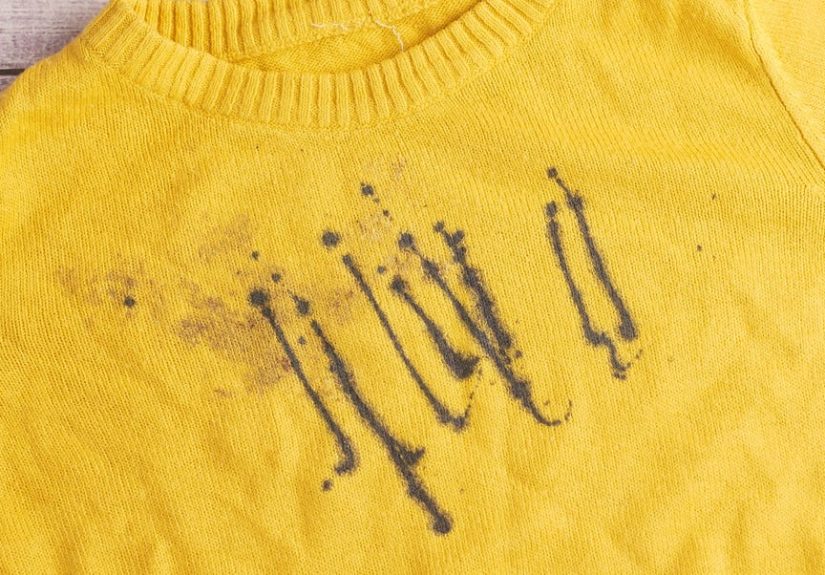
One practical experience that comes up often is the shirt-pocket stain. A ballpoint pen leaks, leaving a dark blue or black bloom right over the chest pocket. The biggest mistake people make is wiping the stain sideways with a wet towel. That turns one concentrated stain into a blurry ink cloud. A better approach is to place folded paper towels inside the shirt, behind the pocket, then dab rubbing alcohol onto the stain with a cotton swab. As the ink loosens, the towel underneath catches the color. The towel must be moved again and again, because once it becomes saturated, it can transfer ink back into the shirt.
Another common case is ink on denim. Denim is forgiving, but dark jeans can lose dye if treated too aggressively. The safest routine is to test rubbing alcohol inside the waistband, then blot the stain slowly. Denim often needs more time because its weave is thick and absorbent. After the ink lightens, liquid detergent helps remove remaining oily residue. Air-drying is essential. If the jeans go into the dryer too early, the stain may become part of the garment’s personality forever.
Parents often deal with washable marker or gel pen stains on children’s clothes. Water-based marker may respond to rinsing and detergent, while gel pen can be stubborn. The experience here is simple: do not assume all “kid ink” is easy ink. Start by rinsing from the back of the stain when possible, then use detergent. If color remains, move to rubbing alcohol after testing. With children’s clothes, check for glitter, glue, or food mixed into the stain, because laundry chaos enjoys teamwork.
Office clothing brings another challenge: delicate fabrics and blended materials. A polyester blouse may tolerate alcohol, while a silk blouse may not. For business wear, the care label decides the plan. If the garment is washable, controlled blotting and a small amount of alcohol may work. If it is dry clean only, the smartest move is to blot lightly, avoid water rings, and take it to a cleaner. Saving a garment sometimes means knowing when not to play laundry scientist.
The biggest lesson from real-life ink stain removal is patience. Ink often lifts in stages. First the stain looks darker because it is wet. Then it starts transferring to the towel. Then it fades from dramatic disaster to faint shadow. That is progress. Repeat treatment only while the fabric remains stable and the stain continues to lift. If nothing changes after several careful attempts, stop before damaging the garment.
A final professional habit is keeping a small stain kit at home: rubbing alcohol, white paper towels, cotton swabs, liquid detergent, oxygen bleach, and a trusted stain remover. It costs very little, takes up almost no space, and can rescue clothes before an ink stain becomes a permanent souvenir. Pens may be mighty, but preparation is mightier.
Conclusion: Ink Stains Are Annoying, Not Invincible
Knowing how to get ink stains out of clothes comes down to speed, solvent, and patience. Blot the stain, protect the fabric layers, test your remover, apply rubbing alcohol or another suitable treatment, rinse, pretreat, wash, and air-dry. Repeat if needed, and never let the dryer make the final decision until the stain is gone.
Fresh ink stains are easier to remove, but even dried ink may improve with careful treatment. Rubbing alcohol is often the best first choice for ballpoint pen ink, while detergent, oxygen bleach, and commercial stain removers can help finish the job. For delicate or dry-clean-only garments, a professional cleaner is the safest route.
Ink stains may be dramatic, but they do not have to win. With the right method, your favorite shirt can return to normaland your pen can go back to being useful instead of chaotic.
Note: This article is written for general washable clothing care. Always follow the garment care label, spot-test stain treatments first, avoid mixing bleach with ammonia, and consult a professional cleaner for delicate, expensive, vintage, leather, suede, wool, silk, or dry-clean-only garments.