Table of Contents >> Show >> Hide
- What Are Dry Elbows?
- Common Symptoms of Dry Elbows
- Why Are Elbows So Prone to Dryness?
- Main Causes of Dry Elbows
- Best Home Remedies for Dry Elbows
- What Not to Do for Dry Elbows
- Dry Elbows vs. Eczema vs. Psoriasis
- When Should You See a Doctor?
- Daily Routine for Softer Elbows
- Best Ingredients for Dry Elbows
- Can Dry Elbows Cause Dark Patches?
- How Long Does It Take to Fix Dry Elbows?
- Real-Life Experiences and Practical Lessons About Dry Elbows
- Conclusion
Dry elbows are one of those tiny body mysteries that can make you feel personally attacked by your own skin. One day your elbows are quietly minding their business, and the next they feel like they have been auditioning to become sandpaper. The good news? In many cases, dry elbows are common, manageable, and not a sign that your body has launched a dramatic rebellion.
Still, dry elbows deserve attention. The skin around the elbows is naturally thicker, bends constantly, rubs against desks and clothing, and often gets ignored during daily moisturizing. Add cold weather, hot showers, harsh soaps, aging skin, eczema, psoriasis, or simple friction, and your elbows can become rough, flaky, itchy, darker, cracked, or uncomfortable.
This guide explains the most common causes of dry elbows, the best home remedies, when to consider a medical condition, and how to build a simple elbow-care routine that does not require a luxury spa, a crystal bowl, or a moisturizer that costs more than your phone bill.
What Are Dry Elbows?
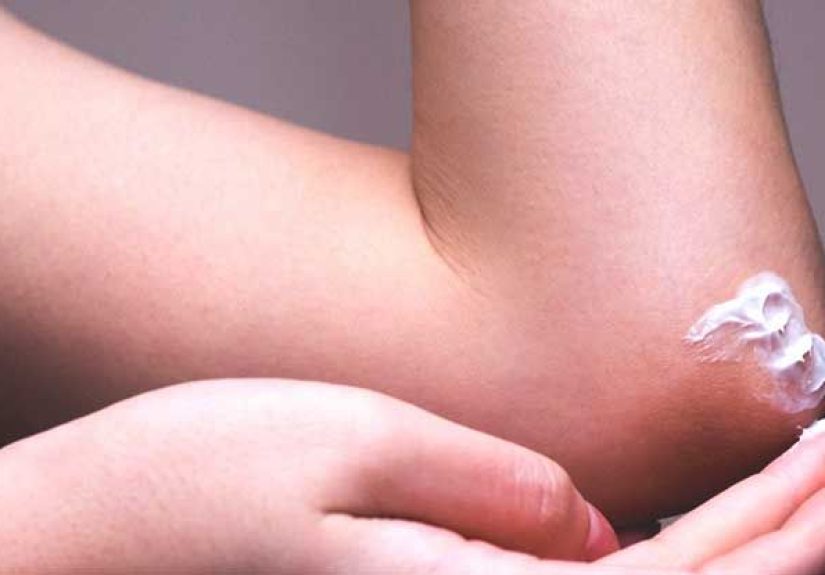
Dry elbows happen when the skin loses moisture and natural oils faster than it can replace them. The result may be roughness, scaling, itching, peeling, redness, darkened patches, or tiny cracks. The medical term for very dry skin is often called xerosis, but you do not need a fancy word to know when your elbows feel like they have been rubbing against a brick wall.
The elbow area is especially prone to dryness because it has fewer oil glands than some other parts of the body. It also experiences a lot of movement and pressure. Every time you lean on a table, rest your arms on a desk, exercise on a mat, or wear scratchy sleeves, your elbows take the hit.
Common Symptoms of Dry Elbows
Dry elbows can look and feel different from person to person. Some people notice only a little roughness, while others develop thick patches that itch or crack.
Typical signs include:
- Rough, scaly, or flaky skin
- Itching or mild burning
- White, gray, brown, red, or darker patches depending on skin tone
- Thickened skin from repeated friction or scratching
- Small cracks or peeling
- Tenderness when bending the elbow
- Skin that looks dull, ashy, or uneven
If your elbows are cracked, bleeding, painful, swollen, warm, or leaking fluid, that may suggest irritation, infection, or an underlying skin condition. In that case, a healthcare professional or dermatologist can help determine the cause.
Why Are Elbows So Prone to Dryness?
The elbows are the overworked interns of your body. They bend, stretch, rub, support weight, and rarely receive thanks. Because this skin is thicker and exposed to pressure, it can become dry faster than smoother areas like the cheeks or inner arms.
Another reason is simple neglect. Many people carefully moisturize their face, hands, and legs but skip elbows entirely. The elbows then become the forgotten leftovers of skincare. Over time, dryness builds up, and the skin may become rough or darker from friction and thickening.
Main Causes of Dry Elbows
1. Cold or Dry Weather
Cold outdoor air and heated indoor air can lower humidity, pulling moisture from the skin. This is why dry elbows often get worse in winter. If your skin suddenly starts acting like a crispy leaf every December, the weather may be a major reason.
2. Hot Showers and Long Baths
Hot water feels wonderful, especially after a long day, but it can strip the skin of natural oils. Long showers, frequent bathing, and harsh scrubbing can weaken the skin barrier. The result is dryness that returns even after you moisturize.
3. Harsh Soaps and Fragranced Products
Strong soaps, deodorant body washes, fragranced lotions, alcohol-based products, and aggressive exfoliants can irritate the skin. Elbows may become dry, itchy, or inflamed, especially if you already have sensitive skin.
4. Friction and Pressure
Leaning on your elbows while working, studying, gaming, or scrolling through your phone can create repeated friction. Over time, the skin may thicken as a protective response. This can make elbows feel rough, bumpy, or darker than surrounding skin.
5. Not Moisturizing Enough
Dry elbows often improve with consistent moisturizing. The key word is consistent. Applying lotion once and expecting velvet elbows by sunrise is optimistic, adorable, and usually unrealistic. Dry skin needs regular support, especially after bathing.
6. Eczema
Eczema, also called atopic dermatitis, can cause dry, itchy, inflamed, and irritated skin. It often involves a weakened skin barrier, meaning moisture escapes more easily and irritants enter more easily. If dry elbows come with intense itching, recurring flare-ups, or a rash, eczema may be involved.
7. Psoriasis
Psoriasis commonly affects elbows and knees. It can cause thick, raised, scaly patches that may look red, pink, purple, gray, brown, or silvery depending on skin tone. Psoriasis is not just “dry skin”; it is an immune-related condition that often needs a dermatologist’s guidance.
8. Contact Dermatitis
Contact dermatitis happens when the skin reacts to something it touches. This may include laundry detergent, fragrance, fabric dyes, cleaning products, skincare ingredients, metals, or certain plants. If your elbow dryness appears suddenly after using a new product, your skin may be filing a formal complaint.
9. Aging Skin
As people age, the skin naturally produces less oil and holds less water. This can make elbows, knees, hands, and feet more likely to feel dry or rough. A richer moisturizer can often make a noticeable difference.
10. Medical Conditions
Persistent dry skin can sometimes be associated with conditions such as diabetes, thyroid problems, kidney disease, nutritional deficiencies, or certain medication effects. This does not mean dry elbows automatically signal something serious. But if dryness is severe, widespread, recurring, or paired with other symptoms, it is worth asking a healthcare professional.
Best Home Remedies for Dry Elbows
1. Switch to a Thick Moisturizer
For dry elbows, thick creams and ointments usually work better than lightweight lotions. Look for ingredients that help hydrate, soften, and protect the skin barrier.
Helpful ingredients include:
- Petrolatum
- Glycerin
- Ceramides
- Hyaluronic acid
- Shea butter
- Dimethicone
- Lactic acid or urea for rough, thick skin
For very rough elbows, a plain petrolatum-based ointment can seal in moisture effectively. It may feel greasy, but greasy often works. Your elbows are not applying for a matte-finish beauty award.
2. Moisturize Right After Showering
The best time to moisturize is within a few minutes after bathing, while the skin is still slightly damp. Pat your skin dry instead of rubbing aggressively, then apply a thick cream or ointment to your elbows.
This helps trap water in the skin and restore the protective barrier. If your elbows are extremely dry, repeat the process before bed.
3. Use Lukewarm Water
Replace hot showers with lukewarm ones. Keep baths and showers short, ideally around 5 to 10 minutes. This small change can make a big difference for dry elbows and dry skin in general.
4. Choose Gentle, Fragrance-Free Cleansers
Use mild, fragrance-free body washes or soap-free cleansers. Avoid scrubbing your elbows with harsh brushes, rough loofahs, or gritty exfoliants when the skin is already irritated. Your elbow is not a dirty frying pan; it does not need that level of violence.
5. Try Gentle Exfoliation
If your elbows are rough but not cracked, bleeding, or inflamed, gentle exfoliation may help remove built-up dead skin. Use a soft washcloth or a mild chemical exfoliant with lactic acid or urea. Do this only one to three times per week, depending on your skin’s tolerance.
Avoid over-exfoliating. Too much exfoliation can damage the skin barrier and make dryness worse. If your elbows sting, burn, or look red after exfoliating, pause and focus on moisturizing instead.
6. Use Overnight “Elbow Slugging”
Slugging means sealing moisturizer with an occlusive ointment, usually petrolatum. For elbows, it can be especially helpful.
Here is a simple routine:
- Wash gently and pat dry.
- Apply a thick moisturizer to the elbows.
- Add a thin layer of petrolatum on top.
- Wear a soft long-sleeve shirt to protect bedding.
- Repeat several nights per week.
This method can soften rough elbows over time. It is simple, inexpensive, and delightfully unglamorous in the best way.
7. Add a Humidifier
If your home air is dry, especially during winter or heavy air-conditioning use, a humidifier can help. More moisture in the air may reduce water loss from the skin. Keep the humidifier clean to prevent mold or bacteria buildup.
8. Protect Elbows from Friction
If you lean on your elbows often, try using a padded desk mat, softer sleeves, or a small cushion. Avoid scratchy fabrics when your elbows are irritated. Reducing friction gives the skin a chance to repair instead of constantly defending itself like a tiny medieval castle.
What Not to Do for Dry Elbows
Some habits can make dry elbows worse, even when they seem helpful at first.
- Do not pick or peel flakes.
- Do not scrub cracked skin with rough exfoliants.
- Do not use lemon juice, baking soda, or toothpaste on dry elbows.
- Do not apply strong acids or retinoids to broken skin.
- Do not ignore pain, bleeding, swelling, or signs of infection.
- Do not use steroid creams for long periods without medical advice.
Natural remedies are popular online, but “natural” does not always mean gentle. Lemon juice can irritate skin, baking soda can disrupt the skin’s pH, and toothpaste belongs on teeth, not elbows. Your elbows deserve better boundaries.
Dry Elbows vs. Eczema vs. Psoriasis
It can be hard to tell whether dry elbows are simple dryness or part of a skin condition. Here are general differences.
Simple Dry Skin
Simple dryness usually feels rough, flaky, or tight. It often improves with richer moisturizer, gentler cleansing, and fewer hot showers. It may come and go with weather changes.
Eczema
Eczema tends to be itchy, inflamed, sensitive, and recurring. The skin may become red, brown, purple, scaly, cracked, or bumpy. Flare-ups may be triggered by soaps, sweat, stress, allergens, fragrances, or dry air.
Psoriasis
Psoriasis often causes thicker, raised plaques with scaling. It commonly appears on elbows, knees, scalp, and lower back. Patches may be itchy, sore, or painful. Because psoriasis is immune-related, it may need prescription treatment.
If you are unsure, do not play dermatologist roulette. A professional diagnosis can save time, discomfort, and a drawer full of random creams.
When Should You See a Doctor?
Most dry elbows improve with home care, but some cases need medical attention. Consider seeing a dermatologist or healthcare provider if:
- Dryness does not improve after two to three weeks of consistent care.
- The skin is cracked, bleeding, painful, or swollen.
- You notice pus, warmth, spreading redness, or fever.
- The patches are thick, raised, or very scaly.
- You have severe itching that affects sleep.
- The dryness appears suddenly and spreads.
- You also have joint pain, nail changes, fatigue, or other symptoms.
- Over-the-counter products make the area worse.
A doctor may recommend prescription creams, topical steroids for short-term inflammation, non-steroid anti-inflammatory creams, psoriasis treatments, allergy evaluation, or tests if an underlying condition is suspected.
Daily Routine for Softer Elbows
Morning Routine
- Wash with a gentle cleanser if needed.
- Apply a fragrance-free cream to each elbow.
- Wear soft fabrics that do not rub the skin.
- Avoid leaning directly on hard surfaces for long periods.
After Shower Routine
- Use lukewarm water, not hot.
- Keep the shower short.
- Pat skin dry gently.
- Apply a thick moisturizer while elbows are slightly damp.
Night Routine
- Apply moisturizer again before bed.
- Use petrolatum on top if elbows are very rough.
- Wear soft long sleeves if you dislike the greasy feeling.
- Repeat regularly for at least two weeks.
Best Ingredients for Dry Elbows
Ceramides
Ceramides help support the skin barrier. They are useful for dry, sensitive, and eczema-prone skin.
Glycerin
Glycerin is a humectant, meaning it helps draw water into the skin. It is common in effective moisturizers.
Petrolatum
Petrolatum helps seal moisture into the skin. It is especially helpful for rough or cracked areas.
Urea
Urea can hydrate and soften thick, rough skin. Lower percentages are usually gentler, while stronger formulas may be recommended for very thick patches.
Lactic Acid
Lactic acid can gently exfoliate and hydrate rough skin. Avoid using it on cracked or irritated elbows because it may sting.
Colloidal Oatmeal
Colloidal oatmeal can help soothe dry, itchy, sensitive skin. It is often found in eczema-friendly products.
Can Dry Elbows Cause Dark Patches?
Yes, dry elbows can look darker because of friction, thickened skin, inflammation, or post-inflammatory hyperpigmentation. This is especially common in areas that experience pressure and repeated rubbing.
The goal is not to bleach the skin. The goal is to reduce irritation, soften thickened skin, protect the barrier, and prevent repeated trauma. With consistent care, the tone may gradually look more even. If dark patches are sudden, velvety, widespread, or appear with other symptoms, check with a healthcare provider.
How Long Does It Take to Fix Dry Elbows?
Mild dry elbows may feel better within a few days of consistent moisturizing. Rough, thickened elbows may take several weeks. If eczema, psoriasis, or contact dermatitis is involved, improvement may require targeted treatment and trigger management.
The most important factor is consistency. Moisturizing once every third Tuesday when Mercury is in retrograde will not do much. A simple daily routine is more effective than an elaborate routine you abandon after two nights.
Real-Life Experiences and Practical Lessons About Dry Elbows
Dry elbows are common, but people often underestimate how much daily habits affect them. One person may blame “bad skin” when the real issue is a scalding-hot shower every night followed by zero moisturizer. Another may use expensive body lotion but apply it only to arms and legs, skipping the elbows completely. A third may moisturize faithfully but spend eight hours a day leaning on a rough wooden desk. In each case, the solution is less about finding a miracle product and more about identifying the small pattern that keeps the skin irritated.
A common experience is the “winter elbow surprise.” Everything seems normal during summer, then indoor heating starts, humidity drops, and elbows suddenly become flaky and rough. Many people respond by scrubbing harder, thinking the skin is dirty or needs heavy exfoliation. Unfortunately, aggressive scrubbing can make the skin barrier worse. A better approach is to reduce hot water, switch to a gentle cleanser, apply a thick cream after showering, and seal with ointment at night. The improvement may not be instant, but within a couple of weeks, the skin often feels noticeably softer.
Another real-world pattern is desk friction. Students, office workers, gamers, writers, and anyone who spends hours at a computer may rest their elbows on hard surfaces without realizing it. Over time, the pressure can make skin thicker and darker. In this case, moisturizer helps, but reducing friction is just as important. A soft desk pad, longer sleeves, or simply changing posture can prevent the elbows from returning to their rough state.
People with sensitive skin often discover that fragrance is a sneaky troublemaker. A lotion may smell like vanilla clouds and tropical vacation dreams, but fragrance can irritate dry or eczema-prone skin. The same goes for laundry detergent, fabric softener, and body wash. When elbows keep flaring despite moisturizing, switching to fragrance-free products for a few weeks can be revealing. If the skin calms down, the culprit may have been hiding in plain sight.
Some people also notice that their elbows improve when they treat them like “special care zones” instead of ordinary skin. For example, applying a ceramide cream after showering and petrolatum before bed can work better than using a thin lotion once a day. The elbows need a richer barrier because they deal with more bending, rubbing, and pressure. Think of them as high-traffic flooring: they need stronger protection than the guest room carpet.
There is also an emotional side to dry elbows. Rough, dark, or scaly patches can make people self-conscious in short sleeves. The important thing to remember is that dry elbows are not a personal failure or a hygiene issue. They are usually a skin barrier issue, a friction issue, or a condition that needs the right care. With patience, gentle products, and consistent habits, most people can improve the texture and comfort of their elbows.
The biggest practical lesson is this: do not wait until the skin cracks to care for it. Prevention is easier than repair. Moisturize after showers, protect elbows from friction, avoid harsh products, and pay attention to patterns. If your elbows keep acting dramatic despite your best efforts, a dermatologist can help identify whether eczema, psoriasis, contact dermatitis, or another factor is involved.
Conclusion
Dry elbows may be small, but they can be stubborn. The causes range from simple dryness and friction to eczema, psoriasis, harsh soaps, hot showers, weather changes, and underlying medical issues. For many people, the best remedy is a consistent routine: gentle cleansing, lukewarm showers, thick moisturizer, overnight sealing with ointment, and less friction.
If your dry elbows are mild, home care may be enough. If they are painful, cracked, inflamed, spreading, or not improving, professional advice is the smart next step. Your elbows may not be glamorous, but they bend, balance, lean, lift, and quietly support your daily life. A little care can turn them from rough and rebellious to soft, calm, and cooperative.
Note: This article is for general educational purposes and should not replace professional medical advice. If symptoms are severe, persistent, painful, or associated with signs of infection, consult a qualified healthcare professional.