Table of Contents >> Show >> Hide
- Why Edgecomb Gray Works So Well in a Foyer
- Understanding the Color: Is Edgecomb Gray Beige, Gray, or Greige?
- Before Painting: What We Considered First
- Choosing the Right Paint Finish for a Foyer
- How We Prepared the Foyer Walls
- Painting Our Foyer Edgecomb Gray: The Process
- What Edgecomb Gray Looks Like Throughout the Day
- Decorating a Foyer Painted Edgecomb Gray
- Common Mistakes to Avoid When Painting a Foyer Edgecomb Gray
- Is Edgecomb Gray Good for Small Foyers?
- Is Edgecomb Gray Still Popular?
- Our Experience Painting Our Foyer Edgecomb Gray
- Final Thoughts
There are home projects that whisper, “This will be easy,” and then immediately start laughing behind your back. Painting a foyer is one of them. It looks simple: four walls, a few corners, maybe a door frame or two. Then you remember the staircase, the trim, the awkward ceiling line, the mystery scuffs near the baseboard, and the fact that your foyer is basically the house’s handshake. No pressure.
That is exactly why choosing the right color matters. For our foyer, the winner was Benjamin Moore Edgecomb Gray, a soft, warm greige that feels calm, classic, and welcoming without shouting, “I watched twelve design shows and now I own painter’s tape.” Edgecomb Gray is officially described by Benjamin Moore as a warm, refreshing neutral, and its light reflectance value of about 63 makes it bright enough for many entryways while still offering more depth than a plain off-white.
This article walks through why Edgecomb Gray works so beautifully in a foyer, how to prepare the space, what finish to choose, how to avoid common painting mistakes, and what we learned from actually living with the color. Whether your foyer is a grand two-story entry or a tiny landing where shoes go to multiply, this guide will help you decide if Edgecomb Gray belongs at your front door.
Why Edgecomb Gray Works So Well in a Foyer
A foyer is not just a pass-through space. It is the first interior moment people experience when they enter your home. It sets the tone for everything beyond it: the living room, hallway, staircase, dining room, and even the “please ignore the laundry basket” corner. That is why foyer paint colors need to balance style, flow, and practicality.
Edgecomb Gray HC-173 sits in that magical middle zone between gray and beige. Designers often call this type of color “greige,” but do not let the trendy name fool you. This is not a cold, industrial gray or a yellow-heavy beige. It is softer, warmer, and more flexible. In a foyer, that flexibility matters because entryways often connect to several rooms with different lighting conditions and finishes.
Unlike bold colors that demand a very specific decorating plan, Edgecomb Gray plays nicely with many design styles. It can look traditional with white trim and brass lighting, modern with black accents, farmhouse-friendly with natural wood, and coastal with woven textures and pale blue accessories. Basically, it is the friend who can sit at any table and somehow get along with everyone.
Understanding the Color: Is Edgecomb Gray Beige, Gray, or Greige?
Edgecomb Gray is best described as a warm greige paint color. It has enough beige warmth to keep it from feeling chilly and enough gray influence to prevent it from looking overly creamy. Depending on your lighting, flooring, and surrounding colors, it may lean slightly warmer or slightly more neutral.
The Role of LRV
LRV stands for Light Reflectance Value. It measures how much light a paint color reflects on a scale from 0 to 100. A lower number absorbs more light, while a higher number reflects more light. Edgecomb Gray’s LRV of about 63 places it in the light-to-medium neutral range. That means it can brighten a foyer without becoming stark or washed out.
In a foyer with natural light, Edgecomb Gray may appear soft and airy. In a darker hallway or entry with limited windows, it can look a little deeper and cozier. This is why sample testing is not optional. Paint chips are cute, but they are tiny little liars under store lighting.
Common Undertones
Edgecomb Gray usually reads warm and balanced, but it may show subtle beige, taupe, or slightly green undertones in certain spaces. These undertones are not usually loud. They are more like background music. Still, they can become more noticeable next to cool blue-gray floors, very yellow lighting, or crisp white trim.
Before committing, paint a large sample on the wall and look at it in the morning, afternoon, and evening. Also check it with your lights turned on. A foyer changes throughout the day, especially if the front door has glass panels or the staircase casts shadows.
Before Painting: What We Considered First
Choosing Edgecomb Gray was not a random “grab a gallon and hope for emotional stability” decision. We looked at several practical details first.
1. The Lighting in the Foyer
Our foyer gets changing light. During the day, the wall near the front door looks brighter. The side wall closer to the hallway is more shaded. Edgecomb Gray handled both areas better than many cooler grays, which looked flat in the darker corners. The warmth gave the foyer a softer glow.
2. The Trim Color
Trim matters because it frames the wall color. Edgecomb Gray looks especially crisp with clean white trim, but the white should not be too creamy if you want contrast. Soft whites can work beautifully, but very yellow whites may make Edgecomb Gray look muddier than expected.
3. Flooring and Wood Tones
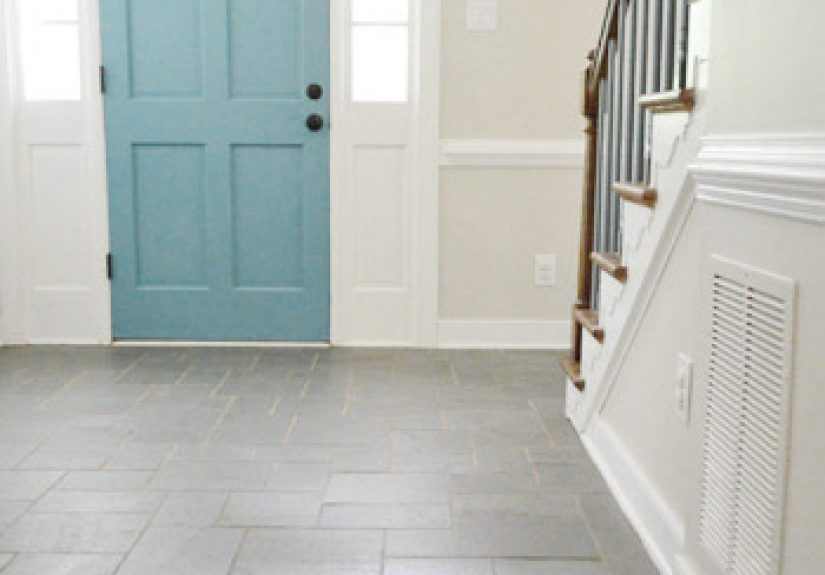
Foyers often have hardwood, tile, vinyl plank, or stone. Edgecomb Gray pairs well with medium wood tones, warm oak, natural textures, and many neutral tiles. If your floors are extremely cool gray, test carefully. The contrast between warm greige walls and cool flooring can either feel balanced or slightly disconnected depending on the space.
4. Flow Into Other Rooms
Because foyers usually connect to hallways, stairs, and main living areas, the paint color needs to transition well. Edgecomb Gray is excellent for open flow because it does not visually chop up the house. It lets artwork, furniture, rugs, and lighting do the talking.
Choosing the Right Paint Finish for a Foyer
A foyer is a high-traffic area. People enter with bags, shoes, coats, backpacks, umbrellas, groceries, pets, and occasionally the emotional chaos of Monday morning. The walls need to be beautiful, but they also need to survive real life.
For most foyers, eggshell or matte washable paint is a smart choice for walls. Eggshell has a gentle sheen and is typically easier to clean than flat paint. Matte can look elegant and help hide minor wall imperfections, especially if you choose a high-quality washable formula. Satin may work for very busy homes, but it reflects more light, which can highlight bumps, patches, and roller marks.
For trim, doors, and stair railings, satin or semi-gloss is usually more practical. These finishes stand up better to fingerprints and cleaning. In other words, save the delicate finish for the walls and give the trim a little armor.
How We Prepared the Foyer Walls
Preparation is the unglamorous part of painting that determines whether the finished project looks professional or like it was completed during a caffeine emergency. A foyer needs careful prep because it is one of the most visible spaces in the home.
Step 1: Clear the Space
We removed shoes, baskets, wall hooks, frames, and anything else that could become a paint-splatter victim. The goal was to create enough room to move a ladder safely and paint without performing accidental gymnastics.
Step 2: Clean the Walls
Entry walls collect fingerprints, dust, and mystery marks. We wiped the walls with a damp cloth and mild cleaner where needed. Paint sticks better to a clean surface, and clean walls also reveal dents or cracks that need repair.
Step 3: Patch and Sand
Small nail holes and dents were filled with lightweight spackle. Once dry, we sanded the patches smooth. The key is not to oversand and create a shiny halo around the repair. After sanding, we wiped away dust so it would not mix into the paint like tiny wall confetti.
Step 4: Tape Carefully
Painter’s tape went around trim, door frames, and any areas where we needed a sharp line. Good tape saves time, but it is not magic. Pressing down the edges helps prevent paint bleed. Removing the tape before the paint fully hardens can also help create a cleaner edge.
Step 5: Prime Where Needed
If your walls are already in good condition and painted a similar light color, you may not need a full coat of primer. However, primer is helpful over patched areas, stains, glossy surfaces, or strong previous colors. In our foyer, spot-priming repaired areas helped the final color look more even.
Painting Our Foyer Edgecomb Gray: The Process
Once the walls were clean, patched, sanded, and taped, the fun part finally arrived. Painting Edgecomb Gray was satisfying because the color started softening the foyer almost immediately.
Cutting In
We began by cutting in around the ceiling line, trim, corners, and door frames with an angled brush. This step takes patience. It is also the moment when you discover how steady your hand is and whether your coffee was a mistake.
Rolling the Walls
After cutting in, we used a roller to apply paint in sections. A common method is rolling in a loose “W” pattern and then filling in the open spaces for even coverage. The goal is to keep a wet edge so the paint blends smoothly instead of leaving lap marks.
Two Coats Made the Difference
The first coat looked promising, but the second coat gave Edgecomb Gray its full depth and softness. This is especially important in a foyer where light hits walls from different angles. Two coats created a smoother, richer finish and helped the color look intentional rather than almost-there.
What Edgecomb Gray Looks Like Throughout the Day
One reason Edgecomb Gray is so popular is that it changes gently instead of dramatically. In the morning, it can look fresh and warm. In afternoon light, it may appear more neutral and airy. At night, under warm bulbs, it becomes cozier and slightly beige.
That shifting quality is perfect for a foyer because the space should feel welcoming at any hour. It does not look gloomy when the light fades, and it does not glare when daylight enters. It sits quietly in the background, making the entry feel polished without making guests wonder whether they accidentally walked into a paint showroom.
Decorating a Foyer Painted Edgecomb Gray
After painting, the foyer felt calmer, but decorating brought it to life. Edgecomb Gray is a strong background color because it supports many accent choices.
White Trim and Doors
White trim gives Edgecomb Gray a classic look. The contrast is clean but not harsh. If your foyer has crown molding, baseboards, stair trim, or paneled doors, white trim can make those details stand out beautifully.
Black Accents
Black hooks, frames, door hardware, or a slim console table can add structure. Edgecomb Gray is soft, so black accents keep the space from feeling too beige or sleepy.
Natural Wood
Wood tones bring warmth and texture. A wood bench, mirror frame, woven basket, or console table pairs naturally with Edgecomb Gray. The combination feels relaxed but finished.
Rugs and Runners
A foyer rug can pull the whole look together. Patterns with cream, tan, charcoal, rust, navy, or muted green can work well. Since Edgecomb Gray is neutral, the rug can be quiet or bold depending on your style.
Lighting
Lighting changes everything. Warm white bulbs can enhance Edgecomb Gray’s cozy side, while cooler bulbs may make it appear more gray. We found that balanced warm lighting made the foyer feel inviting without turning the walls yellow.
Common Mistakes to Avoid When Painting a Foyer Edgecomb Gray
Skipping the Sample
Never judge Edgecomb Gray from a phone screen, a tiny paper chip, or someone else’s kitchen photo. Your lighting and finishes will change how it looks. Paint a large sample and observe it for at least a full day.
Ignoring Undertones
Compare Edgecomb Gray with your flooring, trim, and nearby wall colors. If the surrounding finishes are very cool, the warmth of Edgecomb Gray may become more noticeable. That is not bad, but it should be intentional.
Choosing the Wrong Sheen
A high-sheen wall finish can highlight imperfections, especially in a foyer with angled light. For most homes, eggshell or washable matte offers a good balance of beauty and practicality.
Rushing the Prep
Paint does not hide wall flaws as much as we want it to. In fact, fresh paint can make dents and bad patches more visible. Cleaning, patching, sanding, and priming are worth the time.
Forgetting Ventilation
Even with low-odor or low-VOC paints, ventilation matters. Open windows when possible, use fans safely, and follow product label instructions. A freshly painted foyer should welcome guests, not knock them over with fumes.
Is Edgecomb Gray Good for Small Foyers?
Yes, Edgecomb Gray can be a great choice for a small foyer, especially if you want warmth without darkness. Because it reflects a moderate amount of light, it can help a small entry feel open while still adding coziness. Pair it with lighter trim, a mirror, and good lighting to make the space feel larger.
If your foyer is extremely dark, test Edgecomb Gray beside a lighter neutral. In some low-light spaces, it may read more beige or slightly deeper than expected. That can still be beautiful, but the sample will tell the truth.
Is Edgecomb Gray Still Popular?
Edgecomb Gray remains popular because it fits the shift toward warmer neutrals. Many homeowners moved away from icy grays and stark whites because those colors can feel cold in real homes. Edgecomb Gray offers a softer alternative. It feels updated but not trendy in a way that will age quickly.
That timeless quality is especially useful in a foyer. You may change rugs, art, seasonal wreaths, or furniture, but the wall color can stay steady. It gives you flexibility without forcing a full redesign every time your style evolves.
Our Experience Painting Our Foyer Edgecomb Gray
After living with the finished foyer, the biggest change was not just the color. It was the mood. Before painting, the foyer felt a little tired and disconnected from the rest of the house. It was not terrible, but it had that “builder basic but trying its best” energy. Edgecomb Gray gave the space warmth, softness, and a more finished feeling.
The first thing we noticed was how nicely the color worked with natural light. In the brighter part of the day, the foyer looked fresh and clean. Not white, not beige, not gray in a gloomy wayjust calm. It made the trim look sharper and the floor warmer. The entry suddenly felt like it belonged to the rest of the home instead of acting like an awkward waiting room.
The second thing we noticed was how forgiving the color is. Foyers take a beating. Bags brush the walls, shoes kick the baseboards, and someone always manages to leave a fingerprint at exactly eye level. Edgecomb Gray does not hide everything, but it is much more forgiving than a very light white. Small marks are less obvious, and the wall color has enough depth to feel lived-in without looking dirty.
One surprise was how much the color changed near the staircase. On the lower wall, it looked warmer and more beige. Higher up, where the light was cooler, it leaned more neutral gray. At first, we worried the color was inconsistent, but after the second coat dried fully, the variation looked natural. It gave the foyer dimension instead of making it feel flat.
If we could redo one part, we would spend even more time on the ceiling line. Foyers often have tall walls, angled corners, and tricky transitions. The wall color itself was easy to love, but the cutting-in process required patience. A good angled brush, stable ladder, and painter’s tape were essential. Also, painting while tired is not heroic. It is how you end up whispering apologies to the baseboard.
We also learned that decor matters after painting. At first, the foyer looked almost too plain because the new color was quiet and understated. Once we added a mirror, a warm rug, and a few black accents, Edgecomb Gray looked intentional. The neutral backdrop allowed those pieces to shine. That is one of the best things about this paint color: it does not compete with your decor. It makes your decor look better.
Another practical lesson was to test bulbs after painting. Our old entry light used bulbs that were too warm, and they made the walls look more beige at night than we wanted. Swapping to a balanced warm-white bulb helped the color look closer to what we loved during the day. Lighting is not a small detail; it is basically the paint color’s personality coach.
Overall, painting our foyer Edgecomb Gray was one of those projects that made the whole house feel more pulled together. It did not scream for attention, but it made every nearby space look calmer and more connected. For anyone considering this color, our advice is simple: sample it, view it in different light, choose the right sheen, prep carefully, and give it two coats. Edgecomb Gray is not flashy, but that is its charm. It is the kind of color that makes people say, “Your house feels so nice,” without immediately knowing why.
Final Thoughts
Painting our foyer Edgecomb Gray was a practical update with a surprisingly big visual payoff. The color brought warmth, softness, and flow to a space that needed to feel welcoming from the moment the front door opened. It works because it is flexible: warm but not yellow, gray but not cold, neutral but not boring.
For foyers, hallways, and entryways, Edgecomb Gray is especially appealing because it pairs well with white trim, wood tones, black accents, patterned rugs, and many styles of lighting. It can make a small foyer feel more open and a large foyer feel more grounded. Most importantly, it creates a calm first impressionwhich is exactly what an entryway should do.
If your foyer needs a refresh and you want a paint color that feels classic, cozy, and easy to decorate around, Edgecomb Gray deserves a spot on your sample board. Just remember: prep the walls, test the color, use a practical finish, and do not underestimate the power of a second coat. Your foyer may be small, but with the right paint color, it can make a beautiful entrance.