Table of Contents >> Show >> Hide
- Why Use a Shirt to Cover Your Face?
- Safety First: When a Shirt Is Not Enough
- Method 1: The Quick Collar Pull-Up
- Method 2: The Folded T-Shirt Face Wrap
- Method 3: The Sleeve-and-Neck Loop Cover
- How to Choose the Right Shirt
- How to Keep It Comfortable
- How to Wash a Shirt After Using It as a Face Covering
- Practical Examples: When These Methods Help
- What Not to Do
- Experience Notes: Real-Life Lessons From Using a Shirt as a Face Covering
- Conclusion
Sometimes life hands you a surprise: a gusty trail, a dusty garage, a chilly walk, a too-bright afternoon, or a forgotten scarf sitting comfortably at home like it pays rent. In those moments, knowing how to cover your face with a shirt can be surprisingly useful. A shirt is not a magic force field, and it will not replace a certified respirator, medical mask, sunscreen, or common sense. But as a quick, temporary face covering, it can help shield your nose and mouth from mild dust, wind, cold air, light sun exposure, and everyday outdoor discomfort.
This guide breaks down three easy ways to cover your face with a shirt using simple folds, pulls, and wraps. No sewing machine. No complicated knots that require a scouting badge. No turning your favorite tee into an origami crane. Just practical methods you can use when you need a quick face cover and your shirt is the only fabric within reach.
Before we start, one important note: a shirt face covering should be comfortable, breathable, and easy to remove. Do not use it while sleeping, do not cover the face of a child under 2, and do not rely on a T-shirt for wildfire smoke, toxic dust, chemical fumes, heavy pollution, or medical protection. For those situations, use the correct safety gear and follow official local guidance.
Why Use a Shirt to Cover Your Face?
A shirt is one of the most accessible pieces of fabric you own. It is soft, flexible, washable, and usually large enough to fold or wrap around the lower face. In a pinch, a clean cotton T-shirt can work as a temporary barrier against minor irritants like windblown dust, grass clippings, chilly air, or a little too much sun on the nose and cheeks.
People often use improvised face coverings while hiking, cleaning a dusty room, doing yardwork, riding as a passenger in windy weather, or walking through cold air. The goal is not to create professional-grade protection. The goal is simple: cover your nose and mouth comfortably for a short period while you move to a better environment or grab proper gear.
What Makes a Good Shirt Face Covering?
The best shirt for face covering is clean, breathable, and soft against the skin. Cotton and cotton-blend T-shirts are usually comfortable because they bend easily and do not feel scratchy. A slightly stretchy shirt can help create a better fit, especially around the cheeks and nose. Avoid shirts with stiff graphics, glitter, heavy embroidery, strong detergent smells, or fabric that makes breathing feel difficult.
Think of it this way: if your shirt feels like a sandpaper handshake, it does not belong on your face.
Safety First: When a Shirt Is Not Enough
A shirt can be useful for quick comfort, but it has limits. It should not be used as your main protection in hazardous conditions. If the air contains wildfire smoke, mold, chemical fumes, construction dust, ash, or other dangerous particles, a loose shirt is not enough. In those situations, you need cleaner air, proper ventilation, or a well-fitting respirator designed for the hazard.
Also, pay attention to breathing. A face covering should never make you feel dizzy, panicked, overheated, or short of breath. If it does, remove it immediately and move to fresh air. Comfort matters. A face cover that turns you into a steamed dumpling is not doing you any favors.
Method 1: The Quick Collar Pull-Up
The fastest way to cover your face with a shirt is the collar pull-up method. This is best for short moments when you need quick coverage from wind, mild dust, cold air, or a sudden outdoor nuisance.
Best For
This method works well when you are already wearing a T-shirt, long-sleeve shirt, hoodie, or athletic top with a loose enough collar. It is ideal for brief coverage, such as walking past a dusty area, blocking chilly air for a minute, or covering your nose and mouth while you step away from an irritating smell.
How to Do It
- Start with a clean shirt that is already on your body.
- Use both hands to gently pull the front collar upward.
- Bring the fabric over your mouth and nose.
- Tuck the sides lightly under your cheekbones or hold the fabric in place with one hand.
- Breathe normally and keep the fabric loose enough for comfort.
The goal is light coverage, not a wrestling match with your neckline. If the collar feels tight or pulls against your throat, stop and use another method.
Pros and Cons
The biggest advantage is speed. You can do it in two seconds, even if you are caught off guard. The downside is that it does not stay in place well unless you hold it. It also exposes your neck and can stretch the collar if you pull too hard. In other words, this method is perfect for “I need this for one minute,” not “I am now a mysterious desert traveler.”
Method 2: The Folded T-Shirt Face Wrap
The folded T-shirt face wrap is more secure than the collar pull-up. It works best when you have an extra shirt available, such as one from a backpack, gym bag, laundry basket, or car emergency kit.
Best For
Use this method for light outdoor dust, wind, cold air, or sun coverage around the lower face. It is also handy when gardening, sweeping a dry porch, cleaning a storage area, or walking through a breezy trail. A folded shirt gives you more control over thickness and fit.
How to Do It
- Lay the shirt flat with the front side facing down.
- Fold the bottom hem upward toward the collar until the shirt forms a long rectangle.
- Place the middle of the folded shirt over your nose and mouth.
- Wrap the sleeves or ends around the back of your head.
- Tie the ends gently behind your head, or tuck them under the folded fabric if the shirt is long enough.
- Adjust the fabric so it covers your nose, mouth, and chin without blocking your vision.
Keep the wrap snug but not tight. You should be able to breathe comfortably, speak if needed, and remove the shirt quickly. If the fabric slides down, refold it narrower or tie it slightly higher at the back of your head.
Fit Tips
A medium or large T-shirt usually works better than a very small one because there is more fabric to tie or tuck. Thin cotton is easier to breathe through, while very thick material may feel warm. If the shirt has a printed design, place the smoother side against your skin to avoid irritation.
Method 3: The Sleeve-and-Neck Loop Cover
This method turns a shirt into a simple loop-style face covering. It is especially useful with long-sleeve shirts, lightweight sweatshirts, or stretchy athletic tops. The sleeve-and-neck loop method creates a more stable hold without needing a tight knot.
Best For
This method is great for cool weather, windy walks, casual outdoor chores, or situations where you want the fabric to stay in place longer than a quick collar pull-up. It can feel similar to a scarf or neck gaiter when adjusted properly.
How to Do It
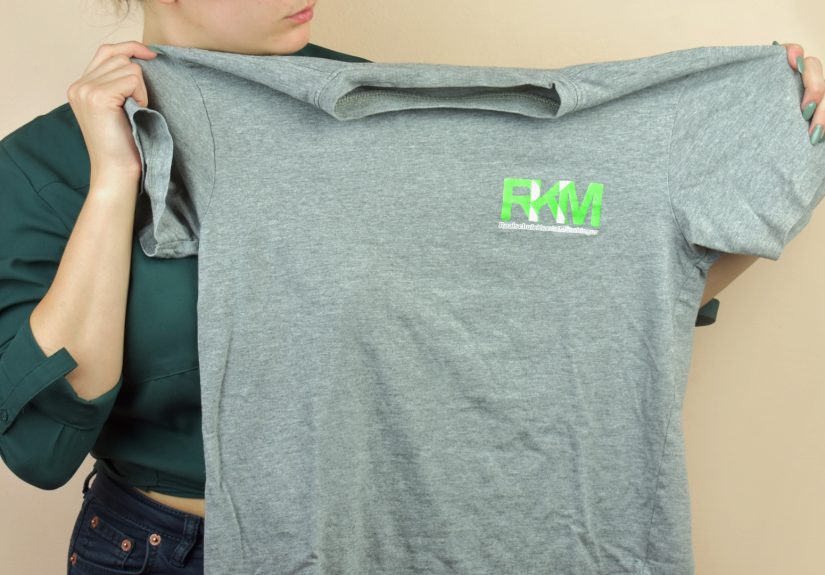
- Hold the shirt by the shoulders with the front facing you.
- Place the neck opening under your chin or around the lower part of your face.
- Pull the body of the shirt upward so the fabric covers your mouth and nose.
- Wrap the sleeves around the back of your head.
- Tie the sleeves in a soft knot, or cross them and tuck them under the shirt fabric.
- Adjust the neck opening so it rests comfortably around the bridge of your nose and cheeks.
This method works best when the neck opening is not too stretched out. A shirt with a relaxed collar may slip down; a shirt with a slightly snug collar can hold better. Just make sure it does not press too tightly around your nose or jaw.
Common Mistakes to Avoid
Do not tie the sleeves so tightly that the fabric presses hard against your face. Do not cover your eyes or limit your side vision. Do not wear this while biking, driving, running hard, or doing anything that requires full visibility and unrestricted breathing. A shirt face covering should help you feel more comfortable, not turn your afternoon walk into a survival documentary with questionable costume design.
How to Choose the Right Shirt
The shirt you choose matters. A soft cotton T-shirt is usually the easiest option because it folds well and feels gentle against the skin. A moisture-wicking athletic shirt can be comfortable in warm weather, although some synthetic fabrics may feel slippery and harder to secure. A long-sleeve shirt gives you more tying options, especially for the sleeve-and-neck loop method.
Avoid dirty shirts, damp shirts with strong odors, or shirts that have been exposed to chemicals, gasoline, pesticides, cleaning sprays, or heavy dust. If the shirt smells like a garage floor, it should not be invited to your face party.
How to Keep It Comfortable
Comfort comes down to three things: fit, fabric, and airflow. The fabric should cover your nose and mouth without pressing tightly against your nostrils. The lower edge should sit under your chin if possible, and the sides should rest against your cheeks. If air gaps are large, the cover may shift around. If there are no gaps at all and breathing feels hard, it is too tight or too thick.
If you are using a shirt outdoors in warm weather, take breaks. Fabric over the face can trap heat and moisture. Step into shade, drink water, and remove the covering when you are safely away from dust, wind, or irritation.
How to Wash a Shirt After Using It as a Face Covering
Once a shirt has been used over your nose and mouth, wash it before wearing it normally again. Sweat, skin oils, pollen, dust, and moisture can build up quickly. Use regular laundry detergent and dry the shirt completely before reuse. If the shirt picked up heavy dirt, smoke odor, or unknown residue, wash it separately or avoid using it again as a face covering.
For people with sensitive skin, fragrance-free detergent may help reduce irritation. A freshly washed shirt is also much nicer to breathe through. Your future self will appreciate not inhaling yesterday’s workout memories.
Practical Examples: When These Methods Help
During Yardwork
If you are sweeping dry leaves, trimming grass, or moving dusty patio furniture, a folded T-shirt wrap can reduce mild irritation from floating dust. It is still smart to wear eye protection if particles are flying around, and you should switch to proper protective gear for heavy dust or chemicals.
On a Windy Walk
Cold wind can sting the nose and cheeks. A sleeve-and-neck loop cover can add warmth for a short walk, especially if you forgot a scarf. Keep it loose enough to breathe normally and remove it if you get too warm.
At the Beach or Park
A shirt can give quick shade to your lower face when the sun feels intense, but it should not replace sunscreen, a wide-brimmed hat, sunglasses, or UPF-rated clothing. The more skin you cover with appropriate sun-protective fabric, the better your overall protection strategy.
What Not to Do
Do not use a shirt face covering to enter hazardous areas, handle chemicals, clean mold, escape smoke, or work around construction debris. Do not wrap the fabric so tightly that it restricts breathing. Do not use a shirt that has been treated with strong cleaners or sprays. Do not share a used shirt face covering with another person. And please, do not choose your most expensive shirt unless you enjoy living dangerously in the laundry department.
Experience Notes: Real-Life Lessons From Using a Shirt as a Face Covering
The first lesson is that not every shirt behaves the same. A thin cotton tee is easy to fold, comfortable to breathe through, and simple to tie. A thick sweatshirt, on the other hand, can feel cozy for about thirty seconds before your face starts wondering why it moved into a sauna. If you are planning to keep an emergency shirt in a backpack or car, choose something lightweight, clean, and soft.
The second lesson is that fit changes everything. A loose shirt pulled over the face may slide down every few steps, which gets annoying fast. A folded wrap with the ends tied behind the head stays better, especially when walking. However, tying it too tightly can create pressure around the nose and ears. The sweet spot is secure but relaxed. You want “comfortable trail walker,” not “low-budget mummy.”
The third lesson is that moisture builds up. When you breathe into fabric, it can become damp, especially in cold weather or during physical activity. A damp shirt may feel heavier and less comfortable. If you are out for a longer time, bring a second clean shirt or switch to a proper scarf, gaiter, or mask designed for the situation.
The fourth lesson is that shirts are best for mild, temporary needs. They are great for a quick dust cloud, chilly breeze, or unexpected sun glare. They are not great for serious smoke, hazardous dust, or anything that makes your throat burn. In those moments, the smartest move is not a better knot. It is getting to cleaner air and using proper protection.
The fifth lesson is about confidence. The first time you wrap a shirt around your face, you may feel slightly dramatic, as if you are about to cross a desert or star in a music video filmed behind a hardware store. That feeling passes quickly when the wind calms down or the dust stops bothering you. Practicality wins. A simple shirt can be a surprisingly helpful tool when used wisely, cleaned afterward, and treated as a temporary solution rather than a permanent safety system.
Conclusion
Learning how to cover your face with a shirt is a small skill, but it can be genuinely useful. The quick collar pull-up works for instant, short-term coverage. The folded T-shirt face wrap offers a more secure option when you have an extra shirt. The sleeve-and-neck loop cover gives better stability and warmth when the weather is windy or cool.
The key is to use common sense. Choose a clean, breathable shirt. Keep the fabric comfortable and easy to remove. Wash it after use. Most importantly, know when a shirt is not enough. For hazardous air, smoke, chemicals, or heavy dust, use proper protective equipment and follow official safety guidance.
A shirt may not be fancy, but in the right moment, it can be the humble hero of your backpack, laundry pile, or “oops, I forgot my scarf” situation.