Table of Contents >> Show >> Hide
- What Is Malted Milk Powder?
- Why Malted Milk Powder Makes Pancakes Better
- How to Add Malted Milk Powder to Pancake Batter
- The Pancake Science Still Matters
- Buttermilk and Malted Milk Powder: A Great Team
- What Toppings Work Best With Malted Pancakes?
- Who Should Avoid Malted Milk Powder?
- Common Mistakes When Using Malted Milk Powder
- Experience Notes: Testing Malted Milk Powder in Real Pancakes
- Conclusion
Note: This article is written for web publishing in standard American English and is based on real cooking science, trusted baking guidance, and practical kitchen experience.
Pancakes already have a pretty convincing résumé. They are soft, golden, cozy, and socially acceptable to eat in stacks, which is more than we can say for most foods. But even the best homemade pancakes can sometimes feel like they are missing something: that warm, nostalgic, “why do diner pancakes taste better than mine?” flavor.
The unexpected ingredient that can fix that problem is malted milk powder. Yes, the same old-school pantry item that gives malted milkshakes their creamy, toasted, soda-fountain charm can also make pancakes taste deeper, richer, and more delightfully diner-like. It does not scream for attention. It does not wear a tiny chef hat. It simply slips into the dry ingredients and quietly upgrades the whole breakfast situation.
If your pancakes often taste fine but forgettable, malted milk powder may be the missing link. It adds gentle sweetness, a toasted grain flavor, creamy dairy notes, and a more rounded finish than plain sugar alone. In other words, it helps pancakes taste less like “flour circles” and more like something you would happily order at a booth with a bottomless cup of coffee.
What Is Malted Milk Powder?
Malted milk powder is typically made from malted barley, wheat, milk powder, and sometimes salt or additional sweeteners, depending on the brand. “Malted” means the grain has been allowed to sprout, then dried. That process develops a distinctive toasted, slightly nutty flavor that works beautifully in baked goods.
It is important not to confuse malted milk powder with diastatic malt powder. Diastatic malt powder contains active enzymes and is more commonly used in bread baking. Malted milk powder, the one you want for pancakes, is usually non-diastatic, meaning it is mainly used for flavor rather than dough development or leavening.
In pancakes, malted milk powder acts like a flavor booster. It does not replace baking powder or baking soda. It will not magically levitate your pancakes like a breakfast-themed superhero. But it can make them taste toastier, creamier, and more balanced.
Why Malted Milk Powder Makes Pancakes Better
The reason malted milk powder works so well is that pancakes are naturally simple. Most basic recipes rely on flour, eggs, milk, fat, baking powder, salt, and sugar. That simplicity is comforting, but it also means the flavor can be a little one-note.
Malted milk powder brings several qualities at once:
1. It Adds Toasty, Diner-Style Flavor
Classic diner pancakes often have a faintly malty, golden flavor that is hard to identify but easy to love. Malted milk powder helps recreate that. The flavor is not loud or candy-like. It is subtle, warm, and slightly nostalgic, almost like toasted bread, vanilla, caramel, and a milkshake had a very responsible breakfast meeting.
2. It Improves Sweetness Without Making Pancakes Taste Sugary
Plain granulated sugar adds sweetness, but not much complexity. Malted milk powder adds sweetness plus flavor. That means you can often replace some or all of the sugar in your pancake recipe with malted milk powder and get a more interesting result.
A good starting point is 1 to 3 tablespoons of malted milk powder per cup of flour. If you prefer a subtle flavor, start with 1 tablespoon. If you want a stronger diner-style pancake, use 2 to 3 tablespoons and reduce or omit the sugar in the recipe.
3. It Encourages Beautiful Browning
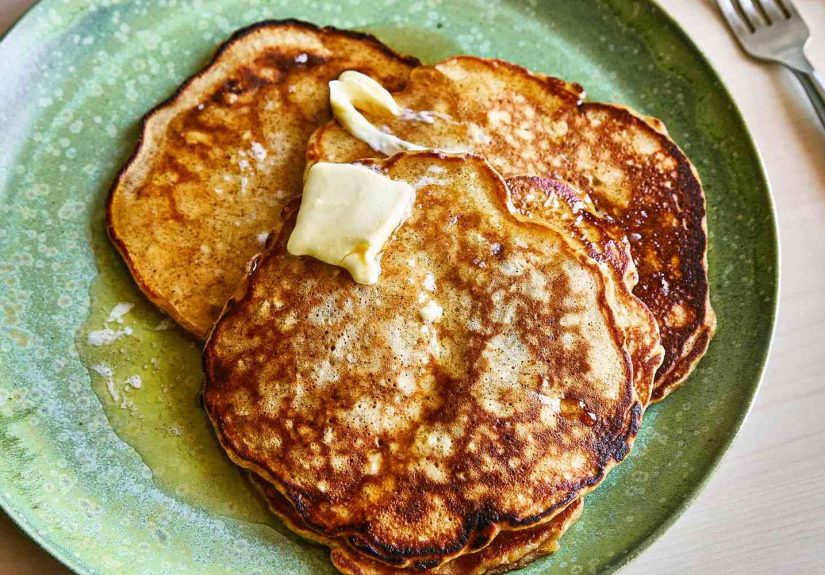
Malted milk powder contains dairy solids and grain-based sugars that can help pancakes brown nicely on the griddle. That golden surface is not just for looks. Browning adds flavor through the same delicious kitchen chemistry that makes toast, waffles, cookies, and roasted foods smell so irresistible.
Of course, browning still depends on heat control. A griddle that is too hot will scorch the outside before the inside cooks. A griddle that is too cool will leave pancakes pale and sad, like they just received disappointing news. Medium heat is usually the sweet spot.
How to Add Malted Milk Powder to Pancake Batter
Adding malted milk powder is wonderfully easy. You do not need a new recipe, a special pan, or a breakfast engineering degree. Just stir it into the dry ingredients.
Basic Ratio
For every 1 cup of all-purpose flour, add:
- 1 tablespoon malted milk powder for a mild flavor
- 2 tablespoons for a clear diner-style upgrade
- 3 tablespoons for a stronger malt flavor
If your recipe already includes sugar, reduce it slightly. For example, if the recipe calls for 2 tablespoons of sugar, you can replace it with 2 tablespoons of malted milk powder. If you like sweeter pancakes, keep a little sugar in the mix, but avoid turning breakfast into cake wearing a maple syrup costume.
Simple Malted Pancake Formula
Here is a flexible example you can adapt:
- 1 cup all-purpose flour
- 2 tablespoons malted milk powder
- 1 teaspoon baking powder
- 1/4 teaspoon baking soda, especially if using buttermilk
- 1/4 teaspoon salt
- 1 large egg
- 1 cup buttermilk or milk
- 2 tablespoons melted butter or neutral oil
- 1 teaspoon vanilla extract, optional but lovely
Whisk the dry ingredients in one bowl and the wet ingredients in another. Pour the wet ingredients into the dry ingredients and stir gently until the batter is just combined. A few lumps are not only acceptable; they are basically tiny insurance policies against tough pancakes.
The Pancake Science Still Matters
Malted milk powder improves flavor, but technique still decides whether your pancakes turn out fluffy or flat. The biggest pancake mistake is overmixing. Once flour meets liquid, gluten begins to develop. Some gluten structure is helpful, but too much makes pancakes chewy, rubbery, and dense.
That is why pancake batter should not be perfectly smooth. If you whisk until every lump disappears, you may also whisk away tenderness. Stir until no large dry streaks remain, then stop. Put the spoon down. Step away from the bowl. The batter does not need a motivational speech.
Let the Batter Rest Briefly
A short rest of 5 to 10 minutes gives the flour time to hydrate and helps the batter settle. This can lead to more even cooking and a softer texture. Do not rest the batter for too long after adding chemical leaveners, especially if the recipe relies heavily on baking soda and buttermilk, because some bubbling action begins right away.
Use the Right Heat
Cook pancakes over medium heat on a lightly greased griddle or skillet. The surface is ready when a drop of water sizzles gently. If it vanishes instantly, the pan is too hot. If it sits there like it is thinking about retirement, the pan is too cool.
Flip pancakes when bubbles form on the surface and the edges look slightly set. Flip once, not repeatedly. Pancakes are breakfast, not a tennis match.
Buttermilk and Malted Milk Powder: A Great Team
Buttermilk is another famous pancake helper. Its acidity reacts with baking soda to create bubbles, which can make pancakes lighter. It also adds tangy flavor and helps create a tender crumb.
Malted milk powder and buttermilk do different jobs. Buttermilk supports texture and tang. Malted milk powder adds toasted sweetness and depth. Together, they create pancakes that taste more complete: fluffy, golden, lightly tangy, and warmly malty.
If you do not have buttermilk, regular milk still works. You can also use milk with a little lemon juice or vinegar as a quick substitute, although the flavor may not be exactly the same. The malted milk powder will still bring the diner-style personality.
What Toppings Work Best With Malted Pancakes?
Malted pancakes are flexible. Their toasty flavor pairs well with classic and creative toppings. Maple syrup is the obvious choice, and frankly, it has earned the job. But there are other excellent options too.
Classic Toppings
- Maple syrup and butter
- Fresh strawberries or blueberries
- Sliced bananas
- Whipped cream for a brunch-style treat
- A light dusting of powdered sugar
Flavor-Forward Toppings
- Peanut butter and banana
- Greek yogurt and honey
- Toasted pecans or walnuts
- Chocolate chips for a malt-shop vibe
- Berry compote with lemon zest
Because malted milk powder already adds sweetness, you may not need as much syrup as usual. Try the first bite with only butter or fruit. You might be surprised by how flavorful the pancake itself has become.
Who Should Avoid Malted Milk Powder?
Malted milk powder is not suitable for everyone. Because it commonly contains barley, wheat, and milk, it is not appropriate for people who need to avoid gluten or dairy. It is also not vegan. Anyone with food allergies should read labels carefully because ingredients vary by brand.
Also, malted milk powder can contain added sugar. If you are watching added sugar intake, use it as a replacement for sugar rather than an extra scoop of sweetness. Pancakes can absolutely be part of a balanced breakfast, especially when served with fruit, yogurt, nuts, or eggs, but syrup plus sweetened batter plus candy toppings can quickly turn the plate into dessert with a sunrise appointment.
Common Mistakes When Using Malted Milk Powder
Using Too Much
More is not always better. Too much malted milk powder can make pancakes overly sweet or slightly heavy. Start with 1 or 2 tablespoons per cup of flour and adjust from there.
Forgetting to Reduce Sugar
If you add malted milk powder on top of the full amount of sugar, the pancakes may taste sweeter than expected. Replace some sugar instead of simply adding more sweetness.
Using Diastatic Malt Powder by Mistake
Diastatic malt powder is not the same thing. For pancakes, look for malted milk powder, often sold near hot cocoa, baking ingredients, or powdered drink mixes.
Overmixing the Batter
This mistake can ruin even the best ingredient upgrade. Stir gently, accept the lumps, and let your pancakes be pancakes.
Experience Notes: Testing Malted Milk Powder in Real Pancakes
The first time I tried malted milk powder in pancakes, I expected a dramatic transformation, the kind where the batter glows and a tiny diner bell rings somewhere in the distance. That did not happen. What happened was quieter and better: the pancakes tasted more complete. The flavor had a warm, toasted edge that made plain pancakes seem slightly unfinished by comparison.
I started with a basic pancake recipe: flour, baking powder, salt, one egg, milk, melted butter, and a little sugar. The control batch was perfectly fine. It was the kind of pancake that politely accepts syrup and does not cause trouble. Then I made the same recipe again, replacing the sugar with 2 tablespoons of malted milk powder per cup of flour. The difference was immediate when the pancakes hit the pan. They browned a little more evenly, and the kitchen smelled like someone had opened a tiny breakfast diner next to a milkshake counter.
The taste test was even more convincing. The malted version had a soft sweetness, but it did not taste sugary. It had a mild caramel-like flavor and a creamy finish that made butter and maple syrup taste even better. The pancake itself finally had personality. Not too much personality, thankfully. Nobody wants a pancake that starts a podcast. But enough personality to make every bite more interesting.
One useful lesson was that malted milk powder works best when the rest of the batter is treated gently. In one test, I got impatient and whisked the batter until it was smooth. The flavor was still good, but the texture became flatter and slightly chewy. In another batch, I left small lumps and let the batter rest for about 7 minutes. Those pancakes rose better and had a softer crumb. The ingredient helped the flavor, but the technique protected the texture.
I also found that buttermilk and malted milk powder make a particularly strong pair. With regular milk, the pancakes tasted sweet, round, and toasty. With buttermilk, they had more lift and a pleasant tang that kept the sweetness from feeling heavy. That batch was the winner: golden edges, fluffy centers, and enough flavor that syrup became optional rather than mandatory.
As for toppings, fresh berries were the best everyday choice. Blueberries added brightness, strawberries added freshness, and bananas leaned into the malt-shop feeling. Chocolate chips were delicious too, though definitely more “weekend celebration” than “responsible Tuesday.” Toasted pecans were another surprise hit because their nutty flavor echoed the malted notes in the pancake.
The biggest practical takeaway is simple: malted milk powder is a small change with a big payoff. You do not need to overhaul your recipe. You do not need restaurant equipment. You just need to replace some sugar with a spoonful or two of malted milk powder and avoid overworking the batter. The result is a pancake that tastes warmer, deeper, and more memorable. It is still homemade, but with a little diner magic tucked into the mix.
Conclusion
The unexpected ingredient that makes pancakes even better is malted milk powder. It adds toasty sweetness, creamy depth, better browning, and that nostalgic diner-style flavor many home cooks chase but cannot quite name. Used correctly, it does not overpower the batter. It simply makes pancakes taste more like themselves, only happier.
For best results, add 1 to 3 tablespoons of malted milk powder per cup of flour, reduce the sugar, mix gently, rest the batter briefly, and cook over steady medium heat. Pair it with buttermilk if you want extra tenderness and lift. Keep the toppings simple, and let the upgraded pancake shine.
In the grand breakfast universe, malted milk powder is not the loudest ingredient. It is not trendy, dramatic, or covered in edible glitter. But it is dependable, flavorful, and surprisingly powerful. And sometimes, that is exactly what a stack of pancakes needs.