Table of Contents >> Show >> Hide
- The Viral Post That Said What So Many Moms Were Thinking
- Why Popping In on a New Mom Isn’t the Sweet Gesture You Think It Is
- The Hidden Costs of Too Many Visitors
- What Experts Say About Visitors After Birth
- If You’re the New Parent: How to Set Visitor Rules Without Feeling Like the Villain
- If You’re the Friend or Relative: How to Be the MVP Instead of the Chaos Bringer
- Why Posts Like This Go Viraland Why That Matters
- Conclusion: The Kindest Thing Might Be to Stay Away (For Now)
- Real-Life Experiences and Takeaways from the Postpartum Front Lines
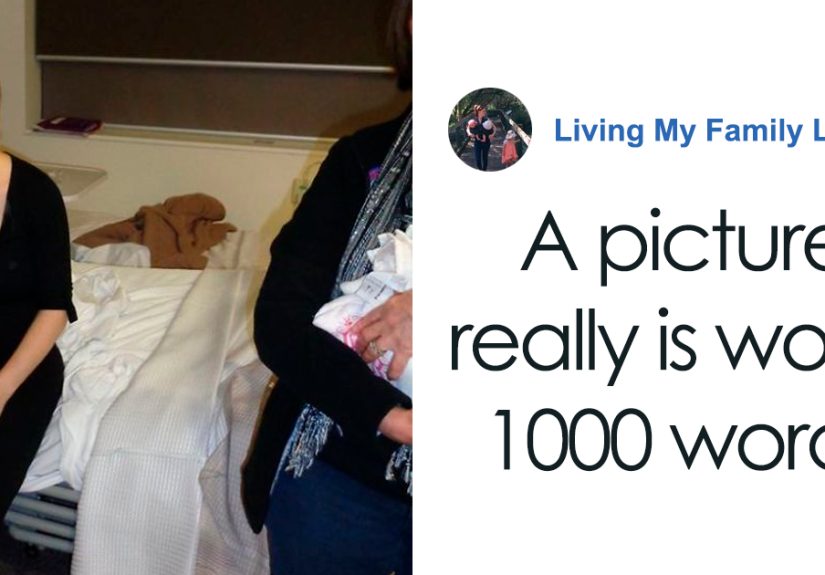
If you’ve ever sprinted to the hospital the minute a baby was born, balloons in one hand and phone in the other, this article is for you. A few years ago, a mom named Katie Bowman shared a now-famous photo of herself sitting on a hospital bed, looking utterly wiped out while visitors buzzed around her newborn. Her caption was basically one long, exhausted plea: please stop treating those first hours after birth like an open house.
The post went viral because it hit a nerve. Thousands of women commented that they, too, had smiled politely while secretly wishing everyone would just leave so they could rest, bleed in peace, and figure out breastfeeding without an audience. That one photo, later picked up by sites like Bored Panda and parenting outlets, turned into a bigger conversation about postpartum boundaries, mental health, and what “support” really looks like for a new mom.
So let’s talk about why that viral post is still so relevant, what experts say about visiting someone who just gave birth, and how we can all do betterwhether we’re the ones recovering from birth or the ones dying to snuggle the baby.
The Viral Post That Said What So Many Moms Were Thinking
In Bowman’s photo, she’s perched on the edge of her hospital bed after a long, difficult labor. Her face says it all: tired, dazed, and clearly not okay with the number of people in the room. In interviews later, she explained that she hadn’t even realized she could ask visitors to wait. She thought it was just “what you do” after birthopen the doors and host a steady stream of guests while your body is in full-on recovery mode and your brain is running on fumes.
The response was overwhelming. Tens of thousands of shares and comments poured in, many from moms who described nearly identical scenes: groups of relatives, coworkers, and friends crowding into the hospital room while the new mother was still shaking from labor, unsure how to breastfeed, or trying not to cry from sheer exhaustion. The message was clear: new moms are grateful for your excitementbut they also need you to calm down, take a beat, and respect their recovery.
Why Popping In on a New Mom Isn’t the Sweet Gesture You Think It Is
Birth Is a Major Medical Event, Not a Meet-and-Greet
We romanticize birth as this glowing, magical moment. And yes, it can be beautifulbut it’s also a medically intense process. Many moms have stitches, C-section incisions, heavy bleeding, swelling, or complications that make even sitting up painful for days or weeks. Some are dealing with blood pressure issues, anemia, or surgery recovery.
Now add in eight people talking at once, taking pictures, passing the baby around, and asking, “So when are you going home?” It’s like hosting a party while your body is writing a strongly worded complaint.
New Moms Are Physically and Emotionally Raw
Right after birth, hormone levels shift dramatically. Many women feel teary, anxious, or emotionally fragile. The first days are critical for bonding, skin-to-skin contact, and establishing breastfeeding. Too many visitors can interrupt feeds, make mom feel self-conscious about nursing, and push her to perform (smile! pose! be social!) instead of resting.
Medical and mental health experts who work with postpartum parents increasingly emphasize that rest, low stress, and time to adjust are not luxuriesthey’re health needs. Constant socializing in that period can contribute to overwhelm and, in some cases, may worsen anxiety or postpartum mood symptoms.
Newborns Are Vulnerable
As adorable as baby cuddles are, newborn immune systems are still developing. That doesn’t mean no one can ever visit, but it does mean that limiting early visitors, avoiding sick people, and enforcing hygiene rules (hello, handwashing) are basic safety measures. Flu, RSV, and COVID aren’t just “little colds” for a brand-new baby.
The Hidden Costs of Too Many Visitors
When we zoom out from the viral photo, we see a pattern: the pressure to be a “gracious host” can leave new moms feeling unseen and unsupported. Here’s what can be hiding behind all those well-meant visits:
- Interrupted sleep: Moms are told to “sleep when the baby sleeps,” but that’s impossible when people keep dropping by.
- Delayed healing: Getting in and out of bed to greet visitors, sitting upright for long stretches, or hosting for hours can slow recovery.
- Breastfeeding stress: Many moms feel uncomfortable nursing in front of a room full of people. That leads to delayed feeds, awkward pumping, or trying to latch a newborn under a blanket while Aunt Carol narrates.
- Emotional overload: Mom might feel guilty for wanting space, ashamed for not being “happy enough,” or resentful that her needs keep coming last.
- Loss of privacy: There’s nothing quite like trying to manage mesh underwear, ice packs, and a hospital gown while coworker Steve admires the baby.
No wonder posts like Bowman’s strike a chord. They finally say out loud: “Your excitement is wonderful. Your timing, however… could use some work.”
What Experts Say About Visitors After Birth
Pediatricians, OB-GYNs, therapists, and postpartum doulas increasingly echo the same message: it’s okayand often wiseto limit visitors in the early days and weeks.
Common recommendations include:
- Prioritizing only a tiny circle of people who genuinely help (partner, a parent, maybe one close friend).
- Scheduling visits rather than allowing drop-ins.
- Asking visitors to skip if they’re even slightly sick.
- Making “short and sweet” the default, not the exception.
Mental health professionals also emphasize boundary-setting as a core part of postpartum self-care. Saying “not yet,” “not today,” or “we’re only up for a 20-minute visit” is not rudeit’s protective. Your job is not to entertain other people. Your job is to heal and care for your baby.
If You’re the New Parent: How to Set Visitor Rules Without Feeling Like the Villain
Of course, knowing you can say no and actually doing it are two very different things. Many new parents worry about hurting feelings or causing drama. Here are some practical ways to adopt the spirit of that viral post without starting a family group chat meltdown.
1. Decide Your Rules Before the Baby Arrives
Talk to your partner during pregnancy about visitor expectations. Questions to consider:
- Do you want anyone at the hospital besides your partner?
- How soon do you want extended family to visitfirst week, or later?
- Do you want a “no visitors for X days” rule?
- How long should visits last?
Once you agree, present it as “our plan,” not just “what mom wants,” so you both share the emotional load of enforcing it.
2. Use Scripts (So You’re Not Scrambling Mid-Contraction)
It can help to prepare simple, polite phrases ahead of time, such as:
- “We’re not doing hospital visitors, but we’ll let you know when we’re ready for you to meet the baby.”
- “We need some quiet time to recover and bond. We’re planning short visits only, about 20–30 minutes.”
- “We’re not up for visitors yet, but we’d love help later with meals or errands.”
You can send these via text, group chat, or email. Think of it as a mini boundary-setting press releaseclear, kind, and firm.
3. Turn Visitors into Actual Help
If you’re okay with visitors but don’t want to feel like a cruise director, be specific about what would help:
- “If you visit, could you bring a meal and throw a load of laundry in?”
- “We’d love for you to come by, but please plan on staying less than an hour so I can rest.”
- “We’re not passing the baby around yet, but you’re welcome to come hang out and help with dishes.”
People are often relieved to be told exactly how to support you. And if they’re not? That’s information you can use later when deciding who gets early access next time.
4. Protect Your Mental Health Like It’s Another Baby
If you’re feeling anxious, overwhelmed, or low, that’s a signal to tighten the visitor list, not expand it. Reach out to your provider if your mood feels off for more than a couple of weeks, or if you’re struggling to function. Rest, quiet, and fewer expectations are part of healing, not indulgences you have to earn.
If You’re the Friend or Relative: How to Be the MVP Instead of the Chaos Bringer
Okay, now let’s flip this around. You’re not the new parent; you’re the excited grandparent, best friend, or coworker who’s been counting down the days. How do you show love and excitement without steamrolling the very person who just did the physically impossible?
1. Don’t Invite Yourself
This is the golden rule: wait to be invited. Don’t text “We’re in the lobby!” or “We’re coming over!” Ask first: “When would be a good time to visitor would you prefer we wait a bit?” And accept the answer gracefully.
2. Keep It Short and Low-Maintenance
When you do visit, think ninja, not houseguest. Arrive on time. Wash your hands. Don’t ask for coffee, food, or a tour. Don’t stay until the baby cries for the third time. A quick visit with real help is worth ten long visits where mom has to play host.
3. Focus on the Parents, Not Just the Baby
Yes, the baby is adorable. We all know. Compliment the babybut also check in on the parents. Ask how they’re feeling. Offer practical help. Remember that behind every cute newborn photo is a human adult who probably hasn’t slept more than an hour in a row.
4. Respect Their Rules Without Debate
If they say “no kissing the baby,” “masks, please,” or “no visitors yet,” the correct response is: “Got it. Thanks for telling us what you need.” That’s it. No lectures about how “we didn’t do this in my day” or “you’re being dramatic.” Their baby, their recovery, their rules.
Why Posts Like This Go Viraland Why That Matters
When Bowman’s postand others like itspread across social media, it wasn’t just because people love a good viral rant. It struck a cultural nerve. For generations, new moms have been told to be grateful, smile, and never inconvenience anyone. Social media gave them a public place to say, “Actually, this doesn’t work for us.”
Viral posts about postpartum boundaries do three powerful things:
- Normalize saying no: When thousands of women comment “same,” it becomes harder to dismiss their needs as “overreacting.”
- Educate well-meaning relatives: People who truly didn’t realize they were adding stress suddenly see the situation through the mom’s eyes.
- Shift expectations for the next generation: New parents coming up now are more likely to set visitor rules early because they’ve seen others do it.
In that sense, a Bored Panda-style story about a tired mom on a hospital bed is more than clickbait. It’s a mini social movement in photo form.
Conclusion: The Kindest Thing Might Be to Stay Away (For Now)
“Don’t visit someone who just gave birth” sounds harsh at first, especially if you’re bursting with joy over the new baby. But what that viral post really says is this: visit when your presence will help, not when it will drain.
If you’re a new parent, you’re allowed to set limits, close your door, and take time to heal. If you’re a friend or family member, the most loving thing you can do might be sending a meal, a text, and a promise: “We’ll be here when you’re ready.”
The newborn days are short. The group photos can wait. Protecting a new mom’s peace is one of the best gifts you can giveright after diapers and maybe a giant insulated coffee mug.
Real-Life Experiences and Takeaways from the Postpartum Front Lines
To really understand why “no visitors” is more than a dramatic slogan, it helps to look at how this plays out in real life. If you’ve ever felt torn between wanting your village and wanting everyone to disappear, you’re not alone.
Case 1: The Unofficial Hospital Open House
Imagine a first-time mom who labored for 26 hours, ended up with an emergency C-section, and finally meets her baby at 3 a.m. By 10 a.m., her phone is buzzing: “We’re on our way!” “Can we bring the kids to meet the baby?” “We’ll swing by during lunch!” By evening, she’s posed for more pictures than a prom queen, hasn’t eaten a full meal, and has tried to breastfeed three times with at least one extra adult in the room every single time.
Later, when she sees Bowman’s viral photo, she feels a jolt of recognition. That’s exactly what it looked like for heronly no one took a picture of her staring at the door, silently wishing the room would clear. For moms like her, posts like this are validating. They give language to an experience many women have been taught to swallow.
Case 2: The Second-Time Mom Who Does It Differently
Now picture a mom having her second baby. She remembers how chaotic it was the first time, so during pregnancy she sends out a group message: “We love you all and can’t wait for you to meet the baby. For the first two weeks, though, we’re not doing any visitors. After that, we’ll schedule short visits when we’re ready.”
Is there some grumbling? Of course. A few relatives take it personally. But once the baby arrives, something magical happens: the house is quiet. She naps when the baby naps. Her partner takes turns doing skin-to-skin contact without an audience. Breastfeeding gets off to a smoother start. Instead of worrying about outfits and visitors, she’s worrying about exactly one thing: learning her new baby.
When she finally invites people over, she feels more like herself. She’s recovered enough to sit comfortably. She’s confident about feeding. And because she set expectations early, the visits are shorter, more relaxed, and actually enjoyable.
Case 3: The Friend Who Gets It Right
We don’t talk enough about the good visitorsthe ones who show up like postpartum angels. This friend texts: “No pressure to respond, but I’d love to drop a meal on your porch this week. If you ever want a quick visit, you can invite me when you’re up for it.”
When she finally comes over, she doesn’t ask to hold the baby first. She asks where the trash bags are. She washes a few dishes, switches the laundry, and tells the new mom she’s doing a great job. She stays 30 minutes, not three hours. She doesn’t take a photo unless asked. She sends a follow-up text later: “If you ever want to talk or need a break, I’m here. No expectation to reply.”
For many new parents, this kind of low-pressure presence is life-giving. It respects the reality that postpartum life is messy, unpredictable, and deeply personal.
The Big Lesson from the Viral Post
Across all of these stories, one theme stands out: good intentions aren’t enough. Visitors may truly love the baby and the parents, but love doesn’t automatically translate into support. Thoughtful timing, clear boundaries, and real help do.
Bowman’s viral postand countless other stories like ithave helped shift the script. Instead of asking, “How fast can we get to the hospital?” more people are asking, “How can we support you in the way that feels best to you?” That tiny shift in mindset turns visits from something parents endure into something they can genuinely appreciate.
If you’re a new mom reading this, consider that viral post your permission slip: you’re allowed to say, “Not yet.” If you’re a would-be visitor, consider this your cheat code: the best way to love new parents might start with staying home a little longer, showing patience, and letting them decide when the door should open.