Table of Contents >> Show >> Hide
- What Is Plentiful Organic Potting Mix?
- Why Organic Potting Mix Matters in Container Gardening
- What Makes Plentiful Different from Traditional Potting Mixes?
- Best Uses for Plentiful Organic Potting Mix
- How to Get the Best Results with Plentiful
- What the Growing Experience Is Usually Like
- Final Thoughts
- Extended Experience Notes: What Gardeners Tend to Notice Over Time
If you have ever opened a bag of potting mix and thought, “Wow, this smells like a swamp and weighs about as much as my future,” Plentiful Organic Potting Mix may sound like a breath of fresh greenhouse air. Marketed under the PittMoss name, Plentiful is a peat-free, organic potting mix designed for gardeners who want healthy roots, lighter bags, and a more sustainability-minded alternative to old-school container media. That is a pretty appealing trio, especially when your spring planting list is long and your back is not getting any younger.
What makes this mix interesting is not just the organic label. Plenty of bags throw around the words natural, organic, and premium like confetti at a garden center grand opening. Plentiful stands out because it is built around recycled paper fiber, organic bark, and organic nutrient sources rather than peat as the main foundation. For container gardeners, that matters. A good potting mix has one job: create a root zone that holds moisture and nutrients without turning into a soggy brick. When the mix gets that balance right, plants settle in faster, roots spread better, and watering becomes less of a daily hostage negotiation.
This article takes a close look at what Plentiful Organic Potting Mix is, how it compares with what gardeners usually buy, where it shines, where it needs smart management, and what real growing experiences with a mix like this tend to teach you. In other words, this is not a sales pitch in a flowerpot. It is a practical guide for anyone wondering whether Plentiful is the right organic potting mix for houseplants, vegetables, herbs, flowers, or container gardening in general.
What Is Plentiful Organic Potting Mix?
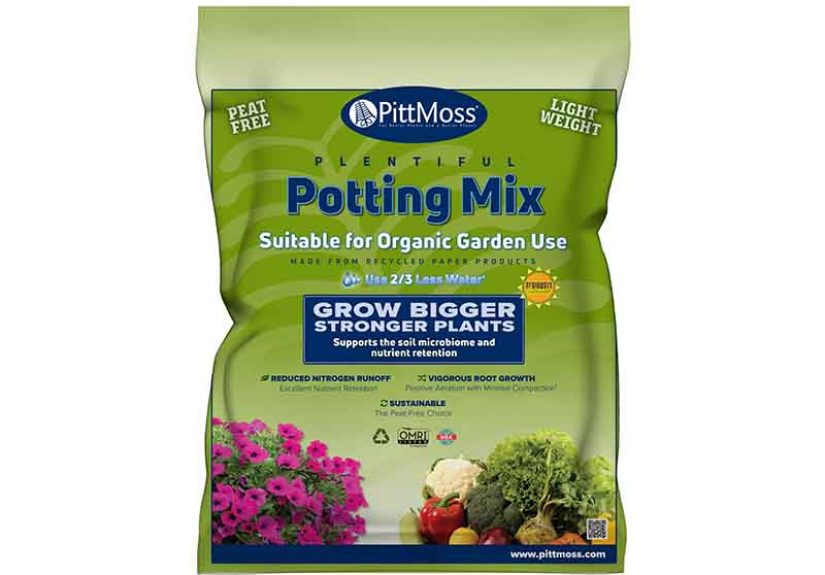
Plentiful Organic Potting Mix is a soilless, peat-free growing medium made primarily from engineered recycled paper fibers blended with organic bark and fortified with organic nutrient ingredients. The product is also marketed as OMRI Listed, which is a meaningful signal for organic-minded growers because OMRI reviews products for suitability under organic standards. For home gardeners, that does not mean the bag is magical. It means the mix was formulated with organic use in mind rather than as a standard conventional potting blend dressed up in earthy colors and wishful thinking.
On the ingredient side, Plentiful is notable because it leans heavily on paper fiber, then adds bark and nutrient sources such as poultry manure, bovine compost inoculates, and feather meal. That combination is meant to create a medium that is airy, absorbent, and biologically active while still supplying an initial nutrient charge. In plain English, the mix tries to do three things at once: give roots oxygen, hold water without drowning them, and provide enough food to get plants started without immediate heavy feeding.
That basic formula lines up with what university extension guidance says gardeners should want from a container mix. Potting media for containers should be lightweight, porous, able to hold water and nutrients, and still drain well enough to keep roots healthy. That is why quality potting mixes usually include ingredients such as bark, peat, coir, compost, perlite, and vermiculite. Garden soil, topsoil, and random dirt from the backyard usually fail in containers because they compact too easily and reduce the air space roots need. Plants like moisture, yes. They do not want to snorkel.
Why Organic Potting Mix Matters in Container Gardening
Roots Need Air Just as Much as Water
One of the biggest mistakes gardeners make is treating pots like mini garden beds. They are not. A container is its own weird little universe. Water drains differently, heat builds faster, and roots are stuck living wherever you put them. In the ground, soil has depth and room for excess moisture to move away. In a pot, the mix has to create that drainage and aeration on its own. That is why soilless potting media are usually recommended for containers instead of dense field soil.
Plentiful makes sense in this context because its paper-fiber structure is designed to create pore space. More pore space generally means better oxygen around the roots and a lower chance of compaction when compared with heavy, muddy mixes. That does not eliminate overwatering, but it does give gardeners more room for error. And let us be honest, “room for error” is the unofficial sponsor of home gardening.
Organic Does Not Mean “Set It and Forget It”
Another useful reality check: an organic potting mix is not a lifetime buffet for your plants. Organic nutrient sources tend to release more gradually than synthetic fertilizers. That is often a benefit, especially for gardeners trying to avoid harsh salt buildup or quick growth followed by a dramatic crash. But it also means nutrient-demanding plants, especially tomatoes, peppers, cucumbers, and fast-growing annual flowers, may need supplemental feeding once they settle in and start growing hard.
That is true for Plentiful as well. Its nutrient charge can carry smaller or shorter-term plantings for a while, but heavy feeders will eventually want more. Think of it as a very good breakfast, not an all-inclusive resort.
What Makes Plentiful Different from Traditional Potting Mixes?
The first major difference is peat-free composition. Many traditional all-purpose mixes rely heavily on peat moss. Peat has long been valued because it holds water well and creates a useful texture in potting media. At the same time, peat harvesting raises environmental concerns, and more gardeners have started looking for alternatives. That shift has opened the door for coir-based mixes, bark-heavy blends, compost-amended products, and newer alternatives like fiber-based media.
Plentiful fits squarely into that peat-free trend. If your gardening style includes reading ingredient labels instead of just buying the bag with the happiest tomato picture, this is where the product earns attention. It is not just “organic”; it also offers a different material system than the peat-dominant mixes lining most shelves.
The second difference is water behavior. According to product guidance, the mix is engineered to absorb, move, and release water efficiently. In real container terms, that means the mix is trying to wick moisture through the root zone instead of creating wet clumps in one place and bone-dry pockets in another. Gardeners who have struggled with hydrophobic bagged mixes know the pain: water hits the top, races down the side of the pot, and the center stays dry like it is avoiding commitment. A mix with better rewetting and moisture movement can make container care much easier.
The third difference is lightweight handling. This sounds boring until you carry a few pots across a patio in July. Lightweight media are easier to move, easier to use in hanging baskets or balcony containers, and often more practical for indoor plant lovers who occasionally repot on a kitchen floor while pretending that spilled mix is “part of the process.”
Best Uses for Plentiful Organic Potting Mix
Plentiful is most at home in containers. That includes patio vegetables, porch planters, houseplants, window boxes, hanging baskets, herb pots, and decorative annual containers. It can also be useful when blending into heavier mixes to improve structure and aeration. Product guidance suggests it can be incorporated at meaningful rates into other media, which makes sense if you are trying to loosen up a dense bagged mix or create a custom container blend.
It is especially appealing for:
- Gardeners who want a peat-free organic potting mix
- Container growers who struggle with heavy, soggy bagged media
- Herb and flower gardeners who want better airflow around roots
- Houseplant owners looking for a lighter, cleaner-feeling mix
- Organic-minded growers who care about ingredient transparency
Where should you be a little cautious? Massive raised beds and in-ground garden filling are not the sweet spot for most potting mixes, including specialty organic ones. Raised beds typically want more mineral soil and compost balance, while potting media are formulated for the very different physics of containers. Using premium container mix to fill a huge raised bed is a little like using sparkling water to mop the garage. Technically possible, financially questionable.
How to Get the Best Results with Plentiful
1. Use the Right Container
Even the best organic potting mix cannot rescue a container with poor drainage. Choose pots with drainage holes, and skip the old myth about adding rocks to the bottom. That does not improve drainage; it can actually increase waterlogging in the root zone. A good container plus a porous mix is the winning combination.
2. Do Not Pack It Down Like Brown Sugar
One of the easiest ways to ruin good potting media is to compact it during filling. Potting mixes work because of their pore space. Pressing, stomping, or aggressively tapping the container reduces those air pockets. Fill the pot gently, level it, and let watering settle the mix naturally. Your roots want fluffy, not bricklike.
3. Watch the Moisture, Not Just the Surface
With a mix like Plentiful, the surface can look dry while the root zone below still holds useful moisture. That is why the finger test matters. Push a finger a couple of inches into the mix before watering again. If it still feels moist below the surface, hold off. If it is dry deeper down, water thoroughly until excess runs out the drainage holes.
4. Feed Heavy Feeders on Schedule
Herbs, leafy greens, and many houseplants may cruise along nicely for a while with the nutrients already in the mix. Fruiting crops and vigorous summer annuals usually need extra fertility sooner. Use an organic liquid or granular fertilizer that fits the crop and follow label directions. In containers, plants use up nutrients faster than many gardeners expect.
5. Match the Mix to the Plant
Plentiful is versatile, but not every plant wants exactly the same moisture profile. Mediterranean herbs like rosemary and thyme prefer drier conditions than basil, coleus, or impatiens. Tropical houseplants may love the moisture balance, while succulents may need extra grit or a sharper-draining cactus blend. The smartest growers do not ask, “Is this mix good?” They ask, “Is this mix right for this plant?”
What the Growing Experience Is Usually Like
Now for the part gardeners actually care about: what does living with a mix like this feel like day to day?
With herbs, the experience is usually encouraging right away. Basil, parsley, dill, and chives often transplant easily into a light, airy medium because roots can spread without fighting compaction. When the mix has good moisture distribution, seedlings tend to settle in faster after transplanting. You water thoroughly, the plants sulk for a day because they are dramatic, and then they start acting like they own the patio.
For flowers, the biggest practical difference is often handling. Lightweight organic potting mix is easier to use in hanging baskets and mixed containers, especially when you are filling several pots in one session. The mix feels less like hauling wet cement and more like working with something intentionally designed for containers. That may sound like a small thing, but convenience affects whether gardeners keep doing the smart stuff consistently. The easier a mix is to handle, the more likely you are to repot on time, refresh seasonal containers, and avoid the “I’ll do it next weekend” delay that somehow lasts until August.
Tomatoes and peppers are where experience gets more interesting. Early growth in a porous organic mix can be strong because roots get both air and moisture, which encourages establishment. But later in the season, these crops get hungry. Gardeners often love the structure of the mix and then realize the plant is asking for a lot more nutrition once flowering and fruiting take off. That is not a flaw unique to Plentiful; it is a normal part of container vegetable gardening. The lesson is simple: if your tomato plant looks like it is auditioning for a fainting scene, check feeding and watering before you blame the potting mix.
Houseplants are another area where a mix like Plentiful can be a pleasant surprise. Many indoor growers battle overly dense commercial mixes that stay soggy too long, especially in decorative pots with limited airflow. A lighter organic medium can reduce that swampy feeling around the roots. Growers often notice that repotted plants feel easier to manage because the mix rewets better and does not collapse into a heavy mass after a few waterings. That said, the top can dry visually before the lower root zone does, so appearance alone is not the best watering guide.
There is also a broader experience many sustainability-minded gardeners appreciate: the emotional side of using a peat-free mix. It feels good to choose a product built around recycled inputs rather than defaulting to whatever is stacked nearest the checkout. No, your petunias will not stand up and clap. But if your gardening style includes caring about materials as much as results, that ingredient story adds real value.
And then there is the most honest experience of all: learning your own watering rhythm. Every potting mix, no matter how premium, eventually becomes a partnership between the medium, the plant, the container, the weather, and the human holding the watering can. A mix like Plentiful can make that partnership easier by offering better structure, reasonable moisture retention, and an organic nutrient base. But it still rewards attention. In cool spring weather, it may hold moisture longer than you expect. In midsummer on a sunny deck, even a moisture-friendly mix may dry quickly in small pots. Gardeners who do best with it are the ones who observe rather than assume.
So the lived experience of Plentiful Organic Potting Mix is usually not one dramatic miracle. It is a collection of smaller wins: easier handling, cleaner texture, healthier root conditions, less compaction, and more confidence in what is actually inside the bag. For many gardeners, that is more useful than a flashy promise. Plants do not need hype. They need a root zone that works.
Final Thoughts
Plentiful Organic Potting Mix is a smart option for gardeners who want a peat-free, organic potting mix that performs well in containers and aligns with modern concerns about sustainability, clean ingredients, and root health. Its fiber-based structure, organic nutrient charge, and lighter texture make it especially appealing for herbs, flowers, houseplants, and container vegetables. The product is not a shortcut around basic plant care, but it does give gardeners a strong foundation.
If you are tired of dense bagged soil that turns pots into root prisons, Plentiful is worth serious consideration. Just pair it with good drainage, thoughtful watering, and timely feeding for hungry plants. Do that, and you are not just buying potting mix. You are buying fewer gardening headaches, and frankly, those are always in season.
Extended Experience Notes: What Gardeners Tend to Notice Over Time
After a few weeks, one of the most common observations with a mix like Plentiful is that plants seem easier to “read.” In dense or uneven potting soils, it can be hard to tell whether a plant looks stressed because it is too wet, too dry, underfed, or just offended by the weather. In a more consistent, airy mix, plant responses are often clearer. If leaves droop, the cause is usually easier to track. That may not sound glamorous, but it is incredibly useful. Gardening gets simpler when the root zone is not sending mixed signals like a confusing text message.
Another frequent experience shows up during repotting season. Gardeners moving plants from nursery pots into larger containers often notice that roots begin exploring the new mix quickly when the medium is loose and oxygen-rich. Instead of circling tightly at the edges for too long, roots often branch outward into the surrounding material. That matters because a well-colonized root ball gives the plant more resilience during heat, skipped waterings, and growth spurts. Strong roots are basically the quiet overachievers of the gardening world. They do not get compliments, but they carry the whole operation.
Summer container gardening also reveals how much the mix influences routine. People using very heavy media sometimes end up watering more awkwardly, not less. Water may sit on top, run down channels, or leave pockets untouched. A more absorbent, better-structured mix can make watering feel more predictable. You water deeply, let the excess drain, and trust that the moisture actually moved through the pot instead of performing a brief cameo on the surface and disappearing. Over time, that predictability is what makes gardeners stick with a product.
For edible gardening, especially herbs and patio vegetables, the experience tends to be best when gardeners treat the mix as a foundation rather than the entire strategy. Basil in a sunny container may thrive with very little drama. Cherry tomatoes, on the other hand, often start happy and then begin asking for regular fertilizer once they flower heavily. Peppers may appreciate the aeration but still want consistent feeding and warm temperatures. Lettuce may love the moisture balance in spring and then bolt the moment summer decides to show off. In other words, the mix can improve the growing environment, but plant personality still matters. Some crops are easy roommates. Others are divas with fruit.
There is also a long-game experience worth mentioning: confidence. Once gardeners have a few successful containers with a reliable organic mix, they usually become more adventurous. They try mixed herb planters, edible flowers, indoor tropicals, dwarf peppers, or a balcony tomato they once thought was too fussy. Good potting media lowers the friction. When the foundation feels dependable, creativity goes up. And that may be the most underrated benefit of all. A product like Plentiful does not just support plants. It supports better gardening decisions, more enjoyable experiments, and a little less panic every time the forecast turns hot.
Note: Clean HTML body only. No source links, no citation artifacts, and no unnecessary placeholder elements are included.