Table of Contents >> Show >> Hide
- What Is the iPhone Air?
- Design: The Phone That Almost Disappears in Your Hand
- Display: Big, Bright, and Smooth
- Performance: A19 Pro in a Slim Suit
- Camera System: One Rear Lens, Many Opinions
- The 18MP Center Stage Front Camera: Selfies Got Smarter
- Battery Life: Better Than Expected, But Not Magic
- Connectivity: eSIM, C1X, Wi-Fi 7, and the Future Without Tiny Plastic Cards
- Who Should Buy the iPhone Air?
- iPhone Air vs. iPhone Pro: Beauty or Muscle?
- Everyday Experience: Living With a Phone That Feels Almost Weightless
- Extended Experience Notes: What “Barely There, Fully Loaded” Feels Like in Real Life
- Final Verdict: A Beautiful Bet on the Future of iPhone
- SEO Tags
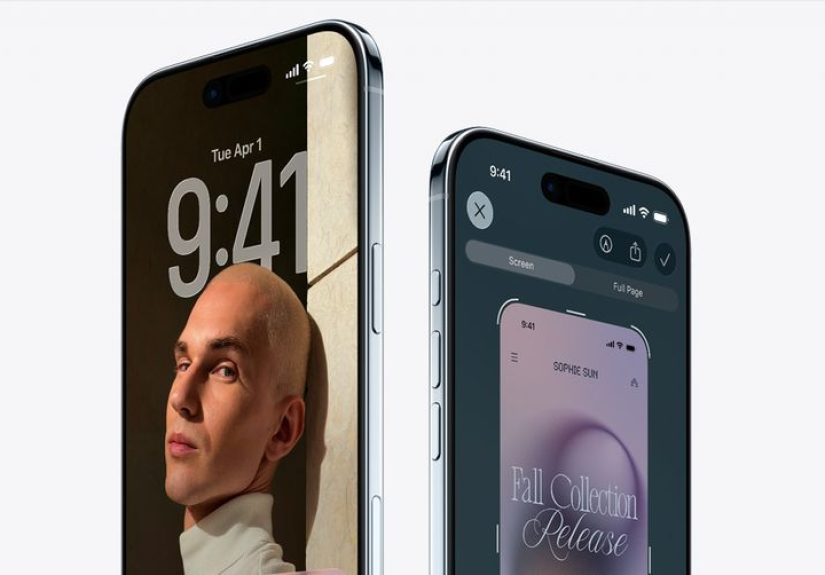
The iPhone Air sounds like something Apple might have invented during a lunch break between designing a spacecraft and polishing a single piece of glass for fun. It is thin. Ridiculously thin. At 5.64 mm deep and 165 grams, it looks less like a phone that escaped a factory and more like a premium display panel that somehow learned how to make calls, shoot video, run games, edit photos, and judge your screen time habits in silence.
But the real story is not simply that the iPhone Air is Apple’s thinnest iPhone ever. Thin phones have existed before, and many of them made dramatic sacrifices: weak batteries, bendy bodies, disappointing cameras, or performance that slowed down faster than a group chat after someone says, “We need to talk.” The iPhone Air is different because it tries to make thinness feel luxurious rather than fragile. It combines a titanium frame, Ceramic Shield protection, a 6.5-inch ProMotion OLED display, the A19 Pro chip, an 18MP Center Stage front camera, and a 48MP Fusion rear camera into a device that wants to be both an engineering flex and a daily driver.
So, is the iPhone Air a futuristic masterpiece, a beautiful compromise, or a very expensive way to say, “I hate pocket bulge”? The answer is yeswith nuance.
What Is the iPhone Air?
The iPhone Air is Apple’s ultra-thin premium iPhone, positioned between the standard iPhone and the Pro models. It is not exactly a replacement for the Pro, and it is not merely a lighter version of the regular iPhone. Instead, it creates a new lane: a design-first iPhone for people who want a large, bright display and high-end performance without carrying a chunky slab of technology everywhere.
The most obvious feature is the body. Apple built the iPhone Air around a polished titanium design, with Ceramic Shield 2 on the front and Ceramic Shield on the back. That matters because thin phones often trigger one immediate fear: “Will this thing survive my pocket, my backpack, or the mysterious gravity vortex beside my bed?” Apple’s answer is a structure that feels premium, rigid, and more durable than its delicate silhouette suggests.
The iPhone Air also goes all-in on eSIM. There is no physical SIM tray, which helps Apple save internal space. That decision makes sense from an engineering standpoint, though it may require adjustment for frequent travelers or users in regions where eSIM support varies by carrier.
Design: The Phone That Almost Disappears in Your Hand
The iPhone Air’s design is the headline, the billboard, and the party trick. Pick it up and the first reaction is not about benchmark scores or camera menus. It is about feel. The device has a 6.5-inch screen, yet the thin frame and light weight make it feel noticeably easier to hold than many large-screen phones.
This is the kind of phone that makes your old device feel like it has been secretly lifting weights. The iPhone Air slips into pockets with less drama, rests more comfortably in the hand, and gives off a sleek, futuristic confidence. It is not trying to look rugged. It is trying to look precise.
Titanium and Ceramic Shield: Pretty, But Not Precious
The titanium frame gives the iPhone Air structural strength without adding much weight. Ceramic Shield 2 on the front improves scratch resistance, while Ceramic Shield on the back helps with crack resistance compared with earlier back glass designs. In real-world terms, that means the phone is not just thin for the sake of thinness. Apple clearly understood that nobody wants a device that looks like a concept car but behaves like a potato chip.
Still, this is a premium glass-and-metal device. A case or bumper remains a smart idea, especially for people whose phones routinely experience “unplanned floor meetings.” The irony, of course, is that putting a bulky case on an ultra-thin phone feels a bit like buying a sports car and towing a storage shed behind it. A slim bumper or thin MagSafe case is the more sensible compromise.
Display: Big, Bright, and Smooth
The iPhone Air features a 6.5-inch Super Retina XDR OLED display with ProMotion technology up to 120Hz. That is a major part of why the phone feels premium in daily use. Scrolling through websites, switching apps, reading long emails, and playing games all feel fluid. Once you get used to a high-refresh-rate display, going back can feel like watching a flipbook drawn by someone in a hurry.
The display also reaches high outdoor brightness, making it easier to read in sunlight. This is not just a spec-sheet trophy. Brightness matters when you are navigating outdoors, checking a boarding pass, framing a photo, or pretending not to read messages while standing in a painfully long coffee line.
Why the 6.5-Inch Size Works
At 6.5 inches, the iPhone Air lands in a practical sweet spot. It is large enough for video, gaming, split attention, editing photos, and comfortable reading, but the thin and light frame keeps it from feeling oversized. That balance is central to the appeal. The phone offers a near-Pro viewing experience without the same physical bulk.
Performance: A19 Pro in a Slim Suit
Inside the iPhone Air is the A19 Pro chip, with a 6-core CPU, a 5-core GPU with Neural Accelerators, and a 16-core Neural Engine. Translation: this is not a delicate fashion phone with performance anxiety. It is built to handle demanding apps, Apple Intelligence features, high-quality video capture, mobile gaming, image processing, and everyday multitasking with ease.
For most users, the iPhone Air should feel fast for years. Apps open quickly, the interface feels smooth, and the combination of ProMotion and modern Apple silicon gives the phone that polished “everything just moves” feeling that has become a major reason people stay in the iPhone ecosystem.
The Thermal Trade-Off
However, physics still sends invoices. A body this thin has less room for heat management than thicker Pro models. During normal usemessages, browsing, maps, photos, streaming, social appsthe iPhone Air should feel excellent. Under sustained heavy gaming or long performance-heavy workloads, it can warm up more noticeably than larger models with more advanced cooling.
That does not make it slow. It simply means the iPhone Air is better understood as a high-performance lifestyle flagship, not the ultimate mobile workstation for marathon gaming sessions or heavy video workflows. If your idea of relaxing is exporting massive video projects while playing graphics-heavy games and charging at the same time, the Pro Max is probably waving politely from across the room.
Camera System: One Rear Lens, Many Opinions
The iPhone Air uses a 48MP Fusion Main camera with sensor-shift optical image stabilization, support for super-high-resolution 24MP and 48MP photos, and an optical-quality 2x Telephoto option through sensor cropping. It can also record up to 4K Dolby Vision video and supports features such as Photonic Engine, Smart HDR, Night mode, Portrait mode, Photographic Styles, and Dual Capture video.
In everyday shooting, this camera is likely to satisfy most users. Food photos look sharp. Portraits have strong subject separation. Daylight shots are clean and colorful without looking like someone turned the saturation knob with a wrench. Video remains one of the iPhone’s strongest areas, and the iPhone Air continues that tradition.
The Missing Ultra Wide Camera
The main compromise is versatility. Unlike multi-camera iPhones, the iPhone Air does not give you an ultra wide rear camera. That means no dramatic 0.5x city shots, fewer options for tight indoor spaces, and less flexibility for creators who like changing perspectives. It also lacks the complete camera toolbox of the Pro models.
For many people, that will be fine. Most casual photos are taken at 1x or 2x anyway. But if your camera roll is full of architecture shots, travel landscapes, group photos in tiny restaurants, or dramatic “look at this huge sky” moments, the single rear camera may feel limiting.
The 18MP Center Stage Front Camera: Selfies Got Smarter
The front camera may be one of the iPhone Air’s most quietly useful upgrades. The 18MP Center Stage camera supports autofocus, Center Stage for photos and video calls, ultra-stabilized video, and Dual Capture. It can intelligently adjust framing, helping fit people into a shot without forcing everyone to perform the classic group selfie shuffle.
This is especially helpful for video calls, social content, quick vlogs, family photos, and travel clips. The front camera is no longer just the camera you use when the rear camera is inconvenient. On the iPhone Air, it becomes a serious content tool.
Battery Life: Better Than Expected, But Not Magic
Battery life was the obvious question the moment the iPhone Air appeared. A phone this thin naturally makes people wonder whether it can survive a full day or whether it starts panicking after lunch. Apple rates the iPhone Air for up to 27 hours of video playback, up to 22 hours of streamed video playback, and up to 40 hours of video playback with the optional iPhone Air MagSafe Battery.
In practical terms, the iPhone Air should work well for moderate daily use: messaging, browsing, photos, music, maps, social media, and some video. Heavy users may still need a top-up, especially with gaming, constant camera use, hotspot sharing, or long outdoor screen-on sessions.
MagSafe Battery: Helpful, Slightly Funny
The optional MagSafe Battery is useful because it extends runtime while fitting the Air’s body. It is also slightly funny because attaching a battery pack to an ultra-thin phone is like ordering a salad and then adding a heroic amount of ranch. Still, real life is real life. Thinness is beautiful; battery anxiety is not.
Connectivity: eSIM, C1X, Wi-Fi 7, and the Future Without Tiny Plastic Cards
The iPhone Air uses Apple’s C1X cellular modem and N1 wireless networking chip, with support for Wi-Fi 7, Bluetooth 6, and Thread. It also supports dual eSIM, with the ability to store multiple eSIMs. For users in well-supported markets, eSIM can be convenient, secure, and excellent for switching plans.
The lack of a physical SIM tray may be a drawback for some travelers or users who frequently swap SIM cards. Before buying, it is worth checking carrier eSIM support in your country and the countries you visit. The iPhone Air is future-facing, but the future occasionally requires customer support chats. Bring patience.
Who Should Buy the iPhone Air?
The iPhone Air is ideal for users who value design, portability, display quality, and fast performance more than maximum camera flexibility or the longest possible battery life. It is for people who want a phone that feels light and elegant every single time they pick it up.
It is a strong fit for commuters, frequent travelers, students, professionals, social media users, casual photographers, and anyone who wants a large screen without the usual large-phone weight. It also makes sense for people upgrading from older iPhones who want something that feels genuinely new, not just slightly faster with a different camera bump.
Who Should Skip It?
Skip the iPhone Air if you need the best battery life Apple offers, a multi-camera system, advanced zoom, pro video workflows, or sustained gaming performance with the strongest thermal headroom. In those cases, the iPhone Pro models are more practical. The standard iPhone may also be a better value for users who want a balanced camera system and lower price.
iPhone Air vs. iPhone Pro: Beauty or Muscle?
The easiest way to understand the iPhone Air is to compare philosophy, not just specifications. The iPhone Pro models are built for maximum capability: more cameras, bigger batteries, stronger cooling, and professional creative tools. The iPhone Air is built around experience: lightness, elegance, display quality, and everyday speed.
Neither approach is wrong. The Pro is the multitool. The Air is the precision blade. The Pro says, “I can do everything.” The Air says, “I can do what most people do every day, and I can look fantastic doing it.”
Everyday Experience: Living With a Phone That Feels Almost Weightless
The most important thing about the iPhone Air is not how it looks on a spec chart. It is how it changes tiny daily behaviors. A lighter phone is easier to hold while reading in bed. It is less annoying in a front pocket. It feels better during long calls. It is easier to use one-handed, even with a large display. These are small benefits, but phones are small objects we use hundreds of times a day. Small comfort adds up quickly.
Imagine walking through an airport with a backpack, a coffee, a boarding pass, and exactly three minutes before your gate changes because airports enjoy comedy. Pulling out a lighter phone matters. Checking maps while carrying groceries matters. Holding your phone above your face while watching videos and hoping gravity does not betray you definitely matters.
The iPhone Air also feels like a device made for people who want less physical clutter. It is still powerful, still premium, still visually impressivebut it reduces the sense of carrying a miniature tablet everywhere. That makes it especially appealing for users who love large screens but dislike heavy phones.
Extended Experience Notes: What “Barely There, Fully Loaded” Feels Like in Real Life
Using the iPhone Air would likely feel less like switching phones and more like changing your relationship with your phone’s physical presence. The first few days would probably be full of tiny surprises. You slide it into a pocket and forget it is there. You pick it up from a desk and expect more weight. You hold it during a long reading session and realize your hand is not quietly filing a complaint. That is the magic of the Air: it does not just show off thinness; it turns thinness into comfort.
For daily productivity, the large 6.5-inch display gives enough space for email, notes, calendars, documents, and web research. The 120Hz ProMotion refresh rate makes routine tasks feel polished. Opening a task list, checking messages, reviewing photos, and switching between apps should feel quick and smooth. The phone’s lightness also makes it friendly for students and professionals who already carry laptops, chargers, books, and the emotional weight of unread notifications.
For content creation, the iPhone Air is both exciting and slightly selective. The 18MP Center Stage front camera is a genuine advantage for video calls, social clips, and casual creator work. Dual Capture is useful for recording both your reaction and the scene in front of you, which is perfect for travel, events, food videos, quick tutorials, and “look what just happened” moments. The rear 48MP camera should produce strong everyday photos, but the missing ultra wide lens changes how you shoot. You may step back more often. You may think harder about framing. You may occasionally wish Apple had found space for just one more lens, perhaps by consulting dark magic or a very persuasive engineer.
For entertainment, the iPhone Air looks like a winner. The screen is bright, sharp, and smooth, and the large panel makes streaming video, reading, gaming, and browsing enjoyable. The thin body is especially nice when watching content for longer stretches. However, heavy gaming is where the Air’s slimness may remind you that heat needs somewhere to go. Casual games should be perfectly comfortable, while demanding titles may be better suited to the Pro models if performance consistency is your top priority.
Battery life is the practical checkpoint. For many users, the iPhone Air should get through a normal day. But if your day includes constant navigation, camera recording, video streaming, hotspot use, and social media scrolling that begins as “just five minutes” and ends in a new personality, charging will become part of the routine. The MagSafe Battery solves that problem, though it slightly undercuts the whole ultra-thin fantasy. Even so, flexibility is better than panic.
The biggest emotional appeal of the iPhone Air is that it feels intentional. It is not trying to be the most sensible iPhone for everyone. It is trying to be the most delightful iPhone for people who care about touch, weight, balance, and design. That is why the phrase “Barely There, Fully Loaded” fits. The iPhone Air is not invisible because it lacks personality. It is barely there because Apple worked very hard to make the hardware feel lighter than the technology inside it.
Final Verdict: A Beautiful Bet on the Future of iPhone
The iPhone Air is one of Apple’s most interesting iPhone ideas in years. It does not win every category. It is not the best camera phone in the lineup, not the battery champion, and not the obvious value pick. But it delivers something many phones forget to prioritize: physical joy.
It is thin without feeling flimsy, powerful without feeling bulky, and premium without looking like a brick wearing jewelry. The iPhone Air is best for users who want a large, brilliant display, strong everyday performance, smart cameras, and a design that feels fresh every time it lands in the hand.
If you measure phones only by maximum features per dollar, the iPhone Air may seem indulgent. If you measure phones by how they feel during the hundreds of small moments that make up daily use, it starts to make a lot more sense. This is not the iPhone for everyone. It is the iPhone for people who want their technology to feel lighter, cleaner, and just a little more like the future.