Table of Contents >> Show >> Hide
- What Is Marseille Soap?
- A Short History of Marseille Soap
- How Authentic Marseille Soap Is Made
- How to Spot Real Marseille Soap
- Benefits of Marseille Soap
- Best Uses for Marseille Soap
- Marseille Soap vs. Castile Soap
- Common Mistakes to Avoid
- How to Store Marseille Soap
- Buying Tips for Marseille Soap
- Is Marseille Soap Worth It?
- Personal Experiences and Everyday Lessons With Marseille Soap
- Conclusion
Marseille soap sounds like something that should arrive wearing a linen shirt, carrying a baguette, and giving effortless advice about how to live better with fewer things. In reality, it is even more useful than that. Known in French as Savon de Marseille, Marseille soap is a traditional hard soap made from vegetable oils, most famously olive oil, and produced through a slow hot-process method associated with Marseille, France.
For centuries, this humble cube has cleaned hands, faces, laundry, dishes, floors, makeup brushes, garden tools, and the occasional mystery stain that appeared on a shirt “somehow.” It has earned a loyal following because it is simple, long-lasting, multipurpose, and refreshingly free from unnecessary drama. No glitter. No neon-blue swirl. No fragrance called “Midnight Unicorn Rainstorm.” Just soap doing soap things very well.
Today, Marseille soap is popular far beyond Provence. In the United States, more shoppers are looking for traditional, low-waste, fragrance-free, and plant-based household products. Marseille soap fits neatly into that trend, but it also comes with an important catch: not every bar labeled “Marseille soap” is the real deal. This guide explains what Marseille soap is, how it is made, how to recognize authentic versions, how to use it, and why this old-school cleaner still deserves space beside modern products.
What Is Marseille Soap?
Marseille soap is a traditional French soap made primarily from vegetable oils, water, salt, and alkaline soda used in the saponification process. Authentic versions are usually cooked in large cauldrons using a method that transforms oils into a firm, dense bar. The result is a soap that is plain in appearance but surprisingly versatile in daily life.
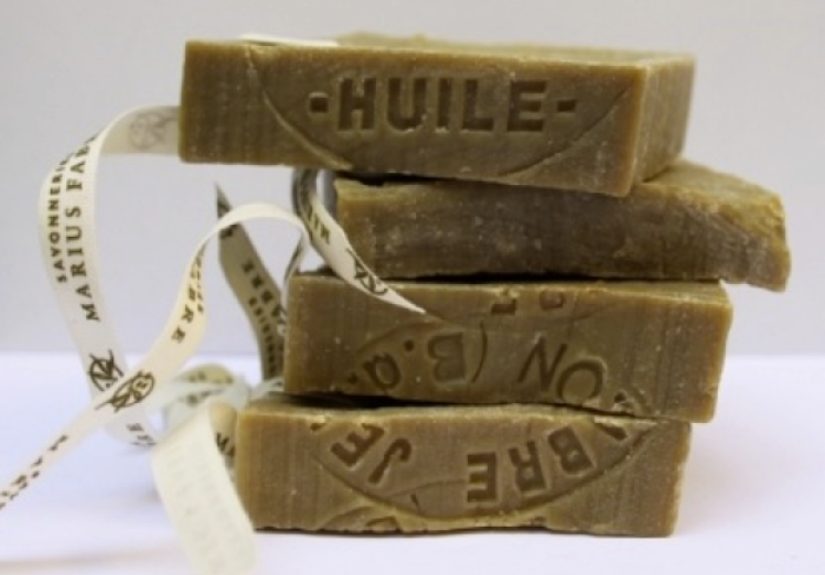
Classic Marseille soap usually comes in two main colors. The green or olive-toned version is typically associated with olive oil. The white or cream-colored version is commonly made with other vegetable oils, such as coconut, palm, or copra oils. While modern formulas vary, the most respected traditional bars avoid synthetic fragrances, colorants, preservatives, and animal fats.
One of the best-known markings on genuine Marseille soap is “72% vegetable oils.” This stamp is not random decoration. It points to the traditional proportion of vegetable oil content in the finished soap. Think of it as the soap’s passport stamp: not the only proof of authenticity, but definitely a good sign.
A Short History of Marseille Soap
Marseille soap has roots stretching back hundreds of years. Soap-making around Marseille grew naturally because the region had access to key ingredients: olive oil from Provence, salt from nearby coastal areas, and soda ash historically obtained from plants. Marseille also had an ideal port location, making it easier to receive raw materials and ship finished soap to other markets.
By the 17th century, Marseille had become one of France’s leading soap-making centers. In 1688, regulations associated with the Edict of Colbert helped define how soap bearing the Marseille name should be made, especially emphasizing olive oil and traditional production. That historical regulation helped turn Marseille soap from a regional craft into a recognizable standard.
Over time, industrialization changed the soap business. Cheaper ingredients, mass production, synthetic detergents, and heavily perfumed body-care products pushed traditional soap into a smaller niche. Yet Marseille soap never disappeared. It survived because it works, and because practical people tend to keep useful things around. Trends come and go; a sturdy cube that can clean your hands and rescue a stained collar has staying power.
How Authentic Marseille Soap Is Made
Traditional Marseille soap is made using a hot saponification process. Vegetable oils are combined with alkaline soda and water, then cooked for days in large cauldrons. During this process, the mixture gradually turns into soap. It is washed, settled, poured into molds, cut into bars or cubes, stamped, and left to dry.
This process is slower than modern mass production, but that is part of the charm. The final bar is dense, hard, and concentrated. A large cube can last a surprisingly long time if kept dry between uses. That longevity is one reason Marseille soap is often considered economical. It may look like a simple block, but it is basically the marathon runner of the soap shelf.
Common Ingredients
Authentic Marseille soap usually has a short ingredient list. A traditional formula may include vegetable oil, water, sea salt, and sodium hydroxide used during saponification. After the chemical reaction, properly made soap should not contain active lye in the finished bar. The goal is a simple cleansing product, not a science experiment waiting to misbehave in your bathroom.
Some authentic makers use olive oil as the main vegetable oil, while others may include coconut or other plant oils depending on the style. What matters most is transparency. If a product claims to be Marseille soap but includes a long list of synthetic fragrances, bright dyes, preservatives, or animal fats, it is probably more “Marseille-inspired” than truly traditional.
How to Spot Real Marseille Soap
Because Marseille soap has become popular, many products borrow the name without following the traditional approach. Fortunately, you do not need to become a soap detective with a magnifying glass and dramatic background music. A few practical checks can help.
Look for the 72% Vegetable Oils Mark
Many authentic cubes are stamped with “72% vegetable oils.” This marking is a classic authenticity clue. It indicates that the soap follows the traditional idea of being rich in plant-based oils.
Check the Color
Traditional Marseille soap is usually greenish, olive-toned, white, or cream-colored. Bright purple, candy pink, or electric blue bars may be lovely in a gift basket, but they are not typical of classic Marseille soap. If a soap looks like it escaped from a cupcake bakery, read the label carefully.
Read the Ingredient List
A short ingredient list is usually a good sign. Look for vegetable oils, water, salt, and sodium-based ingredients related to soap-making. Be cautious with products that contain heavy perfume, synthetic colorants, preservatives, or unnecessary additives.
Notice the Shape and Texture
Traditional Marseille soap is often sold as a cube, block, or simple rectangular bar. It usually has a firm texture and may look rustic rather than glossy. The scent is mild, clean, and natural. Olive oil versions can have an earthy aroma that some people love immediately and others need a minute to understand. It is not trying to smell like a tropical smoothie, and honestly, that is part of the point.
Benefits of Marseille Soap
Marseille soap is valued because it is simple, concentrated, and multipurpose. While it should not be treated as a medical product or miracle cure, it can be a useful choice for people who prefer minimal formulas and traditional cleaning products.
It Is Simple and Minimal
Many people choose Marseille soap because it avoids the extra ingredients found in heavily perfumed cleansers. Fragrance-free and dye-free products may be better tolerated by people who know they are sensitive to scented laundry products or strong household cleaners. As always, anyone with eczema, allergies, or ongoing skin irritation should follow medical advice and patch-test new products carefully.
It Is Long-Lasting
A dense Marseille soap cube can outlast several softer bars if stored properly. The secret is drainage. Do not leave it sitting in a puddle like a sad little soap island. Use a slotted soap dish, wooden rack, or raised tray so the bar can dry between uses.
It Reduces Product Clutter
One bar can serve many purposes: hand soap, gentle laundry pre-treatment, brush cleaner, travel soap, and household cleaner. That does not mean it should replace every specialized product in your home, but it can reduce the number of bottles under the sink. Fewer bottles mean fewer mystery caps, fewer sticky labels, and fewer moments of wondering whether you bought that cleaner in 2019.
It Supports Low-Waste Living
Marseille soap is often sold with minimal packaging, especially in cube or bar form. Because it is concentrated and solid, it avoids the water-heavy bulk of many liquid products. For households trying to reduce plastic use, a traditional soap bar can be a practical swap.
Best Uses for Marseille Soap
One of Marseille soap’s biggest strengths is versatility. It is not only a bathroom soap. It is a small domestic multitasker with a French accent.
Hand and Body Cleansing
Many people use Marseille soap as a hand or body soap. Olive oil versions are especially popular among those who like traditional, unscented bars. However, true soap can be alkaline, and some skin types may find it drying if used too often. If your skin feels tight after washing, follow with moisturizer or use a gentler cleanser for daily facial care.
Laundry Stain Pre-Treatment
Marseille soap is famous for treating stains. Dampen the stained fabric, rub the soap directly onto the spot, gently work it in, let it sit briefly, and then wash as usual. It can be especially handy for collars, cuffs, light grease marks, and food splashes. For delicate fabrics, test on a hidden area first. Silk, wool, and vintage textiles deserve extra caution because they are basically the divas of the laundry world.
Hand-Washing Delicates
For some garments, a small amount of Marseille soap can be used in a basin of lukewarm water. Swish the garment gently, rinse thoroughly, and avoid twisting delicate fabric. This method works best when you use a modest amount. More soap does not mean more clean; sometimes it just means more rinsing and more regret.
Cleaning Makeup Brushes
A plain Marseille soap bar can help clean makeup brushes. Wet the brush, swirl it gently on the soap, massage the bristles, rinse until the water runs clear, and dry the brush flat. Avoid soaking the ferrule, the metal part that holds bristles in place, because water can loosen the glue.
Kitchen and Household Cleaning
Marseille soap can be used to clean sinks, counters, reusable containers, and certain washable surfaces. Rub a damp cloth or brush on the bar, clean the surface, and rinse well. It is useful for everyday grime but not a substitute for disinfectants when sanitation is required, such as after handling raw meat or cleaning areas exposed to illness.
Travel and Camping
A small piece of Marseille soap can replace several travel products. It can wash hands, socks, small garments, and basic gear. Since it is solid, it is easy to pack and less likely to create the classic suitcase shampoo explosion, a tragedy known to travelers everywhere.
Marseille Soap vs. Castile Soap
Marseille soap and Castile soap are often compared because both are traditional vegetable-oil soaps with Mediterranean roots. Castile soap is strongly associated with olive oil and Spain, while Marseille soap is tied to the Marseille region of France and its historic cauldron-cooking method.
In modern shopping, Castile soap is often sold as a liquid all-purpose soap, while Marseille soap is frequently seen as a solid cube or bar. Both can be useful, but they are not identical. Marseille soap tends to feel more rustic and old-world, while liquid Castile soap is often marketed as a modern natural-cleaning staple. Choosing between them depends on your routine. If you like solid bars and laundry pre-treatment, Marseille soap shines. If you want a liquid base for diluted household cleaning, Castile soap may be more convenient.
Common Mistakes to Avoid
Using Too Much Soap
Marseille soap is concentrated. A little goes a long way. Using too much can leave residue, especially on fabrics or surfaces that are not rinsed thoroughly.
Leaving the Bar Wet
Even a hard soap can become mushy if left in standing water. Keep it dry between uses to extend its life.
Assuming Every “Marseille” Label Is Authentic
The name is widely used in marketing. Always check ingredients, color, oil content, and maker information before buying.
Using It as a Medical Treatment
Marseille soap is a cleanser, not a medicine. It should not be promoted as a treatment for acne, eczema, infections, or other medical conditions. Plain soap and water are useful for everyday hygiene, but skin problems should be evaluated by a qualified professional.
How to Store Marseille Soap
Store Marseille soap in a dry, ventilated place. If you buy a large cube, you can cut it into smaller pieces with a sturdy knife, soap cutter, or wire. Let the unused pieces sit in a closet, drawer, or storage box away from moisture. Some people place a piece in a linen drawer for a clean, subtle scent. It is a nice touch, and it makes your towels feel like they have a tiny apartment in Provence.
For daily use, choose a soap dish with drainage. Wooden slatted soap dishes, ceramic trays with holes, or magnetic soap holders all work well. The goal is simple: keep the bar dry, and it will reward you by lasting much longer.
Buying Tips for Marseille Soap
When shopping for Marseille soap, look for a clear ingredient list, traditional markings, and reputable producers. Olive oil versions are a good choice for those who want the most classic experience. White versions may be preferred for laundry because they are less likely to leave a greenish tint on very light fabrics, although proper rinsing matters more than color alone.
If you are buying online, read the description carefully. Phrases like “Marseille-style” or “inspired by Marseille” may indicate that the soap is not made using traditional methods. That does not automatically make it bad, but it is different. If authenticity matters to you, look for details about vegetable oil percentage, place of production, and whether the soap is free from synthetic fragrance, colorants, and preservatives.
Is Marseille Soap Worth It?
Marseille soap is worth trying if you appreciate simple formulas, traditional products, and multipurpose cleaning. It is not flashy, but that is exactly why people love it. In a world full of products promising to transform your life by Tuesday, Marseille soap makes a quieter promise: it will clean things. And then it does.
Its best uses are practical: washing hands, pre-treating stains, cleaning brushes, simplifying travel, and reducing household clutter. It may not replace every product in your home, but it can replace more than you expect. That makes it especially appealing for small apartments, minimalist households, eco-conscious shoppers, and anyone tired of owning seven cleaners that all somehow smell like artificial mountain breeze.
Personal Experiences and Everyday Lessons With Marseille Soap
The first thing many people notice about Marseille soap is how serious it looks. A big cube of olive oil soap does not flirt with you from the shelf. It does not sparkle. It does not promise “velvet moon hydration.” It sits there like a tiny block of wisdom, ready to work. That plainness can be surprising if you are used to modern soap bars designed like dessert. But after a few days, the simplicity starts to feel refreshing.
One of the most satisfying experiences is using Marseille soap on laundry stains. A shirt collar with light grime, a napkin with olive oil, or a cotton tote bag with mysterious city dirt can often be improved with a damp rub of the bar before washing. The process feels almost too simple. Wet fabric, rub soap, wait, rinse or wash. No complicated spray bottle. No warning label that reads like a chemistry final. Just a bar and a little patience.
Another everyday lesson is that storage matters. Leave Marseille soap on a flat dish with no drainage, and even this hardworking cube will start to soften. Give it air, and it behaves beautifully. A slatted wooden soap dish can make a huge difference. The bar dries faster, lasts longer, and avoids that slippery bottom layer that nobody wants to touch before coffee.
For travel, Marseille soap can be surprisingly useful. A small slice wrapped in paper can handle handwashing, emergency sock laundry, and basic cleansing. It is especially helpful on longer trips when packing light matters. There is something satisfying about using one small item instead of carrying three tiny plastic bottles that all threaten to leak the moment your suitcase hits turbulence.
In the kitchen, Marseille soap is best treated as a practical helper rather than a miracle product. It can clean hands after chopping onions, wash certain tools, and help with greasy spots on washable surfaces. But it still needs proper rinsing, and it should not replace food-safe sanitizing practices where those are needed. The charm of Marseille soap is not that it does everything perfectly; it is that it does many ordinary things well.
People with scent sensitivity may also appreciate how quiet authentic Marseille soap feels. Unscented versions do not leave the room smelling like a perfume counter. That can be a relief in homes where strong fragrance causes headaches or irritation. Still, everyone’s skin is different. A product can be traditional and still not be ideal for every person. Patch-testing and paying attention to skin comfort are always smart.
The biggest lesson from using Marseille soap is that old-fashioned products often survive for a reason. They may not be trendy every year, but they earn loyalty through usefulness. Marseille soap is not perfect, and it is not magic. It is better than magic in one way: it is dependable. It makes you wonder how many modern products are just complicated answers to simple problems. Sometimes, the best solution is a plain cube, a little water, and the confidence to let a classic do its job.
Conclusion
Marseille soap is more than a traditional French souvenir. It is a practical, plant-based, multipurpose soap with a long history and a well-earned reputation for simplicity. From its vegetable oil formula to its iconic 72% stamp, authentic Marseille soap represents a slower, cleaner, more intentional approach to everyday care and household cleaning.
For modern homes, its appeal is easy to understand. It can reduce clutter, last a long time, support low-waste habits, and handle many small cleaning tasks without unnecessary additives. The key is choosing authentic soap, using it correctly, and remembering that simple does not mean boring. Sometimes simple means brilliant.
Note: This article is for general informational and lifestyle purposes. For persistent skin irritation, allergies, or medical concerns, consult a qualified healthcare professional.