Table of Contents >> Show >> Hide
- What Is Lipolysis?
- Purpose of Lipolysis
- Types of Lipolysis
- Who Is a Good Candidate for Lipolysis?
- How to Prepare for Lipolysis
- What Happens During the Procedure?
- Recovery After Lipolysis
- When Will Results Appear?
- Common Side Effects of Lipolysis
- Serious but Less Common Risks
- How to Reduce Risk
- Lipolysis vs. Liposuction
- Cost and Treatment Planning
- Realistic Expectations
- Experiences Related to Lipolysis: What People Commonly Notice
- Conclusion
Lipolysis sounds like the name of a tiny Greek goddess who destroys fat cells for a living. In a way, that is not far off. In cosmetic medicine, lipolysis refers to treatments designed to break down or reduce small pockets of fat that do not respond well to diet and exercise. These treatments may use injections, laser energy, heat, or other controlled methods to target fat cells in specific areas.
Before anyone gets too excited, lipolysis is not a magic eraser, a shortcut to weight loss, or a replacement for healthy habits. It is a body-contouring option. That means it is usually best for people who are close to their desired weight but have localized fat deposits, such as fullness under the chin, small abdominal bulges, flanks, thighs, or other stubborn areas. Think “fine-tuning,” not “complete renovation.”
This guide explains the purpose of lipolysis, what happens during the procedure, possible side effects, who may be a good candidate, and what real-world recovery can feel like.
What Is Lipolysis?
Lipolysis is the process of breaking down fat. In the body, natural lipolysis happens when stored fat is converted into energy. In aesthetic medicine, the word usually describes treatments that intentionally damage or destroy fat cells so the body can gradually clear them away.
The most common cosmetic forms include injectable lipolysis, laser lipolysis, and noninvasive device-based fat reduction. Injectable lipolysis often refers to deoxycholic acid injections, commonly known by the brand name Kybella, which is FDA-approved in adults for moderate to severe fat beneath the chin. Laser lipolysis uses laser energy to heat and disrupt fat cells. Some techniques are noninvasive, while others are minimally invasive and involve small incisions.
The goal is not to make the scale dramatically drop. In fact, many patients may notice improved shape or contour without a major change in body weight. Fat cells are small, sneaky little things, and contouring is more about silhouette than numbers.
Purpose of Lipolysis
Reducing Localized Fat
The main purpose of lipolysis is to treat localized fat deposits. These are areas where fat tends to stay put even when a person eats well, exercises, and negotiates politely with their mirror. Common treatment zones may include the area under the chin, abdomen, waist, upper arms, thighs, and back, depending on the method used and whether the treatment is approved or appropriate for that area.
Improving Body Contour
Lipolysis can improve contour by reducing small bulges and creating a smoother profile. For example, submental lipolysis under the chin may help define the jawline. Laser lipolysis on the abdomen or flanks may soften small pockets of fat that affect how clothing fits.
Offering a Less Invasive Option
Some people consider lipolysis because they want fat reduction without traditional surgery. Noninvasive laser lipolysis may involve little to no downtime. Injectable lipolysis is performed in an office setting and does not require general anesthesia. Minimally invasive laser lipolysis may still involve recovery, swelling, bruising, and aftercare, but it is generally less extensive than larger surgical procedures.
Supporting Confidence, Not Perfection
A realistic purpose of lipolysis is helping people feel more comfortable with a specific area. The healthiest mindset is improvement, not perfection. Lipolysis cannot change bone structure, tighten large amounts of loose skin, or replace overall weight management. It is one tool in the cosmetic toolbox, not the entire hardware store.
Types of Lipolysis
Injectable Lipolysis
Injectable lipolysis uses a medication injected into targeted fat. The best-known option is deoxycholic acid, a substance related to a naturally occurring bile acid that helps break down dietary fat. When injected into subcutaneous fat, it can damage fat cell membranes. The body then gradually clears the treated fat cells.
In the United States, FDA-approved deoxycholic acid injection is specifically used in adults to improve the appearance of moderate to severe submental fat, also called a double chin. It is not proven safe and effective for fat outside that area or for people under 18.
Laser Lipolysis
Laser lipolysis uses laser energy to target fat cells. Noninvasive laser lipolysis places applicators on the skin and delivers controlled energy without incisions. Minimally invasive laser lipolysis involves inserting a small laser fiber under the skin, usually through tiny openings, to liquefy or disrupt fat before it is removed or absorbed.
Laser lipolysis may be used on areas such as the abdomen, flanks, thighs, or arms, depending on the device, provider, and patient’s anatomy.
Other Noninvasive Fat Reduction Methods
Some clinics use the word lipolysis broadly for several fat-reduction methods, including radiofrequency, ultrasound, and cold-based treatments. These are not all the same procedure. Each method has its own benefits, risks, downtime, and evidence. A qualified provider should explain exactly what technology is being used, what it is approved for, and what results are realistic.
Who Is a Good Candidate for Lipolysis?
A good candidate is usually an adult in overall good health with a stable weight and a specific area of unwanted fat. The best candidates understand that lipolysis is for shaping, not major weight loss. They also have realistic expectations, which is medical-speak for “please do not expect one session to turn you into a marble statue.”
People may not be good candidates if they have an active infection in the treatment area, significant loose skin, certain bleeding problems, poor wound healing, uncontrolled medical conditions, or unrealistic goals. Anyone who is pregnant, nursing, or planning major weight changes should discuss timing carefully with a clinician.
For injectable deoxycholic acid under the chin, patients should tell their provider about past surgery or cosmetic treatments on the face, neck, or chin, trouble swallowing, thyroid conditions, swollen lymph nodes, and blood-thinning medicines. These details matter because the neck is not exactly a place where anyone wants a “let’s wing it” approach.
How to Prepare for Lipolysis
Preparation begins with a consultation. A board-certified dermatologist, plastic surgeon, or trained medical professional should evaluate the treatment area, skin quality, medical history, allergies, medications, and goals. They may take photos, mark the area, and explain how many sessions are likely needed.
Patients may be advised to avoid certain medicines or supplements that increase bruising, such as aspirin, nonsteroidal anti-inflammatory drugs, or blood thinners, unless a prescribing doctor says otherwise. Do not stop prescription medication without medical guidance.
Before treatment, ask practical questions: What product or device will be used? Is it FDA-approved for this area? How many treatments are expected? What side effects are common? What symptoms require urgent medical care? How many of these procedures has the provider performed? A good provider welcomes questions. A rushed provider who waves away risks like a magician hiding a rabbit deserves a raised eyebrow.
What Happens During the Procedure?
During Injectable Lipolysis
For submental fat injections, the provider cleans the skin and may apply a temporary grid or markings under the chin. A topical anesthetic, ice, or local numbing may be used to reduce discomfort. The medication is injected into carefully selected points in the fat layer. A session may involve multiple small injections.
The treatment is usually performed in an office and may take less than an hour, although timing varies. Patients can often return to normal activities, but swelling under the chin can be noticeable, especially after the first session.
During Laser Lipolysis
For noninvasive laser lipolysis, applicators are placed over the treatment area. Patients may feel warmth, cooling, tingling, or mild tenderness. Sessions can be relatively short, often around 25 to 60 minutes depending on the device and area.
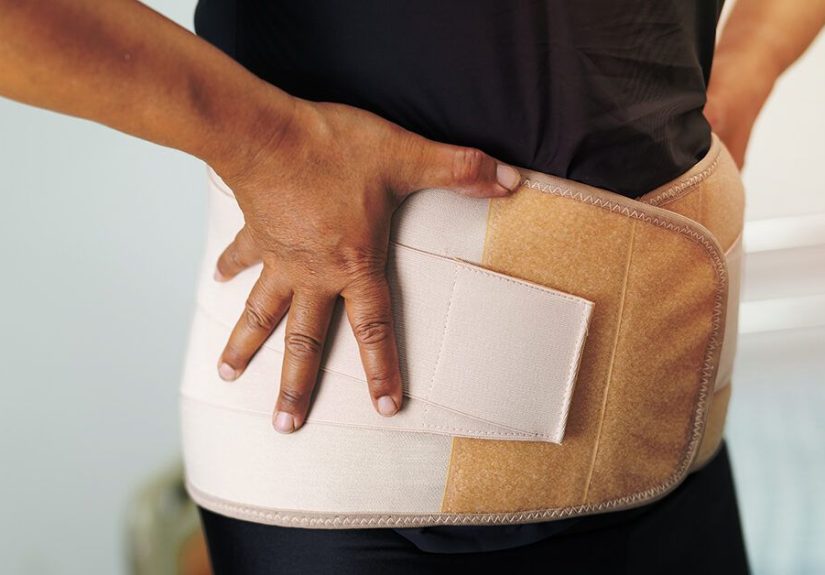
For minimally invasive laser lipolysis, the provider may use local anesthesia or sedation. Small openings are made in the skin, and a thin laser fiber is inserted to heat and disrupt fat. In some cases, fat is suctioned out. The area may be wrapped with a compression garment afterward to reduce swelling and support healing.
Recovery After Lipolysis
Recovery depends on the type of lipolysis. Noninvasive treatments usually have the shortest downtime. Temporary redness, swelling, tenderness, or mild bruising can happen. Most people can return to routine activities quickly.
Injectable lipolysis may cause swelling, bruising, pain, numbness, redness, and firm areas under the skin. Swelling under the chin can look dramatic for several days and may last up to a couple of weeks. This does not mean the treatment failed; it often means the body is reacting and beginning the cleanup process.
Minimally invasive laser lipolysis can involve more recovery. Bruising, swelling, soreness, drainage from tiny incision sites, and compression garments may be part of the process. Some patients return to light activity within a few days, while others need more time depending on the area treated.
When Will Results Appear?
Results are not instant. The body needs time to process and remove damaged fat cells. With injectable lipolysis, visible improvement may appear after several weeks, and multiple sessions may be needed. Treatments are often spaced about a month apart. With laser lipolysis, some early changes may appear within weeks, while final contour can take several months as swelling improves and tissues settle.
Results can be long-lasting because treated fat cells are damaged or removed. However, remaining fat cells can still enlarge with weight gain. In other words, lipolysis can reduce the cast of characters, but it cannot stop the sequel if lifestyle habits change dramatically.
Common Side Effects of Lipolysis
Swelling
Swelling is one of the most common side effects. It may be mild after noninvasive laser treatments or more obvious after injections under the chin. Swelling usually improves gradually.
Bruising and Redness
Bruising can occur when needles, heat, or small instruments affect tiny blood vessels. Redness is also common and usually temporary.
Pain or Tenderness
Some soreness is expected. Injectable treatments may cause stinging or burning during and shortly after treatment. Laser treatments may cause tenderness in the treated area.
Numbness or Firmness
Numbness, tingling, or firm lumps may occur after injectable lipolysis. These areas often soften with time as inflammation improves.
Temporary Contour Changes
Early unevenness can happen because swelling does not always behave politely. It may settle as healing continues. Persistent contour irregularities should be evaluated by the provider.
Serious but Less Common Risks
Although most side effects are temporary, lipolysis can carry serious risks. Injectable deoxycholic acid can cause nerve injury near the jaw, leading to an uneven smile or facial weakness. Difficulty swallowing has also been reported. Skin ulceration, tissue injury, infection, and necrosis are possible if the product is placed incorrectly or if an unapproved product is used.
Laser lipolysis risks may include burns, scarring, infection, hematoma, seroma, prolonged swelling, numbness, or uneven results. Minimally invasive procedures carry more risk than surface-only treatments because they involve entry through the skin.
Consumers should be especially careful with unapproved fat-dissolving injections. Products sold online or administered by unqualified individuals can lead to permanent scarring, serious infection, skin deformity, cysts, painful nodules, and other complications. DIY fat-dissolving injections are not brave; they are a medical horror movie with bad lighting.
How to Reduce Risk
The best way to reduce risk is to choose a qualified medical provider. Look for a board-certified dermatologist, plastic surgeon, or experienced clinician working in a properly supervised medical setting. Ask whether the product or device is FDA-approved for the intended area. Be cautious with bargain treatments, vague ingredient lists, and providers who promise “no side effects.” No side effects is a red flag wearing a fake mustache.
Follow all pre-treatment and aftercare instructions. Keep the area clean, avoid unnecessary pressure or massage unless instructed, use compression garments if prescribed, and attend follow-up appointments. Contact the provider promptly for worsening pain, spreading redness, fever, drainage, open sores, severe swelling, trouble swallowing, facial weakness, or symptoms that feel unusual.
Lipolysis vs. Liposuction
Lipolysis and liposuction are related but different. Liposuction is a surgical fat removal procedure that physically suctions fat from the body. It can treat larger areas and produce more dramatic changes, but it also involves anesthesia, downtime, surgical risks, and recovery.
Lipolysis is generally better for smaller, localized areas and for people who prefer less invasive treatment. Results tend to be more gradual and subtle. Some patients may need multiple sessions to reach their goal. A consultation can help determine whether lipolysis, liposuction, skin tightening, or no procedure at all is the best fit.
Cost and Treatment Planning
The cost of lipolysis varies widely based on location, provider experience, treatment area, number of sessions, product or device used, and whether the procedure is injectable, noninvasive, or minimally invasive. Insurance usually does not cover cosmetic lipolysis.
When comparing prices, do not shop by cost alone. A cheaper session performed with an unapproved product or by an untrained person can become much more expensive if complications occur. Safe cosmetic care is like good plumbing: you may not appreciate the expert until something leaks.
Realistic Expectations
Lipolysis can be effective, but it has limits. It works best for pinchable fat, not deep visceral fat around internal organs. It does not treat obesity, cellulite completely, muscle tone, or major loose skin. People with significant skin laxity may need other treatments, such as skin tightening or surgery.
Patients should expect gradual change, possible swelling, and the need for patience. The final result may be modest but meaningful. A sharper chin profile or smoother waistline can make a noticeable difference, even if the bathroom scale remains unimpressed.
Experiences Related to Lipolysis: What People Commonly Notice
Many lipolysis experiences begin with excitement and a little nervous Googling. Patients often arrive at the consultation with one stubborn area in mind: the double chin that appears in every photo, the lower belly that laughs at planks, or the flank bulge that refuses to retire. A good consultation usually feels educational, not salesy. The provider should examine the area, explain whether the fat is treatable, and discuss whether skin laxity might limit the result.
For injectable lipolysis under the chin, one of the most common experiences is surprise at the amount of swelling after treatment. Some people describe the area as puffy, firm, or tender for several days. This can feel awkward socially, especially if the treatment is done right before photos, school events, work meetings, or family gatherings where everyone suddenly becomes a facial-contour detective. Scheduling treatment when there is a little breathing room can make the recovery feel less stressful.
Discomfort is usually manageable, but expectations matter. The injection process may sting, and the treated area can feel sore afterward. Ice packs, provider-approved pain relief, and gentle aftercare may help. Patients should avoid poking the area repeatedly to “check progress,” because the body is already doing enough behind the scenes. Healing tissue does not need a personal assistant with anxious fingers.
Laser lipolysis experiences can vary more because there are noninvasive and minimally invasive versions. With noninvasive laser treatment, patients may describe warmth, tingling, or mild tenderness during the session. Afterward, the area may look red or feel sensitive, but daily activities often resume quickly. With minimally invasive laser lipolysis, the experience is closer to a small procedure: there may be local anesthesia, tiny entry points, compression garments, bruising, and several days of soreness.
One emotional part of lipolysis is waiting. People may check the mirror daily and wonder whether anything is happening. The honest answer is: usually, yes, but slowly. The body clears treated fat cells gradually, and swelling can temporarily hide progress. Taking standardized photos every few weeks can be more helpful than relying on memory, which is famously dramatic and unreliable.
Another common experience is realizing that contouring is subtle. Friends may not say, “Did you destroy adipocytes?” They may simply say someone looks refreshed, more defined, or healthier. That subtlety can be exactly what many patients want. The best results often look natural rather than obvious.
Patients who report the happiest experiences usually share a few habits: they chose a qualified provider, understood the limits of treatment, followed aftercare instructions, and maintained stable weight afterward. Lipolysis can reduce treated fat cells, but it cannot prevent future weight gain. A balanced lifestyle helps protect the result.
The less pleasant experiences often involve poor communication or unsafe treatment settings. Red flags include unclear product names, pressure to treat too many areas, no medical history review, no discussion of risks, and offers to inject fat-dissolving substances purchased online. When it comes to cosmetic medicine, mystery ingredients belong in detective novels, not syringes.
Overall, lipolysis can be a useful option for carefully selected adults who want targeted fat reduction without major surgery. The experience is usually easiest when expectations are realistic: temporary swelling is normal, results take time, and safety matters more than speed. A skilled provider, a clear plan, and a patient mindset can make the process smoother from consultation to final contour.
Conclusion
Lipolysis is a cosmetic fat-reduction approach designed for localized contouring, not weight loss. Injectable lipolysis, laser lipolysis, and other device-based treatments can help reduce small pockets of fat when performed by qualified professionals on appropriate candidates. The procedure may improve areas such as submental fullness, abdominal bulges, or flanks, depending on the method used.
Side effects such as swelling, bruising, tenderness, redness, numbness, and firmness are common and usually temporary. More serious risks, including infection, nerve injury, skin damage, burns, scarring, or uneven contour, are less common but important to understand. The safest path is simple: choose a trained medical provider, use approved treatments, ask smart questions, and avoid unapproved or DIY fat-dissolving injections.
When approached with realistic expectations, lipolysis can be a helpful body-contouring option. It will not replace healthy habits, but it may help refine areas that have been stubborn despite them. In short, lipolysis is not a miracle wandbut in the right hands, it can be a very precise little sculpting tool.
Note: This article is for informational and educational purposes only. It does not replace medical advice, diagnosis, or treatment from a qualified healthcare professional.