Table of Contents >> Show >> Hide
- What Is Laser Treatment for Rosacea?
- Types of Laser and Light Treatments Used for Rosacea
- Who Is a Good Candidate?
- What Results Can You Expect?
- How Many Sessions Are Needed?
- Does Laser Treatment Hurt?
- Risks and Side Effects
- How to Prepare Before Treatment
- Aftercare: What to Do After Laser Treatment
- How Much Does Laser Treatment for Rosacea Cost?
- Laser Treatment vs. Creams and Oral Medication
- Practical Example: What a Treatment Plan Might Look Like
- How to Choose a Provider
- Real-World Experiences: What Patients Often Learn
- Conclusion
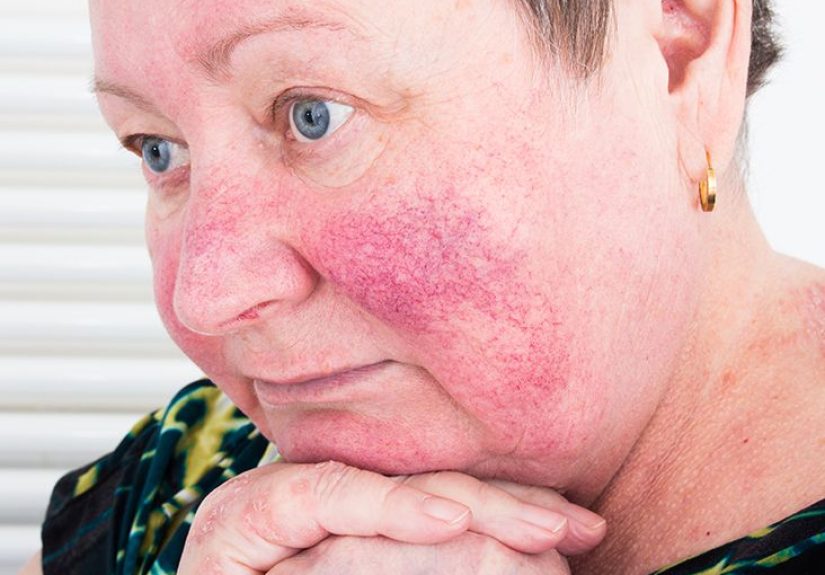
Rosacea has a special talent for arriving exactly when you would prefer your face not to look like it just gave a nervous speech in front of 400 people. It can cause persistent redness, visible blood vessels, flushing, acne-like bumps, thickened skin, and, for some people, irritated eyes. Creams and oral medications can help control inflammation, but laser treatment for rosacea is often considered when redness and broken-looking facial vessels refuse to leave the party.
Laser and light-based treatments are not a “cure” for rosacea, because rosacea is usually a chronic condition. However, they can be very helpful for the visible vascular signs: facial redness, flushing, spider-like veins, and, in some cases, thickened skin around the nose. The big questions are simple: How well does it work? What can go wrong? And how much will your wallet flinch?
What Is Laser Treatment for Rosacea?
Laser treatment for rosacea uses targeted light energy to heat and shrink visible blood vessels under the skin. These tiny dilated vessels are a major reason rosacea causes facial redness and telangiectasia, the medical word for those fine red lines that look like a road map drawn by a very dramatic ant.
Different devices target different concerns. Some are best for redness and visible blood vessels. Others are used for thickened skin, especially rhinophyma, a form of rosacea that can enlarge or reshape the nose. A dermatologist may also recommend intense pulsed light, or IPL. Technically, IPL is not a laser, but it is commonly grouped with laser treatments because it uses light energy to improve redness and uneven tone.
Types of Laser and Light Treatments Used for Rosacea
Pulsed Dye Laser
Pulsed dye laser, often called PDL, is one of the most common options for rosacea-related redness and visible blood vessels. It targets hemoglobin, the red pigment in blood, which allows the heat to focus on abnormal vessels while limiting damage to surrounding skin. PDL is especially useful for persistent redness, flushing, and small facial vessels.
IPL Therapy
Intense pulsed light uses a broad range of light wavelengths rather than one single laser beam. IPL may help reduce redness, blotchiness, sun damage, and visible vessels. It is often popular because downtime is usually mild, although it may not be ideal for every skin tone or every type of rosacea.
KTP Laser
KTP laser is another vascular laser sometimes used for small red vessels and facial redness. It can be precise, which makes it useful for treating individual visible vessels around the nose, cheeks, or chin.
Nd:YAG Laser
Nd:YAG lasers penetrate more deeply than some other vascular lasers. A dermatologist may use this option for larger or deeper blood vessels, although settings must be chosen carefully to reduce the risk of burns, pigment changes, or scarring.
CO2 and Erbium Lasers
CO2 and erbium lasers are usually reserved for thickened skin, especially rhinophyma. Instead of only shrinking blood vessels, these lasers can resurface and reshape skin. They can produce meaningful improvement, but they usually involve more downtime and a higher level of aftercare.
Who Is a Good Candidate?
Laser treatment may be a good fit if your main rosacea symptoms include persistent redness, visible blood vessels, flushing, or thickened skin that has not responded enough to topical medication, oral medication, trigger control, and gentle skin care. It is often most effective for vascular symptoms rather than acne-like bumps alone.
A good candidate is also someone who can follow pre- and post-treatment instructions. That means avoiding tanning, using sunscreen, pausing certain irritating skin products when instructed, and accepting that results usually arrive gradually. Lasers are powerful tools, not magic erasers with a spa playlist.
People with darker skin tones, recent sun exposure, melasma, active infections, pregnancy, certain medications, or a history of scarring may need extra evaluation. This does not automatically mean laser treatment is impossible. It means the provider should choose the device, settings, and treatment plan carefully.
What Results Can You Expect?
For visible blood vessels, many people notice a major reduction after a short series of treatments. Some patients see improvement after one session, while others need three or more sessions before the change becomes obvious. Redness often fades gradually over several weeks as treated vessels break down and the skin calms.
Results vary based on the severity of rosacea, the device used, the provider’s skill, skin tone, sun exposure, and how well triggers are managed. A person with a few fine vessels around the nose may see faster improvement than someone with years of diffuse redness across the cheeks and chin.
Laser treatment can reduce redness, but it does not stop rosacea from existing. New vessels can appear over time, especially if triggers such as sun exposure, heat, alcohol, spicy foods, stress, harsh skin care, or untreated inflammation continue to aggravate the skin. Maintenance treatments may be needed every six months, yearly, or every few years depending on the person.
How Many Sessions Are Needed?
A common plan involves one to three treatments for mild visible vessels and three to six treatments for more persistent redness or widespread facial flushing. Treatments are often spaced about three to six weeks apart. For rhinophyma or thickened skin, the plan may be different because resurfacing lasers are more intensive and may require a longer healing window.
The best way to estimate session count is through an in-person consultation. A dermatologist can examine whether your redness is mostly vascular, inflammatory, sun-related, acne-related, or a combination of several things. Rosacea likes to mix its ingredients, so the treatment plan often works best when it is personalized.
Does Laser Treatment Hurt?
Most patients describe vascular laser or IPL as a snapping, stinging, or hot rubber-band sensation. Not delightful, but usually tolerable. Cooling devices, chilled gel, or topical numbing cream may be used depending on the treatment. More aggressive resurfacing lasers can require stronger numbing, local anesthesia, or additional comfort measures.
After treatment, the skin may feel warm, tight, swollen, or sunburned. Mild redness and swelling are common. Some laser settings, especially pulsed dye laser settings, may cause temporary bruising called purpura. This can look alarming, but it usually fades.
Risks and Side Effects
Laser treatment for rosacea is generally considered safe when performed by a qualified professional, but “safe” does not mean “risk-free.” Common side effects include redness, swelling, tenderness, warmth, mild itching, bruising, temporary darkening of treated spots, or light peeling.
Less common risks include burns, blisters, infection, scarring, prolonged redness, acne flares, changes in pigmentation, or worsening sensitivity. People with darker skin tones may have a higher risk of hyperpigmentation or hypopigmentation if the device or settings are not appropriate. Eye protection is also essential because lasers and bright light can injure the eyes.
One under-discussed risk is disappointment. Laser treatment can be excellent for visible blood vessels, but it may not fully erase diffuse redness, stop every flush, or replace daily rosacea care. The most satisfied patients usually understand that laser is one part of a long-term rosacea management plan.
How to Prepare Before Treatment
Preparation starts with a proper diagnosis. Not every red face is rosacea. Redness can also come from eczema, lupus, allergic reactions, acne, seborrheic dermatitis, medication reactions, or sun damage. A dermatologist can confirm the cause and decide whether laser treatment is appropriate.
Before a session, your provider may ask you to avoid tanning, self-tanner, harsh exfoliants, retinoids, chemical peels, waxing, and certain medications or supplements that increase bruising. Do not stop prescription medication unless your clinician tells you to. Arrive with clean skin and skip makeup unless the office says otherwise.
Aftercare: What to Do After Laser Treatment
Aftercare is not glamorous, but it is where results are protected. Use a gentle cleanser, bland moisturizer, and broad-spectrum sunscreen. Avoid direct sun, hot yoga, saunas, steam rooms, intense workouts, alcohol, spicy meals, and harsh active ingredients for the time your provider recommends. Basically, do not take your freshly treated face to a volcano-themed brunch.
Makeup may be allowed after mild IPL or vascular laser treatment, but not always after more aggressive procedures. If you have swelling, cool compresses may help. If you develop increasing pain, spreading redness, pus, fever, blisters, or vision symptoms, contact your medical provider promptly.
How Much Does Laser Treatment for Rosacea Cost?
In the United States, laser treatment for rosacea commonly costs several hundred dollars per session. Many vascular laser or IPL sessions may fall somewhere around $300 to $700 per visit, depending on the city, provider, treatment area, technology, and severity. More intensive resurfacing for thickened skin can cost much more, sometimes reaching thousands of dollars.
National cosmetic procedure averages can be useful benchmarks, but they do not tell the whole story. Fees may not include consultation, numbing, facility costs, follow-up care, prescription products, or maintenance sessions. A clinic in New York, Los Angeles, Miami, or San Francisco may charge more than a clinic in a smaller city. A full-face treatment usually costs more than treating a few vessels around the nose.
Insurance coverage is tricky. Laser treatment for redness is often considered cosmetic, so many insurance plans do not cover it. However, coverage may vary if treatment is medically necessary, especially for severe symptoms or functional concerns. The only reliable answer is to ask your insurer and request a written estimate from the clinic.
Laser Treatment vs. Creams and Oral Medication
Topical medications such as azelaic acid, metronidazole, ivermectin, brimonidine, or oxymetazoline may help with bumps, inflammation, and redness. Oral medications such as low-dose doxycycline may be used for inflammatory flares. These treatments can be very helpful, but they do not always remove visible blood vessels.
That is where lasers and light devices shine. They target the vascular part of rosacea more directly. Many people get the best results by combining approaches: medication for inflammation, laser or IPL for visible vessels, sunscreen for prevention, and trigger management for long-term control.
Practical Example: What a Treatment Plan Might Look Like
Imagine a patient with persistent cheek redness, small vessels around the nose, and occasional bumps. A dermatologist might start with gentle skin care, mineral sunscreen, topical medication, and trigger tracking. Once inflammation is calmer, the patient may receive three IPL or vascular laser sessions spaced about a month apart. After the series, the redness is noticeably softer, the nose vessels are less obvious, and makeup no longer has to work overtime like it is applying for a promotion.
Another patient with thickened skin on the nose may need a different route. The provider may recommend CO2 or erbium laser resurfacing to reshape excess tissue. Recovery may involve crusting, swelling, wound care, and more downtime, but results can be significant when performed by an experienced physician.
How to Choose a Provider
Choose a board-certified dermatologist or an experienced medical professional supervised by one. Ask what device they recommend, why they recommend it, how many rosacea patients they treat, what side effects are likely, and whether they have experience with your skin tone. A good provider should discuss benefits and limitations, not promise porcelain perfection by Friday.
Be cautious with bargain deals, vague device names, aggressive upselling, or offices that skip medical history. Lasers are not ordinary beauty gadgets. Settings matter. Diagnosis matters. Skin tone matters. A cheap session becomes expensive very quickly if it causes burns, pigment changes, or scarring.
Real-World Experiences: What Patients Often Learn
Many people walk into laser treatment hoping for one dramatic “before and after” moment. Sometimes that happens, but more often the improvement is gradual. The first lesson is patience. Immediately after treatment, the skin may look redder, puffier, or slightly bruised. This can feel discouraging, especially if the goal was to look less red. Then, over the next few weeks, the redness softens and the tiny vessels begin to fade. The mirror starts being less rude.
The second lesson is that laser treatment works best when the skin barrier is respected. People who keep using strong acids, scrubs, retinoids, fragranced products, or “tingly” miracle serums right after treatment often regret it. Rosacea-prone skin is reactive. After laser, it is even more likely to complain. A simple routine usually wins: gentle cleanser, moisturizer, sunscreen, and whatever prescription products the dermatologist recommends.
The third lesson is that sunscreen is not optional. Sun exposure is one of the most common rosacea triggers and can undo progress. Patients who protect their skin daily tend to maintain results longer. Wide-brim hats, shade, and mineral sunscreen may not sound exciting, but neither does paying for another treatment because the sun decided to press the reset button.
The fourth lesson is that cost planning matters. A single session may be manageable, but rosacea often needs a series. A person quoted $500 per treatment may spend $1,500 for three sessions before maintenance. Add consultation fees, skin care, prescriptions, and time away from work or school, and the total becomes more realistic. Asking for a written treatment plan helps prevent financial surprises.
The fifth lesson is emotional. Rosacea can affect confidence. People may feel embarrassed by flushing, tired of being asked if they are sunburned, or frustrated that makeup does not fully cover redness. Laser treatment can be empowering when expectations are realistic. It may reduce redness enough that a person feels more comfortable bare-faced or spends less time color-correcting each morning. That is not vanity. Feeling comfortable in your skin is a reasonable goal.
Finally, experienced patients learn that rosacea management is a marathon, not a one-time purchase. Laser treatment can be a powerful tool, but it works best alongside medical care, trigger awareness, calm skin care, and maintenance. Think of it as turning down the volume on redness. You still need to avoid handing rosacea the microphone again.
Conclusion
Laser treatment for rosacea can deliver meaningful results for persistent redness, visible blood vessels, flushing, and thickened skin. It is not a permanent cure, and it is not the right choice for every person, but it can be one of the most effective options when vascular symptoms remain after standard care.
The best results usually come from a careful diagnosis, the right laser or light device, realistic expectations, skilled treatment, and consistent aftercare. Costs can range from hundreds to thousands of dollars depending on the number of sessions and the type of procedure. Risks are usually temporary, but burns, pigment changes, scarring, and irritation are possible, especially with the wrong device or poor technique.
If rosacea redness is affecting your comfort or confidence, a consultation with a qualified dermatologist is the smartest next step. Your face deserves a plan, not a guessing game with a laser pointer.