Table of Contents >> Show >> Hide
- What Is Pink Eye?
- What Does Pink Eye Look Like?
- Viral Pink Eye: The Watery, Contagious One
- Bacterial Pink Eye: The Sticky, Crusty One
- Allergic Pink Eye: The Itchy, Usually Two-Eyed One
- Irritant Pink Eye: The “Something Got in My Eye” Look
- Pink Eye vs. Other Red Eye Problems
- What Pink Eye Looks Like in Children
- What Pink Eye Looks Like in Contact Lens Wearers
- How Doctors Tell What Kind of Pink Eye You Have
- What You Can Do at Home for Mild Pink Eye
- What Not to Do When Your Eye Looks Pink
- How Long Pink Eye Usually Lasts
- Experience Section: Real-Life Lessons About Knowing What Pink Eye Looks Like
- Conclusion
Pink eye has a talent for making a dramatic entrance. One minute your eye feels a little scratchy, and the next morning you look in the mirror and wonder whether your eyeball joined a tiny protest overnight. Redness, watery eyes, crusty lashes, swelling, and that gritty “there is definitely sand in here” feeling can all point to pink eye, also called conjunctivitis.
But here is the catch: not every red eye is pink eye, and not every case of pink eye looks the same. Viral conjunctivitis, bacterial conjunctivitis, allergic conjunctivitis, and irritation-related redness can overlap like four cousins wearing the same family T-shirt. Knowing what pink eye looks like can help you decide whether simple home care may be enough, whether you should stay away from shared towels and eye makeup, and when it is time to call a doctor instead of playing detective in the bathroom mirror.
This guide breaks down the visual signs of pink eye, how different types tend to appear, what symptoms should raise concern, and what real-life experiences can teach you about recognizing the condition early.
What Is Pink Eye?
Pink eye is inflammation or infection of the conjunctiva, the thin, clear tissue that covers the white part of the eye and lines the inside of the eyelids. When tiny blood vessels in that tissue become irritated or swollen, the whites of the eyes can look pink, red, or bloodshot. That visible redness is the reason conjunctivitis earned the nickname “pink eye.” Not exactly poetic, but wonderfully direct.
Pink eye may affect one eye or both eyes. It may come with tearing, itching, burning, swelling, mucus, crusting, or light sensitivity. Some cases are contagious, especially viral and bacterial pink eye. Others, such as allergic conjunctivitis, are not contagious but can still make your eyes look like they have been through a pollen tornado.
What Does Pink Eye Look Like?
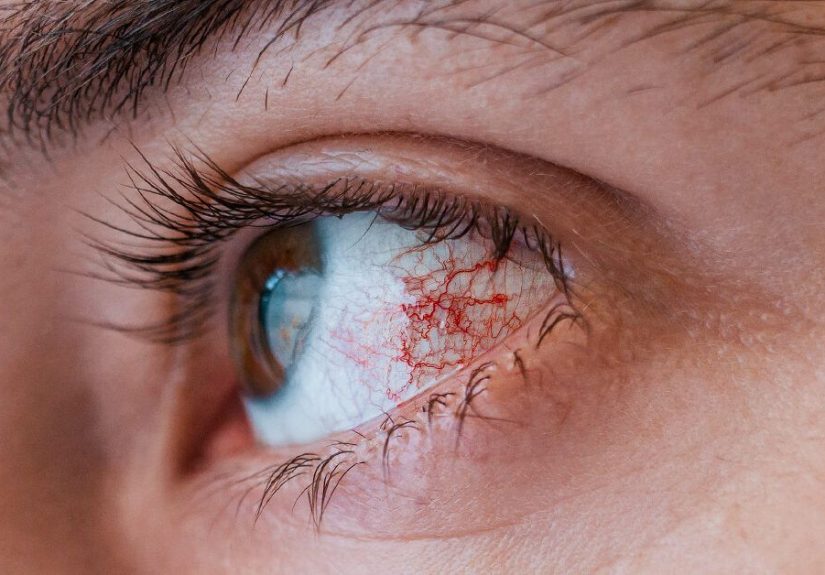
The classic look of pink eye is a red or pink tint across the white of the eye. The color may be mild and patchy or bright and obvious. The eyelids may look puffy, especially after sleep. You may notice watery tears, stringy mucus, or thicker yellow-green discharge. In some cases, eyelashes stick together in the morning because discharge dries overnight.
Many people describe the eye as looking “angry.” That is surprisingly accurate. The eye may appear irritated, glassy, wet, swollen, or crusty. You may also see redness along the inner lower eyelid if you gently pull it down. However, appearance alone does not always reveal the cause. The pattern of discharge, itching, pain, and whether one or both eyes are involved gives better clues.
Common visual signs of pink eye
- Pink, red, or bloodshot whites of the eye
- Swollen or puffy eyelids
- Watery tearing or glossy eyes
- Sticky, cloudy, yellow, or green discharge
- Crusting on eyelashes, especially after sleep
- Redness inside the eyelid
- Mild swelling around one or both eyes
Viral Pink Eye: The Watery, Contagious One
Viral pink eye is one of the most common types. It often starts in one eye and may spread to the other. The eye usually looks red, watery, and irritated rather than full of thick pus. People often describe burning, grittiness, or a foreign-body sensation, as if a tiny invisible eyelash has chosen violence.
Viral conjunctivitis commonly appears alongside a cold, sore throat, cough, or other upper respiratory symptoms. The discharge is usually thin and clear. You may wipe the eye often because it keeps watering, but the eyelids are less likely to be glued shut by thick mucus compared with bacterial pink eye.
Because viral pink eye can spread easily, good hygiene matters. Wash your hands often, avoid touching your eyes, do not share towels, and resist the urge to become the household eye-drop dispenser. Viral pink eye usually improves on its own, but symptoms can last one to two weeks, and some cases take longer.
Bacterial Pink Eye: The Sticky, Crusty One
Bacterial pink eye often looks messier. The redness may be joined by thicker discharge that can be yellow, green, cloudy, or sticky. A major clue is waking up with eyelashes stuck together. If your eye seems to have produced its own glue overnight, bacterial conjunctivitis is one possibility.
Bacterial pink eye can affect one or both eyes. It is more common in children than adults, though grown-ups are not immune to the joy of crusty lashes. The eye may feel irritated, sore, or gritty. The discharge may keep coming back throughout the day after you wipe it away.
Some mild bacterial cases can improve without antibiotics, but a healthcare professional may prescribe antibiotic eye drops or ointment, especially when there is pus-like discharge, symptoms are persistent, the person has a weakened immune system, or certain bacteria are suspected. If antibiotics are prescribed, finish the full course as directed, even if the eye looks better before the bottle is empty.
Allergic Pink Eye: The Itchy, Usually Two-Eyed One
Allergic conjunctivitis often looks like both eyes got invited to the same itchy party. The eyes may be red, watery, puffy, and intensely itchy. It is commonly triggered by pollen, pet dander, dust mites, mold, or other allergens. Unlike viral and bacterial pink eye, allergic pink eye is not contagious.
The biggest clue is itching. Not a tiny “hmm, that tickles” itch, but the kind of itch that makes you want to rub your eyes like you are polishing silver. Try not to. Rubbing can make inflammation worse and may introduce germs from your hands.
Allergic pink eye may come with sneezing, a runny nose, or seasonal allergy symptoms. Discharge is typically clear and watery rather than thick and pus-like. Cool compresses, artificial tears, allergy eye drops, and avoiding the trigger can help. If symptoms are frequent or severe, a clinician can recommend stronger treatment options.
Irritant Pink Eye: The “Something Got in My Eye” Look
Not all conjunctivitis comes from infection or allergies. Smoke, pool chlorine, air pollution, cosmetics, shampoo, cleaning sprays, or a foreign particle can irritate the conjunctiva. Irritant-related redness may appear suddenly after exposure. The eye may water heavily, sting, burn, or look red and inflamed.
If the irritation is caused by a mild exposure, symptoms may improve after flushing the eye with clean water or saline and avoiding the trigger. However, chemical exposure is different. If a chemical splashes into the eye, rinse immediately and seek urgent medical advice. Chemical eye injuries are not “wait and see” situations.
Pink Eye vs. Other Red Eye Problems
Pink eye is common, but red eyes can also come from dry eye, blepharitis, a scratched cornea, contact lens-related infection, uveitis, glaucoma, herpes eye disease, or eye injury. Some of these conditions require urgent care. That is why it is important not to diagnose every red eye as simple pink eye.
A mild itchy, watery, red eye may be manageable at home for a short time, especially if it clearly follows allergy exposure. But eye pain, vision changes, intense redness, or light sensitivity should not be ignored. Your eyes are not a place for heroic guessing.
Seek medical care quickly if you notice:
- Moderate or severe eye pain
- Blurred vision that does not clear after wiping discharge
- Strong sensitivity to light
- Intense redness in one eye
- Symptoms that worsen or do not improve
- A newborn with pink eye symptoms
- Pink eye symptoms with a weakened immune system
- Redness after chemical exposure or eye injury
- Symptoms while wearing contact lenses
What Pink Eye Looks Like in Children
In children, pink eye often announces itself through practical chaos: crusty lashes before school, a child rubbing one eye at breakfast, or a teacher sending a polite but urgent message. Kids may have redness, tearing, discharge, swelling, or complaints that the eye feels scratchy. Because children touch everything, then touch their faces, contagious pink eye can spread quickly in classrooms and day care settings.
Parents should look at the pattern. Is the discharge watery or thick? Are both eyes itchy? Is there a cold going around? Did symptoms appear after outdoor play during allergy season? These clues can help guide the next step, but a pediatrician or eye care professional should evaluate symptoms that are severe, persistent, painful, or associated with vision changes.
Teach children to wash hands often, use tissues once, avoid rubbing their eyes, and not share towels or pillows. Yes, this may require repeating yourself roughly 400 times. That is parenting math.
What Pink Eye Looks Like in Contact Lens Wearers
If you wear contact lenses and your eye becomes red, irritated, painful, watery, or light-sensitive, stop wearing your lenses right away. Contact lens wearers have a higher risk of more serious eye infections, including infections involving the cornea. A red eye in a contact lens user deserves extra caution.
Do not put lenses back in until an eye doctor says it is safe or until symptoms are fully gone if no doctor visit was needed. Replace or disinfect lenses and lens cases according to professional guidance. Never swim, shower, or use hot tubs while wearing contact lenses, because water can expose the eyes to organisms that do not belong anywhere near your cornea.
How Doctors Tell What Kind of Pink Eye You Have
Doctors usually diagnose pink eye by asking about symptoms, exposure history, recent illness, contact lens use, allergies, and by examining the eye. Most cases do not require lab testing. A sample of eye discharge may be collected if symptoms are severe, unusual, persistent, recurrent, or if a high-risk infection is suspected.
The doctor may ask questions such as: When did redness start? Is discharge watery or thick? Are both eyes affected? Do you have pain or blurry vision? Have you been around someone with pink eye? Do you wear contacts? Did anything splash into your eye? These questions may feel basic, but they are the breadcrumbs that lead to the right diagnosis.
What You Can Do at Home for Mild Pink Eye
For mild pink eye, comfort care can go a long way. Artificial tears may ease dryness and irritation. Cold compresses can reduce swelling and redness, especially with allergic or viral symptoms. Warm compresses may help loosen crusting on lashes. Use a clean cloth each time, and do not share it with anyone unless you want your bathroom to become a germ exchange program.
Wash your hands before and after touching your face. Throw away used tissues. Change pillowcases frequently. Avoid sharing towels, washcloths, makeup, eye drops, or contact lens supplies. If you use eye makeup, consider replacing products used shortly before or during symptoms, especially mascara and eyeliner. Eye germs love mascara wands far more than anyone invited them to.
Safe home-care tips
- Use artificial tears for dryness and irritation.
- Apply a clean cool compress for swelling or itchiness.
- Use a warm damp cloth to soften dried crust on lashes.
- Wash hands often and avoid touching or rubbing the eyes.
- Do not share towels, pillowcases, eye makeup, or eye drops.
- Stop wearing contact lenses until symptoms resolve or an eye doctor clears you.
What Not to Do When Your Eye Looks Pink
Do not use leftover antibiotic eye drops from an old infection. The cause may be viral or allergic, and the wrong medication can irritate the eye or delay proper care. Do not use steroid eye drops unless prescribed and supervised by an eye professional. Steroids can worsen certain infections and may create serious complications when used incorrectly.
Do not put breast milk, lemon juice, essential oils, or “natural” kitchen experiments into the eye. Your eyeball is not a smoothie bar. The eye is delicate, and unapproved substances can cause irritation, infection, or injury. Stick with clean compresses, artificial tears, and professional guidance.
How Long Pink Eye Usually Lasts
How long pink eye lasts depends on the cause. Viral pink eye often improves within one to two weeks, though some cases linger. Mild bacterial pink eye may improve in a few days but can take up to two weeks to fully clear. Allergic pink eye may continue as long as the allergen is present, which is why spring allergies can feel like nature personally mailed pollen to your face.
If symptoms get worse, do not improve after several days of home care, or include pain, vision changes, intense redness, or light sensitivity, get medical help. Persistent redness deserves a real exam, not another round of mirror-based research.
Experience Section: Real-Life Lessons About Knowing What Pink Eye Looks Like
One of the most useful experiences with pink eye is learning that the first sign is not always dramatic redness. Sometimes it starts as a strange scratchy feeling, as if a tiny piece of dust is trapped under the eyelid. You blink, rinse, blink again, and still feel annoyed. By the next morning, the eye may look pink, watery, and puffy. This early stage is easy to dismiss, especially if you stare at screens all day or have seasonal allergies. But when scratchiness comes with new redness and discharge, it is worth paying attention.
Another common experience is the “morning clue.” Many people first suspect pink eye when they wake up and their eyelids feel stuck together. A little crust can happen from dryness or sleep, but thick crusting, sticky lashes, and repeated yellowish discharge during the day make bacterial pink eye more likely. Parents often notice this in children before kids can explain what they feel. The child may simply rub the eye, complain that it feels weird, or avoid bright light at breakfast.
Allergy-related pink eye has a different personality. People who deal with spring or fall allergies often recognize the pattern: both eyes red, both eyes watery, both eyes itchy, and a nose that has joined the rebellion. The itch is often the giveaway. Infectious pink eye can itch too, but allergic conjunctivitis tends to make rubbing feel almost irresistible. The lesson here is that symmetry matters. If both eyes flare during pollen season and there is clear tearing instead of pus, allergies may be the main suspect.
Contact lens wearers often learn a stricter rule: do not gamble with red eyes. A contact lens user who wakes up with redness, pain, light sensitivity, or blurred vision should take lenses out immediately and contact an eye care professional. Many people want to “just wear glasses for the day and see,” but contact lens-related infections can become serious quickly. The practical experience is simple: glasses may not be your favorite look, but they are much better than ignoring a possible corneal problem.
Another lesson is that pink eye is not just an eye issue; it is a household logistics event. Once one person has contagious pink eye, towels, pillowcases, makeup, tissues, and handwashing suddenly become very important. Families often discover that one shared hand towel can act like a tiny public transportation system for germs. Switching to individual towels, washing pillowcases, cleaning commonly touched surfaces, and reminding everyone not to touch their eyes can reduce spread.
Finally, experience teaches humility. Pink eye can look obvious, but red eyes can fool you. A painful red eye, vision changes, severe light sensitivity, chemical exposure, or symptoms in a newborn should never be treated casually. The smartest move is not panic; it is pattern recognition. Look at the color, discharge, itchiness, pain level, vision, contact lens use, and exposure history. Then choose the safest next step. Your eyes do a lot for you every day. They deserve better than guesswork and expired eye drops from 2019.
Conclusion
Knowing what pink eye looks like can help you respond faster and smarter. The main signs include pink or red eyes, watering, irritation, swelling, discharge, and crusty eyelashes. Viral pink eye is often watery and contagious, bacterial pink eye may be thicker and stickier, allergic pink eye is usually very itchy and affects both eyes, and irritant-related redness often follows exposure to smoke, chemicals, chlorine, or cosmetics.
Most mild cases improve with simple care, such as artificial tears, clean compresses, handwashing, and avoiding contact lenses. But some symptoms need medical attention, especially eye pain, blurred vision, intense redness, light sensitivity, newborn symptoms, chemical exposure, or red eyes in contact lens wearers. When in doubt, let an eye care professional take a look. Your eyes are small, but they are running the whole visual department.