Table of Contents >> Show >> Hide
If most kitchens are hardworking rooms, a Henrybuilt kitchen system is the overachiever who somehow looks relaxed while doing it. It chops, stores, hides clutter, flatters the architecture, and still has the nerve to look calm at 7:12 p.m. when dinner is late and someone is asking where the tongs went. In other words, this is not just cabinetry wearing a fancy outfit. It is a kitchen built around the idea that daily life deserves design that actually pulls its weight.
Henrybuilt has earned a strong reputation in American kitchen design because it approaches the kitchen as a coordinated system rather than a row of boxes attached to a wall. That sounds simple, but it changes everything. Instead of treating storage, lighting, work surfaces, wall elements, islands, and organization as separate decisions, Henrybuilt treats them as parts of one integrated experience. The result is a kitchen that often feels less like “installed cabinets” and more like architecture with very good manners.
For homeowners, architects, and design obsessives who want a kitchen that works as beautifully as it looks, Henrybuilt sits in a rare lane. It is premium, highly considered, and deeply intentional. It is also unmistakably American in its craft-forward sensibility, even while borrowing the discipline and logic associated with European kitchen systems. That blend is a big part of the appeal: refined but not fussy, minimalist but not cold, technical but still deeply human.
What Makes Henrybuilt Different?
The easiest way to understand Henrybuilt kitchen systems is to stop thinking in terms of cabinets and start thinking in terms of relationships. In a traditional kitchen project, you might choose cabinets from one place, counters from another, lighting from somewhere else, and organizational inserts as an afterthought. Henrybuilt flips that model. Its kitchens are designed as a network of interrelated parts that support cooking, serving, cleaning, storing, and living.
That system-based mindset is why Henrybuilt kitchens often feel unusually coherent. Drawer interiors are not treated as an afterthought. Wall elements are not just decorative filler. Work surfaces are not only pretty slabs. Everything has a role, and more importantly, everything knows where it belongs. It is a little like having a kitchen with excellent executive function.
Architectural Integration, Not Decorated Cabinetry
One of Henrybuilt’s biggest strengths is the way its kitchens sit comfortably inside a home’s architecture. These kitchens are often designed to feel built into the bones of a space rather than dropped in at the last minute like a stylish houseguest with too much luggage. That matters whether the home is a crisp modern build, a warm midcentury renovation, a Brooklyn brownstone, or a coastal retreat that wants to look unfussy while costing more than your emotional stability.
Rather than chasing trend-driven drama, Henrybuilt leans into proportion, detail, material quality, and usability. That is why the work often ages well. You are less likely to see gimmicks and more likely to see a thoughtful reveal, a refined pull, a carefully judged shelf, or a counter detail that makes life easier every single day.
Materials and Craftsmanship: The Quiet Flex
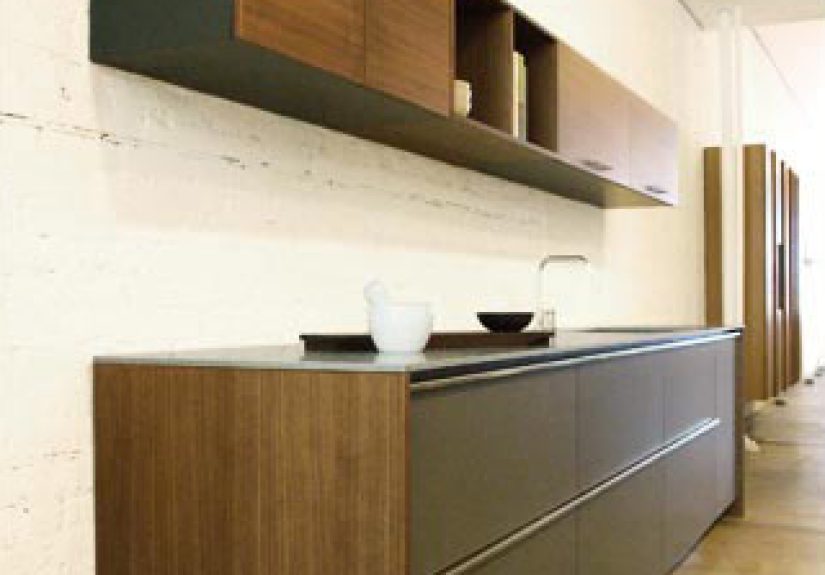
Henrybuilt is known for using materials that feel substantial without shouting. Wood species such as walnut and oak often appear in ways that emphasize grain, warmth, and tactility. Laminates are used strategically, not apologetically, and can bring durability and visual restraint. Metal details, including stainless steel, brass, and aluminum elements, add precision and longevity. PaperStone and other hardworking materials show up where performance matters. This is one reason Henrybuilt kitchens tend to feel both elevated and livable: the materials are chosen to be touched, used, and worn in, not merely admired from a safe distance.
Craft is central to the Henrybuilt story. The brand’s kitchens are made to order, and the workmanship is part of the value proposition. You can see it in the way integrated pulls align, in the care given to drawer interiors, and in the furniture-like quality of many pieces. Even the inside of the system is expected to be worth looking at, which is good news for anyone who has ever opened a drawer and felt personally offended by flimsy dividers.
Made for Real Use, Not Just Pretty Photos
Luxury kitchen brands sometimes fall into one of two traps: they either become too precious to use or too “performance driven” to feel inviting. Henrybuilt tries to avoid both. The work is visually refined, yes, but it is also built around specific daily activities. Cutting boards have places to go. Frequently used tools are meant to stay accessible. Wall systems can support a more active, flexible style of living. Lighting is integrated to improve use, not just ambience. The whole thing is designed to reduce friction.
That functional intelligence is a major reason Henrybuilt resonates with serious cooks and design-conscious families alike. It acknowledges that kitchens today are not sealed-off workrooms. They are command centers, social zones, coffee stations, homework desks, late-night snack arenas, and occasional emotional support spaces. A good system should handle all of that without falling apart aesthetically.
Storage That Feels Smarter Than You
If there is one area where Henrybuilt kitchen systems really shine, it is organization. Not the annoying kind that makes you buy 47 matching bins and then feel guilty. The useful kind. Henrybuilt’s storage thinking is rooted in how people actually move through a kitchen. That means deep drawers where they make sense, flexible dividers where clutter tends to collect, open and closed storage working together, and wall-based systems that keep essential items handy without making the room look busy.
The company’s well-known details, such as integrated bar blocks, organized drawer systems, and adaptable wall features, help solve real kitchen annoyances. Awkward cutting boards, oils, tools, serving pieces, and everyday items can be placed close to where they are used. That reduces the tiny inefficiencies that make kitchens feel chaotic over time. A Henrybuilt kitchen often succeeds not because it has more stuff, but because it gives existing stuff a more intelligent home.
Open Storage, But Make It Civilized
Open shelving in kitchens can be glorious or disastrous, with very little middle ground. Henrybuilt tends to handle this tension well by treating open elements as part of a controlled visual composition. Shelves, panels, and display zones are balanced by closed storage and architectural lines, so the room still feels composed. You get access and airiness without turning the kitchen into a retail display for your mismatched cereal boxes.
This is also where Henrybuilt’s wall systems stand out. Rather than seeing walls as dead space, the brand often turns them into functional surfaces that support lighting, shelves, hooks, accessories, or display. That can be especially useful in urban kitchens, compact renovations, or homes where every inch needs to justify its existence.
The Henrybuilt Aesthetic: Warm Minimalism With a Backbone
Minimalism gets blamed for a lot. Sterility. Coldness. The occasional kitchen that looks like it would report you for leaving a mug on the counter. Henrybuilt generally avoids those pitfalls by softening modern lines with material richness and by designing around use rather than image alone. Its kitchens often have clean fronts, disciplined geometry, and integrated details, but they also have texture, warmth, and a lived-in logic that keeps them from feeling aloof.
That balance is one reason Henrybuilt appears in such a wide range of homes. Design coverage has shown the brand working in everything from historic properties and family-focused brownstones to dramatic coastal houses and carefully restored midcentury residences. The common thread is not one style. It is a commitment to making the kitchen feel resolved, useful, and deeply tied to the character of the home.
Why Architects and Design-Literate Homeowners Pay Attention
Architects tend to appreciate Henrybuilt because it offers a system that can be woven into a broader architectural vision. Homeowners appreciate it because the beauty is not abstract. It is practical. It lives in the details you interact with all day long: a drawer that opens smoothly, a shelf that lands at the right height, a counter that works hard without making the room feel busy, a wall system that keeps order without requiring a personality transplant.
In short, Henrybuilt has figured out something many luxury brands still miss: the kitchen is not only an object to be admired. It is a tool for living. A very handsome tool, yes, but still a tool.
Who Should Consider a Henrybuilt Kitchen System?
Henrybuilt is best suited to homeowners who are planning a meaningful renovation or a new build and want the kitchen to be central to the quality of everyday life. It makes particular sense for people who value tailored design, material integrity, and a strong relationship between architecture and function. If you cook often, entertain regularly, or simply want a kitchen that behaves like it has thought things through, Henrybuilt is an attractive option.
It is also a good fit for people who appreciate long-term value over short-term trendiness. Henrybuilt is not a bargain solution, nor does it pretend to be. This is premium, made-to-order work. The payoff is in the coherence, customization, durability, and overall experience. Think of it less as buying cabinets and more as commissioning a system for one of the most used rooms in your home.
A Few Honest Considerations
Of course, Henrybuilt is not for everyone. The investment level is significant, and the process tends to reward people who engage early and think carefully about how they want to live. If you love changing your kitchen personality every time a new social media trend appears, a highly integrated system may feel too committed. And if your dream kitchen is pure maximalist chaos, with five tile patterns and a chandelier that looks like it escaped from an opera set, Henrybuilt’s refined restraint may not be your soulmate.
But for the right homeowner, that restraint is the point. It lets the kitchen stay useful, beautiful, and believable over time.
The Experience of Living With a Henrybuilt Kitchen System
Now let’s talk about the part brochures usually gesture toward but real life eventually decides: experience. What is it actually like to live with a kitchen system like this?
Imagine walking into the kitchen early in the morning. The room is quiet, not because it is empty, but because it is organized. The coffee setup is exactly where it should be. Mugs are nearby. Filters are not buried behind birthday candles, mystery batteries, and the cinnamon you forgot you had. The counter is not screaming for attention. It is simply ready. That sense of readiness is one of the underrated luxuries of a truly thoughtful kitchen system.
As the day moves on, the experience shifts without the room falling apart. During breakfast, the kitchen feels efficient. During lunch, it becomes a light workspace where things are accessible and movement feels easy. By late afternoon, it starts acting like a social room. Someone leans on the island. Someone else reaches for a cutting board that has an actual home instead of being wedged beside baking sheets like a commuter on a packed train. Nothing about the kitchen feels theatrical, yet everything feels prepared.
That is part of the Henrybuilt appeal: the design supports the rituals of living instead of competing with them. There is satisfaction in opening a drawer and finding exactly what you need without rummaging. There is relief in having open storage that looks intentional rather than accidental. There is even a small, daily joy in surfaces and materials that feel good to touch. These things sound minor until you repeat them hundreds of times a year. Then they become the difference between a kitchen that drains you and one that quietly helps.
The social experience matters too. Many kitchens look clean only when nobody is using them. Henrybuilt systems are often designed to handle the awkward overlap between working kitchen and living space. You can prep food while talking to friends. You can hide some mess while keeping useful tools close at hand. The room can support cooking and conversation at the same time, which is more important than ever in open-plan homes where the kitchen is basically auditioning to be the lead actor in family life.
There is also a psychological effect to good kitchen design that people do not always mention. When a kitchen has order, people tend to use it better. Cooking feels less like a chore. Cleanup becomes less chaotic. Hosting feels more manageable. Even the visual calm can change your mood. A well-designed kitchen does not make life perfect, sadly. It will not stop onions from making you cry or guests from arriving early. But it can remove a surprising amount of friction from everyday routines.
Over time, that may be the strongest argument for Henrybuilt kitchen systems. They are not trying to impress you for five minutes in a showroom and then leave you alone with your life. They are trying to improve the texture of ordinary days. The best versions of these kitchens do exactly that. They make cooking easier, storage smarter, mess more manageable, and the room itself more deeply connected to the way you live. Not flashy. Not loud. Just very, very good at being there when you need it.
Final Thoughts
Henrybuilt kitchen systems occupy a compelling place in the American design landscape. They combine architectural discipline, high-level craftsmanship, and unusually thoughtful functionality in a way that feels both premium and practical. These kitchens are not merely designed to be seen. They are designed to be lived with, used hard, and appreciated slowly over time.
That may be why they continue to stand out. In a market crowded with pretty surfaces and trend-chasing ideas, Henrybuilt offers something more enduring: a kitchen that understands the difference between style and substance, then politely insists on giving you both.