Table of Contents >> Show >> Hide
- What Is the Quick, Exactly?
- How to Stop a Quick from Bleeding Fast
- What to Do If the Nail Is Torn, Split, or Broken
- What Not to Do
- How Long Should a Quick Bleed?
- Aftercare: What to Watch for Over the Next 24 Hours
- How to Prevent Cutting the Quick Next Time
- How to Trim Black Nails Without Losing Your Mind
- When to Call the Vet
- Quick FAQ
- Experience-Based Lessons From Real-Life Nail Trim Mishaps
- Final Thoughts
If you have ever clipped your dog’s nail, heard a tiny yelp, and instantly felt like you should be tried by a jury of golden retrievers, welcome. You probably hit the quick. It happens to first-timers, seasoned pet parents, and yes, even professional groomers. The good news is that a quick bleed usually looks scarier than it is. The better news is that you can usually stop it fast with the right steps, a calm hand, and maybe a little dignity recovery afterward.
This guide explains exactly how to stop a quick from bleeding, what the quick actually is, when you can handle it at home, and when it is time to call the vet. We’ll also cover how to prevent this little blood-pressure spike from happening again, especially if your pet has black nails, dramatic energy, or both.
What Is the Quick, Exactly?
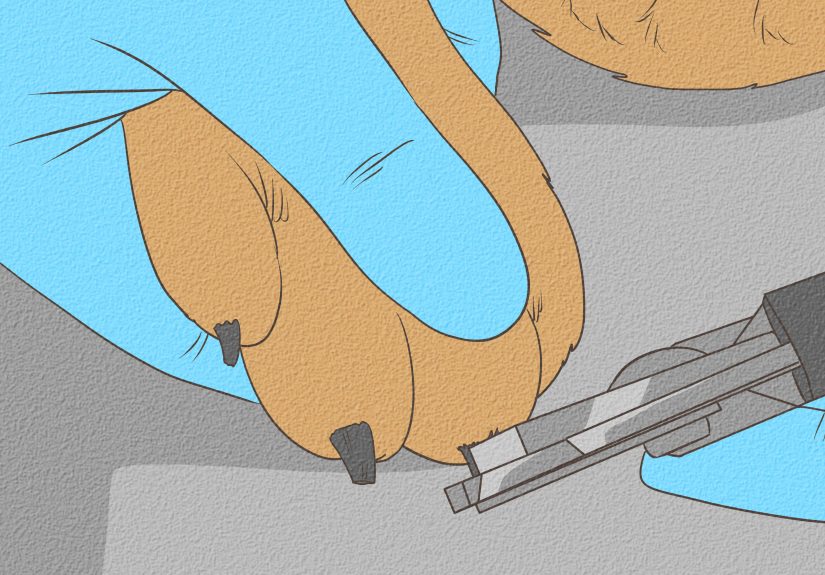
The quick is the soft inner part of your pet’s nail that contains blood vessels and nerves. In light-colored nails, it usually appears pink and is easier to spot. In black or dark nails, it is much harder to see, which is why trimming can feel like defusing a tiny furry bomb.
When you cut into the quick, the nail bleeds because you have nicked that blood supply. It also hurts, which is why your dog may jerk away, glare at you like you canceled Christmas, or suddenly decide nail trims are a personal betrayal. Cats can react the same way, only with more speed and sharper opinions.
How to Stop a Quick from Bleeding Fast
1. Stay calm and keep your pet still
Your first job is not magic. It is management. If your pet keeps walking, licking, or flinging the paw around like a tiny crime scene sprinkler, the bleeding will take longer to stop. Speak calmly, move your pet to a quiet area, and gently hold the paw. If possible, have another person help with comfort and restraint.
The calmer you are, the easier this gets. Your pet may not appreciate your effort in the moment, but future you will appreciate not chasing bloody paw prints through the kitchen.
2. Apply styptic powder first if you have it
If you keep a pet first-aid kit, this is the moment for styptic powder to earn its rent. Dip the bleeding nail into a small amount of powder or press the powder directly onto the tip of the nail. Hold gentle pressure for several seconds so it sticks and starts helping the blood clot.
Styptic powder is usually the fastest at-home option for a nicked quick. A styptic stick or pencil may also help, but powder tends to be easier to apply to a fresh nail trim accident.
3. No styptic powder? Use cornstarch or flour
If you do not have styptic powder, do not panic-buy your way through the medicine cabinet. Plain cornstarch works well as a backup. Flour can help too. Put a little in your palm or a small cup, then press the nail tip into it. You can also pinch some onto the nail and apply light pressure for a minute or two.
This home fix is not fancy, but it is useful. It is the pet-care equivalent of wearing sweatpants to solve a real problem. Not glamorous, but highly effective.
4. Use steady pressure and give it a minute
Whether you use styptic powder, cornstarch, or flour, the key is pressure plus patience. Hold the paw still and avoid checking the nail every three seconds. Constant peeking can break up the clot before it forms. In many minor quick cuts, the bleeding slows and stops within a few minutes.
If the nail is still oozing, reapply your clotting agent and hold pressure again. A small nick can look dramatic because nails are vascular, but that does not automatically mean it is an emergency.
5. Keep your pet off the paw for a little while
Once the bleeding stops, keep your pet calm for at least 20 to 30 minutes if you can. No zoomies, no staircase Olympics, no “let’s celebrate surviving the nail trim with a backyard sprint.” Too much activity can restart the bleeding.
If your pet keeps licking the toe, distract them with treats, a lick mat, or quiet cuddle time. Some pets may need a sock, light wrap, or cone if they are determined to investigate the nail with the dedication of a detective.
What to Do If the Nail Is Torn, Split, or Broken
A cut quick and a broken nail are not the same thing. If the nail is split, hanging, cracked up the nail bed, or partly torn off, you may be dealing with more than a simple trim-too-short mishap. Broken nails can be painful, messy, and prone to reopening.
In that case, apply pressure to control bleeding and contact your veterinarian. A torn nail sometimes needs to be trimmed back properly, cleaned, bandaged, or treated for pain. If your pet is limping, crying, hiding, refusing to put weight on the paw, or the nail looks mangled, skip the home heroics and get professional help.
What Not to Do
- Do not keep trimming after you hit the quick. The nail session is over. The paw has filed a formal complaint.
- Do not scrub the area aggressively. You want a clot, not a replay.
- Do not use harsh products like alcohol or hydrogen peroxide directly on the injury. They can irritate tissue and slow healing.
- Do not let your pet race around right away.
- Do not ignore ongoing bleeding, severe pain, or a torn nail.
How Long Should a Quick Bleed?
A minor quick cut often stops bleeding within a few minutes when you use styptic powder or cornstarch and apply pressure. If bleeding continues beyond 10 to 15 minutes, or it slows but keeps restarting, that is a sign to call your veterinarian. The same goes for pets with known clotting issues, pets taking medications that affect bleeding, or pets that seem unusually weak or distressed.
In short, a little blood is common. A lot of blood, a long bleed, or repeated bleeding is not something to shrug off.
Aftercare: What to Watch for Over the Next 24 Hours
Once the drama dies down, keep an eye on the toe. Most quick injuries heal without much fuss, but you still want to watch for:
- recurrent bleeding after walking or licking
- swelling around the toe
- obvious pain or limping
- redness, discharge, or a bad smell
- a pet that will not let you touch the foot at all
If the toe looks worse instead of better, or if your pet seems miserable, call the vet. A small quick cut should improve, not turn into a full soap opera.
How to Prevent Cutting the Quick Next Time
Trim less, not more
The biggest mistake people make is trying to take off too much nail in one cut. Small clips are safer. Much safer. Think “tiny shavings” rather than “bold life choice.” Trimming just a little at a time reduces the chance of hitting the quick and makes it easier to stop at the right moment.
Learn the visual cues
On light nails, avoid the pink center. On dark nails, clip tiny bits and look at the cut end. As you get closer to the quick, the center of the nail often changes appearance. You may start seeing a small darker dot or a more distinct inner circle. That is your sign to stop before you turn grooming into first aid.
Use the right tool
Sharp pet nail clippers matter. Dull clippers crush instead of cleanly cutting, which can make the process more painful and less precise. Some pet parents prefer a grinder because it removes nail gradually and can reduce the chance of taking off too much at once. If you use a grinder, work in short bursts so the nail does not get hot.
Trim more often
Regular nail trims can help the quick recede over time. When nails get very long, the quick often grows out with them, which means there is less nail you can safely remove. Frequent, modest trims are easier than waiting until your dog sounds like they are tap dancing through the hallway.
Go slow with fearful pets
You do not have to finish every nail in one session. In fact, for anxious pets, that is usually a terrible plan. Work up to it. Touch a paw, offer a treat. Hold a clipper near the paw, offer a treat. Clip one nail, throw a tiny parade, and stop there if needed. Progress counts.
How to Trim Black Nails Without Losing Your Mind
Black nails make quick spotting harder, but not impossible to manage. The safest approach is to trim only the tip, then reassess after each tiny cut. Good lighting helps. A calm pet helps more. Some owners like to trim after a walk, when their dog is a little less powered by chaos.
If black nails consistently stress you out, try a nail grinder or ask your groomer or veterinarian to show you where they stop. One in-person demo can save you a lot of future guesswork. There is no prize for white-knuckling your way through a nail trim when expert help is available.
When to Call the Vet
Call your veterinarian if:
- the bleeding does not stop after 10 to 15 minutes of steady pressure and clotting powder
- the nail is torn, split, or hanging off
- your pet is limping or in obvious pain
- the toe becomes swollen, red, or infected-looking
- the bleeding keeps restarting when your pet walks
- your pet has a known bleeding disorder or seems to bruise easily
- you cannot safely handle your pet without risking a bite or scratch
There is a difference between “annoying but manageable” and “this needs a professional.” Trust the difference. If the nail looks bad, probably believe your eyes.
Quick FAQ
Can I use baking soda to stop a quick from bleeding?
Some pet care sources mention baking soda as a backup, but styptic powder and cornstarch are the more common go-to choices. If you have cornstarch, use that first.
Should I bandage the toe?
Usually not for a tiny quick nick, unless your pet keeps reopening it. If you do wrap the paw, keep it light and not tight. A too-snug bandage can create bigger problems than the nail did.
Can a quick get infected?
Yes, though a simple nick often heals well. Infection risk rises if the nail is torn, the area stays dirty, or your pet won’t stop licking it.
Is it okay to keep trimming the other nails afterward?
Technically, maybe. Emotionally, probably not. Most pets are done after a quick is cut. It is usually smarter to stop, regroup, and come back another day.
Experience-Based Lessons From Real-Life Nail Trim Mishaps
People who have dealt with a bleeding quick tend to remember the moment in unusually vivid detail. It is rarely because the injury was severe. It is because the combination of surprise, guilt, and tiny droplets of blood on a pale floor can make a routine grooming task feel wildly dramatic. One of the most common experiences owners describe is panic caused by the visual, not the actual medical risk. A small quick cut can look like a much bigger deal than it is, especially on light fur, tile, or carpet. The first lesson many owners learn is that their reaction sets the tone. The more frantic the human becomes, the more the pet squirms, and the harder it is to get the bleeding under control.
Another common lesson is that preparation matters more than confidence. Plenty of owners start trimming nails thinking, “I’ve got this,” only to realize halfway through that they have no styptic powder, no cornstarch within reach, and no plan besides apologizing to the dog. After one bad experience, people usually become much more organized. They gather treats, a towel, a clotting agent, and better lighting before the next trim. In that sense, the quick teaches a useful lesson: nail trimming is not difficult, but it goes better when you respect it a little.
There is also a pattern in how pets react afterward. Many do not stay upset for long. Owners often feel terrible for hours, while the dog has already moved on emotionally and is mostly annoyed that snack service was delayed. Cats are less likely to forgive in such a transparent way, but even then, the incident usually becomes more stressful in memory than in reality. What seems to matter most is what happens next. If the next few nail sessions are rushed or tense, the pet may start associating nail trims with fear. If the owner slows down, uses treats, clips less, and stops early, many pets regain trust surprisingly well.
Owners also learn that shorter, more frequent sessions beat marathon trimming every single time. Trying to finish every nail in one sitting often leads to impatience, and impatience is where the quick gets introduced to the conversation. By contrast, one or two nails a day feels manageable. It keeps both sides calmer and helps the person trimming notice subtle visual cues before a mistake happens.
Perhaps the biggest experience-based takeaway is this: cutting the quick once does not mean you are bad at grooming your pet. It means you are a person who trimmed a nail and got a little too close. That is all. The smarter response is not to swear off nail care forever. It is to adjust your method, keep the right supplies nearby, and trim with a little more strategy next time. In the world of pet care, that is not failure. That is field research.
Final Thoughts
If you are wondering how to stop a quick from bleeding, the short answer is simple: stay calm, apply styptic powder if you have it, use cornstarch if you do not, hold steady pressure, and keep your pet quiet while the clot forms. Most minor quick cuts stop without much trouble. The bigger challenge is usually preventing the next one.
Use small trims, good lighting, sharp tools, and realistic expectations. If your pet hates nail day, work in tiny steps and reward generously. And if the nail is torn, the bleeding will not stop, or your pet seems truly painful, let your vet take it from there. You do not need to win every grooming battle at home. Sometimes the most responsible move is handing the clippers to a professional and preserving your relationship with your dog.