Table of Contents >> Show >> Hide
- What Is a Japanese Painted Fern?
- Why Gardeners Love Japanese Painted Ferns
- Best Growing Conditions for Japanese Painted Ferns
- How to Plant Japanese Painted Ferns
- Japanese Painted Fern Care Tips Throughout the Year
- How Often Should You Water Japanese Painted Ferns?
- Fertilizer Needs
- Pruning and Cleanup
- How to Propagate Japanese Painted Ferns
- Common Problems and How to Fix Them
- Can You Grow Japanese Painted Ferns in Containers?
- Best Companion Plants for Japanese Painted Ferns
- Real-World Growing Experiences With Japanese Painted Ferns
- Final Thoughts
Some plants scream for attention with giant flowers and dramatic perfume. Japanese painted ferns take a more elegant approach. They stroll into the shade garden wearing silver, green, and burgundy like they own the runway, then quietly make everything around them look better. If your yard has a dark corner that feels more “mysterious forest” than “Instagram-worthy retreat,” this fern may be the upgrade you need.
Beloved for its metallic-looking fronds and easygoing nature, Japanese painted fern is one of the most stylish shade perennials you can grow. It is not flashy in the loudest sense, but it is unforgettable. Once planted in the right spot, it adds texture, movement, and cool color to borders, woodland gardens, containers, and underplantings. Better yet, it does all this without demanding constant pampering.
In this guide, you will learn exactly how to grow and care for Japanese painted ferns, from light and soil needs to watering, dividing, troubleshooting, and design ideas that help this fern shine.
What Is a Japanese Painted Fern?
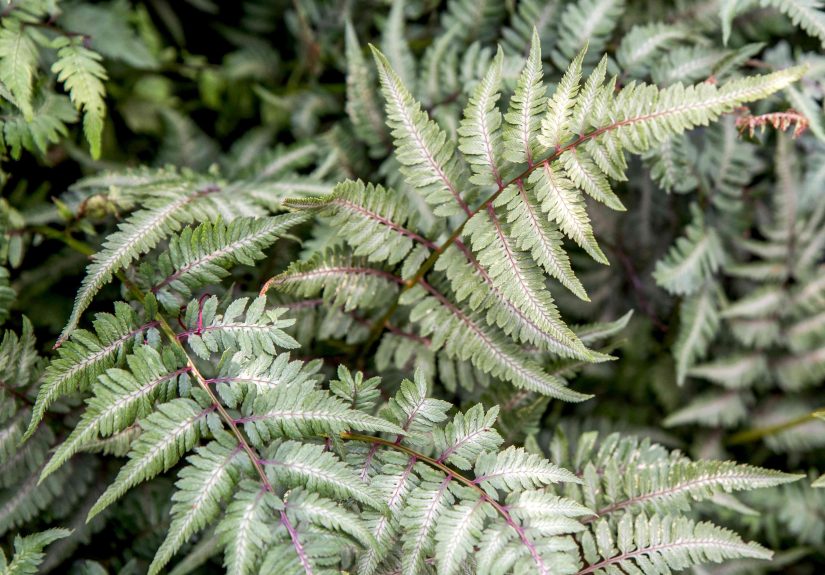
Japanese painted fern, commonly listed as Athyrium niponicum var. pictum or simply Athyrium niponicum, is a deciduous fern prized for its soft gray-green fronds brushed with silver and accented by burgundy or deep purple stems and midribs. In plain English: it looks like someone gave a woodland fern a very tasteful makeover.
This fern typically forms a slowly spreading clump rather than a wild, take-over-the-neighborhood colony. Mature plants are usually around 12 to 18 inches tall, sometimes stretching closer to 24 inches in especially happy conditions. The fronds arch gently, creating a graceful mound that looks right at home beside hostas, heucheras, astilbes, hellebores, and other shade-loving plants.
Japanese painted fern is often listed for USDA hardiness Zones 4 through 8, though some gardeners report success a bit wider depending on the cultivar and local conditions. It is especially valued in woodland-style gardens because it offers color without needing flowers to do the heavy lifting.
Why Gardeners Love Japanese Painted Ferns
If shade gardening sometimes feels like choosing between “green leaf number one” and “green leaf number two,” Japanese painted fern breaks the monotony. Its foliage has a frosted, silvery cast that brightens darker spaces and plays beautifully against broad-leaved companions.
Top reasons this fern earns a spot in the garden
It adds color in shade. The silver-gray foliage catches light in places where bold bloomers often struggle.
It has great texture. The finely cut fronds contrast beautifully with rounder or larger leaves.
It is low maintenance. Once established in a suitable location, it does not ask for much beyond regular moisture and occasional cleanup.
It is generally resistant to major problems. Japanese painted fern is not known for serious pest or disease issues.
It is often less attractive to deer and rabbits. No plant is truly immune when wildlife gets hungry, but ferns are often lower on the menu.
Best Growing Conditions for Japanese Painted Ferns
Light Requirements
The sweet spot for Japanese painted fern is part shade to full shade. In many gardens, light shade produces the best foliage color. Too much deep shade can reduce the silver effect, while too much direct sun can scorch the fronds, bleach the color, or turn a classy fern into a sad, crispy cautionary tale.
In cooler climates, some morning sun may be fine, especially if the soil stays evenly moist. In hotter regions, protect the plant from harsh afternoon sun. Think filtered light under trees, the north or east side of a house, or a border that gets gentle sun early and shade later.
Soil Needs
If there is one thing Japanese painted fern would like to discuss with your garden, it is soil quality. This plant performs best in organically rich, well-drained soil with consistent moisture. A humus-rich woodland-style soil is ideal. That means soil improved with compost, leaf mold, or other organic matter.
Heavy clay that stays soggy can cause trouble, and dry sandy soil is not much better. The goal is moisture retention without waterlogging. If your soil is tired, compacted, or mostly regrets, work in compost before planting.
Moisture and Humidity
Japanese painted fern likes moisture the way coffee lovers like morning routines: consistently. It does not want to dry out completely. Regular water is especially important during the first growing season, in hot weather, or if the plant is grown in a container.
That said, this is not a swamp plant. Wet, stagnant soil can lead to crown problems. Aim for evenly moist soil, not mud soup.
How to Plant Japanese Painted Ferns
Plant Japanese painted ferns in spring or fall when temperatures are moderate and the soil is workable. These seasons reduce stress and give roots time to settle in before summer heat or winter cold arrives.
Step-by-step planting guide
1. Pick the right site. Choose a shady or partly shaded location with rich, well-drained soil.
2. Improve the soil. Mix in compost or leaf mold to boost organic matter and help the soil hold moisture.
3. Dig a generous hole. Make the hole about as deep as the root ball and a bit wider.
4. Set the plant at the same depth it was growing in the pot. Do not bury the crown too deeply.
5. Backfill and water well. Firm the soil gently and water thoroughly to settle it in.
6. Mulch lightly. Add a layer of shredded leaves or bark mulch around the plant, keeping mulch away from the crown.
Space plants about 18 to 24 inches apart if you want them to fill in naturally without crowding. They spread slowly, so patience helps. This is a fern, not a reality-show contestant. It does not do dramatic overnight moves.
Japanese Painted Fern Care Tips Throughout the Year
Spring
New fronds often emerge later in spring than some gardeners expect, so do not panic too early if your plant seems fashionably late. Once fresh growth appears, clear away old dead fronds if you did not cut them back in fall. Spring is also a good time to divide established clumps.
Summer
This is when moisture management matters most. Water during dry spells, especially for newly planted ferns. A layer of mulch helps keep roots cool and soil evenly moist. If your fern starts looking washed out or crispy at the edges, it may be getting too much sun or too little water.
Fall
As temperatures cool, the plant begins winding down. In many climates, the fronds will eventually die back after frost. You can leave the foliage in place for a bit of winter interest and extra crown protection, or cut it back once it looks tired.
Winter
Because Japanese painted fern is deciduous, it goes dormant in winter. In colder regions, a light mulch can help protect the crown. Container-grown plants may need extra winter shelter since roots in pots are more exposed than roots in the ground.
How Often Should You Water Japanese Painted Ferns?
A newly planted fern should be watered regularly so the root zone stays evenly moist. Once established, it still prefers consistent moisture, especially during warm weather. There is no universal calendar because soil type, temperature, rainfall, and shade level all affect watering needs.
A better rule is this: check the soil. If the top inch starts feeling dry, it is usually time to water. Deep watering is better than constant shallow sprinkles. Containers may need more frequent watering because pots dry out faster than garden beds.
If you tend to forget watering, this is a good plant to place where a hose can reach easily. The fern will not judge you, but crispy fronds might.
Fertilizer Needs
Japanese painted fern is not a heavy feeder. In rich soil amended with compost, it may need little to no extra fertilizer. In average soil, a light application of compost in spring is often enough.
If you choose to fertilize, keep it gentle. A balanced slow-release fertilizer or a dilute liquid feed in spring can help, but overfeeding may encourage weak growth. This is not a tomato plant trying to win a county fair ribbon. Subtlety works better here.
Pruning and Cleanup
Japanese painted fern does not require much pruning. Most maintenance is simple seasonal cleanup. Remove damaged, dried, or tattered fronds as needed during the growing season. After the plant dies back in fall or winter, cut away old foliage if desired.
Some gardeners prefer leaving spent fronds in place until late winter or early spring for extra insulation and visual texture. Either approach works, as long as you clear old growth before the new fronds unfurl.
How to Propagate Japanese Painted Ferns
The easiest way to propagate Japanese painted fern is by division. This is best done in spring as new growth begins, or in early fall when temperatures are cooler.
How to divide Japanese painted fern
Dig up the clump carefully, keeping as much of the root system intact as possible. Use a clean, sharp knife or spade to separate the plant into smaller sections, making sure each division has healthy roots and some crown growth. Replant right away, water well, and keep the soil evenly moist while the divisions establish.
Division is useful not only for making more plants, but also for refreshing older clumps and controlling size in the garden.
Common Problems and How to Fix Them
Brown or Crispy Fronds
This usually points to too much sun, dry soil, hot wind, or low moisture stress. Move the plant to a shadier location if needed, increase mulch, and water more consistently.
Faded Color
If the silver tones look less impressive, the plant may be in too much deep shade or struggling in poor soil. Light shade often brings out the best color.
Crown Rot or Weak Growth
Poor drainage can be the culprit. Improve the soil structure and avoid planting in spots that stay soggy for long periods.
Wildlife Browsing
Japanese painted fern is often considered deer-resistant and rabbit-resistant, but that does not mean immune. Hungry animals have been known to ignore plant labels and personal boundaries. If browsing becomes a problem, use fencing or repellents.
Can You Grow Japanese Painted Ferns in Containers?
Yes, and they look fantastic in pots. Their elegant fronds spill softly over the rim and brighten shady patios, porches, and entryways. Choose a container with drainage holes and use a moisture-retentive but well-draining potting mix rich in organic matter.
Container-grown ferns need a little more attention than those planted in the ground because pots dry out faster. Keep the soil evenly moist and place the container where it gets shade or only soft morning sun. In cold climates, protect the pot in winter or move it to a sheltered area so the root ball does not freeze excessively.
Best Companion Plants for Japanese Painted Ferns
Japanese painted fern pairs beautifully with other shade garden stars. Good companions include:
Hostas: broad leaves make a dramatic contrast with fine fern texture.
Heucheras: colorful foliage echoes the fern’s purple and silver tones.
Astilbes: feathery blooms and moisture-loving habits make them natural partners.
Hellebores: excellent for extending interest from late winter into spring.
Japanese forest grass: soft flowing foliage creates a refined, layered look.
Brunnera and lungwort: both help brighten shade with silver and patterned leaves.
In design terms, Japanese painted fern is a peacemaker. It blends easily, softens hard edges, and makes nearby plants look more intentional.
Real-World Growing Experiences With Japanese Painted Ferns
Gardeners who grow Japanese painted ferns often notice the same thing first: the plant looks almost unreal in spring. When the new fronds unfurl, the silver is brighter, the burgundy stems seem richer, and the whole plant has that fresh, cool-toned glow that makes people stop and ask, “Wait, what is that?” In many gardens, this is the moment Japanese painted fern earns permanent-resident status.
One of the most common experiences with this fern is learning how much placement matters. A plant tucked into heavy, dry shade under thirsty tree roots may survive, but it rarely performs like the pictures on the tag. Move that same fern to a spot with morning light, loose compost-rich soil, and reliable moisture, and suddenly it behaves like a celebrity with excellent lighting. The fronds become fuller, the color more pronounced, and the overall shape more graceful.
Another frequent observation is that Japanese painted fern is slow to wake up in spring. Many gardeners assume they have lost it over winter, only to see the new fiddleheads appear after neighboring perennials have already made their entrance. This delayed emergence can be unnerving the first year, but seasoned growers learn to be patient. The fern is not gone; it is simply operating on a different social calendar.
Gardeners also report that the plant becomes greener as summer heat intensifies. This can be surprising if you expect the bold silver tones to stay constant all season. In reality, the spring show is often the brightest. Through summer, the fern still looks beautiful, but the coloring softens. That is normal, not a sign that the plant is offended by your gardening style.
In containers, Japanese painted fern can be especially rewarding. Growers often mention how effective it is near front doors, on shaded patios, or in mixed planters where it adds a refined, almost brushed-metal look. The trade-off is that potted plants dry out faster, so container success usually comes down to watering discipline. In the ground, the fern is forgiving. In a pot, it expects you to remember it exists.
People gardening in deer-prone areas often appreciate that Japanese painted fern is usually left alone or only lightly sampled compared with tastier shade plants. It is not a magical force field, but it can be part of a more resilient shade border. Likewise, gardeners with rabbit pressure often find it fares better than many leafy perennials.
Perhaps the best long-term experience with Japanese painted fern is how well it matures with the garden. It does not become coarse or unruly. Instead, it slowly builds into a polished clump that returns year after year, quietly upgrading the whole planting. It is the kind of plant that makes a border feel finished, thoughtful, and just a little bit cooler than the average shade bed.
Final Thoughts
If you want a plant that brightens shade, behaves politely, and brings serious texture without endless maintenance, Japanese painted fern is a smart choice. Give it rich soil, steady moisture, and protection from harsh afternoon sun, and it will reward you with one of the prettiest foliage displays in the shade garden.
It is proof that a garden does not need loud flowers to make a strong impression. Sometimes all it takes is a fern with silver fronds, burgundy stems, and enough quiet confidence to steal the scene without ever raising its voice.