Table of Contents >> Show >> Hide
- The Real Secret: Great Pizza Starts Before Bake Day
- How to Make Pizza Dough Better at Home
- Stretching, Shaping, and Launching Without Drama
- Sauce, Cheese, and Toppings: Less Is More
- Heat Is Your Best Friend
- The Best Homemade Pizza Setup for Different Kitchens
- Common Homemade Pizza Mistakes and How to Fix Them
- A Pro-Style Homemade Pizza Workflow You Can Actually Follow
- Conclusion: The Best Homemade Pizza Is a Skill, Not a Miracle
- Experiences From Real Homemade Pizza Nights
- SEO Tags
Homemade pizza has a way of exposing your kitchen ego. One minute you’re feeling like a flour-dusted genius, and the next minute you’re scraping molten cheese off the oven floor while wondering why your dough behaved like a moody yoga mat. The good news is that truly great pizza at home is absolutely doable. The even better news is that the pros mostly agree on what matters: better dough, hotter heat, less fussy toppings, and a little patience.
If you want the best homemade pizza, you do not need a brick oven in your backyard or an Italian grandmother who judges your stretching technique in total silence. You need smart methods. Professional bakers, pizza chefs, and recipe developers consistently come back to the same fundamentals: let the dough ferment long enough to taste like something, bring it to room temperature before shaping, avoid drowning the crust in sauce, and bake on a blazing-hot surface whenever possible.
This guide breaks down exactly how to make homemade pizza that tastes closer to a real pizzeria pie and farther from “cheesy flatbread with commitment issues.” Whether you bake on a steel, a stone, a sheet pan, or a cast-iron skillet, these tips will help you build a crisp crust, balanced toppings, and the kind of flavor that makes takeout nervously check its voicemail.
The Real Secret: Great Pizza Starts Before Bake Day
The best homemade pizza is not really won in the final two minutes of baking. It is won earlier, when you treat the dough like the star of the show instead of the stage it stands on. Professionals talk about fermentation because it affects almost everything you care about: flavor, browning, texture, extensibility, and that airy rim people love to photograph before eating three slices too fast.
Give the Dough Time
If you rush pizza dough, it usually tastes flat and stretches like it is filing a complaint. A longer rise, especially a cold fermentation in the refrigerator, improves flavor and makes dough easier to handle. For many home cooks, an overnight or 24-hour rest is the sweet spot. If you can go 48 hours, even better. That extra time helps the dough relax, develop more complexity, and bake with better color.
Use a Scale if You Want Consistency
Ask enough pros how to improve your pizza and eventually someone will gently suggest you stop measuring flour with vibes. A digital kitchen scale makes dough more consistent because flour is easy to overpack in a measuring cup. When you weigh ingredients, your hydration stays under control, and that means your dough behaves more predictably from week to week.
Choose the Right Flour for Your Style
Bread flour is a strong all-around choice for homemade pizza because it helps create chew and structure. All-purpose flour can still make a very good pizza, especially for thinner pies or weeknight dough. Some cooks love “00” flour for a tender texture, particularly when chasing a Neapolitan-style vibe, but it is not magic dust. The best flour is the one that suits your oven, your recipe, and your patience level.
How to Make Pizza Dough Better at Home
If your goal is the best homemade pizza according to the pros, think of dough as a system instead of a recipe card. Each ingredient has a job. Flour provides structure, water drives hydration, yeast creates gas and flavor, salt strengthens the dough and boosts taste, and a bit of olive oil can add tenderness depending on the style.
Don’t Make the Dough Too Stiff
A dough that feels overly dry is harder to stretch and often bakes up dense. A slightly tacky dough is usually a good sign, especially after mixing. Resist the urge to keep adding flour during kneading unless it is truly unmanageable. Many home pizza problems start when a cook keeps dusting, adding, and panicking until the dough turns into a beige paperweight.
Let Cold Dough Warm Up
One of the most repeated professional tips is simple: don’t shape cold dough straight from the refrigerator. Letting it sit at room temperature gives the gluten time to relax. That makes stretching easier and reduces the urge to attack it with a rolling pin. A rolling pin can flatten out the gas you worked so hard to build, which leads to a crust with less character and fewer bubbles.
Handle It Gently
When you shape pizza dough, aim to preserve some of the trapped gas instead of smashing it out. Press from the center outward, leaving a slightly thicker edge if you want a puffy rim. Lift and rotate the dough as needed, but keep your touch light. This is pizza, not an interrogation.
Stretching, Shaping, and Launching Without Drama
Shaping is where many home cooks lose confidence, but it does not need to be theatrical. You do not have to toss the dough in the air unless you enjoy the possibility of wearing it.
Flour the Surface, Not the Entire Zip Code
A lightly floured work surface helps prevent sticking, but too much flour can burn in the oven and leave a bitter taste on the bottom of the crust. Fine semolina or a light dusting of flour on the peel can help the pizza slide more easily. Check for holes before topping; even a small tear can let moisture seep through and glue the dough to the peel like a bad life choice.
Work Fast Once the Dough Hits the Peel
Once the stretched dough is sitting on the peel or parchment, do not let it linger there forever while you debate basil placement like it is museum curation. The longer topped dough sits, the greater the chance it sticks. Give the peel a little shake before launching. If the pizza slides freely, you are in business. If not, lift the stuck area and add a touch more flour underneath.
Sauce, Cheese, and Toppings: Less Is More
Professional pizza makers say this over and over because it is true: overloaded pizza is the enemy of crispness. Too much sauce, too much cheese, or too many wet toppings can turn your crust soggy before the bottom has a chance to brown.
Keep the Sauce Simple
Great pizza sauce does not need to taste like a three-hour pasta project. For many styles, crushed tomatoes with salt, maybe a drizzle of olive oil, and just a bit of garlic are enough. Fresh, bright tomato flavor usually beats a heavy, sweet, heavily seasoned sauce on pizza because it cooks fast and needs balance, not domination.
Mind the Moisture
Fresh mozzarella can be delicious, but it also carries a lot of water. Drain it well and blot if necessary. The same goes for mushrooms, fresh tomatoes, zucchini, and other watery toppings. Cook or dry them beforehand when appropriate. If you want toppings like ricotta, burrata, arugula, or prosciutto, many pros add some of them after baking so the pizza stays crisp and the ingredients keep their personality.
Build With Restraint
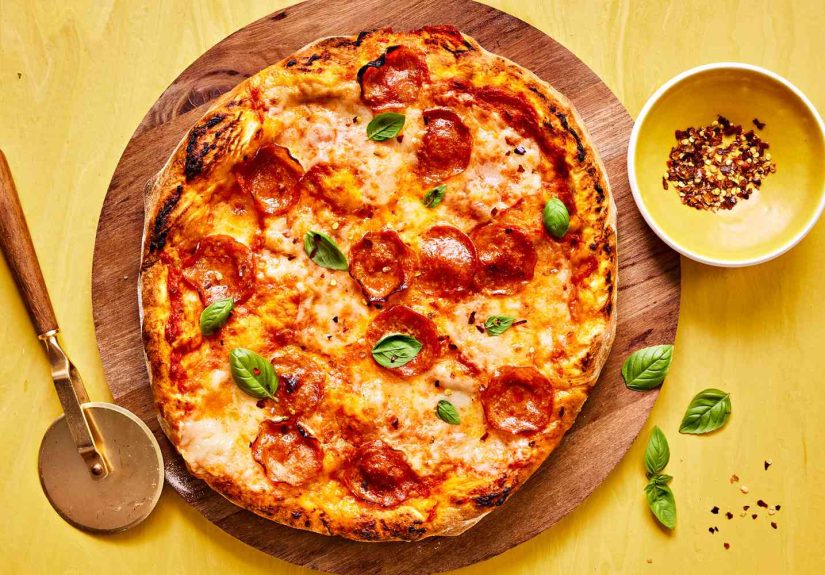
The best homemade pizza often has fewer toppings, not more. Instead of piling on eight different meats and enough vegetables to qualify as a side garden, choose two or three ingredients that actually belong together. A classic Margherita works because tomato, mozzarella, basil, and olive oil each get room to speak. A pepperoni pizza succeeds because the fat, spice, cheese, and sauce are in balance. Pizza is jazz, not group chat chaos.
Heat Is Your Best Friend
If there is one principle nearly every pizza expert agrees on, it is this: hot ovens make better pizza. Most home ovens cannot match a true pizzeria oven, but you can still push them in the right direction.
Preheat Longer Than You Think
A baking steel or pizza stone needs serious preheating time. Thirty minutes is the minimum for many setups, but closer to 45 to 60 minutes often works better. The goal is not just a hot oven. The goal is a hot surface that can blast the bottom of the dough with enough energy to create oven spring and crispness quickly.
Steel vs. Stone
Both can work, but many pros favor steel for home ovens because it transfers heat more aggressively. That means better browning and a stronger rise in a standard kitchen oven. A stone is still useful, especially if that is what you own, but a steel often gives home cooks a more dramatic upgrade.
Use the Broiler Strategically
One common problem at home is a crust that browns underneath before the top gets enough color. A broiler can help close that gap. Some pizza makers preheat a steel near the broiler or finish a pizza under the broiler for extra top browning. Just pay attention, because the distance between “nicely blistered” and “charcoal diary entry” is surprisingly short.
The Best Homemade Pizza Setup for Different Kitchens
If You Have a Baking Steel or Stone
This is the closest many home cooks get to pizzeria-style thin crust. Preheat the steel or stone thoroughly, shape the dough, top it lightly, and launch fast. This method is especially good for New York-style, artisan thin crust, and simple cheese or Margherita pizzas.
If You Have a Cast-Iron Skillet
Cast iron is fantastic for pan pizza and beginner confidence. It gives you a crisp, deeply browned bottom and helps avoid the stress of a peel launch. You can also use a stovetop-plus-broiler method for excellent results. This is a great choice for thicker crust lovers or anyone who wants pizzeria flavor without peak pizza acrobatics.
If You Only Have a Sheet Pan
Do not underestimate the sheet pan. It is ideal for Sicilian-style, grandma-style, or casual rectangular pizzas that feed a crowd. Oil the pan, stretch the dough gradually, let it relax if it springs back, and embrace the edges. Crispy pan pizza is not the backup plan. It is a very good plan.
Common Homemade Pizza Mistakes and How to Fix Them
The Dough Springs Back
It is too cold, too tight, or not rested enough. Let it sit longer at room temperature and come back in 10 to 20 minutes.
The Pizza Sticks to the Peel
You topped it too slowly, used too much moisture, or forgot to test the slide before launching. Use a light dusting under the dough and work faster.
The Crust Is Pale
Your oven or baking surface was not hot enough, or the dough lacked enough fermentation. Preheat longer and give your dough more time next round.
The Center Is Soggy
That usually means too much sauce, too many toppings, or watery cheese and vegetables. Scale back and drain wet ingredients.
The Bottom Burns Before the Top Looks Done
Move the pizza lower or higher depending on your setup, reduce bake time slightly, or use the broiler more strategically at the end rather than blasting the bottom for too long.
A Pro-Style Homemade Pizza Workflow You Can Actually Follow
- Make the dough at least a day ahead.
- Portion and ball it neatly so each pizza bakes consistently.
- Let the dough come to room temperature before shaping.
- Preheat your steel, stone, skillet, or sheet pan thoroughly.
- Use a simple sauce and go easy on toppings.
- Drain fresh mozzarella and prep wet vegetables in advance.
- Stretch gently, top quickly, and launch with confidence.
- Finish with fresh basil, olive oil, hot honey, Parmesan, or arugula after baking if desired.
That last step matters more than people think. Some ingredients shine brightest after the bake, when they do not have to survive a blast furnace first. Fresh herbs stay fragrant, cured meats keep their texture, and finishing oils bring the whole pizza into focus.
Conclusion: The Best Homemade Pizza Is a Skill, Not a Miracle
The pros make homemade pizza look easy because they respect the fundamentals. They do not treat the dough like an afterthought. They do not overload the pie. They use high heat on a properly preheated surface, and they know that tiny improvements add up fast. Better dough handling, better ingredient balance, and better baking setup can transform your pizza from “perfectly edible” into “suspiciously excellent.”
If you remember only a few things, let them be these: ferment longer, warm the dough before stretching, keep toppings light, and bake hotter than feels emotionally reasonable. Once you get those right, homemade pizza night stops being a gamble and starts becoming a ritual. A delicious, cheesy, slightly flour-covered ritual.
Experiences From Real Homemade Pizza Nights
The funny thing about learning how to make the best homemade pizza is that the breakthrough rarely arrives with trumpets. It usually shows up on an ordinary evening when you finally stop fighting the dough. The first time your crust puffs at the edge, browns underneath, and still folds without cracking, you realize pizza is less about secret ingredients and more about rhythm. Mix early. Wait longer. Heat everything more than you think you should. Then get out of the dough’s way.
One of the most common home-cook experiences is discovering that the dough you blamed for weeks was not actually the villain. The real issue was impatience. Plenty of people have made a same-day dough, tried to stretch it cold, buried it under cheese, and wondered why it baked like a damp mattress. Then they try again with an overnight rest, a lighter hand, and a longer preheat, and suddenly the pizza looks alive. The crust blisters. The rim rises. The bottom gets color. Confidence enters the chat.
There is also a very specific joy in learning your oven’s personality. Some ovens run hot in the back corner. Some brown beautifully on a steel near the top rack. Others need a quick broiler finish to get the cheese bubbling the way you want. Once you understand your oven, pizza starts to feel less like guesswork and more like a collaboration. Slightly temperamental, yes. But still a collaboration.
Another relatable pizza-night experience is realizing that simple pies often win. Many home cooks begin with a maximalist mindset: three cheeses, four meats, peppers, onions, mushrooms, olives, and perhaps a reckless drizzle of ranch because the evening has taken a turn. Then one day they make a plain cheese pizza or a simple Margherita with good tomatoes, drained mozzarella, basil, and olive oil. And that is the pie everyone remembers. The lesson is humbling, but delicious: flavor likes breathing room.
Homemade pizza also has a way of turning mistakes into traditions. Maybe your first launch folded into something that looked like a map of Florida. Maybe you invented a “rustic calzone situation” because the peel and dough stopped speaking to each other. Those moments are annoying in real time, but they are also how people get better. Every great home pizza maker has a history of weirdly shaped pies, overenthusiastic flouring, and one topping experiment that should remain sealed in the family archives.
And then there is the part no recipe can fully teach: the atmosphere. Pizza night feels interactive in a way many dinners do not. Someone stretches dough. Someone grates cheese. Someone insists they are “just helping” while eating pepperoni directly from the cutting board. The kitchen gets warmer, louder, and slightly more chaotic. That energy is part of what makes homemade pizza so satisfying. You are not just making dinner. You are making an event with a crust.
Over time, the process becomes deeply personal. Some people become loyal to cast iron. Others swear by baking steel. Some keep dough fermenting in the fridge like a tiny edible science project. Eventually, you stop chasing a perfect pizza and start making your pizza: the one your oven loves, your family requests, and your Friday night deserves.