Table of Contents >> Show >> Hide
- What Is Rutabaga, and Why Should You Roast It?
- Why This Easy Roasted Rutabaga Recipe Works
- Ingredients for Easy Roasted Rutabaga
- How to Choose and Prep Rutabaga
- Easy Roasted Rutabaga Recipe: Step-by-Step
- Flavor Variations to Keep Things Interesting
- What to Serve with Roasted Rutabaga
- Common Mistakes to Avoid
- Storage and Reheating Tips
- Frequently Asked Questions
- Final Thoughts on This Easy Roasted Rutabaga Recipe
- of Real-Life Experience with Roasted Rutabaga
If rutabaga has been sitting in your grocery store like the mysterious root vegetable nobody invited to the party, today is its comeback story. This easy roasted rutabaga recipe turns a sturdy, slightly quirky vegetable into golden, caramelized bites that taste earthy, sweet, savory, and just fancy enough to make people think you planned dinner like a responsible adult. In reality, you just chopped a root, added oil, salt, and a little patience. That is the kind of kitchen confidence we support around here.
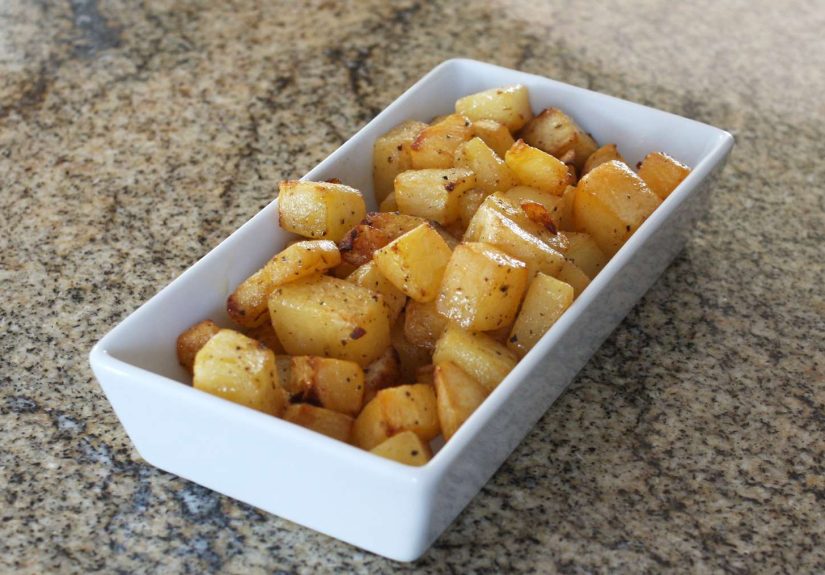
Roasting is hands-down one of the best ways to cook rutabaga. High heat softens its dense texture, brings out its natural sweetness, and tones down the slight bitterness that sometimes scares off first-time eaters. Instead of bland, watery cubes that taste like a vegetable apology, you get crisp-edged, tender pieces with real flavor. Better yet, rutabaga plays nicely with garlic, rosemary, thyme, black pepper, Parmesan, parsley, balsamic vinegar, and even a tiny drizzle of honey if you want to lean into its sweeter side.
This guide covers everything you need to make roasted rutabaga work the first time: how it tastes, how to prep it without feeling betrayed by its waxy armor, the easiest oven method, flavor variations, serving ideas, storage tips, and the most common mistakes that turn promising dinner plans into chewy little disappointment cubes. By the end, you may become that person who says, “Honestly, I came for the potatoes, but I stayed for the rutabaga.”
What Is Rutabaga, and Why Should You Roast It?
Rutabaga is a root vegetable often described as a cross between a turnip and a cabbage, which explains why it tastes like both of those vegetables got together and decided to become more useful in winter. It usually has rough, waxy skin and yellowish flesh inside. The flavor is mildly sweet, a little peppery, and slightly bitter when raw, but roasting transforms it into something much friendlier.
If you have never cooked rutabaga before, think of it as the cousin of roasted potatoes and turnips. It is denser than potatoes, which means it needs a little more time in the oven, but that same density helps it hold its shape beautifully. Instead of collapsing into mush, it becomes fork-tender with browned edges and a rich, concentrated flavor.
Rutabaga is also a smart addition to a cold-weather meal plan. It is filling, naturally rich in fiber, and contains vitamin C, making it one of those vegetables that quietly earns its spot on the plate while flashier side dishes demand attention like reality TV contestants.
Why This Easy Roasted Rutabaga Recipe Works
The method is simple, but every step matters. First, you cut the rutabaga into evenly sized cubes so the pieces cook at the same pace. Second, you toss them with enough oil to encourage browning without making them greasy. Third, you spread them in a single layer. That last part is not negotiable. If the pieces are piled together, they steam. If they steam, they sulk. If they have space, they roast.
The oven does the heavy lifting from there. A hot oven, usually around 400 to 425 degrees Fahrenheit, gives rutabaga time to soften while also caramelizing the outside. Flipping the pieces halfway through helps them brown more evenly, and a final splash of acid, like apple cider vinegar or balsamic vinegar, brightens the flavor so the finished dish tastes balanced instead of heavy.
In other words, this recipe is easy because it relies on technique, not kitchen magic. No boiling first. No complicated sauce. No ten-step monologue from a celebrity chef who has more ramekins than common sense.
Ingredients for Easy Roasted Rutabaga
- 1 large rutabaga, about 2 to 2 1/2 pounds
- 2 tablespoons olive oil
- 1 teaspoon kosher salt
- 1/2 teaspoon black pepper
- 2 cloves garlic, minced
- 1 teaspoon chopped fresh rosemary or thyme
- 1 teaspoon apple cider vinegar or balsamic vinegar
- 1 tablespoon chopped fresh parsley, optional
You can stop at oil, salt, and pepper and still get a tasty result. The garlic and herbs give the dish more personality, and the vinegar at the end wakes everything up. Parsley is optional, but it adds freshness and color, which is useful because rutabaga is not exactly a natural-born supermodel.
How to Choose and Prep Rutabaga
Look for rutabagas that feel firm and heavy for their size. Avoid soft spots, bruises, or obvious damage. Smaller ones tend to taste sweeter, but larger ones are still useful if they are fresh. Because the skin is thick and often waxed, start by washing the outside well. Then trim the top and bottom, stand it flat on a cutting board, and slice away the peel with a sharp knife or sturdy peeler.
After peeling, cut the rutabaga into 1/2-inch to 3/4-inch cubes. Try to keep the pieces close in size. Tiny pieces can burn before bigger ones soften, and no one wants a dinner that tastes like half caramelized candy and half undercooked jaw workout.
Easy Roasted Rutabaga Recipe: Step-by-Step
1. Preheat the oven
Preheat your oven to 425 degrees Fahrenheit. Line a large rimmed baking sheet with parchment paper for easier cleanup, or lightly oil the pan.
2. Season the rutabaga
Place the cubed rutabaga in a large bowl. Add the olive oil, salt, black pepper, garlic, and rosemary or thyme. Toss until every piece is lightly coated. You are aiming for “glistening” here, not “swimming in an oil slick.”
3. Spread in a single layer
Transfer the seasoned rutabaga to the baking sheet and spread the pieces into a single layer with a little room between them. Crowding is the enemy of crisp edges.
4. Roast until tender and golden
Roast for 35 to 45 minutes, flipping the pieces halfway through. The exact time depends on cube size and your oven’s personality. The rutabaga is done when it is tender inside and browned around the edges.
5. Finish and serve
Drizzle with apple cider vinegar or balsamic vinegar, then toss lightly. Sprinkle with parsley if using, and serve warm.
Flavor Variations to Keep Things Interesting
One of the best things about an easy roasted rutabaga recipe is how adaptable it is. Once you master the base method, you can change the mood with a few pantry ingredients.
Garlic Herb Rutabaga
Use extra garlic, rosemary, thyme, and parsley. This version tastes classic and goes well with roasted chicken, pork tenderloin, or a simple weeknight salad.
Sweet and Tangy Rutabaga
Add a small drizzle of honey or maple syrup during the last 10 minutes of roasting, then finish with apple cider vinegar. This version brings out rutabaga’s sweeter side without turning it into dessert with identity issues.
Parmesan Roasted Rutabaga
Toss the hot roasted pieces with grated Parmesan and cracked black pepper right after they come out of the oven. The cheese melts lightly and adds salty depth.
Smoky Rutabaga Bites
Add smoked paprika, garlic powder, and a pinch of cayenne for a bolder side dish. This one is especially good with grilled meats or burgers.
Rutabaga Fries
Cut the rutabaga into spears instead of cubes, season with rosemary and garlic, and roast until crisp on the outside. They are not exactly French fries, but they are delicious enough to avoid comparisons.
What to Serve with Roasted Rutabaga
Roasted rutabaga is incredibly flexible. It works as a holiday side dish, a weeknight vegetable, or part of a grain bowl. Serve it with roast chicken, turkey, baked salmon, pork chops, meatloaf, or a cozy lentil soup. It is also excellent alongside mashed potatoes or sweet potatoes if you are building a root vegetable dream team.
For a lighter meal, add the roasted cubes to a salad with arugula, goat cheese, toasted pecans, and a simple vinaigrette. You can also tuck leftovers into wraps, fold them into omelets, or toss them into soups and stews. In short, make extra. Future you will be thrilled.
Common Mistakes to Avoid
Cutting pieces too large
Rutabaga is dense, so oversized chunks take forever to cook. Keep the pieces moderate and even.
Using too little oil
A light but complete coating helps with browning and prevents dry, leathery edges.
Crowding the pan
If the pan is overloaded, the rutabaga steams instead of roasts. Use two pans if necessary.
Skipping the flip
Turning the pieces halfway through improves browning and helps prevent one-sided sadness.
Underseasoning
Rutabaga has a naturally robust flavor. Salt, pepper, herbs, garlic, and a bright finish help it taste balanced and fully alive.
Assuming it tastes like potatoes
It does not. And that is actually the point. Rutabaga has its own sweet-earthy character, which becomes much better when you let it be itself instead of demanding potato behavior.
Storage and Reheating Tips
Let the roasted rutabaga cool, then store it in an airtight container in the refrigerator for up to four days. Reheat it in a 350-degree Fahrenheit oven, an air fryer, or a skillet with a little oil until warmed through. The microwave works in a pinch, but it softens the crisp edges, and crisp edges are part of the charm.
If you want to freeze leftovers, place the cooled pieces on a tray first so they do not clump together, then transfer them to a freezer-safe container. They are best used later in soups, bowls, or hash rather than expecting them to return from the freezer exactly like glamorous fresh roast vegetables.
Frequently Asked Questions
Do you need to boil rutabaga before roasting?
No. For this easy roasted rutabaga recipe, boiling is unnecessary. Roasting from raw gives better flavor and a firmer, more appealing texture.
What does roasted rutabaga taste like?
It tastes mildly sweet, earthy, and savory with a little peppery depth. Roasting reduces bitterness and brings out caramelized notes.
Can you roast rutabaga with other vegetables?
Yes. It pairs well with carrots, parsnips, onions, sweet potatoes, turnips, and beets. Just cut everything to compatible sizes and keep an eye on faster-cooking vegetables.
Is rutabaga healthy?
Yes. Rutabaga is a fiber-rich cruciferous vegetable that also provides vitamin C and other useful nutrients. It is a satisfying option for people who want a hearty vegetable side without relying on the same old routine.
When is rutabaga in season?
Rutabaga is especially popular in fall and winter, which makes it perfect for cool-weather meals, holiday spreads, and any dinner that benefits from a cozy roasted vegetable situation.
Final Thoughts on This Easy Roasted Rutabaga Recipe
If you have ignored rutabaga because it looked like a turnip that had been through some things, this is your sign to give it another shot. Roasting coaxes out its sweetness, improves its texture, and makes it surprisingly craveable. The method is simple, the ingredients are flexible, and the result feels both rustic and a little special.
That is the beauty of roasted vegetables done right. They do not need much. Just heat, seasoning, and enough breathing room on the pan to become their best selves. Honestly, same.
of Real-Life Experience with Roasted Rutabaga
The first time I made an easy roasted rutabaga recipe, I bought the vegetable mostly because it looked like something a sensible grandmother would approve of. It sat in my kitchen for two days while I walked past it, mildly intimidated. Rutabaga has that effect. It does not whisper “easy dinner.” It whispers, “You may need upper-body strength.” But once I peeled it, cubed it, and roasted it with olive oil, salt, garlic, and rosemary, the whole mood changed. The house smelled warm and savory, the edges turned beautifully golden, and the flavor landed somewhere between roasted turnips and the sweeter side of potatoes. It was one of those kitchen moments where you immediately think, “Why have I been sleeping on this?”
Since then, roasted rutabaga has become one of those quiet heroes I make when I want a side dish that feels a little more interesting than standard roasted potatoes. At holiday dinners, it has a sneaky way of winning over the skeptical people at the table. Someone always asks what it is. Someone else always says they thought they hated rutabaga. Then, somehow, the bowl empties. Roasted rutabaga does not have flashy-main-character energy, but it absolutely has “surprise fan favorite” energy, and sometimes that is even better.
I have also learned that rutabaga is especially useful for weeknight cooking because it behaves well once you know its personality. It likes a hot oven. It likes enough oil to brown properly. It likes space on the pan. And it really appreciates a final hit of brightness, whether that is a splash of vinegar, a squeeze of lemon, or a handful of chopped herbs. When I have skipped those little finishing touches, the dish was still good, but when I added them, it suddenly tasted restaurant-smart instead of merely competent.
One of my favorite ways to use leftovers is to toss roasted rutabaga into a grain bowl with farro, arugula, feta, and a mustard vinaigrette. It also works beautifully next to roast chicken or pork, and it is surprisingly good with eggs the next morning. There is something very satisfying about turning a humble root vegetable into multiple meals that all feel intentional. That is the kind of frugal kitchen magic that deserves a standing ovation, or at least a second helping.
What I appreciate most, though, is that roasted rutabaga feels seasonal in the best way. It belongs to chilly evenings, cozy kitchens, and dinners where you want food that is hearty without being heavy. It is not trendy, and that may be part of its charm. Rutabaga is not trying to become cauliflower’s publicist or sweet potato’s understudy. It is simply doing its job, roasting up into tender, caramelized bites that taste comforting and genuinely satisfying. Once you make it a few times, it stops being the weird root vegetable in the produce aisle and starts becoming one of those ingredients you buy on purpose. That is a pretty great glow-up for a vegetable that looks like it was designed by a medieval gardener with trust issues.