Table of Contents >> Show >> Hide
- What “Blood Clots” Actually Means (Without the Med-School Tuition)
- Why COVID-19 Can Increase Clot Risk
- How Common Are Clots With COVID-19?
- Who Is at Higher Risk?
- Symptoms: When to Worry (and When to Seek Emergency Care)
- How Doctors Check for Clots
- Prevention: What Actually Helps
- Treatment: If a Clot Is Found
- After COVID-19: How Long Does the Risk Last?
- What About COVID-19 Vaccines and Blood Clots?
- Questions to Ask Your Doctor (Because Google Doesn’t Know Your Medical History)
- Conclusion: Be Informed, Not Alarmed
- Experiences: What This Can Look Like in Real Life (Common Patterns People Describe)
COVID-19 started out as “that respiratory virus” and then proceeded to be an overachiever: lungs, heart, brain, kidneysbasically it RSVP’d “yes” to body systems it was never invited to.
One of the bigger plot twists is blood clot risk. And no, this doesn’t mean everyone with COVID-19 is destined to become a walking science fair project titled Thrombosis: A Story of Betrayal.
It does mean it’s worth understanding what clots are, why COVID-19 can raise risk (especially in serious cases), what warning signs to watch for, and what doctors actually do about it.
This article is for educationnot a diagnosis. If you think you might be having a stroke, pulmonary embolism, or other emergency, call 911 (or local emergency services) immediately.
What “Blood Clots” Actually Means (Without the Med-School Tuition)
Clotting is a normal, lifesaving feature. Cut your finger? Your body forms a clot to stop bleeding. Gold star.
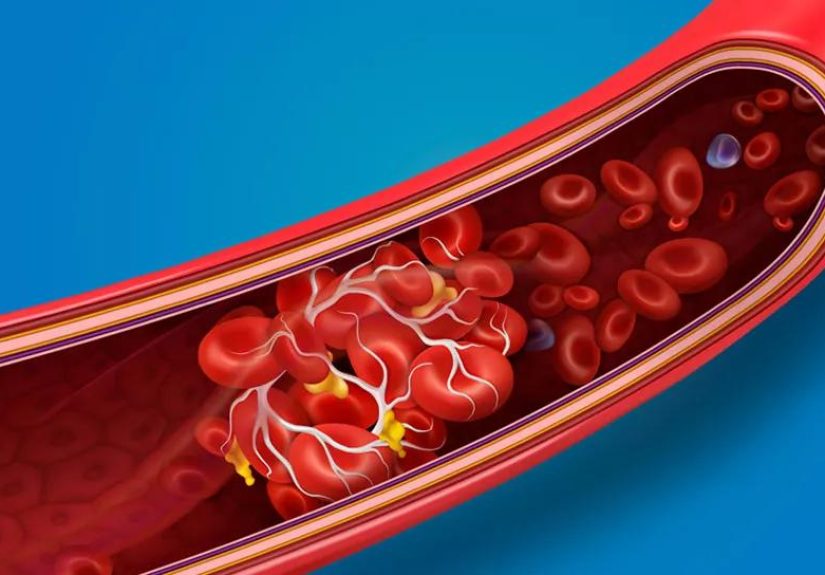
The problem starts when clots form inside blood vessels without a good reasonor when they grow too big, break loose, and block blood flow somewhere critical.
Common clot types you’ll hear about
- DVT (Deep Vein Thrombosis): a clot usually in the deep veins of the leg (sometimes arm).
- PE (Pulmonary Embolism): a clot that travels to the lungsoften from a DVTand can be life-threatening.
- Arterial clots: clots in arteries that can contribute to heart attacks or ischemic strokes.
- Microvascular clotting: tiny clots in small vessels (a topic still being actively researched in COVID-19 and some post-COVID conditions).
Why COVID-19 Can Increase Clot Risk
COVID-19 doesn’t just irritate your airways; in more severe illness it can crank up inflammation across the body. When inflammation rises, the clotting system can get jumpy.
Researchers have described several overlapping mechanismsthink of them as a “perfect storm” recipe:
1) Inflammation turns the volume up on clotting
Inflammation can activate clotting factors and platelets, increasing the odds of unwanted clot formation. In severe infections, the body’s normal checks-and-balances can get out of sync.
2) Blood vessel lining (endothelium) can be injured
The endothelium is the smooth inner lining of blood vessels. When it’s inflamed or damaged, it’s easier for clots to formlike how scratches on a nonstick pan suddenly make everything stick.
3) “Stasis” (slow blood flow) increases riskespecially in hospitalized patients
If you’re very ill, dehydrated, less mobile, or stuck in bed for days, blood flow slows downparticularly in the legs. Slow flow is one corner of the classic clot triangle (along with vessel injury and hypercoagulability).
4) Severity matters
Clotting complications are most strongly linked with hospitalization and critical illness. Mild cases can still have complications, but the overall risk picture is very different from someone in the ICU.
How Common Are Clots With COVID-19?
Estimates vary by study, setting, variant era, vaccination status, and how aggressively clinicians looked for clots.
Early in the pandemic, rates reported in critically ill patients were alarming. Later data and better prevention strategies helped clarify the picture: risk is real, but it’s also highly dependent on how sick you are and your baseline risk factors.
What matters for regular humans: if you’re recovering at home with a mild case, your risk is generally much lower than someone hospitalized with severe COVID-19. The people we worry about most are those who are older, have multiple medical conditions, or are sick enough to require hospital-level care.
Who Is at Higher Risk?
The same factors that increase risk for blood clots in general also show up in COVID-19: age, certain chronic illnesses, prior clots, cancer, major surgery, immobility, pregnancy/postpartum, and some inherited clotting disorders.
COVID-19 adds extra risk because of the inflammation + illness severity combo.
Higher-risk situations often include
- Hospitalization (especially ICU care)
- Reduced mobility (bedbound or very limited movement)
- History of clots (DVT/PE) or known clotting disorders
- Active cancer or recent cancer treatment
- Pregnancy/postpartum
- Older age and multiple chronic medical conditions
It’s also worth noting: some research suggests cardiovascular and thrombotic risk can remain elevated for months after infection, especially after more severe illnessso “I’m done being sick” doesn’t always mean “my body is back to its pre-2020 operating system.”
Symptoms: When to Worry (and When to Seek Emergency Care)
Clot symptoms can be sneaky. Some people have classic signs; others don’t.
If you’re ever unsureespecially if symptoms are sudden, severe, or worseningget evaluated.
Possible signs of DVT (often in the leg)
- Swelling in one leg (or one arm)
- Pain, cramping, or sorenessoften starting in the calf
- Warmth, redness, or discoloration of the skin
Possible signs of PE (blood clot in the lungs)
- Sudden shortness of breath
- Chest pain (often worse with deep breaths or exertion)
- Fast heartbeat, dizziness, fainting
- Coughing, sometimes with blood
Possible signs of stroke (call emergency services immediately)
- Face drooping, arm weakness, speech difficulty
- Sudden confusion, vision changes, severe headache
- Sudden trouble walking, loss of coordination
Bottom line: new one-sided leg swelling or sudden chest pain/shortness of breath deserves urgent attentionCOVID history or not.
How Doctors Check for Clots
Diagnosing a clot usually involves a combination of symptoms, exam, risk factors, and targeted testing.
This is not a “guess and vibes” situation.
Common tests
- Ultrasound for suspected DVT (especially in legs)
- CT pulmonary angiography for suspected PE (common imaging test)
- Blood tests such as D-dimer (helpful, but not definitive on its own)
- EKG, chest imaging, oxygen levels to assess severity and rule out other causes
Important nuance: D-dimer can be elevated for many reasons (including infection and inflammation). In COVID-19, it may be high even without a clotso clinicians interpret it in context.
Prevention: What Actually Helps
Preventing clots depends on your situation. The strategy for a hospitalized patient is different from someone recovering at home.
If you’re recovering at home
- Keep moving (short walks, ankle pumps, changing positions). No marathon neededjust avoid being motionless all day.
- Stay hydrated unless your doctor told you to restrict fluids.
- Know your personal risk (prior clots, cancer, major immobility). If you’re high-risk, ask your clinician what to watch for.
- Don’t self-prescribe blood thinners. They can cause serious bleeding and aren’t universally recommended for non-hospitalized COVID-19.
If you’re hospitalized
In hospitals, clot prevention is standard practice for many patients with acute illness, including COVID-19unless there’s a bleeding risk or other contraindication.
This often involves preventive-dose anticoagulation (blood thinners) and sometimes mechanical methods like compression devices.
Some clinical trial evidence supports therapeutic-dose heparin in selected non-ICU hospitalized patients, but treatment is individualized.
The key idea is that there isn’t a single one-size-fits-all dosing strategy for every patient and every severity level.
Treatment: If a Clot Is Found
Treating blood clots generally involves anticoagulant medications (blood thinners) to prevent the clot from growing and to reduce the chance of new clots forming.
Over time, your body can naturally break down the clot.
Common treatment approaches
- Heparin/LMWH (like enoxaparin): often used in the hospital
- Direct oral anticoagulants (DOACs): often used outside the hospital for DVT/PE, depending on the situation
- Thrombolytics or procedures: reserved for certain severe, life-threatening clots
Treatment duration varies. Some people take anticoagulants for a few months; others need longer therapy depending on the cause and recurrence risk.
Your clinician weighs clot risk against bleeding riskbecause blood thinners are powerful tools, not multivitamins.
After COVID-19: How Long Does the Risk Last?
For many people, clot risk is highest during active infectionespecially the first few weeks.
But multiple large studies suggest that certain cardiovascular and thrombotic risks can remain elevated for months, and in some data sets, longerparticularly after severe disease.
What does that mean practically?
- If you had a severe case or were hospitalized, keep follow-up appointments and report new symptoms promptly.
- If you have lingering shortness of breath, chest discomfort, or unexplained swelling, don’t assume it’s “just post-viral weirdness.” Get evaluated.
- If you already have cardiovascular risk factors, recovery is a good time to optimize them (blood pressure, diabetes control, smoking cessation, movement, sleep).
What About COVID-19 Vaccines and Blood Clots?
This is where nuance matters, and the internet sometimes… struggles with nuance.
COVID-19 infection itself is associated with increased clot risk. Vaccination, by reducing severe disease, can reduce the risk of serious complications from infection.
Separately, a rare clotting condition (thrombosis with thrombocytopenia syndrome, TTS) was associated with the adenovirus-vector Janssen (J&J) vaccine, leading to specific warnings and guidance.
Key takeaway: if you’re weighing risks, most people’s biggest clot risk comes from COVID-19 illness, not from vaccination.
If you have questions about your personal history (e.g., prior clot, platelet disorder), that’s a great “ask your clinician” momentbecause your medical history is not a generic dropdown menu.
Questions to Ask Your Doctor (Because Google Doesn’t Know Your Medical History)
- “Based on my history, am I higher risk for clots with COVID-19?”
- “What symptoms should make me seek urgent care?”
- “Do any of my medications change clot or bleeding risk?”
- “If I was hospitalized, do I need follow-up testing or short-term prevention after discharge?”
- “What’s a safe plan to rebuild activity after COVID-19?”
Conclusion: Be Informed, Not Alarmed
COVID-19 and blood clots are linkedespecially in severe cases and in people with higher baseline risk.
The good news is that clinicians understand this complication far better now than in early 2020, and prevention in the hospital is routine.
For people recovering at home, the goal isn’t to panicit’s to stay reasonably active, know the red-flag symptoms, and get care quickly if something feels off.
Your body is built to clot when it needs to… and it’s also built with an incredible ability to heal.
The trick is knowing when your internal “safety feature” is acting more like a faulty smoke alarmloud, urgent, and worth responding to.
Experiences: What This Can Look Like in Real Life (Common Patterns People Describe)
The word “clot” can feel abstract until it shows up in a story that sounds like you, your friend, or your uncle who thinks water is optional.
Below are composite scenariosnot individual medical casesbuilt from commonly reported patterns clinicians discuss and patients often describe. They’re meant to make the warning signs easier to recognize, not to diagnose you through your screen.
1) “I thought I was just sore from lying around”
A lot of people recovering at home talk about the “COVID couch vortex”: you feel lousy, you nap, you scroll, you forget what day it is, and suddenly your legs have been mostly still for a week.
Some describe a new calf pain that doesn’t feel like normal muscle sorenessmore like a deep ache or cramp that sticks around.
Others notice one leg looks slightly more swollen than the other, or feels warmer. The common theme is asymmetry: one side acting up, the other side being totally fine.
When those symptoms get checked quickly, the outcome is often better, whether it turns out to be a DVT or something else (like a strained muscle).
2) “Breathing got weird, fast”
Another frequently described experience is sudden shortness of breath after people thought they were turning the corner.
Not “I’m winded because I climbed stairs”more like “I can’t catch my breath and I’m sitting still.”
Some mention sharp chest pain that’s worse with a deep breath, a racing heart, or feeling lightheaded.
In the ER, clinicians don’t assume it’s “just anxiety” or “just COVID” because those symptoms overlap with pulmonary embolism.
People who get evaluated promptly often say the same thing afterward: they waited longer than they should have because they didn’t want to “overreact.”
The lesson here is simple: with sudden chest pain or breathing trouble, it’s not overreactingit’s appropriate reacting.
3) The hospitalized patient who learns the word “enoxaparin”
Many hospitalized patients recall being placed on preventive blood thinners and wearing compression devices that look like sci-fi boots.
Some remember clinicians explaining that clot prevention is part of standard inpatient care, especially when illness and immobility collide.
Patients often describe this as reassuring: it’s a concrete action plan in a situation that otherwise feels unpredictable.
When clots do occur despite preventionbecause biology sometimes ignores our planspatients often mention the relief of having a clear diagnosis and a treatment path.
Blood thinners can be intimidating, but many people describe them as “a routine I can handle,” especially with good education about bleeding precautions and follow-up.
4) The “post-COVID” worry: what’s normal vs what needs workup?
People recovering from COVID-19 commonly describe lingering fatigue, a faster heart rate with exertion, and shortness of breath that gradually improves.
The tricky part is that clots and heart/lung complications can sometimes mimic “normal recovery.”
Many people say the most helpful thing was having a concrete checklist from a clinician: which symptoms are expected, which ones should prompt urgent evaluation, and what the timeline usually looks like.
The emotional experience matters, toosome describe feeling anxious about every new ache after learning about clot risk.
A practical approach many clinicians encourage is “calm vigilance”: be aware, don’t catastrophize, and don’t ignore clear red flags.
5) The big takeaway patients repeat
Across stories, one theme keeps showing up: people wish they’d taken sudden symptoms more seriously soonerespecially one-sided leg swelling or sudden breathing trouble.
The goal isn’t to live in fear; it’s to avoid dismissing a potentially dangerous signal.
If COVID taught the world anything, it’s that the body can be complicated… and also that getting help early can change outcomes dramatically.