Table of Contents >> Show >> Hide
- Why Night Care Matters for Braids
- The Best Ways to Protect Braids at Night
- Best Products for Overnight Braid Care
- Products to Avoid Before Bed
- A Simple Night Routine for Braids
- How Often Should You Moisturize or Refresh Braids at Night?
- When Night Protection Is Not Enough
- Common Mistakes That Ruin Braids Overnight
- Common Experiences with Braids at Nightand What They Usually Mean
- Final Thoughts
- SEO Tags
Braids are supposed to make life easier. That is the whole sales pitch, right? Sit in a chair for hours, leave looking fabulous, and then glide through the next several weeks like the main character in a hair-care commercial. But nighttime has a sneaky way of humbling even the neatest braid install. One restless sleep session can turn crisp parts into fuzzy roots, smooth lengths into lint magnets, and laid edges into a situation best described as “creative.”
The good news is that protecting braids at night is not complicated. You do not need a 17-step ritual, a tiny humidified palace, or a degree in textile engineering. You just need the right combination of friction control, lightweight moisture, gentle tension, and a sleep setup that works with your braid style instead of against it. Whether you wear box braids, knotless braids, Fulani braids, cornrows, or soft loc-inspired styles, the goal is the same: keep your braids neat, your scalp comfortable, and your natural hair underneath as healthy as possible.
This guide breaks down exactly how to protect braids at night, including the best scarves, bonnets, pillowcases, and products to use, plus the common mistakes that quietly wreck a beautiful braid install while you sleep.
Why Night Care Matters for Braids
Nighttime is when your braids face their biggest enemy: friction. Cotton pillowcases can rough up the outer layer of the hair, pull moisture away, and create the kind of frizz that makes even fresh braids look like they have seen things. Tossing and turning also creates repeated rubbing at the roots and hairline, which can make braids look fuzzy faster and put extra stress on delicate edges.
Then there is tension. Very long or heavy braids can tug on the scalp while you sleep if they are left loose and flopping around like jump ropes. Add dryness, product buildup, sweat, or damp hair into the mix, and your “protective style” can start acting less protective and more chaotic.
That is why a good nighttime braid routine should do four things:
- Reduce friction
- Control movement without pulling too tightly
- Maintain light moisture
- Keep the scalp clean, calm, and dry
The Best Ways to Protect Braids at Night
1. Wrap Your Braids with a Satin or Silk Scarf
If braids had an official bedtime uniform, it would be a satin or silk scarf. A scarf helps keep the roots smooth, protects the hairline, and limits direct rubbing against your pillow. It is especially useful for newer braids when you want to preserve crisp parts and sleek edges for as long as possible.
The trick is not just wearing a scarf, but wearing it correctly. Fold it into a triangle or wide band, wrap it around your hairline and crown, then tie it securely without pulling too tight. You want “stays on all night” secure, not “I can hear my scalp filing a complaint” secure.
A scarf works best for:
- Fresh braids with visible parts
- Cornrows and feed-in styles
- Protecting edges and the front perimeter
- People who want less bulk than a bonnet
2. Use a Bonnet for Longer Braids
If your braids are long, thick, or somewhere in the “these could absolutely knock over a lamp” category, a bonnet is often the better choice. Bonnets give the lengths somewhere to go, which helps prevent tangling, lint collection, and overnight frizz along the body of the braids.
Extra-large satin or silk-lined bonnets are especially helpful for box braids, knotless braids, boho braids, and soft locs. The best ones are roomy enough to fit your style comfortably and adjustable enough to stay put without strangling your forehead.
For many people, the best setup is actually a scarf plus bonnet. Use the scarf to keep the roots and edges sleek, then put a bonnet on top to contain the lengths. It is the braid-care version of wearing a belt and suspenders, but less dramatic.
3. Sleep on a Satin or Silk Pillowcase Anyway
Even if you are faithful to your bonnet or scarf, a satin or silk pillowcase is still a smart backup plan. Head wraps slip off. Bonnets migrate. Scarves stage midnight escape attempts. A smooth pillowcase gives you a second layer of protection in case your nighttime hair gear decides it values freedom.
Satin and silk pillowcases can also help reduce frizz and keep hair from drying out as quickly as it might on standard cotton bedding. If you are a wild sleeper, this one upgrade can save your braids from a lot of unnecessary drama.
4. Loosely Gather Extra-Long Braids Before Bed
Leaving waist-length braids fully loose overnight can create pulling at the scalp and friction along the braid lengths. Instead, gather them loosely into one or two large braids, a very low ponytail, or a loose top section before wrapping them up. Use a satin scrunchie, not a tight elastic band that leaves dents or tension.
The key word here is loosely. You are organizing your braids, not trying to turn them into a structural engineering project. If you wake up with scalp soreness, the style was too tight.
5. Never Go to Bed with Damp Braids
This one deserves bold letters, dramatic music, and perhaps a small parade: do not sleep on wet or damp braids. Wet hair is more fragile, more likely to tangle, and more likely to create a scalp environment that feels itchy, funky, or flat-out unpleasant by morning. With extension braids, trapped moisture can also make the style smell stale or take forever to fully dry.
If you wash your braids in the evening, give yourself enough time for a full dry. Air-drying may work if you started early, but many people do better with a hooded dryer or a blow dryer on a low or cool setting aimed mainly at the roots and braid base. Bedtime is not the moment for “eh, close enough.”
Best Products for Overnight Braid Care
You do not need to dump half the beauty aisle onto your scalp before bed. In fact, that is often how buildup begins. The best braid products for nighttime are lightweight, targeted, and easy to use consistently.
Lightweight Braid Spray
A braid spray or leave-in conditioning mist can add softness and help prevent your natural hair from feeling dry underneath the style. Look for formulas that feel light rather than sticky. A few sprays along the lengths and a little focus on your natural hair near the roots can go a long way.
Scalp Serum or Light Oil
If your scalp feels dry, a lightweight scalp serum or oil can help. Jojoba-based, tea tree-infused, or other light oils are often easier to tolerate than thick grease. Use a little, not a puddle. Your scalp should feel soothed, not glazed like a cinnamon roll.
Mousse or Foam
A light braid mousse is useful when your style starts looking fuzzy at the roots or along the shafts. Smooth a small amount over frizzy sections before wrapping your hair down for the night. This can help refresh the style and make it look more polished by morning.
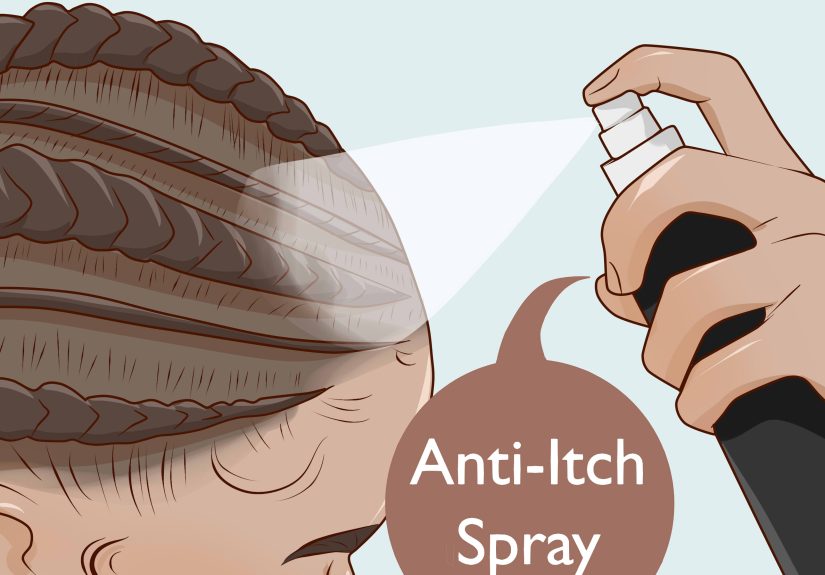
Anti-Itch or Scalp Refresh Spray
If your scalp gets itchy between wash days, a scalp refresher can help calm that tight, dusty, “I regret everything” feeling. Choose alcohol-light or non-drying formulas when possible, especially if your scalp is already sensitive.
Dry Shampoo or Scalp Cleanser for In-Between Days
For people who work out often or deal with quick buildup, a gentle scalp-focused cleanser or dry shampoo can help extend freshness. Keep it targeted to the scalp. Braids do not need to be marinated in powder or spray from root to tip.
Products to Avoid Before Bed
- Heavy grease: It can trap buildup and make the scalp feel coated.
- Too much oil: A little helps; too much attracts dirt and can weigh down the style.
- Sticky gels on the whole head: Great for certain looks, not great for all-over nightly use.
- Strong fragrances on an irritated scalp: If your scalp is tender, keep products simple.
- Anything that burns or stings: Hair care should not feel like a punishment.
A Simple Night Routine for Braids
If you like routines that are easy to repeat, here is a practical one:
- Check your scalp and hairline for dryness, tension, or fuzziness.
- Apply a small amount of braid spray or lightweight leave-in if your braids feel dry.
- Dab a little scalp serum or light oil only where needed.
- Loosely gather very long braids into one section or two large sections.
- Tie down the front with a satin or silk scarf.
- Put on a bonnet if your braids are long, thick, or boho-style.
- Sleep on a satin or silk pillowcase as backup.
That is it. No midnight chemistry set. No 45-minute ceremony. Just a repeatable system that keeps your braids looking good longer.
How Often Should You Moisturize or Refresh Braids at Night?
Not every head needs the same schedule. Some people can use a braid spray every other night and feel great. Others only need moisture a few times a week. The right frequency depends on your hair type, climate, workout routine, scalp condition, and whether your braids include synthetic hair that tends to frizz or tangle more easily.
A good rule of thumb is this: respond to what your hair and scalp are telling you. If your scalp feels tight and flaky, add light moisture. If your braids feel sticky or coated, back off. If your roots get fuzzy fast, use mousse sparingly and wrap more consistently. Night care should solve problems, not create new ones.
When Night Protection Is Not Enough
Sometimes the problem is not your nighttime routine. Sometimes the braids themselves are simply too tight, too heavy, too old, or too overdue for retirement. If your scalp hurts when your head hits the pillow, your hairline looks stressed, or you notice bumps, persistent tenderness, or unusual shedding, do not try to out-bonnet the issue.
Warning signs include:
- Ongoing pain or tightness
- Redness or bumps around the hairline
- Breakage near the edges
- Excessive itching that does not improve with gentle care
- Noticeable thinning around the temples
In those cases, the healthiest move may be loosening, removing, or redoing the style. Braids should feel secure, not like your scalp signed up for boot camp against its will.
Common Mistakes That Ruin Braids Overnight
Using Cotton Pillowcases
Cotton is comfortable for you, but not always for your braids. It can create friction and absorb moisture, which speeds up frizz.
Wrapping Too Tightly
A scarf should protect your braids, not flatten your will to live. Too much pressure can stress the hairline and make your scalp sore.
Skipping Night Protection “Just This Once”
One night turns into three, then suddenly your neat install looks six weeks older. Consistency matters more than perfection.
Using Too Much Product
More is not always more. Too much oil, mousse, or spray can lead to buildup, itchiness, and dull-looking braids.
Ignoring the Scalp
Your braids may look fine, but if the scalp underneath is dry, irritated, or dirty, the style will become uncomfortable fast. Healthy braids start with scalp care.
Common Experiences with Braids at Nightand What They Usually Mean
One of the most common braid experiences is waking up with fuzzy roots even though the style was fresh just a few days ago. Usually, that points to friction at the crown or hairline. In real life, this often happens when someone wears a bonnet but skips the scarf, so the lengths stay protected while the front of the style rubs around inside the cap all night. Adding a scarf under the bonnet often makes a noticeable difference.
Another common experience is that weird combination of braids looking neat but the scalp feeling dry and slightly irritated. This tends to happen when people focus only on the braid length and forget the scalp underneath. A tiny amount of lightweight scalp serum, used two or three nights a week instead of every single night, often feels better than soaking the whole head in oil.
Then there is the “my bonnet keeps sliding off” problem, which is practically a rite of passage. Some people solve it with an adjustable bonnet. Others do better with a scarf tied first and the bonnet layered on top. And for truly committed restless sleepers, a satin pillowcase is the backup dancer that deserves top billing.
Many people with very long knotless braids also notice neck discomfort or scalp pulling if they sleep with the braids completely loose. Gathering them into a low ponytail or one giant loose braid usually helps. The difference is not dramatic in theory, but it feels dramatic at 2:00 a.m. when you roll over and do not get accidentally whipped in the face by your own hairstyle.
Itchy scalp after a few weeks is another very real experience. Sometimes it is product buildup. Sometimes it is sweat, lint, or just the natural reality of wearing a style for a while. This is where people often make things worse by adding heavier and heavier oils every night. The scalp may feel temporarily soothed, but then it gets congested. In many cases, a better move is a gentle scalp cleanse, full drying time, and then going back to lighter products.
People with boho braids or curly braided styles often report that the loose hair sections tangle faster than the braided parts. That is completely normal. These styles usually need a little more nighttime attention, including a roomier bonnet, finger-separating the loose strands before bed, and using a hydrating mist sparingly to keep the texture from turning into a giant mystery knot by morning.
There is also the experience of trying to “save” an install that has simply run its course. You can wrap, mist, mousse, and politely negotiate with your edges all you want, but sometimes older braids are just ready to come out. If the style looks tired, feels heavy, or starts causing consistent tension, the best nighttime routine is not another product. It is an appointment with your fingers, a detangling session, and a fresh start.
The bigger lesson in all these experiences is simple: the best braid routine is the one that keeps your scalp calm, your hairline relaxed, and your style looking good without needing heroic rescue missions every morning. A scarf, a bonnet, a satin pillowcase, and a few well-chosen lightweight products can do more than an overcrowded shelf of hair products ever will.
Final Thoughts
If you want your braids to last longer, look smoother, and feel better, nighttime care is not optional. It is the quiet little habit that protects the investment you made in the salon chair. Wrap your braids with satin or silk, keep the style loose enough to avoid tugging, use lightweight products instead of heavy buildup, and never go to bed with damp braids.
In other words, treat your braids like something valuable, because they are. They are protecting your natural hair, framing your face, and saving you from having to style your hair from scratch every morning. The least you can do is give them a proper bedtime.