Table of Contents >> Show >> Hide
- Why Olive Oil Works So Well in Baking
- What Changes When You Bake With Olive Oil?
- The Best Baked Goods for This Swap
- When Vegetable Oil Is Still the Better Pick
- Which Olive Oil Should You Use for Baking?
- How to Substitute Olive Oil for Vegetable Oil in Baking
- Common Mistakes to Avoid
- Is Olive Oil a Healthier Choice?
- Frequently Asked Questions
- What Bakers Actually Experience When They Make the Swap
- The Final Verdict
You absolutely can use olive oil instead of vegetable oil when baking, and in many recipes, it works beautifully. The easiest version of this answer is also the most reassuring one: if a recipe already calls for vegetable oil, you can usually swap in olive oil at a 1:1 ratio and keep moving like the confident kitchen genius you were always meant to be.
That said, olive oil is not a clone of vegetable oil wearing a fake mustache. It brings more personality to the party. Vegetable oil is usually neutral and keeps a low profile. Olive oil can be fruity, grassy, peppery, buttery, or mild, depending on the type. That means the texture of your baked goods may stay lovely, but the flavor can shift a little. Sometimes that shift is fantastic. Sometimes it is a hint that your vanilla cupcakes wanted a quieter roommate.
If you want the full guide to baking with olive oil, including what works, what to avoid, and how to choose the right bottle, here it is. Spoiler: this substitution is much less dramatic than people think.
Why Olive Oil Works So Well in Baking
Olive oil and vegetable oil are both liquid fats, which is a big reason this swap is usually easy. In baking, liquid fats help create moisture, tenderness, and a soft crumb. They coat flour, limit gluten development, and help cakes, muffins, and quick breads stay tender instead of turning into edible drywall.
The ratio is usually simple
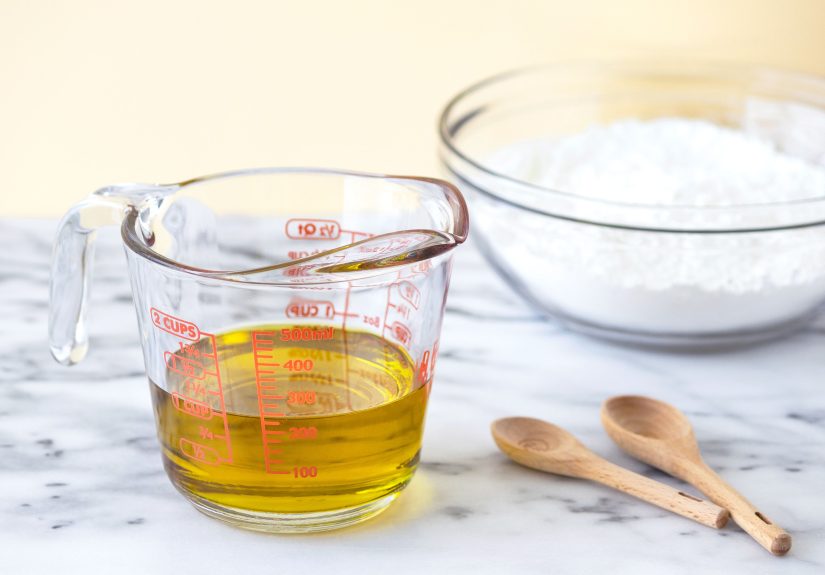
In most oil-based recipes, you can replace vegetable oil with olive oil using the exact same amount. If the recipe calls for 1 cup of vegetable oil, use 1 cup of olive oil. If it calls for 1/3 cup, use 1/3 cup. No complicated math. No emergency spreadsheet. No baking-induced identity crisis.
Oil-based baked goods tend to stay moist
Recipes made with oil are often prized for their moist texture and tender crumb. Cakes made with oil can stay soft longer than some butter-based cakes, which is one reason olive oil has become a favorite in snack cakes, loaf cakes, and everyday desserts. If your dream dessert is something soft on day one and still pleasant on day two, olive oil is not a bad friend to have.
The main difference is flavor, not structure
Because both olive oil and vegetable oil are liquid fats, the structure of the baked good usually stays close to the original recipe. The biggest change is taste. A neutral vegetable oil quietly supports the recipe. Olive oil may add flavor, aroma, and a slightly richer personality. In the right dessert, that is a win. In the wrong one, it can feel like someone added an unexpected monologue to a simple scene.
What Changes When You Bake With Olive Oil?
Flavor becomes more noticeable
This is the big one. Olive oil can taste fruity, grassy, floral, buttery, or peppery. A mild olive oil may be subtle enough that nobody notices anything except a nice, moist cake. A bold extra-virgin olive oil can become part of the flavor profile, which is wonderful in chocolate cakes, citrus cakes, spiced breads, and rustic bakes.
If your recipe is delicate and sweet in a very soft, plain, buttery way, olive oil may stand out more than you want. Think light vanilla cakes, some sugar cookies, or recipes where the goal is pure, neutral sweetness. In those cases, vegetable oil often stays in the lead because it does not try to steal the spotlight.
Texture can feel tender and even
Olive oil often produces baked goods with a soft, moist crumb. In cakes and quick breads, that can be a real advantage. The texture is often smooth, plush, and tender rather than airy and buttery. That is not a flaw. It is just a different style. If butter cake is wearing a tailored blazer, olive oil cake is wearing a linen shirt and somehow still looking expensive.
Aroma may shift slightly
Even when the flavor does not scream “olives!” the aroma may be a little warmer or fruitier. This is especially true if you use extra-virgin olive oil. Most of the time, that is pleasant. It can make lemon cake smell brighter, chocolate cake feel deeper, and banana bread taste more rounded.
The Best Baked Goods for This Swap
Quick breads and muffins
Banana bread, zucchini bread, pumpkin bread, carrot cake, and muffins are all excellent candidates for olive oil. These recipes already rely on liquid fat, and they usually include enough flavor from fruit, spices, nuts, or brown sugar to welcome olive oil instead of fight it. If you only try this swap once, start here. It is the safest gateway into Team Olive Oil.
Chocolate cakes and brownies
Chocolate is one of olive oil’s best friends in baking. Rich cocoa and dark chocolate can handle the flavor of olive oil well, and sometimes they actually benefit from it. A good olive oil can add depth, richness, and a subtle complexity that makes brownies or chocolate cake taste more grown-up without becoming weird. Not tuxedo-grown-up. More like “I suddenly know what espresso is for” grown-up.
Citrus cakes and loaf cakes
Lemon, orange, grapefruit, and olive oil are a famously happy group. Citrus highlights the fruity side of olive oil, which is why olive oil cakes often pair so well with lemon zest, orange juice, or fresh citrus glaze. If a recipe already sounds bright, sunny, and Mediterranean, olive oil probably belongs there.
Spice cakes and rustic desserts
Cinnamon, ginger, nutmeg, cardamom, clove, and olive oil usually get along very well. So do desserts with nuts, dried fruit, semolina, honey, or whole grains. Olive oil fits naturally into baked goods that are a little earthy, a little cozy, and not trying to taste like a boxed white cake from a birthday party at a roller rink in 2007.
Focaccia and savory bakes
This one feels obvious, but it still deserves a mention. Olive oil is a star in savory breads, especially focaccia. If your bake leans savory, herbal, cheesy, or tomato-y, olive oil is not just acceptable. It is often the better choice.
When Vegetable Oil Is Still the Better Pick
Delicate, neutral-flavored cakes
If you are making a very light vanilla cake, a pale yellow cake, or a dessert where you want the flavor to stay ultra-neutral, vegetable oil is often a safer choice. Olive oil may still work structurally, but it can add notes that are more noticeable than you want.
Recipes that depend on butter techniques
Here is where people get tripped up: swapping olive oil for vegetable oil is usually easy, but swapping olive oil for butter is a different conversation. Recipes that rely on creaming butter and sugar use that process to build structure and trap air. Olive oil cannot do that in the same way. So yes, olive oil can replace vegetable oil easily in many baked goods, but do not assume every butter-based cookie or cake will behave the same way if you freestyle it.
When you really do not want extra flavor
Some recipes simply need a neutral oil. If the ingredient list is subtle and clean and you do not want even a whisper of fruitiness or pepperiness, vegetable oil still has a purpose. There is no shame in using the quiet oil when the moment calls for quiet oil.
Which Olive Oil Should You Use for Baking?
Mild or light olive oil for a subtle result
If you are nervous about the flavor, use a mild, light, or regular olive oil. These versions tend to be more neutral and blend into baked goods more easily. They are often the best choice when you want the texture benefits of olive oil without a strong olive-forward flavor.
One important note: “light” olive oil refers to flavor and refinement, not calories. It is not a magical diet oil sent from the heavens to rescue cupcakes from themselves.
Extra-virgin olive oil for bold, flavorful bakes
If you are making lemon olive oil cake, chocolate cake, spiced loaf cake, or a recipe where olive oil sounds like part of the charm, extra-virgin olive oil can be fantastic. It adds character, complexity, and a richer aroma. Just use one you actually like. If your olive oil tastes harsh, stale, or strange on its own, baking will not give it a redemption arc.
Choose an oil you would enjoy tasting
Good baking starts with good ingredients. That does not mean you need the fanciest bottle in the store, but it does mean the oil should taste pleasant. If you would drizzle it over bread, whisk it into a dressing, or use it in everyday cooking, it is probably a good candidate for baking too.
How to Substitute Olive Oil for Vegetable Oil in Baking
A practical method that works
- Read the recipe and confirm it already calls for vegetable oil or another liquid oil.
- Swap olive oil in at a 1:1 ratio.
- Use mild olive oil if the recipe is delicate or you want a more neutral result.
- Use extra-virgin olive oil if the recipe includes chocolate, citrus, warm spices, nuts, or savory ingredients.
- Taste the finished bake with an open mind. It may not taste identical, but it can taste better.
Good examples
If a brownie recipe calls for 1/2 cup vegetable oil, use 1/2 cup olive oil. If a banana bread recipe calls for 2/3 cup vegetable oil, use 2/3 cup olive oil. If a carrot cake recipe calls for 1 cup vegetable oil, use 1 cup olive oil. This is one of the few kitchen substitutions that rarely needs a dramatic speech beforehand.
Common Mistakes to Avoid
Using a very strong olive oil in a very gentle recipe
A peppery extra-virgin olive oil in a delicate vanilla cupcake is a bold move. Maybe too bold. Match the intensity of the oil to the intensity of the recipe.
Assuming all olive oils taste the same
They do not. Some are buttery and mild. Some are grassy. Some are peppery. Some are so aggressive they could probably coach a football team. The exact flavor matters.
Using old or poorly stored oil
Rancid olive oil will make your baked goods taste dull, stale, or off. Store it away from heat and light, and do not save a half-empty bottle forever like it is a family heirloom.
Expecting identical flavor
This swap is usually successful, but success does not always mean “tastes exactly the same.” It means the bake works, the texture is good, and the flavor makes sense. Think of it as a remix, not a photocopy.
Is Olive Oil a Healthier Choice?
Many bakers choose olive oil because it is rich in monounsaturated fats and is often associated with heart-conscious eating patterns. That does not mean every olive oil brownie becomes a wellness retreat. Dessert is still dessert. But if you are choosing between fats and want one with a strong reputation for a better fat profile, olive oil is often the option people feel better about using.
The bigger truth is this: the health impact of a baked good depends on the entire recipe and how often you eat it, not just the oil. Olive oil can be a smart choice, but it is not a free pass to eat six slices of cake while calling it self-care. Tempting, yes. Accurate, no.
Frequently Asked Questions
Can you use extra-virgin olive oil instead of vegetable oil when baking?
Yes. It works especially well in chocolate cakes, brownies, citrus cakes, and spiced bakes. Just expect more flavor than you would get from vegetable oil.
Will olive oil make cake taste weird?
Not necessarily. In the right recipe, it tastes rich, moist, and flavorful. In a very delicate cake, it may be more noticeable than you want. Mild olive oil is the safer choice if you are unsure.
Is olive oil good for brownies?
Yes. Brownies are one of the best places to try the swap because chocolate covers a lot of ground and tends to pair well with olive oil’s depth.
Can you use olive oil in boxed cake mix?
Usually, yes. If the box calls for vegetable oil, olive oil will generally work in the same amount. A mild olive oil is usually the best bet unless you want a more noticeable flavor.
What Bakers Actually Experience When They Make the Swap
In real kitchens, the first experience with this substitution usually goes one of two ways. In version one, someone runs out of vegetable oil, reaches for olive oil with mild panic, and discovers that the banana bread comes out great. Maybe even better than great. It is moist, soft, and somehow tastes a little more complete. That baker then spends the next few weeks acting like they invented olive oil.
In version two, someone uses a bold, peppery extra-virgin olive oil in a very plain vanilla cake and pauses after the first bite like they just watched a plot twist they were not emotionally prepared for. The cake is not bad. It is just different. And that difference teaches the most important lesson of all: olive oil is not a neutral substitute in flavor, even when it is an easy substitute in structure.
Home bakers often notice that quick breads are the easiest success stories. Banana bread made with olive oil tends to stay moist for days. Zucchini bread feels tender and rich without becoming heavy. Carrot cake can become especially lovely because the spices, carrots, and walnuts give olive oil plenty of company. In these recipes, the oil does not stick out awkwardly. It settles in like it belongs there, because it usually does.
Chocolate desserts are another place where bakers report happy surprises. Brownies made with olive oil can come out fudgy, rich, and slightly more interesting than the usual version. Chocolate cake can taste deeper and less one-note. Some bakers even find that olive oil adds a grown-up quality they did not know they wanted until suddenly the pan is half empty and everyone is pretending they only cut “small slices.”
Citrus cakes create a different kind of experience. Instead of hiding, olive oil joins the flavor team. Lemon and orange have a way of pulling out olive oil’s fruity side, which makes the whole dessert taste intentional rather than improvised. That is why many bakers who try an olive oil lemon loaf once tend to come back to it. It feels elegant without being fussy, which is basically the dessert version of looking polished in sneakers.
The most common disappointment happens when people forget that not all olive oils behave the same way. A mild bottle may disappear politely into the batter. A grassy or peppery bottle may announce itself. That is not automatically bad, but it does mean choice matters. Bakers who enjoy the best results usually start with mild olive oil when testing a recipe for the first time, then switch to extra-virgin later if they want more personality.
Another very common experience is discovering that olive oil-based cakes stay pleasant longer than expected. Day-two texture is often where olive oil really earns applause. A cake that was tender on the first day may still taste soft and inviting the next day, while some other cakes begin their slow drift toward sadness. If you bake ahead or want a loaf cake that survives the week, olive oil can be a genuinely practical choice.
So what do bakers usually learn after trying the swap a few times? First, yes, olive oil can replace vegetable oil in baking without causing chaos. Second, the flavor of the oil matters more than the math. Third, some recipes become better, not just acceptable. And finally, once you taste a really good olive oil cake, you stop asking whether the substitution is allowed and start wondering why you did not make it sooner.
The Final Verdict
Yes, you can use olive oil instead of vegetable oil when baking, and in many recipes, it is an excellent substitution. The swap is usually 1:1, the texture stays tender and moist, and the main thing to consider is flavor. Use mild olive oil when you want subtlety, use extra-virgin when the recipe can support a more expressive taste, and start with quick breads, brownies, chocolate cakes, or citrusy bakes if you want the highest odds of success.
So the next time you are halfway into a recipe and realize the vegetable oil bottle is empty, do not panic. Reach for the olive oil, make the cake, and enjoy the very satisfying moment when the emergency turns into a kitchen upgrade.