Table of Contents >> Show >> Hide
- The Genius Tip: Iron a Shirt While It Is Slightly Damp
- Before You Iron: Do These Things First
- How to Iron a Shirt the Right Way
- Common Ironing Mistakes That Ruin the Finish
- Ironing vs. Steaming: Which One Is Better for Shirts?
- Quick Fabric Cheat Sheet for Better Results
- How to Keep a Shirt Looking Fresh Longer
- The Bottom Line on a Perfectly Ironed Shirt
- Experience and Practical Observations: What Changes When You Start Using This Tip
If ironing a shirt feels like a domestic boss battle, you are not alone. One minute you are feeling productive, the next you have somehow created a brand-new wrinkle exactly where there was not one before. It is rude, honestly. But the good news is that a perfectly ironed shirt is not reserved for hotel valets, dry cleaners, or that one mysteriously polished coworker who always looks like he stepped out of a menswear catalog.
The real secret is surprisingly simple: do not iron your shirt when it is bone-dry. The genius tip is to iron it while it is slightly damp, or to lightly mist it before you start. That tiny bit of moisture helps relax the fibers so the iron can smooth them faster, more evenly, and with less effort. In other words, you are no longer dragging hot metal across a stubborn cotton battlefield. You are working with the fabric instead of picking a fight with it.
This one shift can completely change your results. Add the right ironing order, proper heat, and a few shirt-saving habits, and suddenly your button-down goes from “close enough” to crisp, polished, and actually impressive. Here is how to make it happen.
The Genius Tip: Iron a Shirt While It Is Slightly Damp
If you only remember one thing from this article, make it this: a slightly damp shirt irons better than a fully dry one. That is because wrinkles are basically fabric fibers hanging onto their crumpled shape. Heat helps. Pressure helps. But moisture is what makes those fibers far more willing to let go of the drama.
Think of it like trying to smooth dry hair versus hair with a little water in it. One cooperates. The other has opinions. A damp shirt responds faster to steam and pressure, which means fewer passes with the iron, less chance of scorching, and a sharper finish overall. This is especially helpful for cotton shirts, linen blends, and dress shirts that came out of the dryer looking like they spent the night in a gym bag.
The shirt should not be wet. You are not preparing it for a monsoon. You want it just slightly damp to the touch. If your shirt has already dried completely, use a clean spray bottle to lightly mist it. Some irons also have a spray function, which can help with stubborn areas like collars, cuffs, and plackets.
Why This Works So Well
Moisture softens the fibers. Heat from the iron loosens the wrinkled structure. Pressure smooths the fabric flat. Together, those three things create the crisp, wrinkle-free finish people usually assume takes professional-level skill. It does not. It just takes better timing.
Before You Iron: Do These Things First
Check the Care Label
Before you touch the iron, read the care label. Yes, the tiny tag with the cryptic symbols. It matters. Different fabrics need different temperatures, and using too much heat is one of the quickest ways to create shine, scorch marks, or accidental sadness.
As a general rule, low heat works for delicate synthetics like nylon and acetate. Medium heat is better for polyester, silk, satin, and wool. High heat is typically right for cotton, linen, and denim. If your shirt is a blend, play it safe and use the setting for the most delicate fiber in the mix.
Start With a Clean Shirt
Do not iron a shirt that still has stains, sweat marks, or mystery spots from lunch. Heat can set stains and make them much harder to remove later. Ironing should be the finishing step, not a cover-up operation.
Use a Proper Ironing Surface
A real ironing board is your friend. A bed, couch cushion, or folded towel on the floor might seem clever in the moment, but soft or uneven surfaces make it harder to press wrinkles out cleanly. They can also stretch the fabric or create new creases. Not ideal.
Make Sure the Iron Is Clean
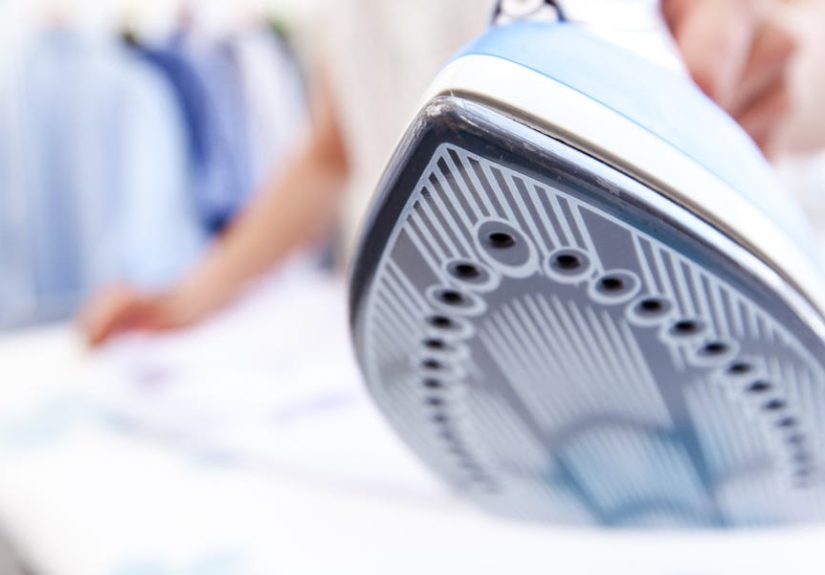
A dirty soleplate can transfer residue onto your shirt, especially white or light-colored ones. If your iron has buildup, clean it before you start. This is one of those boring little maintenance tasks that saves you from a very exciting problem later.
Keep a Pressing Cloth Nearby
A clean cotton pressing cloth is incredibly useful, especially for dark shirts, delicate fabrics, or anything that tends to get shiny. Place it between the iron and the shirt to reduce direct heat and protect the surface while still getting a smooth finish.
How to Iron a Shirt the Right Way
The smartest shirt ironing technique is all about order. You want to iron the smaller, structured areas first and move toward the larger panels last. That keeps you from wrinkling finished sections while wrestling the rest of the shirt on the board.
1. Start With the Collar
Open the collar and iron the underside first, working from the points toward the center. Then flip it and iron the outside. This helps you get a sharper look without pressing weird puckers into the edges. If the collar is especially wrinkled, a small burst of steam helps a lot.
2. Move to the Cuffs
Unbutton the cuffs and lay them flat. Iron the inside first, then the outside. Like the collar, cuffs are small but highly visible, so it pays to get them neat. If your shirt has French cuffs, take your time and avoid pressing a random crease where one does not belong.
3. Do the Sleeves Carefully
Lay one sleeve flat and smooth it with your hand before bringing in the iron. Start near the cuff and work up toward the shoulder. Then repeat on the other side if needed. Some people like a crease in the sleeve; others prefer a smooth, crease-free look. Either is fine, just be intentional. Nothing says “I gave up halfway through” like one sleeve with a razor crease and the other looking confused.
4. Iron the Yoke
The yoke is the shoulder section at the top back of the shirt. Slide one shoulder over the narrow end of the board and iron from the center outward. Then rotate and repeat on the other side. This little step makes the shirt look much more polished once it is on your body.
5. Tackle the Front Panels
Work one front panel at a time. Start with the side that has buttons, but do not press directly over them. Use the tip of the iron to work around buttons, seams, and the placket. Then do the other front panel, keeping the fabric smooth and slightly taut with your free hand.
6. Finish With the Back
Now iron the back in sections, moving from the top down. Large, slow strokes usually work best here. If you see a stubborn wrinkle, do not mash the iron harder like it insulted your family. Mist the area lightly, add steam, and press again.
7. Hang It Up Immediately
As soon as the shirt is done, place it on a hanger and let it cool completely before wearing or storing it. Folding or cramming a freshly ironed shirt into a closet too quickly can create new wrinkles fast. All that work deserves a better ending.
Common Ironing Mistakes That Ruin the Finish
Using Too Much Heat
High heat is not always better. It can flatten fibers too aggressively, leave shine on dark fabrics, and damage synthetics. Match the temperature to the fabric instead of trying to brute-force your way to a crisp finish.
Letting the Iron Sit Too Long
Keep the iron moving. Parking it in one place too long is how scorch marks happen. Your shirt is not a grilled cheese sandwich. It does not need a sear.
Ironing Dry Shirts Without Steam or Spray
This is the big one. Ironing a completely dry shirt takes longer and often gives worse results. That is exactly why the slightly damp trick feels so smart once you try it.
Skipping the Shirt-Smoothing Step
Always smooth the fabric flat with your hands before ironing each section. If the shirt is bunched, twisted, or folded under itself, you are basically heat-sealing future frustration into place.
Ignoring the Laundry Stage
A lot of “ironing problems” actually start in the washer and dryer. Overloading the machine, using the wrong cycle, or letting shirts sit in the dryer after the cycle ends can all create deeper wrinkles. If you remove shirts promptly and hang them right away, ironing becomes much easier.
Ironing vs. Steaming: Which One Is Better for Shirts?
For a classic cotton dress shirt, ironing still wins when you want structure, crispness, and a professional finish. Steamers are fantastic for quick touch-ups, delicate garments, and fabrics that do not like direct heat. But if your goal is a truly wrinkle-free shirt with sharp collar edges and neat cuffs, the iron remains the MVP.
That said, steam is still part of the magic. A steam iron gives you the best of both worlds: direct pressing power plus moisture to relax the fibers. That is why the slightly damp trick works so beautifully. You are basically stacking the odds in your favor.
Quick Fabric Cheat Sheet for Better Results
| Fabric Type | Recommended Heat | Best Practice |
|---|---|---|
| Cotton | High | Iron while slightly damp for the crispest finish |
| Linen | High | Use steam generously and iron on the wrong side if needed |
| Polyester | Medium to low | Use a pressing cloth to avoid shine |
| Silk | Low | Iron inside out with little or no direct steam |
| Wool | Medium | Use steam and a pressing cloth |
| Blends | Varies | Set the iron for the most delicate fiber |
How to Keep a Shirt Looking Fresh Longer
A perfectly ironed shirt should not lose the battle five minutes after you put it on. To keep it looking better longer, start before the iron even comes out. Wash shirts according to the care label, avoid overstuffing the washer and dryer, use wrinkle-control or permanent-press cycles when appropriate, and remove shirts promptly when drying is done.
Then hang shirts immediately. Give them space in the closet instead of compressing them between heavier garments. If you travel often, pack shirts neatly, use a garment bag when possible, and hang them as soon as you arrive. A quick steam in the bathroom or a brief refresh in the dryer can help, but prevention is always easier than rescue.
The Bottom Line on a Perfectly Ironed Shirt
If you want the shortest route to a crisp, polished, wrinkle-free shirt, the smartest move is wonderfully simple: iron it while it is slightly damp. That one adjustment makes the fabric easier to smooth, reduces the number of passes you need, and helps you get that clean, tailored finish that makes even an ordinary shirt look more expensive.
Add the right ironing order, fabric-safe heat, a little steam, and the discipline to hang the shirt right away, and you are no longer just “getting wrinkles out.” You are finishing the shirt properly. And once you do it this way a couple of times, it stops feeling like a chore and starts feeling like a small life upgrade. Not bad for a trick involving water and basic patience.
Experience and Practical Observations: What Changes When You Start Using This Tip
In real life, the biggest difference with this genius ironing tip is not just that the shirt looks smoother. It is that the entire task becomes less annoying. People who struggle with ironing usually are not lazy; they are just fighting fabric that is already too dry, too wrinkled, and too stubborn. Once a shirt is slightly damp, the iron glides better, the steam works faster, and those hard creases around cuffs and button plackets stop acting like they signed a lease.
One of the most common experiences is the “why did nobody tell me this sooner?” moment. A person who used to spend fifteen minutes repeatedly ironing the same sleeve suddenly gets a better result in half the time. Instead of pushing harder, going back and forth endlessly, or turning the heat up like a maniac, they use light misting and see the wrinkle disappear almost immediately. That feels less like housework and more like discovering the cheat code.
This tip is especially helpful for work shirts. Office wear tends to be made of cotton or cotton blends, and those fabrics love to wrinkle in the wash, in the dryer, and sometimes while merely existing. When someone pulls a shirt from the dryer while it is still slightly damp and irons it right away, the result often looks dramatically sharper. The collar lies flatter. The cuffs look intentional. The front placket behaves. Even inexpensive shirts can look much more refined when they are pressed at the right moment.
There is also a confidence factor that people do not talk about enough. A crisp shirt changes how you feel in it. Whether you are heading to school, a meeting, church, dinner, or a wedding where somebody inevitably says “smart casual” and leaves everyone to interpret that however they wish, a well-ironed shirt makes you feel put together. Not fancy. Not fussy. Just finished. That matters more than people think, because clothing is often the first signal you send before you say a word.
Parents, frequent travelers, and anyone with a packed morning routine also tend to appreciate this method because it saves time. Instead of discovering a deeply wrinkled shirt five minutes before leaving the house and panic-ironing it dry, they can lightly mist it, work through it in a logical order, and get a reliable result quickly. It turns the process from chaotic to repeatable. That is the real beauty of a good household tip: not that it is flashy, but that it works on busy Tuesdays when you are not in the mood for nonsense.
Another practical observation is that this approach can help clothes last longer. When people are not overheating shirts, pressing directly on delicate finishes, or making endless passes over the same dry wrinkle, they reduce the chance of shine, scorch marks, and fiber stress. The shirt not only looks better in the moment, but also stays looking better over time. And that is a win your closet, your wallet, and your future laundry-day self can all appreciate.